Thursday, October 1, 2026
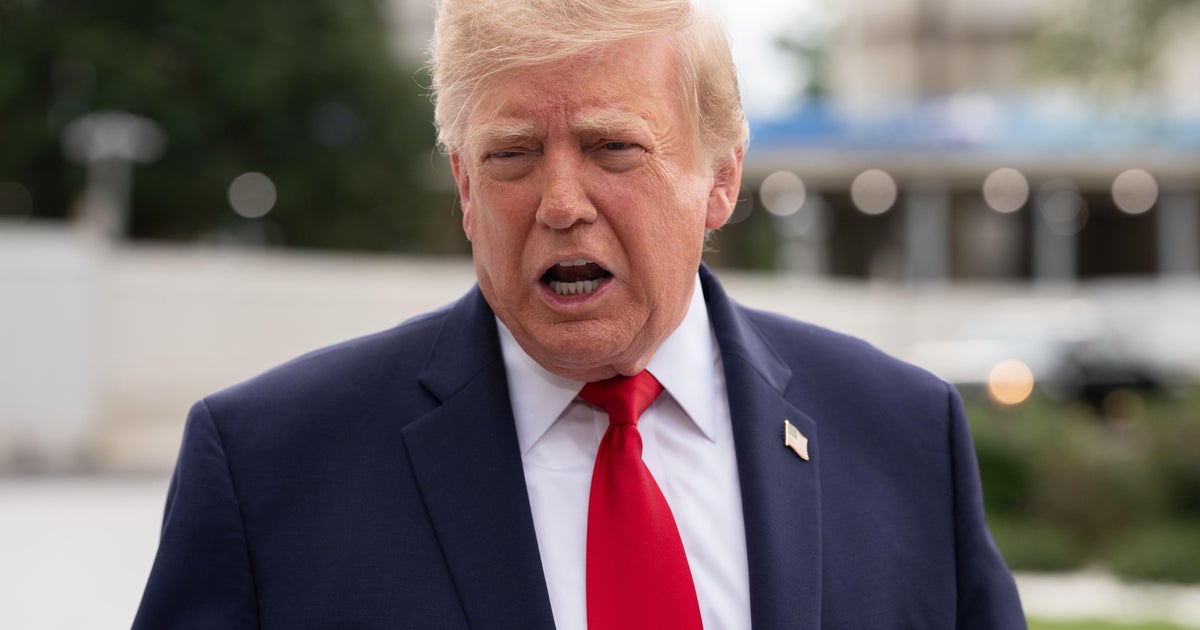
President Trump on the South Lawn, where classified briefings are replaced with whatever he ‘heard’ five minutes ago on cable news.
Out on the South Lawn, where U.S. foreign policy goes to die, Donald Trump announced that the FlyDubai co-pilot who allegedly tried to crash a plane into Israel is linked to Iran, “based on what I’m hearing.” No evidence, no intel, not even a half-hearted “we’re still gathering facts,” just pure presidential gut-feel geopolitics. Even Benjamin Netanyahu — a man not exactly known for restraint — is on TV saying it’s “too early to say” if Iran was involved and that it looks more like a suicide attempt. When Netanyahu is the one tapping the brakes, you’ve driven the clown car straight through the guardrail.
Asked if the co-pilot was placed there by Iran’s Revolutionary Guard or radicalized some other way, Trump shrugs it into existence: “Could’ve been, yeah.” Then comes the tough-guy closer: if Iran’s behind it, the U.S. will retaliate and they’ll be hit “very hard,” as if launching a regional war is just another episode of his reality show. Meanwhile, the co-pilot hasn’t even been publicly identified, is being interrogated in Saudi Arabia, and Omani officials are still sorting out basic facts like nationality. But sure, why wait for evidence when you can freelance nuclear-adjacent threats off a Fox chyron and a hunch?
This is how you get from “something bad happened on a plane” to “the president is ad-libbing casus belli into a TV gaggle.” Intelligence agencies? Ongoing investigations? Diplomatic coordination? All downgraded in favor of Trump’s favorite source: whatever he’s “hearing” from the same ecosystem that once insisted windmills cause cancer. Sleep tight, the world’s largest military is being steered by a guy live-testing conspiracy theories on camera.
Tennessee tried to kill Christa Pike twice with lethal injection and somehow only managed to prove that the "modern, humane" execution system is just a high-tech version of a medieval torture rack. After hours of legal ping-pong, the state strapped her down, pumped her full of death drugs—two rounds—and she survived, now needing "lifesaving care" from the same government that just tried to poison her to death. The governor has nobly responded by ordering a "comprehensive, third-party review," which is politician-speak for: "we'll investigate why the torture wasn’t more efficient."
This is all part of the great American innovation in killing people: lethal injection, sold in the 70s as a clean, clinical alternative to such barbaric methods as... the electric chair and firing squads, which several states have now politely brought back. The drugs themselves are a mess—pentobarbital and assorted chemical cocktails that the Trump DOJ eagerly reauthorized for federal use, despite evidence they can cause pulmonary edema, a fun little condition where your lungs fill with fluid so you can experience the sensation of drowning while the state calls it "painless." Autopsies, eyewitness reports of gasping and struggling, and a 7% historical botch rate suggest the real protocol is: strap, stab, guess, and hope the suffering stays off camera.
Doctors mostly refuse to participate because the AMA says "maybe don’t turn medicine into a murder service," so states outsource the killing to execution teams of prison staff and whoever they can train to push a plunger. When it all goes sideways—like Alabama failing to find a vein for Kenneth Smith before the death warrant expired, then killing him later with nitrogen hypoxia as a grim science experiment—officials treat it as a technical hiccup, not a moral catastrophe. The Supreme Court keeps insisting the death penalty is reserved for the "most heinous" crimes, but the real throughline is that the government reserves the right to torture you efficiently—and when it fails, the solution is never "stop doing this," it's "tweak the recipe and try again."
Asked what he’ll miss most when he finally shuffles out of the White House at the end of his second term, Trump announced that he bravely rejected a supposed Secret Service plan to demolish the Oval Office. Yes, according to the president of the United States, the people tasked with protecting him apparently pitched "what if we bulldozed the most iconic room in American government" and only his personal architectural genius stood between history and a pile of drywall.
This is where we are: the leader of the executive branch inventing a storyline where his own security detail turns into a rogue HGTV demolition crew, so he can cast himself as the lone guardian of tradition. No evidence, no documents, no actual plan — just Trump weaving yet another tall tale about the Deep State Menace, this time armed with sledgehammers and a floor plan. Authoritarian strongmen usually pretend to protect the nation from shadowy enemies; Trump’s version is protecting the furniture from his own staff.
Instead of respecting institutions, he rewrites them as props in his personal mythology: the Secret Service as would‑be wreckers, the Oval Office as his personal emotional support bunker, and history as something that only survives because he says so. It’s a small, ridiculous story, but it fits the pattern: Trump is forever the embattled savior, America is forever one imaginary step from ruin, and the federal government is just a stage set for his next made‑up crisis.

Trump staring at a fuel gauge labeled 'world economy' and cranking it to empty so U.S. pump prices drop 20 cents before November.
Donald Trump has discovered a fun new toy: the global diesel supply. With prices spiking thanks to the US-led war on Iran and the closure of the Strait of Hormuz, the president is now threatening to slam an export ban on U.S. diesel so American drivers are happy just in time for the midterms. The rest of the world can, apparently, go siphon fumes. The UK, which relies on the U.S. for nearly a third of its diesel imports, is currently stress-calling Brussels like a teenager who just realized the group project partner is Trump.
Not content with holding the world’s fuel line hostage, Trump is also pressuring European countries to crack open their own strategic diesel reserves so he doesn’t have to choose between global stability and his poll numbers. Treasury Secretary Scott Bessent chimed in on social media, insisting that U.S. farmers and truckers "should not be left carrying the burden"—translation: everyone else should. Experts politely point out that cutting off 1.2–1.5 million barrels per day of U.S. diesel exports would send international prices into orbit, but the administration seems focused on the truly strategic objective: cheaper fuel and a fresh batch of campaign ads.
Meanwhile, Europe is sitting on 109 million tons of emergency crude and fuel stocks and frantically organizing "lots of calls, lots of meetings" with Washington, which is exactly what you want to hear when the guy with his finger on the export ban is also running a multi-front war. Between Russia’s export games, China pulling back its own fuel shipments, and Trump waving the diesel ban like a reality show cliffhanger, the global energy system is being used as a campaign prop. Energy policy, but make it hostage-taking.

Trump, presumably explaining how his totally decentralized freedom coin just accidentally became a bank regulated by his own appointee.
The Trump family’s favorite victim story—"we were debanked for no reason except massive bankruptcies and a violent coup attempt"—has now blossomed into a full-blown financial empire-building project. World Liberty Financial, the Trumps’ allegedly "decentralized" crypto venture, just got the blessing of the Office of the Comptroller of the Currency to become a national trust bank. Translation: the anti-bank, anti-regulation freedom coin people are now trying to become a bank regulated by a guy Trump appointed and can fire whenever he wants. Regulatory independence, brought to you by the same crew that thought January 6 was a tourism event.
The grift mechanics are simple. World Liberty mints a "stablecoin" called USD1, takes in real dollars, and invests them in Treasuries. Until now, they had to share profits with an actual bank that held customer funds. As a bank themselves, they can cut out the middleman and keep the whole interest stream—while being overseen by Trump’s own OCC. Sen. Elizabeth Warren calls it a "clear conflict of interest and corruption," which is polite for "are you kidding me." Banking law experts note that this kind of charter would have been laughed out of the building under any previous administration, thanks to national security, anti–money laundering, and "basic competence" issues.
Meanwhile, Trump’s OCC has been busily handing out conditional bank charters to friendly stablecoin outfits like party favors at an inauguration bash—those same crypto donors who shoveled millions into Trump’s 2024 campaign and victory celebrations. The supposed war on the "broken" banking system turns out to be less a revolution and more a hostile takeover: dismantle the guardrails, install your own regulator, then let your family’s crypto shop plug itself directly into the federal banking system. It’s not "decentralized finance"—it’s centralized around one family’s balance sheet.
The Trump EPA has apparently decided that the Clean Air Act is more of a vibes-based suggestion than a law, so 21 states, the District of Columbia, and three major cities are dragging them into federal court to explain why "protect the public" now means "let the dirtiest power plants cough lung glitter into the sky." The lawsuit accuses the agency of openly refusing to enforce climate rules on the nation’s worst polluters, which is a fun twist for an agency whose literal name contains the words "Environmental Protection."
This isn’t a policy debate so much as a bureaucratic walkout: the states are basically suing the federal government to make it do the bare minimum of its legal job while the administration sprints in the opposite direction with a bouquet of deregulation and a love letter to coal and gas executives. If they pull this off, the precedent is clear: whenever a law inconveniences industry donors, the solution is to have the enforcement agency stare out the window and pretend it left its homework on the bus. Regulatory capture has officially moved from quiet influence to full-on "what are you going to do, sue us?"—and now they have.
The G20 just gathered in Milwaukee to politely applaud Donald Trump’s long-running trade tantrum and rebrand it as sophisticated policy. The freshly minted "Milwaukee Framework" solemnly declares that, yes, maybe flooding the planet with cheap steel and blowing up domestic industries is bad, and that countries are now allowed to do what Trump’s been doing all along: slap on tariffs and call it "evidence-based" instead of "economic hostage-taking."
U.S. Trade Representative Jamieson Greer cheerfully explained that this definitely couldn’t have happened in 2015, back when we still pretended the global trading system wasn’t just a leverage game with better stationery. Now, with the U.S. dangling access to its market like a mobster holding car keys over a storm drain, everyone’s "coming on board"—because nothing says rules-based order like "nice exports you got there, shame if something happened to them."
All this moral clarity on trade imbalances doesn’t stop Washington from carpet-bombing its own allies with tariffs. Canadian steel faces a 50% hit, some of their products are outright banned, and Greer is investigating 16 economies for the crime of existing in global supply chains. Meanwhile, foreign officials were herded onto coach buses for a 1.5-mile "field trip" to Rockwell Automation, where they admired American advanced manufacturing in steel-toed sneakers proudly made in Vietnam. Peak Trump-era industrial policy: performative factory cosplay on top, globalized supply chain underneath, and a tariff-shaped gun pointed at everyone’s head.
The punchline: Axios calls Trump’s tariffs "divisive" but his argument for rethinking trade "less so"—which is a very polite way of saying the world is slowly adopting his protectionist worldview while pretending it’s a sober, technocratic evolution. The global trading system isn’t collapsing; it’s just being remodeled into a more polite version of Trump’s favorite game: use power, call it principle, and send the bill to your allies.

ICE agents in tactical gear stand around looking very brave after shooting an unarmed American mom and declaring her a terrorist.
The Trump administration’s anti-immigrant fever dream has now graduated from ripping families apart to shooting a U.S. citizen mother of three and calling it “domestic terrorism”. Renee Good, who went out in Minneapolis to protest the thousands of ICE agents Trump dumped on her city, was shot and killed in her car by ICE officer Jonathan Ross. He claimed self-defense, DHS screamed “terrorist”, and then multiple videos inconveniently showed her steering away from him as she tried to escape. Naturally, the only thing that faced immediate scrutiny was not the killer with the gun, but the dead woman’s partner.
Enter Todd Blanche, then deputy attorney general, who bravely announced there was no reason to open a civil rights investigation into an ICE agent shooting an American protester. Instead, DOJ opened an investigation into Renee’s partner, Becca Good, and her ties to protest groups, because nothing says “rule of law” like turning a civil rights division into a political Stasi. At least 10 prosecutors resigned after Renee and another American, nurse Alex Pretti, were killed by immigration agents during the Minneapolis protests, suggesting that even some Trump-era lawyers have a threshold for state-sanctioned horror.
Now, Renee’s family is suing. One lawsuit hits Ross and the feds for wrongful death and the “immense suffering” she endured as he fired three rounds into the couple’s car while Becca stood just feet away and watched her partner die. The other lawsuit kicks it upstairs, alleging a conspiracy to interfere with civil rights and naming Ross, former DHS secretary Kristi Noem, hardline immigration ghoul Stephen Miller, and former Border Patrol officer Gregory Bovino for their “roles in Renee Good’s death”. The complaint spells it out: the government took peaceful assembly and speech, rebranded them as violence against the republic, and unleashed unconstitutional force that keeps ending with Americans in body bags.
The backlash over the January killings forced Trump to yank his ICE surge out of Minnesota and avoid another big-city deployment, which the White House will probably spin as “strategic recalibration” instead of “people hated this and we looked like a third-rate junta”. Don’t worry, though – the deportation machine didn’t slow down, it just switched from open “siege” to “soft feet”, with ICE now arresting more people than ever while pretending to be subtle. The strategy seems to be: shoot the protesters, smear the dead as terrorists, investigate the survivors, and then quietly expand the crackdown anyway. Accountability, if it ever comes, will have to arrive via lawsuits like this one, dragging the architects of the carnage into court one subpoena at a time.
Asked by Time magazine if he’d at least promise not to personally reenact a Fast & Furious sequel on the Kennedy Center without Congress’s approval, President Trump replied with the constitutional clarity we’ve come to expect: “I’m not committing.” That’s the president of the United States treating the potential demolition of a federally chartered performing arts center as a fun hypothetical, like he’s picking between dessert options instead of threatening to bulldoze a national cultural landmark.
This is all happening while he’s locked in a legal tantrum over the center’s name and renovation, because nothing says "stable democracy" like the head of state hinting he might literally knock down an arts institution if it doesn’t flatter him correctly. Separation of powers? Congressional authority over federal property? Trump is basically speed‑running the "what if the executive branch just did crimes but as a bit" experiment. The message to every independent institution is clear: obey, rebrand, or pray the wrecking ball is only metaphorical.
And sure, maybe he never actually sends in the demolition crews. But the whole point of authoritarian theater is to keep everyone guessing whether he’s bluffing or just waiting for a slow news day and a bored contractor. American arts funding used to be a dull appropriations fight; under Trump, it’s now a hostage situation where the orchestra might need a hard hat.
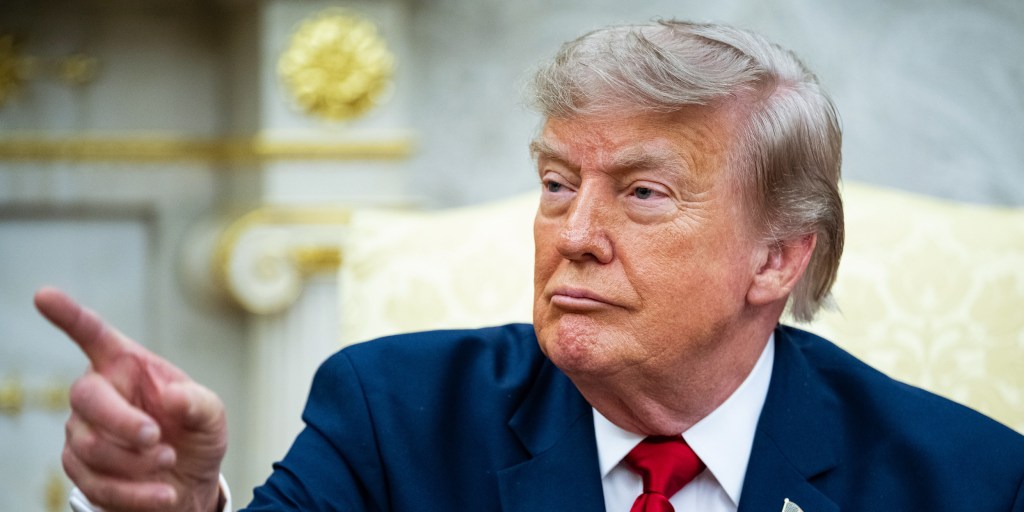
Trump, mentally measuring a 200-foot radius around the Oval Office to see how far the crime scene tape needs to go before he signs the mass pardon paperwork.
Donald Trump has discovered a bold new approach to public service: assume everyone around you is guilty and offer the loyalty program punch card of authoritarianism — commit 10 potential felonies, get one free pardon. In a Time interview, he cheerfully floated preemptive pardons for his administration before leaving office, then tried to launder it through, "But Biden did it," as though protecting people from his promised revenge campaign is the same as giving your own cronies a get-out-of-indictment-free card.
Trump reportedly told aides he'd "pardon everyone who has come within 200 feet of the Oval," which is a curious radius unless you’re quietly admitting that proximity to your presidency is a known carcinogen for criminal liability. He’s even fantasizing about a farewell press conference where he announces mass pardons like he’s dropping a new merch line. Meanwhile, Democrats are out here talking about healthcare and Medicaid while Trump is workshopping an Amnesty for My Henchmen package and promising, "They'll probably go after me and I'll go after them," because nothing says "constitutional republic" like open threats of mutual legal destruction.
This is, of course, on top of the roughly 1,500 Jan. 6 defendants he already pardoned on Day One of Term Two, plus another 170 assorted beneficiaries of his mercy for the well-connected. And we’re all supposed to pretend this is just routine executive clemency, not the sitting president pre-announcing that his administration is such a legal hazard it needs a mass prophylactic pardon. The message from Trump’s America is clear: law and order is for you; immunity packages are for the people who help break it.
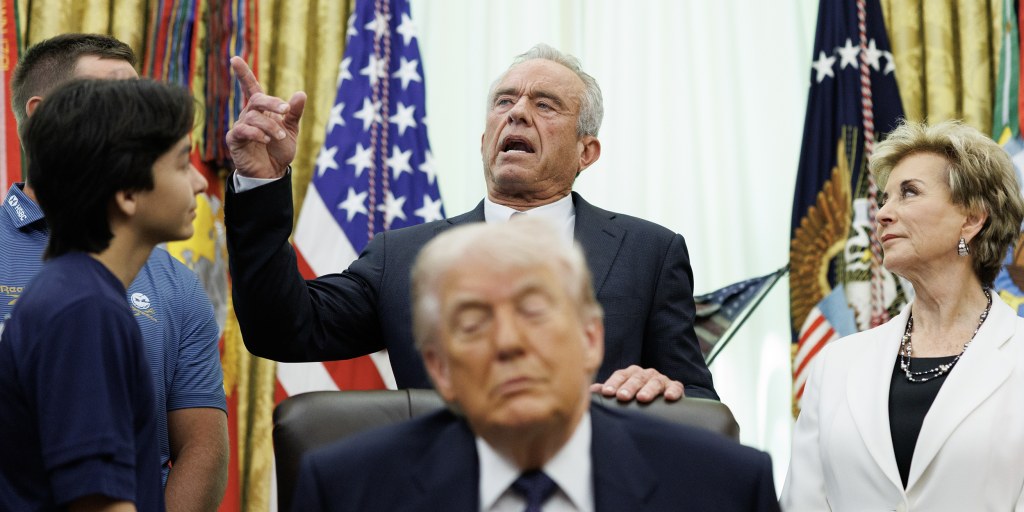
Robert F. Kennedy Jr. demonstrates the proper form for a pushup while American public health does a faceplant off-screen.
Health Secretary Robert F. Kennedy Jr. is rolling out a $10 million national contest to push schools into reviving the Presidential Fitness Test, the nostalgic rite of passage where America’s children learned that nothing builds lifelong love of exercise like publicly failing pushups in front of their entire class. Trump brought the test back by executive order last year, but currently only 161 schools on U.S. military bases are actually required to do it, so the administration is now dangling millions in federal prize money to get more districts on board. Policy by sweepstakes: very on-brand.
Instead of funding, say, universal recess, safe routes to school, or, wild thought, healthy food, HHS will hand out $7 million to schools that “demonstrate effective ways” to implement the test, plus another $3 million in gear and vouchers so kids can fail their mile run on nicer equipment. Experts point out that the test isn’t a real measure of health and mostly sorts kids into winners and losers based on narrow athletic skills. So naturally, Kennedy is obsessed with it, denouncing the Obama-era shift to a more holistic, less-shaming program and insisting kids must learn to “win and lose” if America wants to be globally competitive. Because nothing says geopolitical strength like a 6th grader dry-heaving through shuttle runs.
Kennedy and Defense Secretary Pete Hegseth have already turned this into a personal bro-fitness brand, complete with a Pentagon pushup/pullup showdown video, while Trump promises a “golden age for American sports” ahead of the 2028 Olympics. Meanwhile, actual public health experts quietly note that only about a quarter of kids get the recommended daily activity, that the old test incentivizes humiliation more than movement, and that most children will never hit the Presidential Award benchmarks. But why invest in sustainable, inclusive fitness when you can resurrect a 1960s gym-class hazing ritual, slap a presidential seal on it, and call it policy?
Former Olympian Davey Hearn leaving court after beating the rare D.C. felony of ‘making Donald Trump mad near a national monument.’
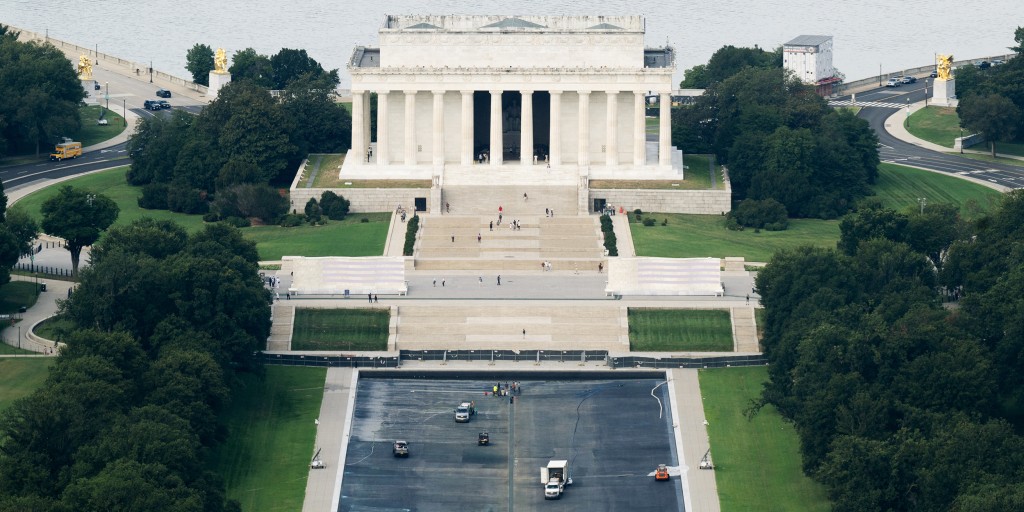
The D.C. Superior Court just did what the Department of Justice apparently cannot: it told Jeanine Pirro’s office to stop harassing an Olympic canoeist to make Donald Trump feel big and strong. Judge Todd Edelman dismissed the so-called Reflecting Pool case against Davey Hearn with prejudice, permanently banning Pirro’s shop from trying to resurrect their zombie felony. Tiny problem for the government: their own evidence shows the part of the Reflecting Pool Hearn allegedly touched was already damaged and they can’t prove even $1,000 in new damage — which is usually the point where normal prosecutors stop, say "never mind," and go do real crimes.
Instead, Pirro’s office tried to keep the option of a "theoretical" future case alive, like a law school exam question with a grudge. When the judge repeatedly asked the government’s lawyer for one plausible scenario where this turkey could walk again, he had nothing. No new facts, no pending investigation, just the vague hope that if they stare at the water long enough, a felony will appear.
Hovering over all this is Trump’s pressure campaign: he publicly demanded Hearn’s prosecution and explicitly tied it to Hearn’s and his lawyer Norm Eisen’s politics, while Pirro’s office rushed a bad case through a grand jury that somehow greenlit it anyway. Hearn’s attorney called it what it is: an abuse of prosecutorial discretion done to please the president, with the grand jury process turned into a rubber stamp for presidential tantrums. The government, with a straight face, insists it "acted in good faith" — which is a bold claim for an office trying to keep a discredited felony on life support after admitting it can’t be revived.
So the scorecard: the Reflecting Pool is fine, the evidence is garbage, the case is dead forever, and a judge had to slap down a U.S. Attorney’s Office because it tried to weaponize criminal charges for Trump’s political vendettas. American institutions are definitely not under strain when a court has to bar the government from ever trying this nonsense again.

ICE agents escort a man at dawn, bravely protecting America from the existential threat of ‘other’ on a government spreadsheet.
Trump and JD Vance have cracked the code of public safety: if you deport enough brown people and basic statistical literacy, you can just declare victory over crime. Never mind that the historic drop in homicides started in 2023 under Biden, or that experts keep patiently explaining there’s no evidence linking mass deportations to lower crime. The White House line is simple: the border is "the most secure in the world" and crime is down because they chucked "the bad guys" out — a bold claim, especially given that reality is doing the opposite of backing them up.
Researchers and the administration’s own data keep rudely intruding. More than 75% of people shoved into deportation proceedings for the first time had no criminal convictions, and out of 18,400 people arrested by ICE, a grand total of 34 had homicide convictions. The top "crimes"? Illegal re-entry, DUI, and a helpful catch-all called "other" — truly the stuff of national collapse. Meanwhile, the federal government admits it doesn’t even systematically track immigration status for people in prisons and jails, but that hasn’t stopped Trumpworld from confidently announcing that deportations saved America.
Instead of evidence, the administration does what it always does: grab a few horrific individual cases, strip them of context, and build an entire deportation industrial complex around them. Law professor Pratheepan Gulasekaram calls the claims "specious" in a "fact-free world" — which, coincidentally, is exactly where Trump, Vance, and Gun Owners of America are campaigning. The real policy here isn’t public safety; it’s weaponized xenophobia dressed up as crime control, with immigrants as the permanent scapegoats and a compliant base happily "imbibing" whatever nonsense the White House serves as long as it comes with a side of cruelty.
So yes, homicide is down. No, Trump’s mass deportation theater didn’t do it. But why let data, timelines, or basic honesty get in the way when you can run on “we made you safe by throwing people out” and hope voters never notice that the only thing being aggressively removed from the country is the truth.
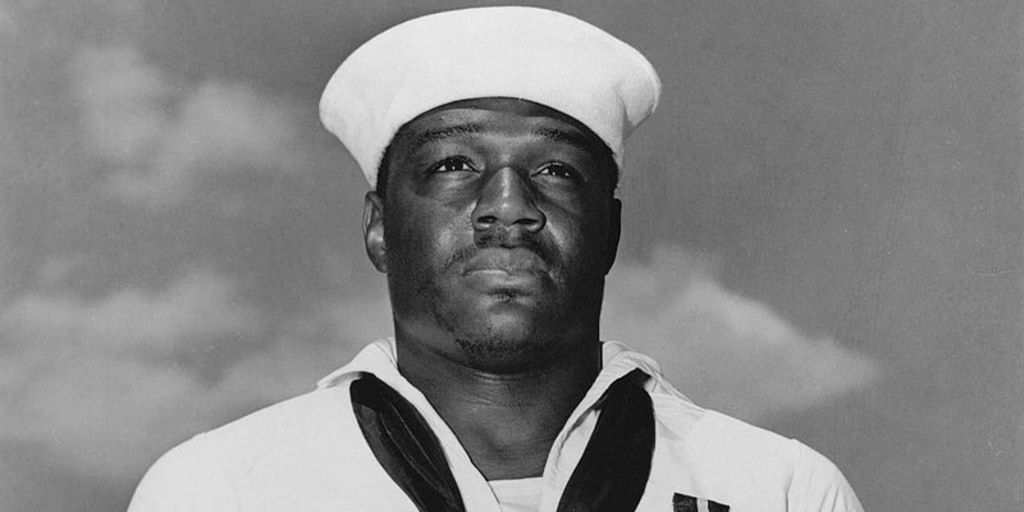
Artist’s rendering of the USS Doris Miller, pending rebrand to USS Please Clap For Me, I’m Very Brave.
The Trump administration has apparently decided that actually honoring a Black enlisted war hero is less important than feeding Dear Leader’s branding addiction. The Navy had already planned to name a new aircraft carrier the USS Doris Miller, after the mess attendant who grabbed an anti-aircraft gun during Pearl Harbor, shot down Japanese planes without training, and dragged wounded sailors to safety while his own country’s racism kept him out of combat roles. Naturally, the new idea is to just chuck all that and rename the ship after Donald Trump, a man whose bravest military moment was surviving the Vietnam draft with bone spurs and a good lawyer.
Sen. Cory Booker is introducing three bills to stop this little act of historical vandalism, including one that bans federal funds from being used to rename the ship and another that blocks future presidents and vice presidents from naming warships after themselves while still in office. Because apparently we now need federal legislation to stop a sitting president from slapping his own name on a 100,000-ton warship like it’s a New Jersey casino. Defense Secretary Pete Hegseth and acting Navy Secretary Hung Cao will make the final call, which means the fate of the first carrier named after a Black service member now depends on whether the MAGA Pentagon chooses actual heroism or full cult-of-personality cosplay.
Booker calls the plan what it is: an attempt to erase Doris Miller from history to make room for Trump’s ego. The Pentagon is reportedly even gaming out a way to "justify" the rename by upgrading Miller to a Medal of Honor so they can bump him down to a destroyer instead, because nothing says "we respect your service" like demoting your legacy so a historically illiterate TV landlord can park his name on the big ship. American exceptionalism now comes with a branding guide and a licensing agreement.
The Supreme Court has graciously agreed to decide whether the president can just lock people up indefinitely for the crime of existing in the wrong paperwork category. Trump’s team is arguing it can detain people without bond if they’re found to be in the country unlawfully, even if they’ve been living here for years — because nothing screams limited government like giving the executive branch a blank check to warehouse human beings.
Rather than focusing on, say, violent offenders, the policy treats long‑time residents like they’re auditioning for a reboot of Ellis Island, but with fewer rights and more fluorescent lighting. The justices will now get to decide whether due process still applies to immigrants or whether the administration can convert civil immigration violations into a sort of constitutional black hole. If the Court signs off, “land of the free” becomes more of a situational guideline than an actual promise.

Artist’s rendering of American energy policy: two giant money hoses aimed at a very nervous Congressperson.
Renewable energy investors have decided that if Republicans are going to auction off climate policy, they might as well be the winning bidders. The "Invest in Tomorrow Coalition PAC" is dropping $15 million on seven Republicans — including Lauren Boebert, Scott Perry, and Victoria Spartz — whose big crime was voting to kill Biden-era renewable energy incentives in districts Trump won by double digits. Nothing says vibrant democracy like an industry openly announcing it will financially hunt down any politician who crosses it.
The PAC’s chair, solar CEO Tom Matzzie, helpfully spelled out the business model: "No matter how safe you think your seat is, if you politicize our industry, we will come for you and we will win." Subtle. The group already helped take out Chip Roy and Ralph Norman in statewide bids, dumped $2 million on Andy Ogles (even after a Trump rally cameo), and collateral-damaged Rhode Island’s Democratic governor Dan McKee just to show this is a bipartisan protection racket. The message to Congress is clear: you can serve fossil fuel billionaires or renewable energy billionaires, but either way, you work for billionaires.
Chuck Schumer is out here declaring that Democrats are "on the edge of taking back the Senate," which is a poetic way of saying, after two years of Trump lighting institutions on fire, voters might finally be tired of the smoke. Rising prices, nonstop partisan warfare, and a president who treats the rule of law like an optional Terms of Service box have apparently nudged the electorate toward the radical concept of "maybe fewer arsonists in charge."
Republicans, of course, have spent the last two years rubber-stamping judges, shrugging at corruption, and pretending that governance is just Fox News but with worse lighting. Now Schumer says Democrats have "the wind at our backs" heading into October, which is generous considering half the country is just trying to survive the Trump era without losing their savings, health care, or basic civil rights. Call it optimism, or call it the political equivalent of seeing a life raft while the captain keeps drilling holes in the hull.
So here we are: Trump’s America has delivered higher prices, deeper divisions, and a Senate map so bad for Republicans that even Chuck Schumer feels comfortable talking out loud about it. If Democrats do claw their way back to a majority, it won’t be because the system is working beautifully — it’ll be because the ongoing experiment in what if we let the most corrupt, incompetent people run everything is finally starting to poll badly.
Washington has finally rediscovered bipartisanship, and—shocker—it’s to make it easier for every energy interest under the sun (and deep under the shale) to build stuff while environmental safeguards get put on the Jenny Craig plan. A 417-page Senate permitting bill backed by top Republicans, Democrats, the White House, oil, gas, coal, and renewables is here to streamline things, which is D.C. code for: shorten lawsuits, shrink reviews under the Clean Water Act and NEPA, and hand more siting power to the feds so pesky locals and courts stop harshing the vibes.
Business groups are ecstatic, climate left groups are screaming "fossil fuel giveaway," and the big green outfits are doing their usual tortured "we like the transmission bits but this could also be a flaming rollback" dance. NRDC and Evergreen Action are out here writing book reports about how the transmission goodies might or might not outweigh the parts that quietly sandblast environmental law. Meanwhile, the bill bravely ensures utility ratepayers won’t foot the bill for grid upgrades needed for AI data centers—because if there’s one vulnerable population Congress must protect, it’s the companies training Skynet.
Sen. Sheldon Whitehouse is trying to sell this as a reasonable starting point while acknowledging "unresolved" questions about whether Trump officials will ever treat wind and solar like something other than Antifa with turbines. House Democrat Jared Huffman is already promising they’ll totally fix it later, after the election, next Congress, cross their hearts. The odds of a big permitting deal are the best they’ve been in years, Axios notes—an exciting development if you’re a pipeline lawyer, a data center billionaire, or an administration that really prefers projects the public can’t slow down with lawsuits or full environmental reviews.
Congress, that famously overworked institution, has decided that actually passing laws can wait until after the election vibes settle. Majority Leader John Thune is marching the Senate out of Washington for a multiweek recess while casually leaving a fully loaded to-do list on the kitchen counter: the farm bill, FISA reauthorization, the annual defense bill, and all twelve appropriations bills. You know, the minor stuff like "how we spy on people," "how we feed people," and "whether the government has money."
Instead of doing their jobs before the midterms, the plan is to shove everything into a lame-duck crunch session, where accountability goes to die and lobbyists write half the text while everyone pretends this is normal. Trump, naturally, isn’t sticking around to demand competence; he’s off to Texas and Oklahoma to campaign like a man whose entire political project depends on chaos, manufactured crises, and a government that never quite works on purpose. Governing is postponed. Campaigning, though? Always right on schedule.
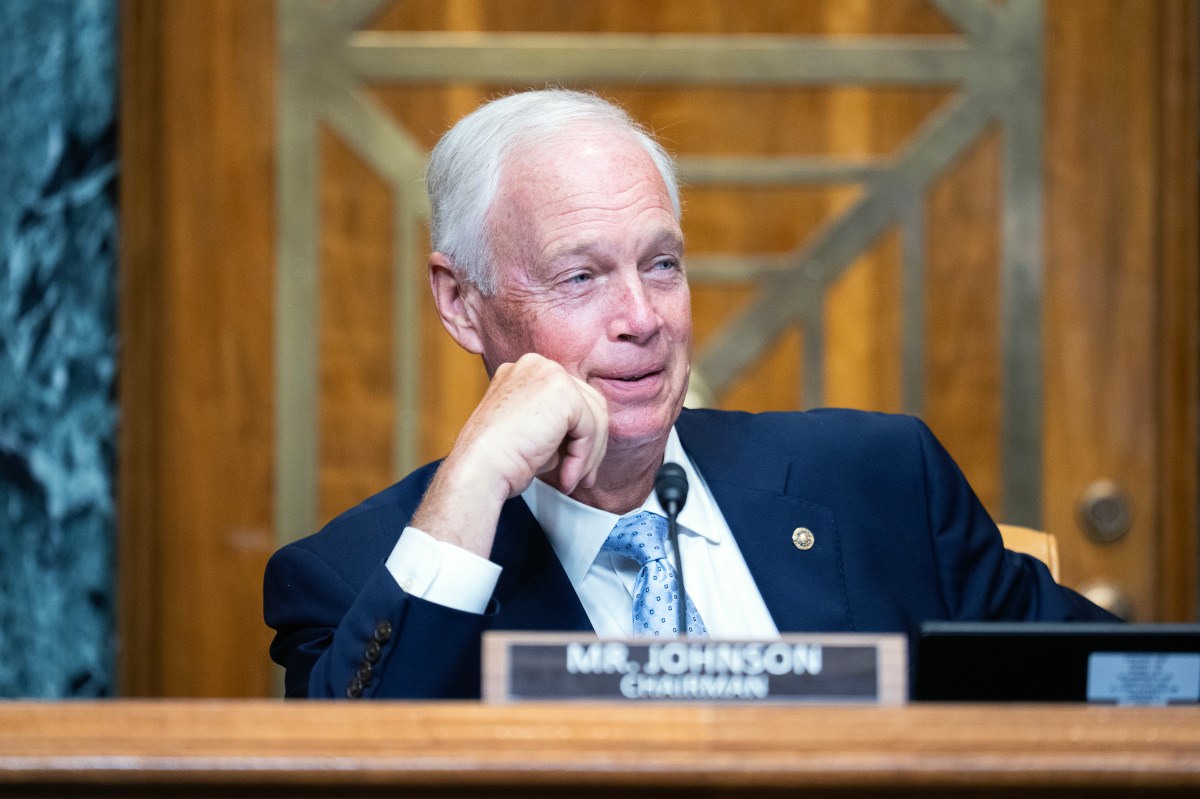
Russ Vought, casually beta-testing the "what if Congress just didn’t matter" feature of American democracy.
The Trump White House decided that nearly a billion dollars Congress already appropriated and Trump already signed into law was simply too woke to exist, so OMB director Russ Vought is trying another "pocket rescission" scam to not spend it at all. You know, that boring little constitutional thing where Congress controls the money? Vought’s treating it like a Terms of Service pop-up he can just click past while he zeroes out programs that help immigrants or look suspiciously like "DEI."
Senate Democrats tried to slam the door on this by unanimous consent, which meant it only took one brave Republican to stand up and say, "Actually, I’m fine with the president stealing Congress’ lunch money." Enter Sen. Ron Johnson, who dutifully objected, mumbled that all spending should be cut anyway, and declared the impoundment law "vague" so the Supreme Court can swoop in and rubber-stamp the power grab. The Court, ever eager to see how far a president can go before we just admit we’ve abolished Congress, has already signaled it’s open to Vought’s theory.
Having just watched one of its core constitutional powers get kneecapped by its own members, the Senate responded with all the urgency of a coma patient: it adjourned until the midterms. The executive branch is actively sawing through the separation-of-powers floorboards, and Congress’ plan is to come back after voters decide whether they’d like even less oversight next time.
