East Potomac Golf Course, seen here after the Trump administration’s idea of “landscape rehabilitation”: fewer trees, more authoritarian vibes.
The Trump administration decided Washington, D.C. didn’t have enough concrete, so the National Park Service spent Saturday turning East Potomac Golf Links into a giant stump museum — felling hundreds of trees on a historic public course as part of Trump’s grand plan to remodel it to his liking. They called it a “tree management and cultural landscape rehabilitation project,” which is a very elegant way of saying “we clear-cut the place so the guy in charge can have nicer fairways.”
There was one tiny problem: U.S. District Judge Ana Reyes had already told them, repeatedly, to give the court and preservation groups advance notice before doing anything drastic. So DOJ helpfully filed notice late Friday, then sent in the chainsaws Saturday. By Monday, Reyes spent nearly four hours roasting Justice Department lawyer Marissa Piropato for this stunt, telling her, “You did not do your best. You did your absolute worst,” and flatly declaring that the government had “lost credibility.” When a federal judge is talking to DOJ like a disappointed middle-school principal, things are going amazing.
Reyes has now ordered a two-week halt on any further tree removals and demanded that Interior and NPS brass — including the superintendent of the National Mall, the NPS acting director, and a deputy chief of staff at Interior — show up and explain who greenlit turning 430 trees into mulch over a weekend. So the administration managed to convert a public park, a federal agency, and the Justice Department into accessories for Trump’s golf vanity — and still couldn’t follow the basic rule of “tell the judge before you start swinging the axe.” Government by golf cart continues to deliver.
Reporters asked Trump’s brand-new press secretary Katie Zacharia a softball: where did you pass the bar exam? She responded that she passed it "when [she] moved to China," which is a fun answer because China does not exactly have a U.S.-style bar exam you can just casually pick up between dumpling runs. The follow-up questions practically wrote themselves, but the White House apparently thinks geography, licensing regimes, and basic credibility are all deep-state plots.
This is the natural endpoint of the Trump hiring philosophy: find the one lawyer who can make Alina Habba look overqualified, hand her the keys to the briefing room, and hope nobody notices that the administration’s chief spokesperson is playing Mad Libs with her own professional history. Of course the person tasked with defending Trump’s legal and ethical record can’t give a straight answer about her own. Why break the streak now?
Instead of a press secretary, the country now has a walking LinkedIn red flag standing next to the former president on the South Lawn, getting ready to board a plane to Alaska and explain to voters that up is down, losing is winning, and "passing the bar in China" is a perfectly normal thing U.S. attorneys do all the time. It’s less a communications operation and more an ongoing experiment in how far you can stretch reality before it snaps.
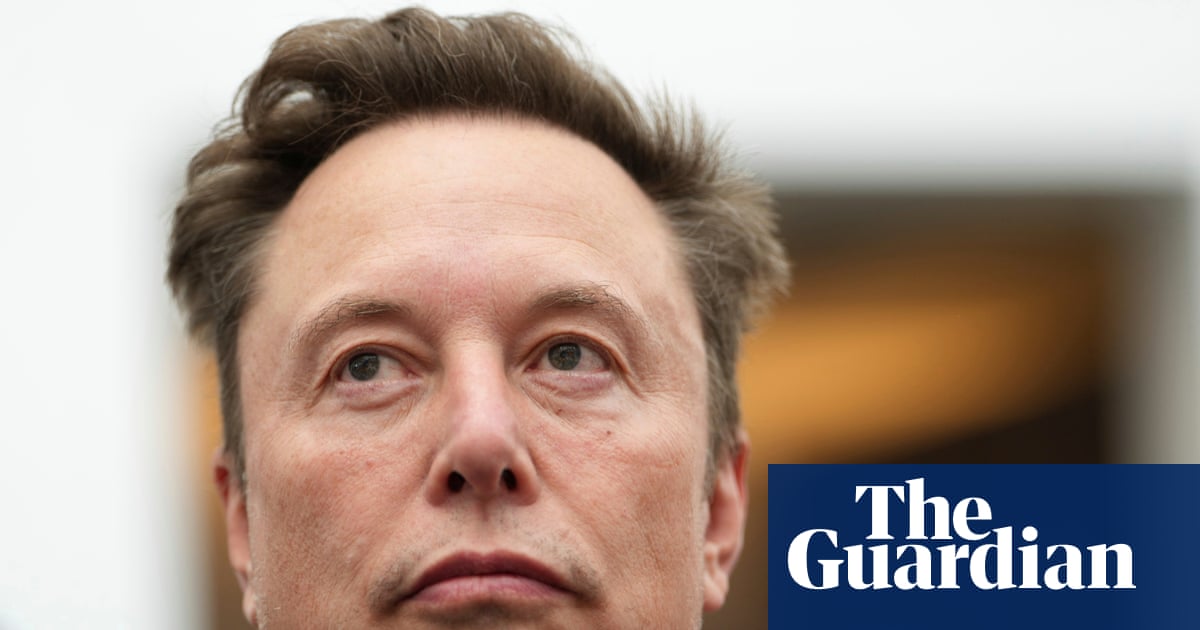
Elon Musk, pausing briefly between posting transphobic memes and breaking labor laws, contemplates which Senate seat to buy next with the change he found between his Mars rockets.
America’s favorite apartheid heir has decided that representative democracy was getting a little too representative, so Elon Musk is back to speedrunning oligarchy with a cool $366 million in midterm spending. After briefly pretending he’d step away from politics because his "Department of Government Efficiency" (DOGE) face-planted and he had a soap-opera breakup with Trump, Musk is now the cycle’s biggest political donor, carpet-bombing key races that decide who controls the US Senate.
Musk is shoveling cash into a maze of Super PACs and dark-money funhouses: $158 million to the Senate Leadership Fund, $76 million to his own America PAC, plus fat checks to the Congressional Leadership Fund and the Republican Governors Association. He’s even tossing $10 million at Texas’s Ken Paxton — yes, the indicted, coup-curious one — because why wouldn’t the world’s richest man invest in a walking ethics violation? A bit also went to Kentucky Senate hopeful Nate Morris, who dropped out to become ambassador to Colombia, proving that in this system, losing is just winning with a State Department badge.
The content Musk is funding is exactly what you’d expect from a guy who treats X like his personal fascist Tumblr: anti-trans hate, "Democrats are radical socialists" fearmongering, and election disinfo packaged as freedom memes. He’s amplifying smear ads from America PAC while using his platform to target opponents and attack trans rights, all while the press notes that $366 million is less than 0.04% of his net worth. For Musk, buying a Senate is basically the tip jar. For everyone else, it’s another reminder that US elections now function like an in-app purchase for bored billionaires.
Donald Trump announced an "energy ceasefire" between Russia and Ukraine, which appears to exist only in the same reality where Mexico paid for the wall and COVID vanished by Easter. Less than 24 hours later, Russia kept right on launching missiles and drones at Ukraine’s energy grid, and the president’s response was to suggest that, actually, "they’re both a little off" — the diplomatic equivalent of watching an arsonist torch an apartment building and scolding the tenants for complaining too loudly.
Instead of condemning Russia for hammering civilian infrastructure during a brutal war, Trump defaulted to his favorite setting: both-sidesing a nuclear-armed aggressor and the country being invaded. Having just bragged that he personally secured a ceasefire that clearly does not exist, he’s now half-defending the ongoing strikes by implying Ukraine had it coming because it also hit targets. The message to Moscow is clear: you can keep bombing, he’ll keep muddying the waters, and American foreign policy is now whatever Trump blurts out between golf rounds.
This isn’t diplomacy; it’s geopolitical improv with a man who thinks international law is a reality show suggestion. While Ukraine scrambles to keep the lights on and civilians alive, the U.S. president is out here treating Russia’s attacks like a minor lovers’ spat where "both sides" just need to calm down. America’s security guarantees and moral high ground have entered the chat, only to be immediately blocked by their own commander in chief.
Europe looked at Donald Trump’s "hit China with tariffs until something breaks" strategy and apparently decided that having a plan might be worth a try. Brussels just cut a preliminary deal with Beijing to cap Chinese hybrid and plug‑in hybrid car exports at 350,000 a year, slamming the brakes on shipments that were barreling toward 800,000. Anything over the quota doesn’t get a tariff; it just doesn’t get in. Imagine that: using rules instead of rage-tweeted trade wars.
As France and Germany suddenly discover that maybe giving the EU actual power over trade policy is a good idea, everyone quietly admits what Ursula von der Leyen said out loud: the "second China shock" isn’t looming, it’s already parked in the driveway with the engine running. The U.S. is begging allies to form a united front on China’s industrial overcapacity, while Europe is busy carving out a deal that protects its own automakers and punts the pain onto other sectors and countries. So yes, Trump’s old tariff theatrics are being replaced with something more technocratic — but the underlying game is the same: scramble to manage the fallout from China’s export machine while pretending this is all 4‑D chess and not a slow‑motion global policy faceplant.
Economists are already pointing out that EU hybrid makers will win at the expense of other European manufacturers, which is a fun way of saying "we’ve moved from random Trump trade damage to targeted trade damage." The pressure on global manufacturing isn’t going anywhere; we’ve just swapped one man’s tariff tantrum for a Brussels committee deciding who gets hit with the bat. Tremendous progress.
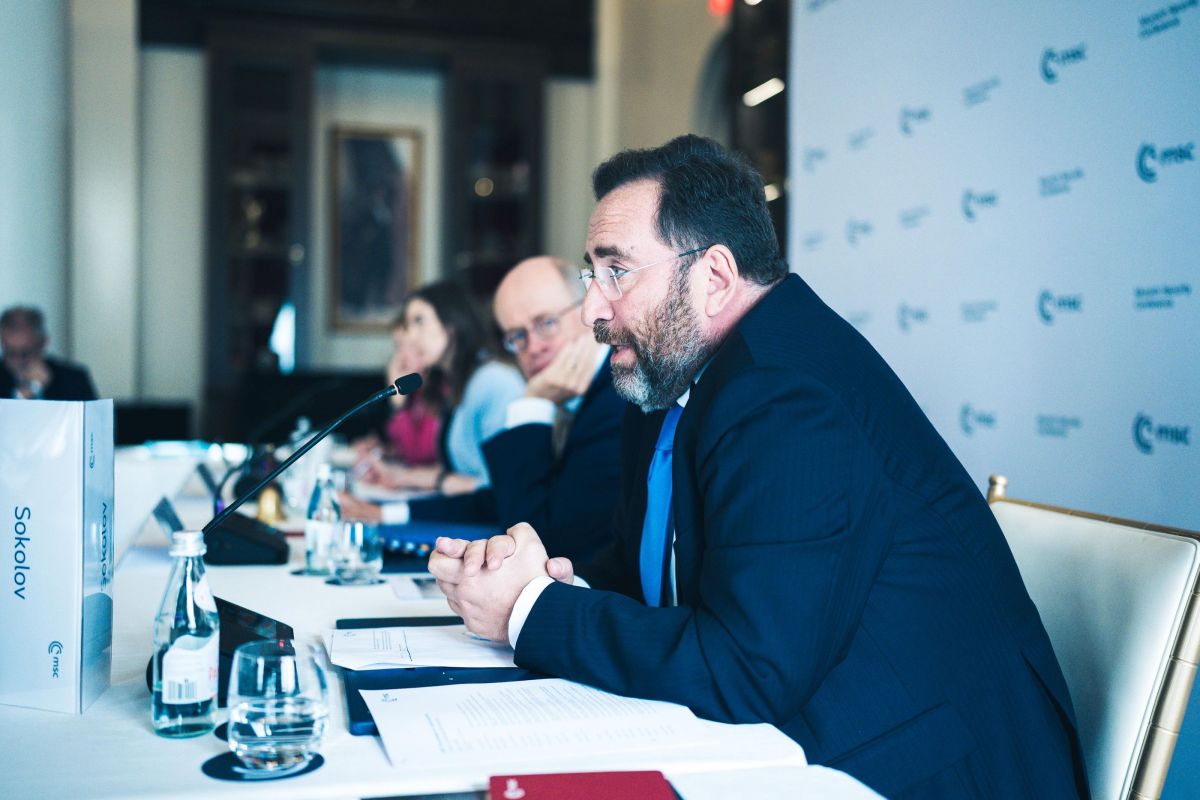
Pictured: the exact amount of paperwork Treasury apparently needs before handing a Kremlin-adjacent ballroom donor a hall pass around Russia sanctions.
Konstantin A. Sokolov donates to Trump’s gaudy White House ballroom and, as if by magic, a company he manages gets a remarkably fast-track Treasury license to do business with a Russian bank that’s literally described as a “critical artery” of Putin’s war machine. OFAC, which normally moves at the speed of a DMV in a snowstorm, suddenly processes a Russia-sanctions waiver in about ten weeks so Sokolov’s firm can snap up a major Armenian copper mine from sanctioned VTB Bank. Truly inspiring what a well-timed check and a love of chandeliers can do for bureaucratic efficiency.
The Trump administration then decides this previously low-profile donor with a thin paper trail and links to an Oleg Deripaska-adjacent business partner is the perfect guy to run a $201 million U.S. taxpayer-funded Trans-Caspian enterprise fund in the Caucasus. That fund’s supposed to secure critical raw materials for microchips and AI data centers, and Sokolov just happens to also be building up his own private investments in Armenia — including the country’s second-largest copper mine. Ethics experts call this a conflict of interest; Team Trump calls it Tuesday.
Meanwhile, Sokolov goes from donating $3,600 to Obama in 2008 to dropping over $14 million on Republican causes in the second Trump term, including $12 million to MAGA Inc. and six-figure love notes to Susan Collins and Pete Ricketts. He chairs a Gibraltar data-center project whose rep meets with Donald Trump Jr., then convenes meetings about foreign investments tied to Don Jr.’s 1789 Capital. No one will say what, if anything, came out of it, but when a sanctions-waivered, Kremlin-adjacent mega-donor is both steering U.S. public money and circling business with the president’s son, something is definitely being invested in — even if it’s just the final liquidation of U.S. anti-corruption pretenses.
So to recap: a mystery financier with Russian and Chinese-adjacent ties, a ballroom donation, a lightning-fast sanctions waiver, a $201 million public fund in a strategically sensitive region he’s personally investing in, and quiet meetings about Don Jr.’s VC shop. It’s less “American foreign policy” and more “oligarch loyalty program with bonus miles for undermining sanctions and ethics laws.”
Sherrod Brown, who once voted twice to convict Trump for trying to extort Ukraine and then for inciting an insurrection, is now out here on the 2026 campaign trail promising that if Democrats win back Congress, he absolutely, definitely, pinky-swears will not support impeaching President Trump again. Accountability is so 2021; the hot new thing is telling a twice-impeached, multiply-indicted authoritarian he has nothing to worry about if he tries a third season of "Crimes From the Oval."
Brown is in a tough race to crawl back into the Senate, and apparently the big strategic insight is: reassure swing voters that Democrats have retired the concept of consequences. Having previously argued that Trump was too dangerous to stay in office, he's now auditioning for the role of "I’ve Learned My Lesson" moderate, signaling that no matter what Trump does in his encore term, the impeachment fire alarm will remain firmly encased in glass. The message to Trump and every future strongman is crystal clear: once you break the system badly enough, even your former critics will campaign on promising to never flip the circuit breaker again.
This is how the bar drops from "no one is above the law" to "we already tried that and it polled weird," and why every aspiring autocrat takes notes when Democrats preemptively rule out the only constitutional tool they have left. Trump spent years proving that impunity is addictive; Sherrod Brown is now offering the refill.
A man dressed as Sean Duffy pretends to erase bike lanes with a giant pencil, perfectly capturing the administration’s transportation strategy: cosplay governance, prop-based policymaking, and absolutely no interest in the people who end up under actual cars.
Sean Duffy, the former Fox News guy now LARPing as US transportation secretary, has decided the real threat on America’s roads isn’t speeding, reckless driving, or 36,640 people dying in crashes in 2025 – it’s “DEI bike lanes.” So USDOT has started quietly deleting science-based safety guidance from federal websites like a teenager scrubbing their browser history. Out go bike lanes, road diets, speed cameras, and variable speed limits from the Federal Highway Administration’s list of “proven safety countermeasures.” In comes a glorious new era where safety is only a benefit the agency “may include” in decisions, “to the extent practicable.” Which is a very bureaucratic way of saying: we’ll think about not killing you, if it doesn’t harsh the vibes of the car lobby.
Instead of listening to the people who spent decades reducing traffic deaths, Duffy is listening to MAGA Facebook comments. He boasts about diverting $1.73 billion away from supposed “Biden DEI pet projects” and into more roads, bridges, and ports – because nothing says safety like wider, faster car sewers and absolutely no tools to slow anyone down. Experts are pointing out that the US already massively underperforms other wealthy countries on road deaths, but the Trump administration’s response is to wage culture war on bikes and pedestrians, then delete the evidence that safer design works. The official line is that they’re “committed to making our roadways safer”; the actual policy is making sure the only protected class on American streets is 4,000-pound vehicles.
So now, pages on pedestrian and cyclist safety have vanished, proven countermeasures are memory-holed, and the department is building policy around rightwing, car-brained grievance politics instead of research. It’s not transportation so much as a federally funded loyalty test to auto supremacy: if you’re not in a car, you’re a prop in Sean Duffy’s war on “woke.” The Trump team has managed to turn basic road safety into another front in the culture war – and if a few thousand extra people die to own the cyclists, well, that’s just the cost of freedom, right?
Supreme Court justices bravely considering whether rice and beans are now a Schedule I terrorist substance.
The Trump administration has asked the Supreme Court to answer a crucial question for national security: is cooking three meals a day under duress now terrorism? Meet Izuchukwu Ozurumba, a Nigerian man who says he unknowingly took a job as a camp cook, later realized it was run by a separatist group called the Unknown Gunmen, escaped, fled to the U.S., and asked for asylum after they allegedly threatened to kill him. An immigration judge looked at a guy cooking food for six months — half of it unpaid — and concluded he had provided "material support" to terrorists, so obviously, deport him.
Ozurumba was kicked out of the country in April 2025, but his case lived on, and the 4th Circuit eventually ruled that cooking under these circumstances does not make you the sous-chef of global jihad. The Trump administration, never one to miss a chance to weaponize the asylum system, ran straight to the Supreme Court to argue that yes, actually, it does. Because if there’s one thing this White House hates more than migrants, it’s the idea that someone fleeing armed groups shouldn’t also be permanently branded a terrorist for trying not to starve.
Now the justices will spend their time parsing whether feeding people in a militant-run camp turns you into a terrorist collaborator, while the administration simultaneously pushes another case to keep a broad block on asylum claims at the southern border. The message is clear: if armed groups in your country force you to work for them, Trump’s America will make sure you get punished twice — once at home, and once at the border. Bon appétit.
The Trump-era vision of America: a vast flowchart where every path for immigrants leads to a cage and a Supreme Court docket.
Donald Trump has decided that what America really needs is the "broadest mass-detention-without-bond mandate in our nation’s history" — that’s not an ACLU press release, that’s how Trump-appointed Judge Joseph Bianco described the administration’s own policy. ICE, following a July 2025 memo, now treats anyone who ever crossed the border without inspection — including people who’ve lived here peacefully for decades, run small businesses, raised U.S.-citizen kids, and have no criminal record — as if they just walked up to a port of entry yesterday. Result: no bond hearings, indefinite jail, and a federal court system buried under tens of thousands of habeas petitions because even immigration courts weren’t allowed to, you know, judge anything.
The numbers are so bad even math is offended. Out of at least 24,100 federal rulings on immigration detention, judges across the spectrum have smacked down Trump’s scheme more than 85% of the time. Nine of the eleven numbered circuits have told the administration to sit down and read the statute like adults. Judges are openly comparing this to Japanese internment and the Geary Act’s hard-labor regime for Chinese immigrants — and then noting that those shameful policies were actually narrower than what Trump is demanding they pretend Congress secretly authorized thirty years ago with some "ambiguous" wording.
Naturally, when hundreds of judges say "absolutely not," the Trump White House runs crying to its favorite branch of government: the Supreme Court it spent years packing. The case of Ricardo Aparecido Barbosa da Cunha — a Brazilian dad, business owner, and asylum seeker who ICE tried to lock up without bond until a district court ordered his release — is now the test balloon for whether Trump can claim theoretical power to detain up to 6 million people without even a bond hearing. If the Court signs off, it’s not just an immigration policy; it’s a ready-made infrastructure for a future president to run a sprawling carceral state by memo. Call it "law and order," or just call it what it is: killing democracy by turning due process into an optional premium feature.
Eastern Air Express, proudly demonstrating that you can combine human rights concerns with questionable safety records and still land a fat ICE contract in Trump’s America.
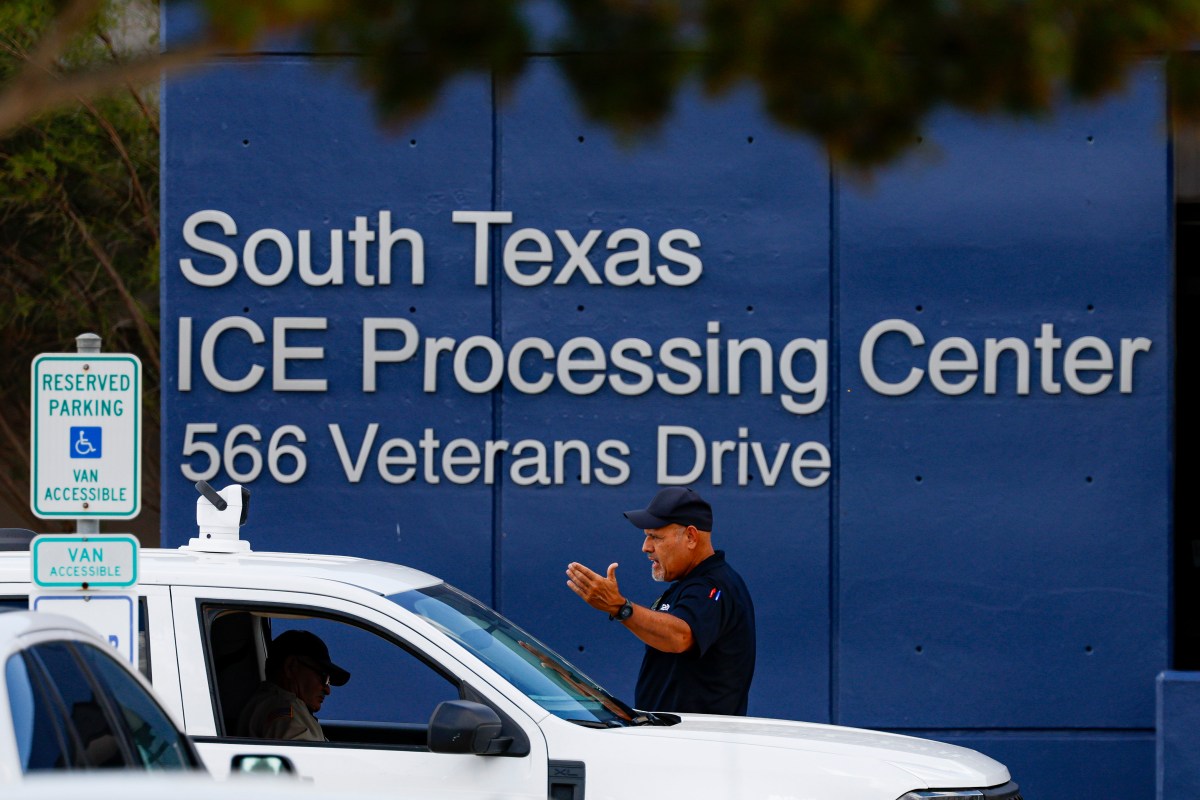
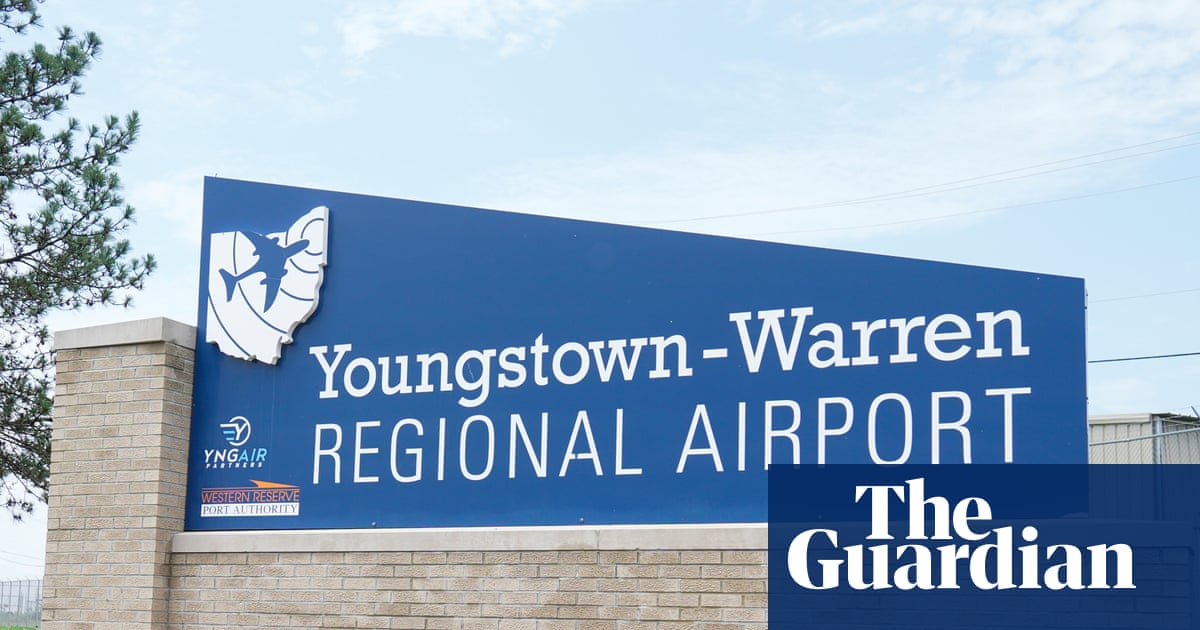
Northeast Ohio has apparently become the Ellis Island of deportation, except instead of welcoming people, Trump’s DHS is quietly disappearing them through half-abandoned regional airports that don’t even bother with commercial flights. Youngstown-Warren and Akron-Canton are now key hubs in the administration’s Great Lakes deportation machine, shuttling immigrants from Wisconsin, Michigan, Ohio and Massachusetts to Alexandria, Louisiana – home to a delightful cluster of ICE detention facilities repeatedly accused of human rights abuses and torture.
Because nothing screams confident, lawful governance like hiding your mass-removal operation in empty airports where, as a local monitor puts it, “no one’s here; no one knows.” Buses roll in from jails across the region, people are loaded onto charter planes, and off they go to Louisiana or even a tiny airport near Tapachula, Mexico, right by the Guatemalan border – just far enough away that Americans don’t have to see what their tax dollars are doing.
To round out the dystopia, one of ICE’s favorite contractors, Eastern Air Express, is now under scrutiny for safety issues after one of its planes at Akron-Canton managed to hit another one of its planes, which is certainly a choice when your passengers are shackled detainees with no say in whether they board. The FAA has already flagged the company for failing safety standards, but the Trump administration keeps handing them contracts, because when you’re running an opaque deportation pipeline, why not also gamble on flight safety? It’s not like the people on board are supposed to have rights or survive comfortably anyway.
Local residents and veterans are showing up to monitor these flights in person, trying to document what the government is deliberately burying in the quiet corners of the Rust Belt. The administration calls it enforcement. Everyone paying attention recognizes it as a sprawling, secretive removal infrastructure built on fear, outsourcing, and the hope that Americans are too busy to notice the deportation state being run out of their empty hometown airports.
Trump has apparently decided that the perfect pre-midterm message is: What if we made it easier for Russia to sell diesel into the U.S. market? The White House rolled out a surprise deal to let Russian diesel flow in, and even the Senate’s most reliable hand-wringers — Susan Collins, Lisa Murkowski, John Curtis, and Thom Tillis — are crawling out of their moderate cosplay to say, "uh, absolutely not."
Instead of backing the supposed bipartisan consensus on treating Russia like, you know, an adversary, Trump is over here opening a diesel drive-thru for the Kremlin. Sanctions? Strategic leverage? The whole "Russia invaded its neighbors and meddles in our elections" thing? All apparently negotiable if Vladimir Putin is willing to offer a good loyalty program on refined fuels. Senate Republicans are now stuck explaining to voters why their tough-on-Russia speeches keep getting set on fire by a guy who thinks geopolitics is a Black Friday sale at the gas pump.
The best part is watching the GOP pretend to be shocked. After eight years of defending Trump’s crush on Putin, they’ve arrived at the inevitable destination: the president openly cutting energy deals with Moscow while they issue strongly worded statements and hope no one notices they helped build this foreign policy clown car. America’s Russia strategy is now just vibes, diesel, and whatever Trump thinks will own the libs at the pump this week.
Americans have apparently looked at their insurance premiums, their pharmacy receipts, and their GoFundMe campaigns for chemo and decided: actually, yes, maybe the government should do something other than shovel tax cuts at Jared's friends. The Axios-Ipsos poll finds support for "Medicare for All" beating opposition almost 2-to-1, with two-thirds of respondents — and even half of Republicans — saying the federal government should spend more tax dollars to lower health care costs. When Republicans start flirting with socialized medicine, you know the private insurance death cult has really outdone itself.
The punchline: while people are begging for more government help, they trust the people currently running that government about as much as they'd trust Trump to manage their 401(k). Trust in Trump on health info is at a majestic 20%, RFK Jr. limps in at 25%, and Congress is right there in the gutter with them. So voters want Medicare for All, but they also think the clowns in charge would somehow turn it into a subscription service for ivermectin and NFTs. Incredible system we’ve got here: universal distrust, boutique-level prices, Dollar Store outcomes.
Republicans are split between "sure, I like not dying" and "I fear this will expand government, unlike the massive police state, surveillance, and forced-birth machinery I'm fine with." Meanwhile, half of respondents say they're less likely to back candidates funded by Big Pharma, which is adorable, because that describes roughly everyone in leadership. Voters are basically screaming: "Please expand subsidies, restore ACA tax credits, and crush drug prices" while Trump and RFK Jr. are out here mainlining culture war conspiracies and treating health policy like a podcast topic.
So three weeks before the midterms, the electorate is broke, furious, and ready to endorse something very close to single-payer — but they don't trust anyone in power not to screw it up. The Trump-RFK Jr. health care legacy in one sentence: they made Americans so desperate they're open to Medicare for All, and so cynical they assume it'll be run by the same people who told them bleach, hydroxychloroquine, and "natural immunity" were a comprehensive national strategy.
Trump, Mike Johnson, and a row of tech billionaires explain that the best way to control godlike AI is to trust the guys selling the shovels at the gold rush.
Geoffrey Hinton, one of the people who actually invented the thing, is out here saying AI could wipe out humanity with a 10–20% probability, and Donald Trump’s response is to shout the word “superintelligence” into microphones like he just learned a new Pokémon type. In a new interview, Hinton calls Trump a “corrupt, senile felon” whose fixation on the buzzword proves he doesn’t understand AI at all – which tracks, given this is the same guy who thought sharpies could edit hurricanes.
While Hinton talks about runaway AI agents, existential risk, and the basic math of “if there’s a 10% chance the bus explodes, maybe don’t get on the bus,” Trump is busy staging West Wing photo-ops with Nvidia CEO Jensen Huang and other tech barons whose business model is literally “floor it and hope the brakes are optional.” Huang dismisses Hinton’s extinction concerns as “not grounded on science” and “hurtful,” because the real victim in a potential human die-off is, of course, the GPU share price. The administration’s idea of AI governance appears to be: let the companies building the doomsday machine write the safety rules, then hold a press conference about how tough and smart they are.
Hinton’s core point is painfully simple: we don’t actually know what frontier AI will do, and if it goes wrong at scale, there’s no reset button. Trump’s core point is also simple: he likes saying “superintelligence” on TV and standing next to trillion-dollar CEOs who pretend he’s in charge. One side is talking about irreversible systemic risk; the other is treating civilization’s fate like another branding opportunity between court dates.
Democracy, brought to you by our sponsors: war, gerrymandering, and a billion dollars in attack ads.
Trump staggers into the 2026 midterms with a 37% approval rating, a war with Iran that blew up gas prices, and a Congress barely held together with one independent and a prayer. Naturally, the plan is not "change course" but "buy more ads". Republicans are clinging to a one-seat House majority and a slightly sturdier Senate edge, while Democrats look at decades of midterm history and Trump’s numbers and think, "this seems winnable, which is usually where they go wrong".
On the House side, control of the chamber could come down to just 21 competitive districts, because years of gerrymandering mean most Americans live in districts where elections are more ritual than choice. In the Senate, Democrats have to thread a needle that runs through Michigan, Alaska, Iowa, Ohio and even Texas — where Ken Paxton, fresh off years of ethics scandals, is somehow the guy Republicans think should be promoted. If Democrats win just a handful of these races, Trump’s last two years stop looking like a monarchy and start looking like a subpoena factory.
The key issues? Trump promised to "end inflation and make America affordable again", then helped launch air strikes on Iran and watched gas jump to $4 a gallon. Voters noticed. Sixty-three percent disapprove of his handling of the war, while healthcare and immigration simmer underneath. Trump brags about lower border crossings and legislation that made US healthcare even more of a paywall, and Democrats respond by pointing at people’s medical bills and asking if anyone feels "great again" yet.
Yet the GOP has one big comfort blanket: cash. The Republican Party and allies are sitting on over $600m, plus another $400m in MAGA Inc funds, and they outspent Democrats by $200m on ads in September alone. The theory seems to be that if you carpet-bomb the airwaves with enough glossy spots, you can overwrite reality itself. Gravity, history, and Trump’s approval ratings say one thing; a billion dollars of TV consultants say another. We’re about to find out which one American democracy listens to.
Colombian President Abelardo de la Espriella surveys earthquake damage while mentally drafting his next endorsement in a Miami House race, as one does in a totally normal democracy.
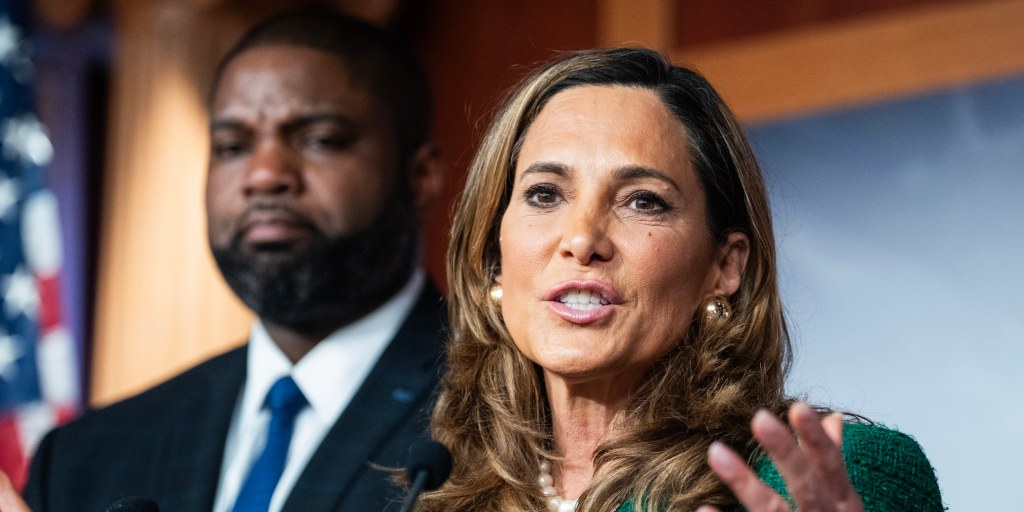
María Elvira Salazar’s reelection pitch has entered the "imported endorsements" phase of the campaign. With Trump sulking on Truth Social because she dared suggest his immigration gulag cosplay went "too far," the Florida Republican is now rolling out a video love letter from Colombia’s Trump-backed president Abelardo de la Espriella, who helpfully calls her "Colombia’s best friend in U.S. Congress." It’s a touching tribute from a guy who just so happens to be a Colombian-American citizen, own property in her district, and have already dropped nearly $90,000 into her campaigns. Pure coincidence, surely.
Once upon a time, Republicans pretended to be upset about foreign leaders weighing in on U.S. elections. Now the hemispheric MAGA Exchange Program is just openly swapping endorsements across borders: Trump boosts "The Tiger" in Colombia’s runoff, Salazar and other GOP lawmakers endorse him right back, and then he pops up on her feed to rescue her from the wrath of Dear Leader after she mildly questions his border theatrics. Meanwhile, her Democratic opponent is over here talking about boring stuff like housing, insurance, groceries, and health care, while Salazar is staging a mini–Organization of American States summit in her Twitter replies.
This is what passes for a "distance from Trump" in 2026 GOP politics: you criticize him in one ad, he throws a tantrum and amplifies calls to primary you weeks before the election, and then you frantically assemble a right-wing Latin American Avengers roster to reassure voters you’re still sufficiently hardline. The district’s 74% Hispanic population is apparently supposed to forget skyrocketing costs and enjoy the geopolitical fan fiction instead. American democracy: now with guest stars from abroad and a frequent-flyer program for foreign strongman fanboys.
Trump, probably asking the Pentagon if we can just bomb a map labeled "bad guys" and let Saudi Arabia fill in the details later.
Trump is reportedly mulling U.S. military strikes on Iran-backed Houthi targets in Yemen after attacks on Saudi Arabia, because nothing says "America First" like rushing to bomb one of the world's poorest countries to reassure a murderous monarchy. The CBS clip helpfully frames this as a tough, strategic call, not as "President who can’t find Yemen on a map considers escalating a war Congress never really approved and the public barely knows exists."
This is the same Yemen where U.S.-backed Saudi bombing has already produced mass famine, cholera, and a civilian death toll that only gets mentioned when a school bus full of kids is turned into shrapnel. Rather than reassessing why we’re functionally the Saudi Air Force’s support staff, Trump’s instinct is to layer on more strikes, further entrench U.S. fingerprints on the disaster, and dare anyone in Congress to remember that war powers are technically their job.
So we get the usual script: "Iran-backed" is repeated like a magic spell, Saudi Arabia is treated as a delicate victim instead of a serial civilian killer, and the idea of asking the American people whether they want another front in the forever war is politely escorted out of the conversation. Call it what it is: outsourced foreign policy to Riyadh, with Trump auditioning as Crown Prince Mohammed bin Salman's very loud, very orange security consultant.
Kimberly Guilfoyle, US ambassador to Greece, explaining that wiring money to American Express so it "won't show up anywhere" is actually the opposite of corruption.
Donald Trump is suddenly "not happy" with US ambassador to Greece Kimberly Guilfoyle, which is what happens when your alleged grift gets printed in the Wall Street Journal instead of staying in the family group chat. According to texts seen by reporters, Guilfoyle hit up longtime Trump ally Eric Deters to pay off her chunky American Express bill right before her Senate confirmation hearing, sweetening the pitch with the classic diplomatic argument: it "won't show up anywhere" if he just wires it straight to AmEx. Access to the administration, but make it Zelle.
The ambassador’s lawyers insist this was all just an honest attempt to collect $150,000 she says she was owed for speeches and consulting, declaring, "Asking a client to pay for work already done is not corruption. It is the opposite of corruption" — a bold new legal doctrine where asking for secret wires that "won't show up anywhere" is apparently the moral high ground. Meanwhile, audio reportedly has Guilfoyle bragging that Greek business tycoons are bankrolling her private jets and luxury travel, and boasting to an official that the US could topple the Greek government, like she's ordering from a regime-change menu.
Democrats are calling for a State Department investigation, while Trump and Secretary of State Marco Rubio — who happily defended her until the receipts started dropping — are now very upset, especially after Rubio was photographed grinning next to her in Athens last week. This is the same ambassador Trump once hailed as "supremely qualified" due to her "sharp intellect" and experience in law, media, and politics. And by "supremely qualified," he apparently meant: Fox News alum, ex-prosecutor, former fiancée of Donald Trump Jr, and fully fluent in the Trump administration’s official language: offshore, off-books, and off-the-rails.
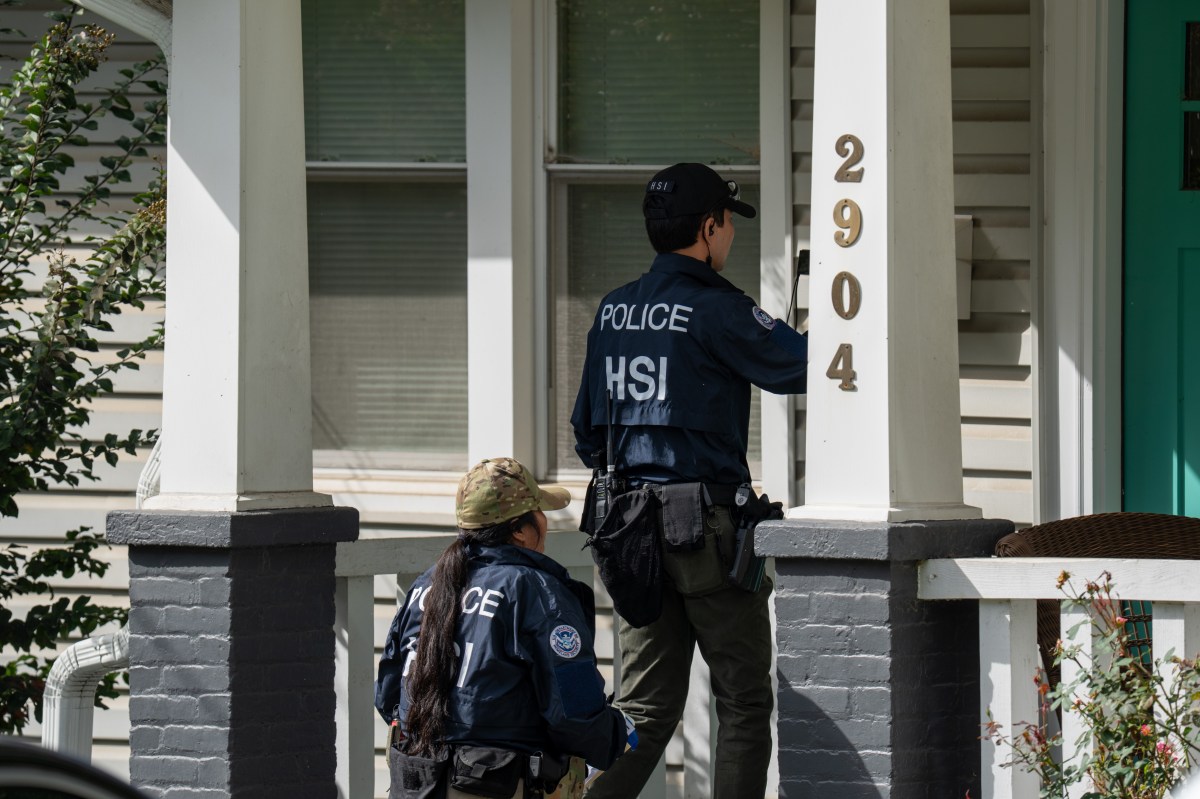
Homeland Security cops search Ilhan Omar’s home so Trump can feel like a strongman and Stephen Miller can finally finish his vision board.
Trump’s long-promised "retribution" tour just kicked in the front door of representative democracy. Homeland Security Investigations — yes, the immigration cops, not the FBI — raided Rep. Ilhan Omar’s D.C. home at dawn, three weeks before the election, on the basis of a years-old far-right conspiracy theory that her dad somehow gamed the system when she was 12. The supposed goal? Denaturalization. Because nothing says "constitutional republic" like making citizenship for naturalized Americans contingent on whether Donald Trump likes your politics.
This isn’t just one abuse of power; it’s the sampler platter from hell. It’s election interference, because DOJ’s own norms say you don’t launch splashy investigative ops against candidates this close to voting. It’s an attack on naturalized citizens, because the theory of the case is basically "your passport expires whenever we decide it does." It’s race-baiting on schedule, because Omar is Black, Muslim, Somali, and from Minnesota — the exact demographic Trump has spent weeks trying to whip into a localized race war. And it’s a shot at Congress itself, as the executive branch uses its police powers to send a message to every lawmaker: cross Trump and the state shows up at your house at sunrise.
The best part? The White House isn’t even pretending this is arm’s-length. A senior official bragged to the press that Attorney General Todd Blanche, USCIS director Joseph Edlow, and White House deputy homeland security adviser Anthony Salisbury are all looped in. That’s the president’s political operation running criminal investigations out of the West Wing like it’s a mob front with a nicer logo. DHS, fat with budget and toys, has become Trump’s favorite workaround for whatever faint institutional resistance remains at DOJ. We were warned that a second Trump term would mean weaponized law enforcement and open authoritarianism; now it’s showing up with a warrant and a battering ram.
Republicans are so nervous about losing a Kansas Senate seat that they’ve dialed 1-800-TRUMP-OPERATIVE and flown in Chris Grant, the guy who helped run the main pro-Trump super PAC in 2024, to "land the plane" for Sen. Roger Marshall. Always comforting when a campaign needs an emergency Trumpworld crash team in a state Trump won by 16 points. Totally normal, extremely confident behavior.
Marshall’s big problem isn’t just polling; it’s that pesky New York Times story about his medical practice suing more than 700 former patients over unpaid bills, with 81 of them later arrested after missing court. So now the GOP’s solution is to back up the patient-suing doctor with a firehose of billionaire cash: the Senate Leadership Fund is dropping $14 million, Club for Growth is piling on, and Democrats are countering with their own $5 million super PAC infusion. Nothing says "representative democracy" quite like a contest between a debt-collector doctor and a pastor, refereed by dueling dark-money dump trucks.
Meanwhile, Trump is promising to parachute in "very soon" to help Marshall, because when your candidate is famous for dragging his own patients into court, who better to vouch for his character than a guy with a decades-long highlight reel of stiffed contractors and unpaid bills? Kansas farmers are getting hammered by fuel prices, voters are stuck between oligarch-backed ad blitzes, and the GOP’s master plan is to hope no one notices that their incumbent senator treats his constituents like delinquent accounts on a spreadsheet.