The Trump-era CFPB, bravely watching over consumers by asking billion-dollar startups if they pinky-swear they’ll do better next time.
Russell Vought, Trump’s self-described traumatizer-in-chief of the civil service, spent 18 months trying to kill the Consumer Financial Protection Bureau outright. Courts inconveniently reminded him Congress exists, so he pivoted to Plan B: turn the watchdog into a therapy dog for Wall Street. After mass layoffs, attempts to choke off funding, and literally shutting down the CFPB’s headquarters lease, Vought unveiled his new vision: a "humility"-pledged, "collaborative" regulator that believes whatever multibillion-dollar fintechs tell it, as long as they say it nicely.
Enter Bilt, a buzzy rent-on-a-credit-card startup showered in venture cash and glowing profiles of its billionaire founder. When Bilt’s tech meltdown left customers scrambling and stressed, the Trump CFPB didn’t deploy examiners, subpoenas, or actual oversight. It just called Bilt, accepted its word that everything was fixed, and then posted a feel-good press release saying the company "appears" to be back on track. Two weeks later, Bilt face-planted again, blasting phantom debt collection notices and tanking customers’ credit scores while the humbled, collaborative CFPB went radio silent. Current and former staff say the old playbook would have caught this; the new one is apparently just blank pages and a Sharpie that says "trust the market."
The punchline: Vought has now timed out as acting director but remains a senior Trump whisperer, while the nominee to run the CFPB full-time is Brian Johnson, a Capital One executive who can’t name a single decision of Vought’s he disagrees with. The agency Congress built after the 2008 crash to stop banks from wrecking people’s lives is being lovingly repurposed into a concierge service for fintech unicorns. Consumers get wrecked credit scores and boilerplate non-answers; industry gets humility pledges and a golden retriever where the watchdog used to be.
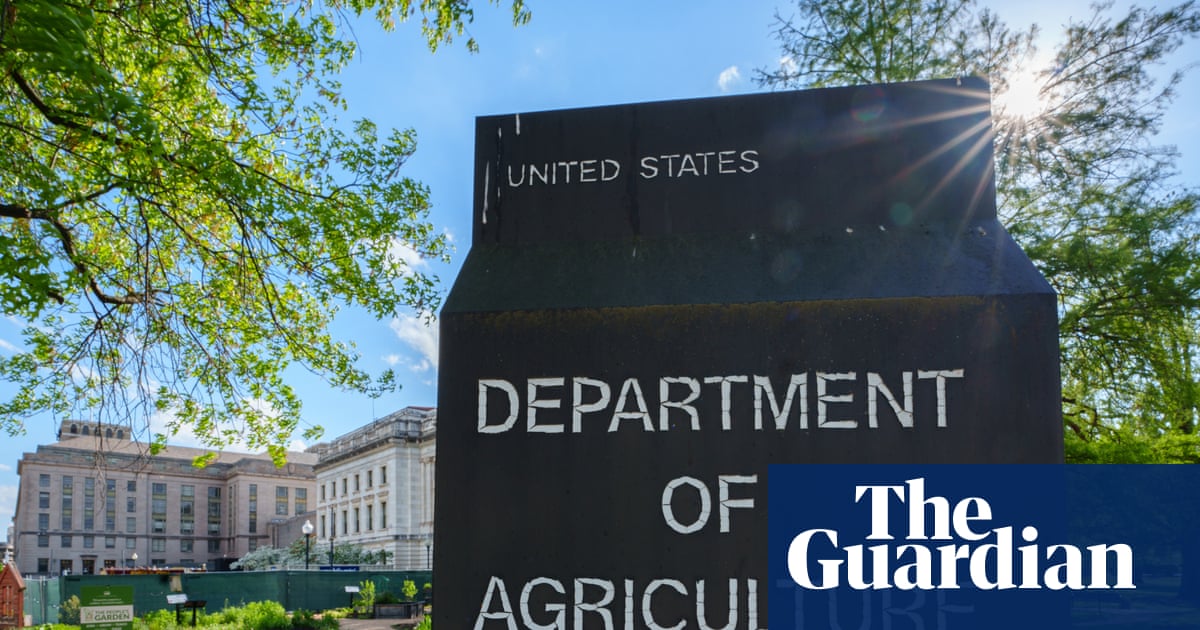
USDA headquarters heroically battling a parasite outbreak by turning off the microscopes and mailing the lab to Iowa.
Tens of thousands of Americans are getting wrecked by a foodborne parasite, so naturally the Trump administration’s USDA is responding by… shutting down two of the three cyclospora research projects and shipping the last one off to Iowa like it’s witness protection. Congress quietly pulled the funding plug earlier this year, and now the remaining scientists have all declined to relocate, choosing retirement and resignation over being props in a political reorg.
USDA, with a straight face, insists that “none of the research has been disrupted” while the labs are defunded, the programs are boxed up, and the experts are walking out the door. The agency swears it’s all an “orderly transition,” which is an interesting way to describe dismantling parasite research during one of the largest foodborne illness outbreaks in recent US history: more than 17,000 confirmed cases across 48 states and DC, plus nearly 12,000 more under investigation. Americans are literally getting sick from their salads, and the government’s response is to cancel the science and move the furniture.
Instead of strengthening the people and programs that could, say, stop future outbreaks, the administration is treating public-health research like a hostile agency that needs to be broken up and scattered. It’s a perfect snapshot of Trump-era governance: when reality becomes inconvenient, don’t solve the problem—just defund the people studying it and insist everything is continuing “without disruption” while the lab lights go out.
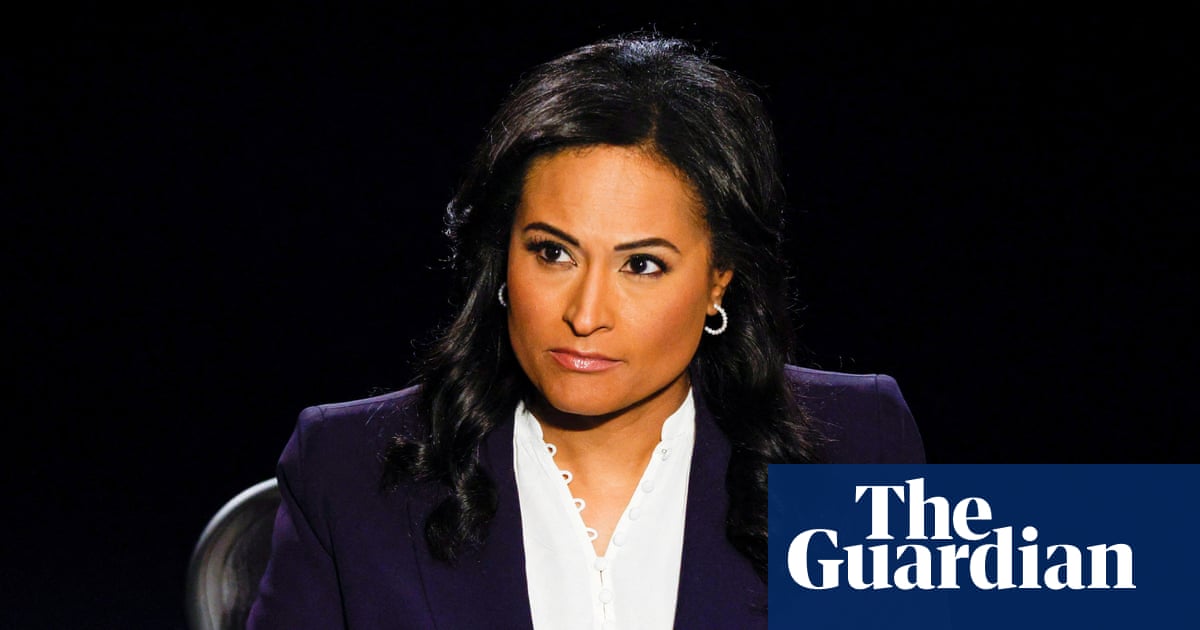
Trump, staring at a TV screen, wondering why the FCC can’t just change the channel to Only Compliments Network.
Donald Trump, noted constitutional scholar and part-time TV critic, has decided that NBC’s Kristen Welker should face “rebuke or punishment” from the FCC for the crime of calling his endorsement record “mixed” on local TV. Yes, the sitting president is once again trying to turn a federal regulator into his personal rage-therapy service because a journalist used a neutral adjective that wasn’t “historic,” “perfect,” or “dear leader.”
This tantrum comes with a helpful reminder that Trump stuffed the FCC with loyalists like chair Brendan Carr, whom he now publicly urges to treat Welker’s segment as a “Threat to our Country.” The same FCC that leaned on TV groups to pre-empt Jimmy Kimmel as punishment for a joke, helped create a climate where ABC yanked his show, and is now being sued by ABC for running a retaliatory licensing campaign because Trump doesn’t like what airs on The View. The administration has already squeezed over $30m in private settlements out of ABC and CBS; now Trump is basically live-tweeting his desire to put NBC on the same leash.
Meanwhile, media reporters patiently explain that the FCC actually can’t punish Kristen Welker for doing journalism, because the agency’s powers are limited by design and the First Amendment is still technically a thing. But given Carr’s track record of being “responsive” to Trump’s grievances and the administration’s fondness for turning regulatory agencies into political hit squads, it’s “reasonable to think” NBC is next in line for some creative license harassment. The president keeps ranting that “a country can never be great with a dishonest press”; what he leaves out is that his solution is to make the press honest by threatening their broadcast licenses until they flatter him properly.
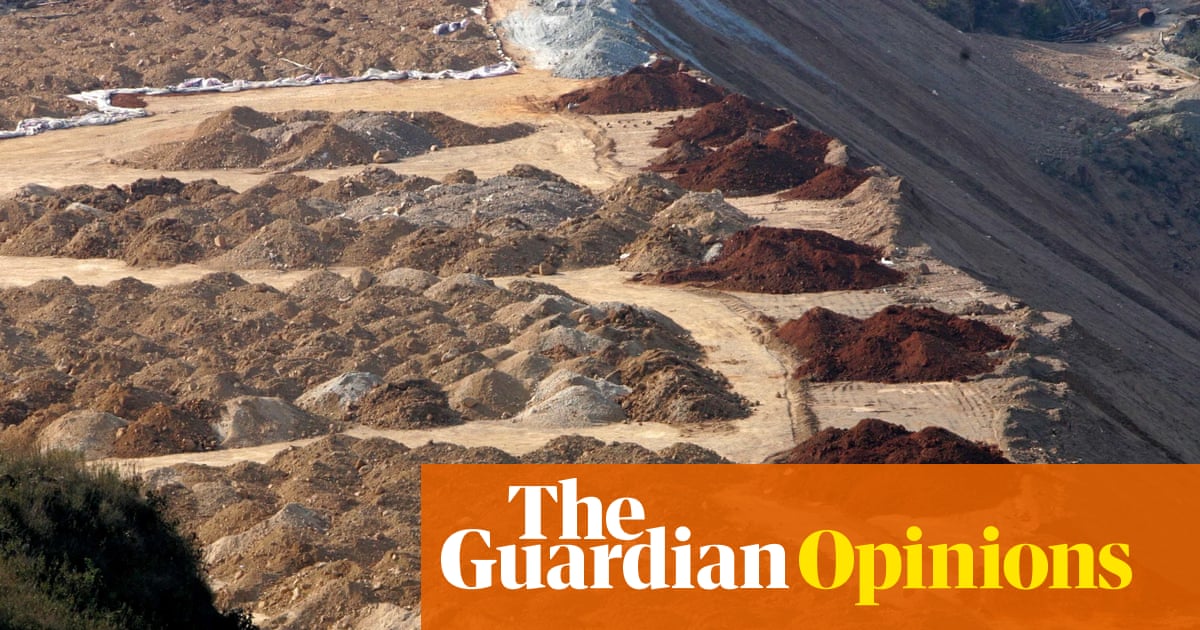
Donald Trump stares at a periodic table, demanding to know why we can’t just drill for erbium in the White House lawn.
The world spent 16 years watching China dominate rare earths and went with the bold strategy of doing basically nothing. Then Beijing squeezed exports and Donald Trump discovered that his big, beautiful trade war could be shut down by… erbium. So now we have a panicked scramble for supply chains because the U.S. outsourced an entire strategic industry to China and is shocked to learn that might have consequences.
Enter the Trump administration with a plan that sounds less like industrial policy and more like a defense contractor wish list. The Pentagon has become the largest investor in MP Minerals, and Trump proudly announced a $12bn critical minerals reserve—a sort of Strategic Dirt Reserve—while officials brag about a “Manhattan Project” for rare earths. Some experts point out that this might just be a state-crafted monopoly wrapped in a flag and handed to a few well-connected firms, but why worry about that when there are billions to spray around?
Meanwhile, Washington and Beijing are racing each other to carve up South Africa, Greenland, and especially Brazil for new mining, with the Amazon rainforest helpfully positioned as collateral damage. Innovation in recycling and extracting from mining waste is mentioned, mostly as green window dressing while everyone revs up the bulldozers. The U.S. also launched a 54-country “critical minerals coalition,” because nothing says stable planning like hitching your industrial future to an administration that threatens to invade Greenland between golf rounds.
Europe, having watched Trump weaponize tariffs like a toddler with a chainsaw, is politely declining to bet its entire supply chain on Mar-a-Lago’s foreign policy desk. The EU is trying to build its own processing capacity and cut dependence by 2030, but experts worry it’s moving too slowly. Which is fair: when the White House is run by a guy who can tank your telecom sector by picking a fight with erbium, “too slow” suddenly feels very optimistic.
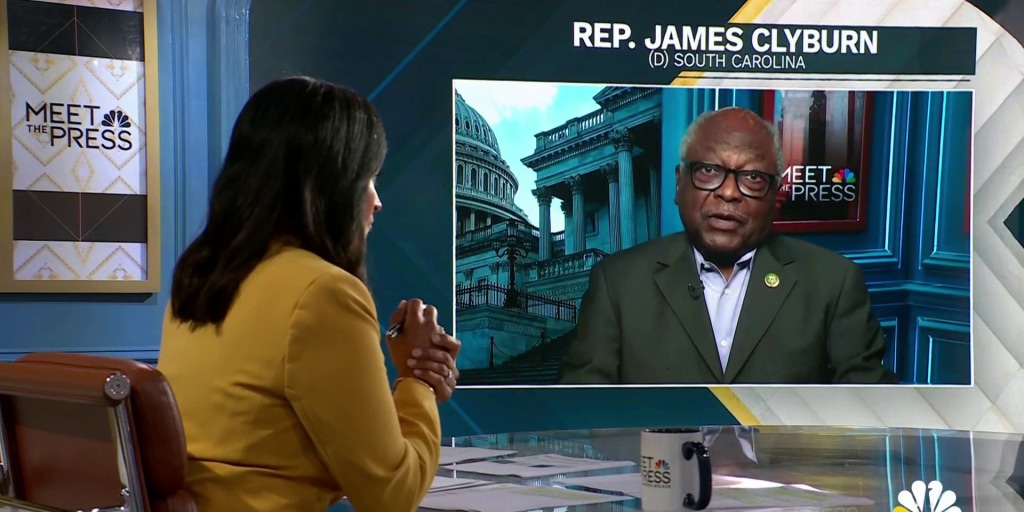
Jim Clyburn carefully explaining that the best way to stop Trump from breaking the Constitution again is to definitely not use the part of the Constitution designed for that.
Jim Clyburn went on NBC’s Meet the Press to explain that impeaching Donald Trump — the twice-impeached, coup-attempting, classified-docs-hoarding walking crime scene — should not be a priority for Democrats. Because if there’s one thing American democracy has too much of, it’s consequences for presidents who try to overturn elections.
Instead, Clyburn says the focus should be on turning out voters and other forward-looking goals, which is a nice way of saying, "Let’s just hope the guy who already tried to end constitutional government doesn’t get the chance again." Treating impeachment as a political distraction rather than a constitutional obligation is how you get a country where staging a putsch is just another campaign strategy, right between "run an ad" and "sell some merch."
The message to future presidents is crystal clear: feel free to test-drive authoritarianism. Worst case, some sternly worded op-eds; best case, you’re back in office and everyone’s decided accountability is "not a priority." Bold strategy for a republic that’s already on cinder blocks.
Locals bravely protest the revolutionary idea that their town should remain more than just a coolant accessory for Google’s latest AI fever dream.
Trump voters in rural Indiana are having a fun new experience: realizing that when they heard “drain the swamp,” it apparently meant into a 550‑acre Google datacenter next door. Organizers report a rare moment of bipartisan harmony as everyone, from conservative farmers to historically Black neighborhoods, agrees they do not, in fact, want a gigantic water‑guzzling, diesel‑backed surveillance cube eating their power grid.
National elites, naturally, are baffled that people aren’t thrilled to sacrifice their drinking water so OpenAI can generate better cat memes. Local officials have been signing sweetheart datacenter deals, then mysteriously losing re‑election once voters notice the part where their lakes turn into backup cooling systems. Utah’s Republican senate president even got tossed for hugging hyperscale projects too hard, proving there is a political cost for openly siding with the server racks over your own constituents.
As Sanders and AOC call for a national moratorium, the backlash is turning into a full‑blown revolt against the tech‑political blob that treats every town as a future sacrifice zone for “AI innovation.” The real question isn’t which party will seize the advantage; it’s which one will stop mainlining Big Tech talking points long enough to notice that voters of all stripes are uniting around a radical new idea: maybe democracy should get a say before Larry Page and Sam Altman annex the water table.
Trump world discovering that if you say 'vegan' with enough disgust, you don’t have to talk about indictments anymore.
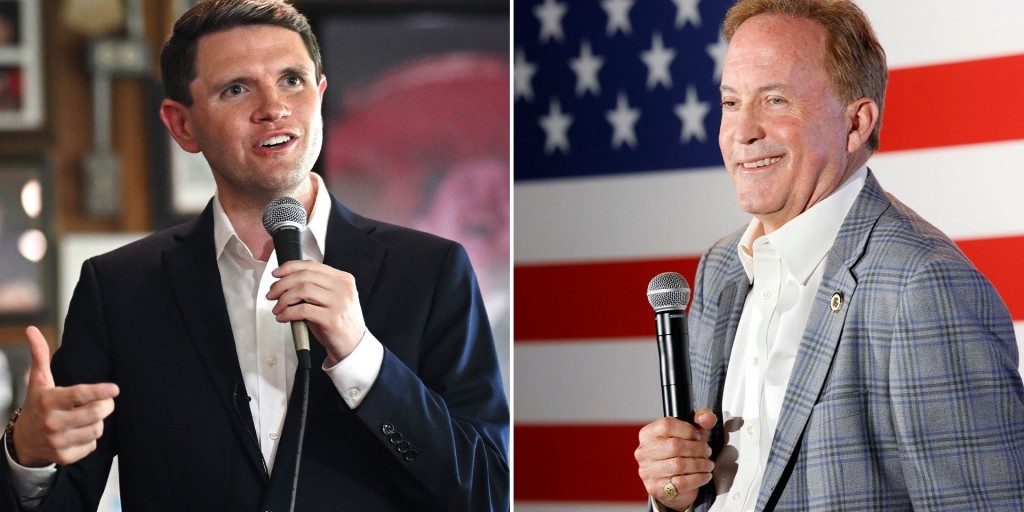
American politics has reached the stage where eating chickpeas is a bigger scandal than attempted coups. Trump warns Texas voters that James Talarico is a vegan, while indicted state attorney general Ken Paxton – whose rap sheet is longer than a Cheesecake Factory menu – tries to brand him "Tofu Talarico" and sneers that he’s "a vegan who thinks God is non-binary." Corruption, securities fraud, serial abuse of power? Manageable. Oat milk? Disqualifying.
Other Democrats get the same treatment: Colorado’s Manny Rutinel is blasted as a "far-left vegan activist who wants to end animal agriculture" because he once did a PETA thing without a shirt on, Amish Shah is accused of a "wacky liberal agenda pushing vegan policies," and Lindsay James is attacked for supporting meatless May. Faced with this high-stakes onslaught of bean-based McCarthyism, the Democrats bravely…panic and post photos of themselves mainlining barbecue, reassure everyone they "always sided with farmers," and explain prior animal-rights posts as the wild youthful extremism of a 22-year-old who once looked at a tempeh wrap.
So instead of pushing back on the idea that caring about climate or animal welfare might actually be a decent trait in a lawmaker, candidates rush to prove they too worship at the altar of industrial meat. Meanwhile the party whose de facto leader tried to overturn an election has decided the real existential threat to America is…people who think maybe we should eat slightly fewer cows on a rapidly warming planet. Authoritarianism, election subversion, and chronic grift? That’s just politics. But call someone "vegan" and suddenly it’s treated like an allegation of actual wrongdoing.
The Trump EPA, bravely standing between America’s children and the terrifying prospect of slightly lower profits for flame retardant manufacturers.
The Trump EPA has discovered a bold new scientific principle: if a toxic flame retardant looks carcinogenic, just rewrite the science until it doesn’t. Public health advocates say the agency’s draft risk assessment for TBBPA — a widely used brominated flame retardant found in household dust, kids’ clothes, electronics, and pretty much anything you can plug in or sit on — leans heavily on industry-funded "research" to conclude there’s no "unreasonable risk" to consumers or children. European regulators and the International Agency for Research on Cancer call it a probable carcinogen; the Trump EPA calls it Tuesday.
Instead of accounting for the many ways people are exposed — dust, food, recycled plastics, workplaces, children crawling through contaminated carpets and then chewing their hands — the agency cherry-picks short-term, industry-friendly studies and then scolds outside scientists for using "overly protective" assumptions about toddlers eating poison-flavored dust bunnies. Former EPA scientist Maria Doa helpfully translates: the "political people at the EPA" are changing the science to get the outcome they want, again. Earthjustice points out that the agency literally pretended TBBPA is "unlikely" to be used in textiles, while its own prior documents and state records show it in 96 types of children’s clothing and products like pajamas and strollers.
So the scorecard: independent science, international cancer agencies, and kids’ health on one side; the American Chemistry Council, a history of attacking chemical regulations, and an administration pathologically allergic to the word "risk" on the other. The EPA’s solution is to declare the house non-flammable while quietly sweeping the accelerant into the nursery, then insisting that worrying about exposure is just being "unrealistic." Regulatory capture doesn’t even bother to hide anymore; it just slaps an EPA logo on the industry’s letterhead and calls it a risk assessment.
NBC correspondents bravely explaining that when you set your voters’ rights, healthcare, and schools on fire, some of them may reconsider their party registration.
Trump’s grand strategy to cement permanent one-party rule has hit a tiny snag: people who live in red states apparently don’t enjoy being stress-tested like lab rats for every deranged policy experiment he can dream up between golf rounds. Healthcare sabotage, abortion bans, book bans, and assorted culture-war arson have combined into a bold new GOP innovation: turning “safe” Republican states into competitive battlegrounds, because nothing motivates voters like watching their basic rights get repossessed in real time.
Reporters now politely describe places like Texas, Georgia, and Arizona as “in play,” which is a gentle way of saying: even longtime Republican voters are getting tired of being governed by Facebook comments with subpoena power. The same Trumpist machine that gerrymandered, purged voter rolls, and stacked courts is suddenly discovering that when you govern like a theocratic hedge fund, some of your own base notices the part where their hospitals close and their kids’ schools crumble.
So the midterms are shaping up as a referendum on whether red-state residents enjoy being the beta testers for Trump’s ongoing demo of What If We Just Ignored Democracy. If these states really are in play, it’s not because Democrats got brilliant overnight; it’s because the GOP looked at functional government and said, “What if we replaced this with cruelty and kleptocracy?” and voters are starting to respond: "Hard pass."
FEMA’s bold climate strategy: wait for the water to recede and hope the paperwork drowns first.
Indiana just got hammered by record flooding that wiped out a third of the homes in Cambridge City, killed seven people, left more than 1,000 homeless, and literally washed away part of I‑70. Gary, the state’s only majority-Black city, lost power for more than two weeks after a derecho, because of course the infrastructure that fails hardest is where Black people live. Ten days later, the town is still full of wrecked cars, ripped-up garages, and piles of ruined belongings, while residents eat hot dogs from volunteer food trucks and hope someone in government remembers they exist.
The Republican supermajority in the Indiana legislature has been training for this moment for years by defunding environmental agencies by 19% and twice refusing to even study climate solutions, while neighboring states quietly acted like adults. The state disaster relief fund was an impressive $2m going into a $5bn disaster, which is like bringing a coupon to a house fire. There is no state climate action plan, but there is plenty of climate denial, so at least they’re consistent.
On the federal side, Trump graciously approved FEMA aid for more than 50 counties and capped it at $5m, which works out to about “maybe you can replace one culvert and a traffic cone” for a multibillion-dollar catastrophe. Governor Mike Braun filed a formal disaster declaration on 21 August to unlock more federal help; FEMA, under Trump 2.0, has responded with its bold new policy of staring at the paperwork until the victims give up or drown again. This is the same FEMA that has turned down more than 30 disaster declarations and is taking longer and longer to approve the ones it doesn’t throw straight in the trash.
Meanwhile, residents in mapped FEMA high-risk flood zones who couldn’t afford sky-high flood insurance premiums are now discovering that the free market does not, in fact, pump out their basements. Small businesses are clinging on with tiny local grants while the federal government tosses pocket change at a $5bn climate disaster and calls it leadership. The Trump-Braun model of governance is clear: deny climate change, slash preparedness, underfund relief, and then act shocked that volunteers with hot dogs are the only functioning part of the response.
The State Department, bravely defending America from foreign disinformation by firing the experts and forwarding their emails to a right-wing influencer with a side hustle in political blacklists.
The Trump State Department’s latest masterclass in governing involves Sarah Rogers, undersecretary for public diplomacy, leaking internal Global Engagement Center (GEC) documents to right-wing influencer Jennica Pounds (aka DataRepublican) to prove the deep state was secretly censoring Americans. Tiny hiccup: the documents show absolutely nothing of the sort, unless you count a 2022 report on “gendered disinformation” as a smoking gun in the War on Conservatives. Former GEC leaders Daniel Kimmage and Carrie Goux patiently explained that the center did what Congress told it to do – track foreign propaganda from Russia, China, and Iran – and did not run a domestic censorship operation. Naturally, that made it a prime target for Republicans, who killed its funding in 2024 and dissolved it once Trump was back in office.
The farce gets better. Pounds, the supposed victim of an “entrapment” leak, turns out to have been quietly working as a special government employee at the Pentagon while receiving these documents and then launching a public database to track US citizens in the Democratic Socialists of America. The Defense Department, heroically committed to transparency, declined to say whether building political enemy lists is part of her job description. Meanwhile, Rogers publishes the files herself and tries to twist Kimmage’s congressional testimony into proof of censorship – which, when read in full, says the exact opposite. So the Trump team shut down an office that exposed Kremlin disinfo in Africa and helped broker an international framework against foreign information manipulation, then replaced it with a paranoid storyline, a propaganda influencer on government payroll, and a handy database of leftists. Truly, the real threat was a $61m-a-year office tracking Russian trolls, not the administration turning the federal government into a content-moderation LARP and opposition-watchlist machine.
Aerial view of Bangui, where the U.S. now offloads asylum seekers like lost luggage in its global game of deportation hot potato.
The Trump administration has discovered a bold new frontier in cruelty: deporting people to random other countries they’ve never lived in. On Saturday, the U.S. shipped dozens of migrants off to the Central African Republic, including a young Afghan man whose brothers collaborated with the U.S. military against the Taliban. One brother now lives in the U.S. after serving in the Afghan National Army; another was a U.S.-trained pilot killed by the Taliban. A U.S. judge had already granted the man protection from deportation to Afghanistan because of credible persecution fears, so naturally the administration’s response was: fine, we’ll just dump him somewhere else.
This magic trick is powered by a web of “often secret agreements” with about two dozen countries, allowing Trump’s people to fly asylum seekers to states they have no connection to, using third-country deportations as a loophole to gut asylum law while pretending everything is perfectly legal. The latest flight to Bangui carried 12 Afghans, eight Iranians, plus migrants from Nepal and Nicaragua—because when you’re running an immigration crackdown built on spite, geography and human rights are just optional settings. Welcome to Trump’s immigration policy: if we can’t legally send you back to the place you fled in fear, we’ll just send you somewhere even less prepared to protect you.
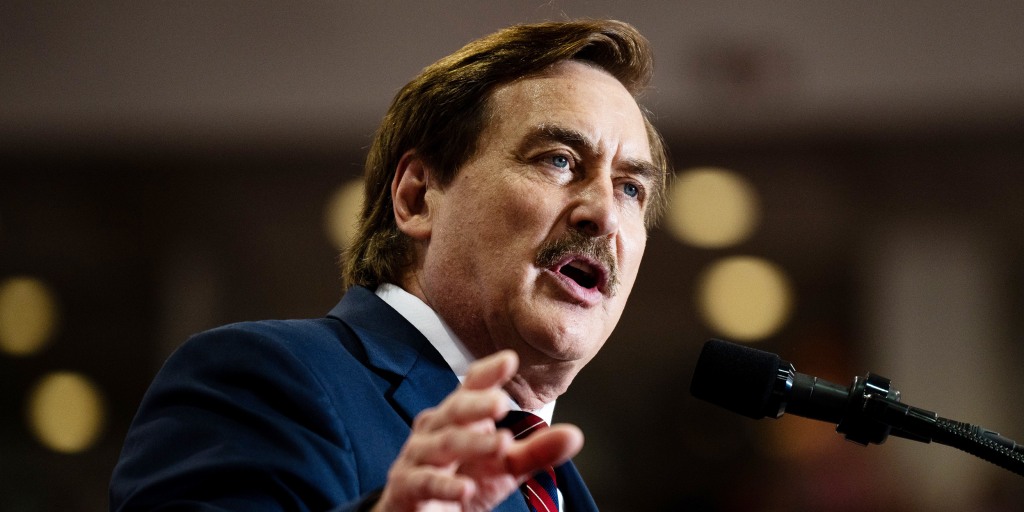
Mike Lindell carefully studies election data, searching for the exact point where 45,000 votes become "actually, I won."
Mike Lindell, having spent years insisting Trump didn’t lose, has now heroically discovered that he also didn’t lose — despite being down by about 45,000 votes in the Minnesota GOP governor primary. The Minnesota Supreme Court, clearly unfamiliar with the sacred MAGA principle that feelings > math, told him the recount plan already follows state law and that election officials are not, tragically for Mike, committing any "wrongful act" by acknowledging reality.
The court patiently explained that a recount is for, you know, recounting votes, not launching a full-scale fishing expedition into imaginary "anomalies" and relitigating the entire primary universe because the MyPillow guy can’t handle losing to Lisa Demuth. Lindell had promised to cough up $825,000 for a hand recount, then balked when he learned it wouldn’t become his personal statewide cyber-fantasy audit of both parties’ primaries. So now he’s suing the secretary of state for a supposed "bait-and-switch" and vowing to run to the U.S. Supreme Court, which must be thrilled.
Meanwhile, this crusader for election integrity is already neck-deep in legal trouble for defaming a Dominion employee, dodging court-ordered sanctions to Smartmatic, and openly declaring he still doesn’t plan to pay what he owes. So the guy who won’t follow court orders, lost by tens of thousands of votes, and keeps inventing machine conspiracies is demanding Minnesota overturn its boring habit of following the law. Truly, the Trump era’s greatest contribution to civic life: a permanent class of sore losers who think every election is rigged except the ones they win.
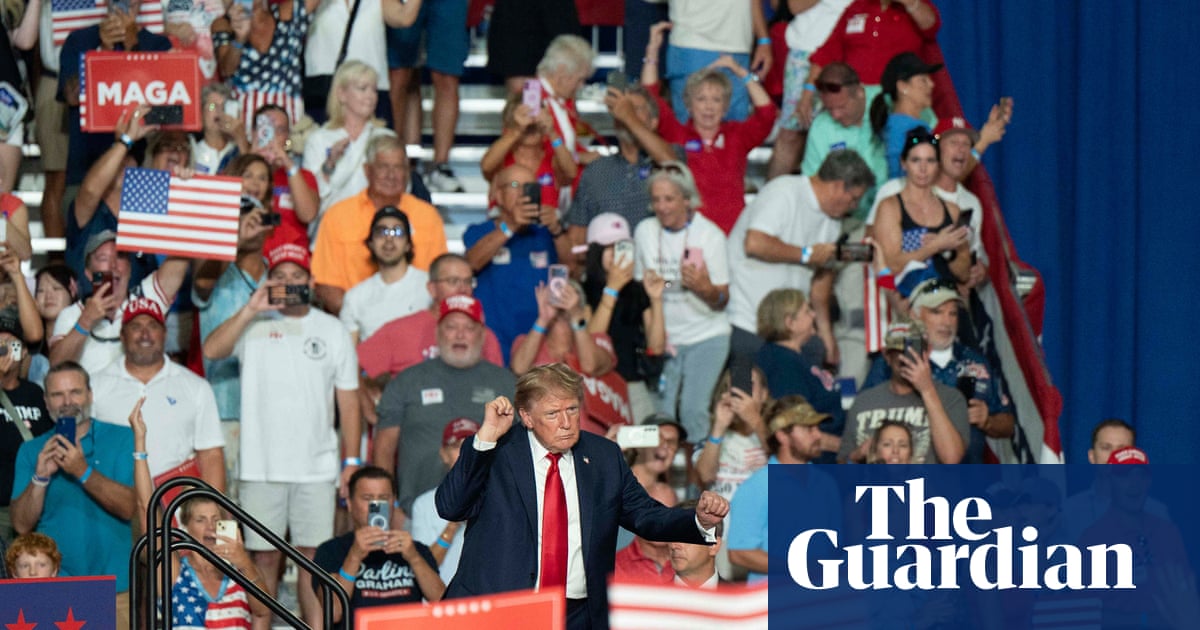
Trump explains that Democrats are communists while standing in front of Mount Rushmore, proving that you don’t actually need a coup when you’ve got a PA system and Fox News reruns.
Donald Trump has discovered that if you scream "COMMUNIST" into a microphone 13 times in one rally, some percentage of the electorate will nod solemnly and call New York a "communist state" while standing in a church parking lot. South Carolina Republicans dutifully report that they "don’t like the DSA" and are terrified of "the socialism thing," which is allegedly sweeping the nation from places like New York City under Mayor Zohran Mamdani, where the most radical policy to date has been "maybe poor people shouldn’t die." Freedom, they explain, means never having to learn the difference between a democratic socialist and Stalin.
Trump, meanwhile, is busy denouncing Democrats as "radical left lunatics" and declaring that "you can be a communist or you can be a patriot" while he personally specializes in election denial and the pursuit of political enemies. So the guy channeling Roy Cohn and Joseph McCarthy—literally, according to law professor Brian Leiter—is accusing everyone else of authoritarian extremism, and it’s working just fine on a base that thinks Chuck Schumer is the radical fringe and that Fox News is a graduate seminar on political theory. Fox has dropped "socialist" nearly 6,000 times this year and "communist" 1,700 times, which is less news coverage and more Pavlovian bell-ringing for viewers who now believe AOC, Bernie Sanders, and Mamdani are all secretly plotting the gulag.
Experts patiently note that none of these people are communists, or even close, but that nuance has not survived contact with the conservative media ecosystem, where DSA randos are booked specifically because they look like central casting for "scary campus leftist" and can’t articulate the difference between Marx and a Whole Foods rewards card. The result: Trump and Fox jointly run a 24/7 red-scare cosplay operation to keep the base terrified, compliant, and too busy hunting imaginary Bolsheviks to notice the very real authoritarian project marching along under the banner of "saving America" from the menace of… affordable healthcare and rent control.
DHS officials thoughtfully reviewing the Bill of Rights before filing it under "not legally binding" and firing off another customs summons to spy on journalists.
The Trump administration has apparently decided that if a judge tells you "no", you just go shopping in the statute bargain bin until you find a law no one’s looked at since the Reagan era and use that instead. After a federal judge twice rejected prosecutors’ attempts to get YouTube data from journalists Georgia Fort and Don Lemon—on the quaint grounds that there was no probable cause—DHS simply pivoted to an obscure customs law, 19 USC 1509, and slapped Google with a secret administrative summons. Because nothing says "customs enforcement" like spying on reporters covering a protest at a Minneapolis church.
While they were at it, DHS also quietly vacuumed up six months of Fort’s phone records from T-Mobile—more than 10,000 calls and texts—without notice, despite the judge’s explicit concern about going after a journalist’s records. Former DHS inspector general John Roth called it "outrageous" and "improper"; in Trump World, that’s basically a mission statement. The same customs tool is being used to try to unmask critics of ICE on social media and to dig into the financial records of unions and left-leaning nonprofits, all without a judge in sight. The fourth amendment technically still exists on paper, but DHS seems to have reclassified it as a suggestion, like mask guidance or ethics rules.
Among the targets: Democracy Now, Megyn Kelly, the Milwaukee Journal-Sentinel, and independent journalists whose main "crime" appears to be livestreaming protests or interviewing pastors and organizers. DHS can’t explain why it needs IP addresses and login data from YouTube to prosecute people for covering a demonstration, and DOJ and DHS have both declined to comment—always a good sign when the government is secretly trawling through reporters’ communications. Congratulations to Customs and Border Protection’s paperwork: it’s now the go-to instrument for political surveillance, because if you can’t win in court, you can always cosplay as a tariff cop and hope nobody notices you’re dismantling press freedom with a law meant for checking shipping containers.
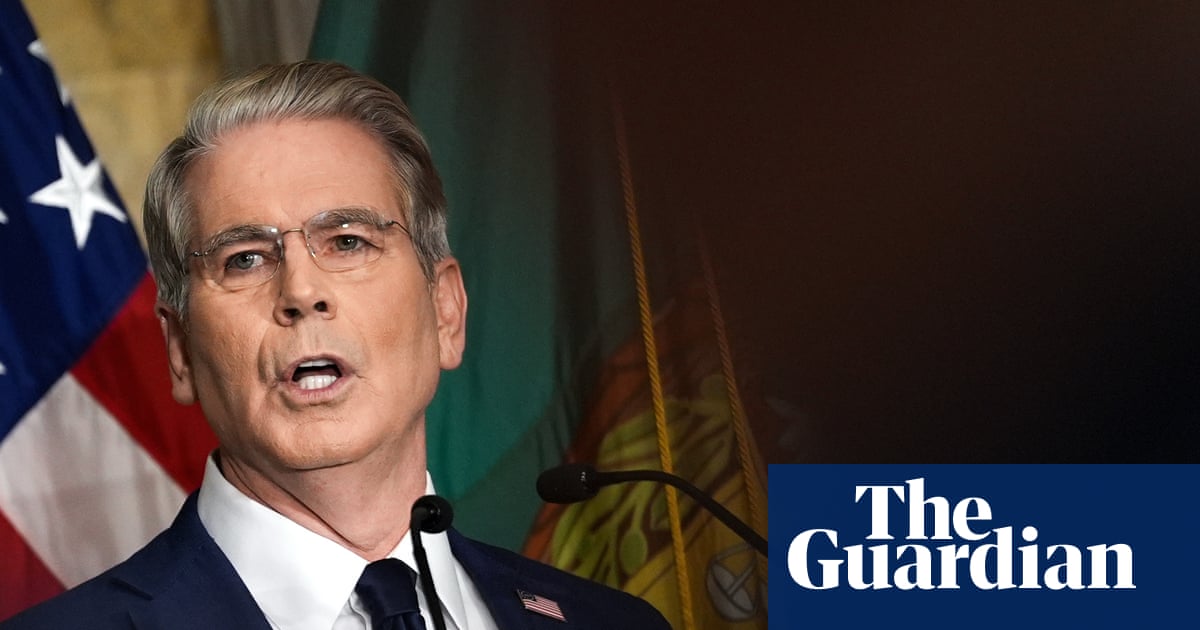
Scott Bessent explains how you can bomb first, sanction later, and still call it a strategy if you wear a nice suit and say ‘liquidity’ enough times.
Scott Bessent, Trump’s hedge-fund-turned-Treasury-secretary cosplay of Alexander Hamilton, is now in charge of cleaning up the president’s six‑month bombing hobby in Iran by launching “Operation Economic Outcast” – a plan so bold it mostly consists of sternly worded letters and hoping nobody notices the US is low on defensive weapons. He thundered about “economic asphyxiation” at a press conference, then quietly declined to actually impose the secondary sanctions that would hit major Chinese banks, because even he can see that nuking the global financial system might be bad for markets and, more importantly, his reputation on CNBC.
Meanwhile, back home, the $40tn national debt is doing its best impression of a runaway train while Bessent tries to calm bond markets with what one strategist called a “band-aid on a bullet hole”: massively expanded long‑bond buybacks with no clear funding source beyond raiding the Treasury General Account. Yields dipped for a hot minute, then snapped back, and Wall Street – like Queen Victoria, and also basic arithmetic – is not amused. Even centrist think-tankers are gently noting that his ‘we’ll grow our way out of this’ spiel is nonsense he definitely knows is nonsense.
So the grand “economic D‑day” turns out to be mostly rhetorical cover for Trump to slink away from his own war of choice while pretending it was all part of a 4‑D sanctions strategy. Bessent isn’t constraining Trump’s worst impulses so much as wrapping them in a glossy hedge‑fund patter of “liquidity support” and “maximum pressure” and hoping nobody notices that the administration is simultaneously risking a catastrophic trade fight with China, rattling global markets, and proving that yes, you really can find a Treasury secretary who makes Steve Mnuchin look like a cautious institutionalist.
Canadian shop poster helpfully reminding customers which products are *not* part of Trump’s latest economic hostage situation.
Trump slaps 50% tariffs on US$20bn of Canadian goods, Mark Carney vows to match them “dollar for dollar,” and Trump responds like a truly serious statesman: by ordering Lake Ontario renamed “Lake America.” Because when your trade policy is written in crayon, geography is just a suggestion. This is the same guy who’s been openly threatening to annex Canada, so now he’s just workshopping the branding.
Canadians, being unwilling extras in the MAGA Reality Show, have decided to fight back the one way ordinary people can: by refusing to bankroll the bully. From Thunder Bay mechanics to Winnipeg investors, people are ditching US beer, groceries, airlines, streaming services, social media, Teslas, and Jack Daniel’s in favor of literally anything else. The new acronyms are ABUS (Anything but US) and ABUSA (Anywhere but USA), with the delightfully unsubtle slogan “Elbows Up!”—a hockey way of saying: we’re done being the polite neighbor while the drunk guy next door keeps trying to kick in the fence.
What Trump is calling a “great trade strategy” is, in practice, a cross-border BDS campaign against the United States, led by the country we used to rely on to tell us when we had spinach in our teeth. Forty percent of Canadian grocery shoppers are now actively checking labels to avoid funding Trump’s little tariff cosplay and annexation fantasies. The world’s longest undefended border is rapidly turning into a very well-defended checkout aisle, and all it cost was America’s reputation, economic stability, and whatever was left of US diplomacy.
Trump contemplates how to fight inflation by starting another trade war and a shooting war, then acting surprised when everything costs more.
Trump won in 2024 promising to slay inflation and stop "reckless" spending. Two years and one MAGA supermajority later, prices are up, debt has vaulted past $40 trillion, mortgages are choking families, and his big fix amounts to: start a global trade war, light the Middle East on fire, and then yell at the bond market for not respecting his genius.
The White House kicked things off with a fresh tariff tantrum, this time at Canada, because nothing says "helping American families" like deliberately making everything more expensive. At the same time, Trump’s six‑month (and counting) war with Iran is keeping gas prices elevated while shoveling borrowed money into an endless conflict that Congress barely pretends to oversee. The result: higher borrowing costs for everyone, from first‑time homebuyers to small businesses, while the president tours rallies insisting he’s saving them money if they’d just stop looking at their receipts.
Voters were promised an economic course correction; what they got is a demolition derby sponsored by fiscal arsonists. Now, with midterms looming, the "business genius" who ran on balancing the books is standing on the smoking ruins of his own policies asking Americans for a little more patience—and a lot more power.
White House teleprompter operator at work, carefully formatting tomorrow’s insider-trading opportunities in 36-point ALL CAPS.
Some administrations inspire public service. This one inspires staff to open a FanDuel account for the president’s brain. Former White House teleprompter operator Gabriel Perez has been ordered to cough up more than $172,000 after using advance access to Trump’s speeches to bet on what Very Stable Genius would say on Kalshi’s prediction markets. While normal people watch Trump ramble for free, Perez was apparently treating every "China," "rigged," and "Biden" as a hot stock tip.
The CFTC says Perez "misappropriated" his inside knowledge and violated his duty of trust, which is a polite regulatory way of saying: you can’t insider-trade on the word salad you help serve. Kalshi’s analysts noticed weirdly accurate bets on "mention markets" for specific words and phrases, traced it back to a federal employee running the White House teleprompters, and tattled to the feds. He now has to give back $107,539 in profits, pay a $65,000 penalty, and is banned from trading for three years—though presumably he’s still allowed to cringe at the speeches.
The best part? In July, after this all came to light, the White House Management Office sent staff a letter reminding them not to gamble on prediction markets, as if the problem were a lack of memos and not that the entire operation runs on grift fumes. Kalshi’s lawyer dutifully declared on X that "it doesn't matter who you are"—which is true, as long as you’re a mid-level staffer and not the guy whose every off-script rant actually moves global markets.
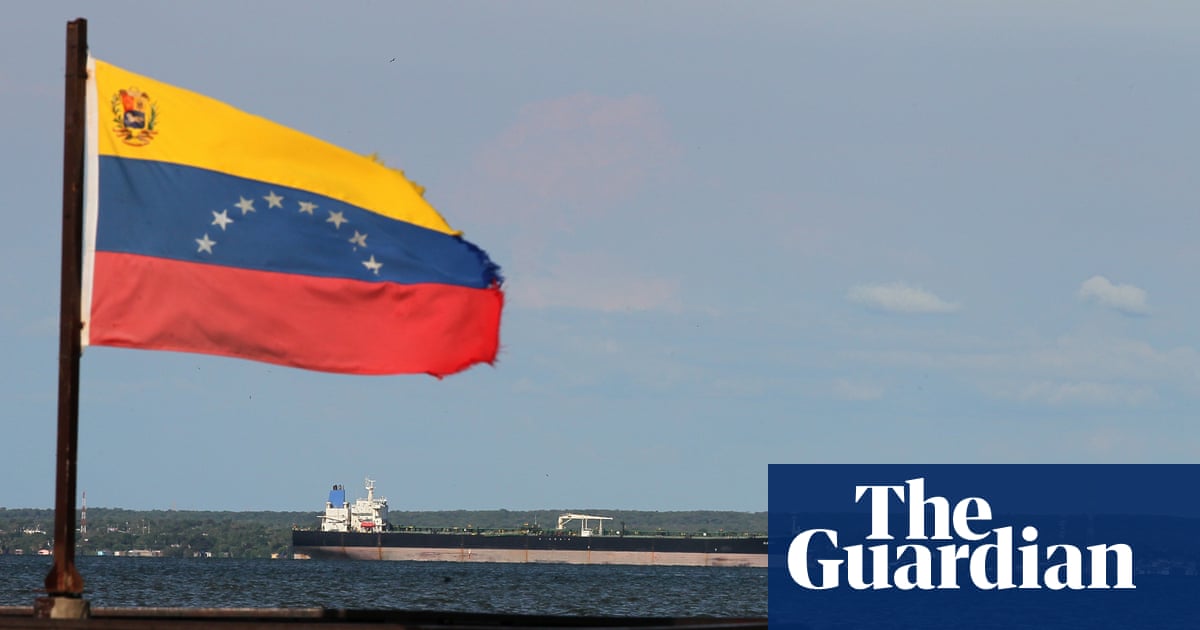
Trump, Rubio, and Hegseth proudly announcing that Venezuela has generously agreed to let the U.S. control its oil—right after the U.S. controlled who runs Venezuela.
Donald Trump has announced that the United States now has “majority” control of 65 billion barrels of Venezuelan oil reserves, supposedly secured “at no cost to the American taxpayer” through a mysterious partnership with “private business.” So, to recap: the U.S. topples Nicolás Maduro, installs an “interim president” Delcy Rodríguez, then magically ends up with controlling stakes in her country’s oil. Truly a touching story about democracy, brought to you by Secretary of State Marco Rubio and Defense Secretary Pete Hegseth, who apparently now moonlight as energy investment bankers.
Details such as how the U.S. is exercising “majority control,” which oilfields are involved, what companies own what, or whether Venezuela’s population gets anything beyond a flag and a bill are, naturally, classified under the Official Trump Doctrine of ¯\(ツ)/¯. What we do know: Wall Street Journal and Axios say the administration is taking direct stakes in over a dozen Venezuelan oilfields holding nearly a third of the country’s reserves, while Chevron and friends line up to pour billions into the newly liberated piñata. One Venezuelan opposition figure calls it a “rapacious, mafioso United States,” which is unfair—mafias at least pretend there’s a cut for the locals.
All this just happens to arrive right before the midterms, with Trump under fire over high gas prices and a depleted strategic petroleum reserve. So the White House solution is: overthrow a government, carve up its oil, hand control to U.S. interests, and then brag it’s free because the taxpayers didn’t pay—just the Venezuelans. The Marshall Plan rebuilt Europe; this is the Marshall-Your-Oil-Into-Our-Stockpiles Plan, where “freedom” is measured in barrels and democracy is whatever gets the cheapest crude to U.S. refineries.