Thursday, September 17, 2026

Trump and Xi smile for the cameras at the White House, while somewhere offstage the actual hostages wait to find out if they made the cut for this season’s diplomatic trade-ins.
The wife of U Min Zin, a Myanmar scholar grabbed by China on bogus "national security" charges, is pinning her hopes on Donald Trump bringing him home during Xi Jinping’s White House visit. Because when you’re up against an authoritarian surveillance state, naturally you turn to the guy who calls Xi a "great leader" on live television.
Families of Americans detained in China are trekking to Washington to beg the president to mention their loved ones while he’s busy staging the next chapter of the Trump–Xi bromance. A House hearing is literally titled "Lives, Not Leverage" while everyone quietly acknowledges that Beijing is taking hostages as leverage and Washington is treating their release as a negotiable summit deliverable, right next to tariff waivers and flattering joint statements.
Congresswoman Young Kim warns Americans that China might seize them as bargaining chips, the State Department slaps a "wrongfully detained" label on the cases, and a nameless White House official dutifully assures the BBC that resolving these detentions is "always a top priority"—which is why it only happens when it can double as a campaign ad. Trump’s "historic record" on freeing detainees gets invoked, as if authoritarian hostage diplomacy becoming a recurring PR opportunity for the president is a sign of strength rather than a symptom of a global system where human lives are now just summit swag.
Trump has already bragged about raising Jimmy Lai’s case with Xi, who reportedly said that one would be "tough"—translation: not useful enough for Xi’s own leverage yet. Meanwhile, U Min Zin is interrogated for hours a day while his family waits for monthly consular visits to confirm he’s still alive, and Washington’s big strategic innovation is hoping Trump can squeeze a few prisoners out of Xi like he’s negotiating hotel financing. Hostage diplomacy is thriving; human rights policy is whatever fits in the press release.

Roy Cohn, seen here pioneering the ‘deny everything and send no emails’ school of public service that Trump would later franchise.
Kai Bird’s American Scoundrel helpfully reminds everyone that Donald Trump didn’t just wake up one day and invent shameless corruption; he had a tutor. Roy Cohn, Joe McCarthy’s favorite attack dog and walking ethics violation, apparently spent years teaching Trump the sacred commandments of American kleptocracy: deny everything, delay forever, attack relentlessly, sue and countersue, never concede, stiff your creditors, and for the love of God, leave no paper trail.
So when Trump floods courts with garbage lawsuits, refuses to pay people who worked for him, screams “witch hunt” at every investigation, and mysteriously forgets to write anything down, that’s not chaos — that’s the Cohn curriculum in action. This is the throughline from McCarthyism to MAGA: weaponize the law, bury the truth, and treat accountability as an optional add-on for poor people.

Trump lovingly gazes at a stack of classified folders, pondering which ones to call ‘mine’ and which ones to flush.
The Trump administration just told a federal appeals court that the Presidential Records Act — the law that says a president’s official papers belong to the public, not to the guy rage‑tweeting from the Oval — is unconstitutional. Their theory: if Supreme Court justices get to hoard and shred their work papers like paranoid raccoons, then surely the president should get the same vibe. After all, why should Congress get to say that records of wars, pardons, coup attempts and classified briefings belong to the American people when they could instead be treated as Trump-branded collectibles?
Instead of arguing that the public has a right to know what its government did, the brief leans on Supreme Court secrecy as the gold standard. If the justices can bury their documents until decades after they’re dead, Trump wants to do them one better and turn the entire executive branch into a personal storage unit shielded from history, oversight, and subpoenas. The question the brief poses — why should presidents be treated differently from justices — somehow skips the obvious answer: because one of them commands the military, runs the entire federal bureaucracy, and has already tried to overturn an election. But yes, let’s make it easier for that guy to hide the paperwork.
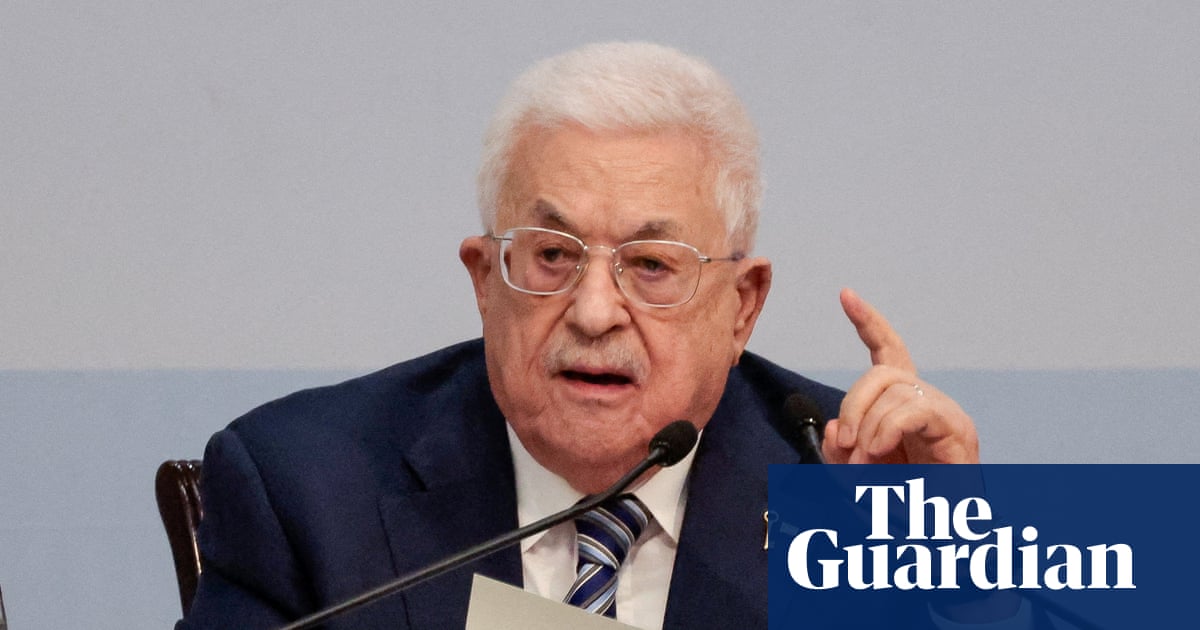
UN headquarters, where the host country now reserves the right to decide which peoples are allowed to exist in the room.
The Trump administration has decided that the best way to showcase its respect for international institutions is to literally lock one side of a decades‑long conflict out of the United Nations. For the second year in a row, the State Department is denying visas to Palestinian Authority and PLO officials ahead of the UN General Assembly in New York, because they committed the unforgivable sin of… taking their case to the International Criminal Court and the International Court of Justice. You know, those scary places where people talk about laws and war crimes instead of whatever Jared workshopped on a whiteboard.
Washington’s line is that the Palestinians "failed to live up to their commitments" and are "undermining the prospects for peace" by seeking accountability in actual courts. So the U.S. is extending sanctions that bar PLO members and PA officials from entering the country, including Mahmoud Abbas himself. The UN, now forced to improvise around America’s petty visa tantrum, is preparing to vote on a resolution just to let Abbas speak to the General Assembly by video, because the self‑proclaimed leader of the free world is too fragile to let him through JFK.
The Palestinian foreign ministry calls the move "unjustified" and notes that it "contradicts" all those supposed efforts to rebuild Palestinian‑U.S. relations and create a climate for a two‑state solution. But the Trump team has made its position crystal clear: diplomacy is fine as long as you don’t talk to international courts, don’t criticize Israel, and don’t expect the host country of the UN to honor the basic premise of hosting. It’s not foreign policy, it’s bouncer policy—America as the world’s doorman, deciding who gets into the building based on whether they promise not to mention international law once they’re inside.
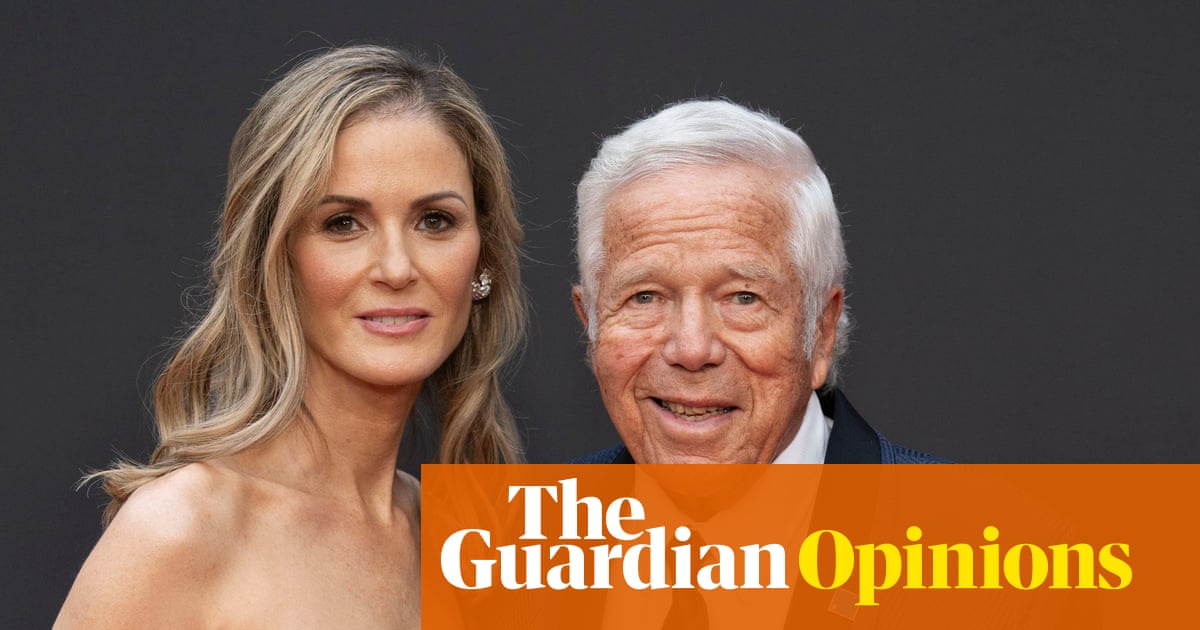
Robert Kraft, bravely shielding a 65,000-seat concrete tax shelter from the mortal danger of a Macklemore verse.
Robert Kraft, longtime Good Billionaire cosplayer and friend of Donald Trump, has decided that the true threat to America isn’t cops sweeping protesters into unmarked vans or the president telling people to inject bleach — it’s Macklemore doing a set before Ed Sheeran while supporting Palestine. So Kraft reportedly banned Macklemore from Gillette Stadium and, according to the rapper, leaned on other NFL owners to shut him out of most of the tour’s stadium dates too. When you own the toy, you get to decide who talks.
The justification? Kraft says this is about Macklemore’s “recent actions” and a “broader history of antisemitic rhetoric and imagery” — citing, among other things, a 2013 costume the artist apologized for years ago. Conveniently, the line between combating antisemitism and punishing pro-Palestinian speech keeps landing exactly where billionaires and NFL owners want it: anywhere that might threaten their comfort or their donor network.
This is the same Kraft who spent the Trump years polishing his halo: backing criminal justice reform, helping Meek Mill, flying Parkland students to DC, sending his jet for N95 masks while Trump was calling Covid a hoax. He positioned himself as the rare owner with a conscience… while being part of the same cartel that colluded to erase Colin Kaepernick from football for the crime of saying, “Cops are getting paid leave for killing people. That’s not right.” Apparently that was hate speech, but blackballing dissenters is just good business.
Now the mask slips. The self-styled everyman who once sat on the cold metal bleachers is just another oligarch deciding which opinions are allowed on his property and which artists get to work. The league that helped Trump turn protests into culture-war chum is still doing what it does best: protecting power, punishing speech, and calling it "values." The only thing more fragile than the NFL’s brand is the ego of the men who own it.
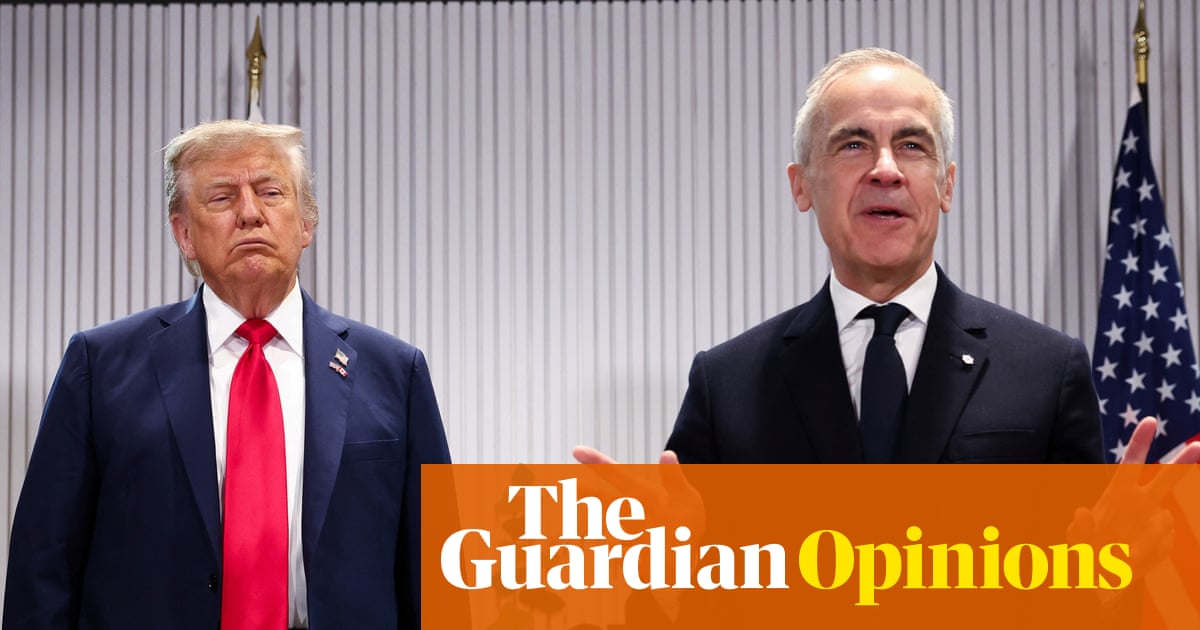
Artist’s rendering of Trump insisting America doesn’t need Canada while standing on a tank made of 100% imported Canadian metal.
Trump hopped on Truth Social to announce that "WE DON’T NEED CANADA, THEY NEED US!" — which is a bold statement from the guy whose military hardware is apparently held together with Canadian aluminum, nickel, uranium and fertilizer. He spent last year threatening tariffs on everything from Canada, then quietly carved out critical minerals this time because someone finally showed him a chart with the words "F-35" and "made of Canadian metal" on it.
The US gets 60% of its aluminum, about half its nickel, a big chunk of its uranium, and nearly 90% of its potash from the country he claims is disposable. Meanwhile, China has already throttled exports of gallium and germanium, and Canada is now openly musing about cutting off nickel and germanium if Trump keeps playing trade-war cosplay. So yes, the US military supply chain is now being stress-tested by the diplomatic instincts of a man who thinks tariffs are a personality trait.
Here’s the fun part: the US barely produces some of these metals at all, new mines take years, and the backup suppliers are Russia and China — you know, the places you don’t want to depend on for the stuff that goes into missiles, jets and night-vision goggles. Canada has figured out that critical minerals are leverage, Trump has figured out that he needs them, and the rest of us get to watch a "very stable genius" discover that you can’t shout "AMERICA FIRST" while your entire defense-industrial base runs on imported Canadian rocks.
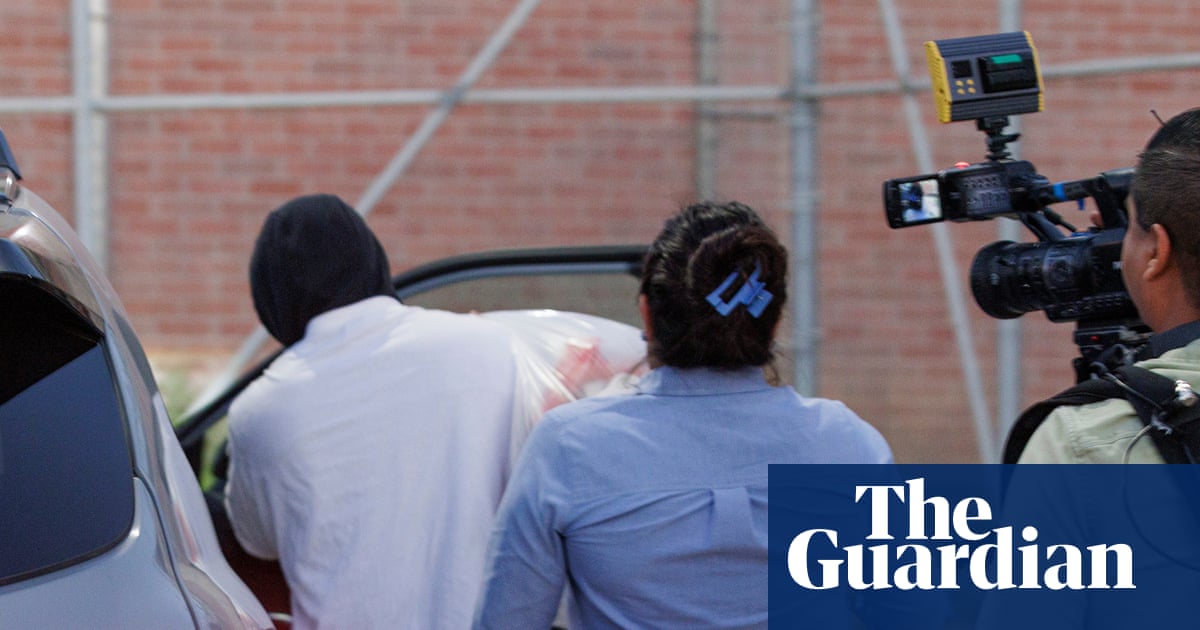
ICE agents conducting ‘Operation Metro Surge,’ bravely defending America from apartment doors, broom handles, and the concept of accountability.
An ICE agent from Trump’s beloved deportation machine has finally been arrested in Minneapolis, eight months after he allegedly shot a Venezuelan man through his apartment door while children were inside, then apparently tried to cosplay as the victim. Christian Castro is facing state assault and false-report charges for the January shooting of Julio Cesar Sosa-Celis, and a federal indictment for allegedly lying to investigators about being attacked with a snow shovel and a broom – a thrilling story that collapsed the moment someone checked the video.
Law enforcement then staged a multi-state production of “How To Not Arrest A Cop.” After Minnesota issued a warrant, Castro fled back to Texas, where he was picked up by Texas Rangers, only for Governor Greg Abbott – Trump’s anti-immigrant hype man – to refuse to sign extradition papers. Abbott’s argument: maybe Castro wasn’t a fugitive because DHS conveniently reassigned him to Texas after the shooting. Very normal system, where you can allegedly shoot a man during a mass-deportation surge and your federal employer helps convert your escape into an HR transfer.
Castro spent 90 days in a Texas jail while Minnesota begged a federal judge to order extradition and got told no. Only after a federal grand jury indicted him for false statements did the whole thing lurch back toward accountability, leading to his arrest and return to Minneapolis. DHS has now suspended him and opened a civil rights probe, which is the bureaucratic version of saying, “Wow, that video looks bad.” Hennepin County’s attorney dryly noted that Abbott’s attempt to shield Castro from consequences has failed. Trump’s Operation Metro Surge managed to deliver mass protests, two fatal shootings by federal agents, and now a criminally charged ICE officer allegedly lying about being attacked with household cleaning tools. Truly a law-and-order movement for people who think laws are for other people.
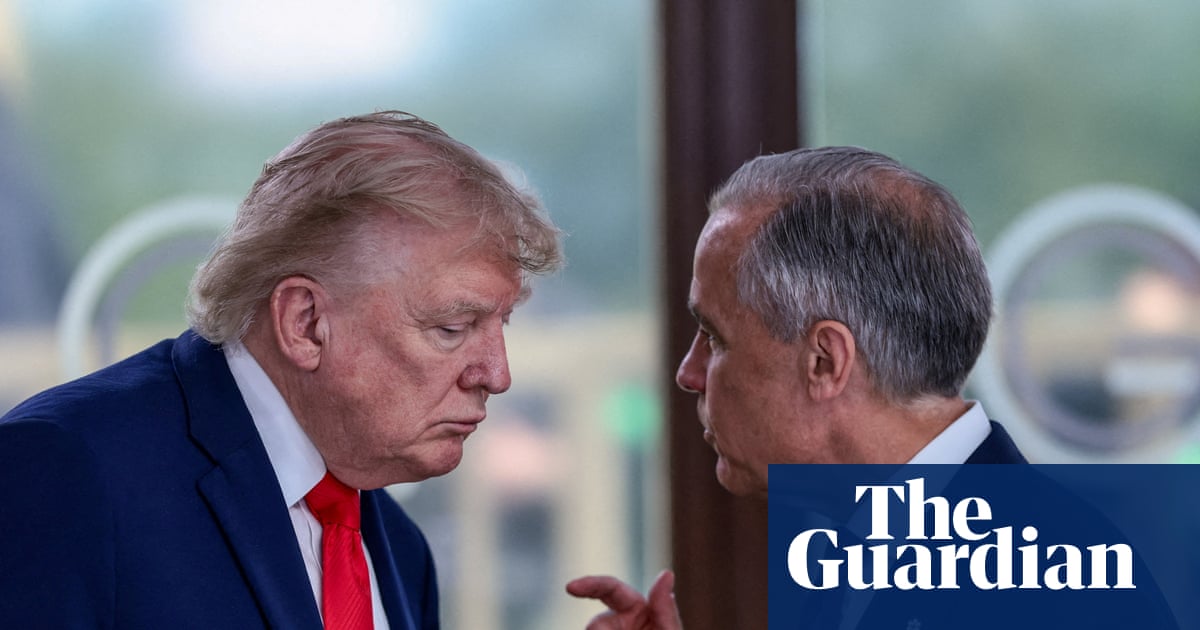
Ursula von der Leyen, moments before learning that inviting Canada to sit at the grown‑ups’ table has triggered yet another presidential tariff tantrum.
Donald Trump woke up, saw that the European Union invited Canada to consider becoming its first "associate member," and immediately threatened to torpedo transatlantic trade. Because when democracies talk to each other without his permission, the appropriate presidential response is: "very serious tariffs or stop trading with Europe". Ursula von der Leyen frames it as democracies sticking together in a collapsing rules-based order; Trump hears: "people having a meeting he wasn't invited to" and reaches for the economic nuke button.
France’s Europe minister Benjamin Haddad gently reminded Washington that the US does not, in fact, get a veto over EU decisions. An awkward detail for a president who still thinks foreign policy is like running a condo board where he can just threaten to cut off the water. While Brussels and Ottawa talk about shoring up democracy, Trump is out here turning the world economy into his personal rage toy, because the greatest country on Earth apparently can’t survive the geopolitical threat of … Canada getting a better group chat.
And as a bonus subplot, the Fed hikes rates to fight inflation and Trump jumps on Truth Social to demand 1% interest rates and complain about the trade deficit, i.e., the economic policy equivalent of yelling at clouds. So yes, while other leaders are trying to build alliances in a fractured world, the United States is once again represented by a guy threatening to blow up trade with Europe because someone was nice to Justin Trudeau.
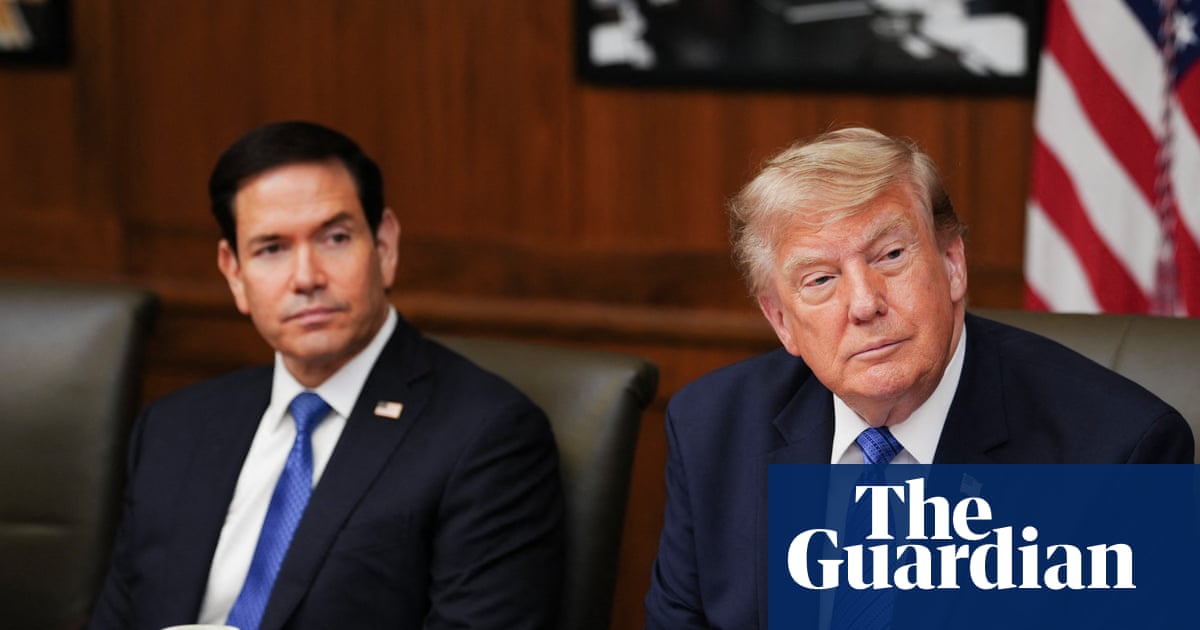
Ray Washburne, pausing mid-sentence between praising the “strong economy” and measuring Cuba’s nickel mines for new gold-plated fixtures.
Marco Rubio’s State Department has turned Cuba policy into a foreclosure sale for friends of the regime—our regime. After Trump signed a May executive order ratcheting up secondary sanctions, foreign companies stampeded out of Cuba: Canadian miners, Spanish hotel chains, European shipping firms, even Visa and Mastercard. Rubio bragged there are “no escape valves” in his pressure campaign, which is technically true unless you count the giant, clearly marked escape hatch reserved for billionaire GOP donors and well-connected lobbyists.
Now that sanctions have helpfully cleared the playing field, Trump megadonors and Florida insiders are circling Cuba’s assets like hedge-fund vultures at an organ harvest. Ray Washburne—Trump 2016 Victory Committee vice-chair and fresh off organizing the GOP’s Dallas midterm pep rally—is duking it out with fellow Texas oil tycoon and White House pal Albert Huddleston over Sherritt International’s former stake in a Cuban nickel and cobalt joint venture. The fact that Citigroup and Office Depot have nine-figure claims on those holdings is apparently just a quaint detail to be bulldozed by political access and executive orders.
The grift is so brazen even longtime Cuba policy hands are blinking in disbelief, noting that if they’d tried anything like this during the Biden years, they’d “have been put in jail.” Instead, under Trump, the reward for helping design the sanctions maze is charging top dollar to guide select clients through the hidden door marked "Donors Only." Australia’s Antilles Gold got blacklisted in June, then—what timing—received Trump’s blessing to transfer its Cuban mine stake to New York fund Global Emerging Markets. Sanctions are no longer a tool of foreign policy; they’re a lever for asset reallocation to the right guys in the right zip codes.
Just to complete the cartoonishly corrupt circle, Trump Organization executives who once scouted Cuban real estate and registered the Trump trademark on the island are reportedly back—this time under the banner of Dominari Holdings—meeting with Raúl Castro’s grandson, a man nicknamed "the Crab" because apparently "walking sideways into authoritarian kleptocracy" was taken. As Cuba’s economy collapses under US pressure, Trump and Rubio’s network isn’t just planning for a post-regime future; they’re pre-writing the terms sheet for who gets the mines, the hotels, and the cash. Freedom, it turns out, is just another word for "we sanctioned it, now we own it."

Ilhan Omar standing at a podium explaining that, no, actually, the agency that shot U.S. citizens and terrorized neighborhoods doesn’t deserve $140 billion and a pat on the head.
Trump’s second-term deportation cosplay has gotten so out of hand that Ilhan Omar is now proposing a Make ICE Pay Act to send the check back to the people whose lives ICE and CBP have been casually shredding. Her bill would block nearly $140bn from Trump’s "One Big Beautiful Bill" – you know, the one that turned immigration enforcement into a nationwide paramilitary LARP – and reroute it to the cities, small businesses, and nonprofits left picking up the pieces after the raids.
Minneapolis alone got treated to Operation Metro Surge, where thousands of federal agents flooded the city, made almost 4,000 arrests, and managed to fatally shoot two U.S. citizens, Renée Good and Alex Pretti. Local cost: about $700m and a climate of fear that cratered commerce. Elsewhere, the regime helpfully rolled out family-friendly branded crackdowns like Operation Midway Blitz, Swamp Sweet, Catahoula Crunch, Catch of the Day, Charlotte’s Web, and Black Rose – because if you’re going to terrorize communities, you might as well workshop the names like you’re launching a new cereal line.
Omar’s bill doesn’t just throw money at the wreckage; it funds investigations, truth commissions, memorials, and psychosocial support for the people ICE treated like props in Trump’s reelection snuff film. All this as ICE arrests hit a new high – nearly 50,000 in July – after Homeland Security secretary Markwayne Mullin promised a "more moderate" approach, presumably meaning they’d only kick down most of the doors. Public opinion is finally souring on ICE, but Trump’s still onstage yelling that we should "get her the hell out" while crowds chant "Send her back" at a sitting congresswoman and naturalized citizen whose family fled a civil war. The administration keeps screaming about law and order while running a federal agency that behaves like it’s allergic to both.
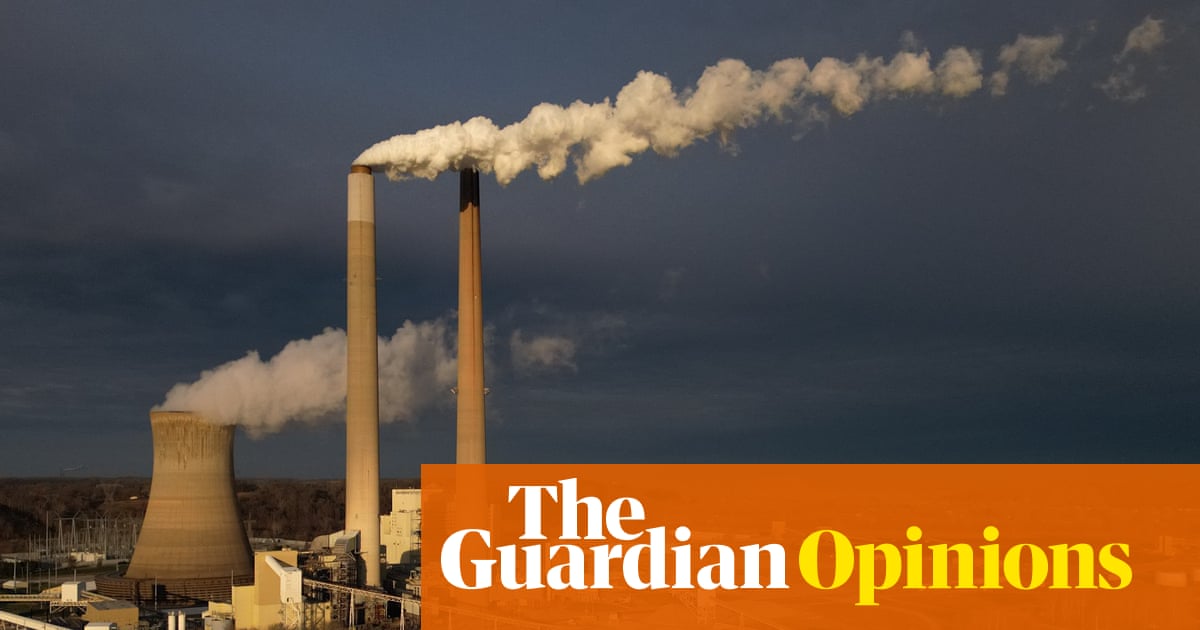
Trump gazes lovingly at a smokestack, wondering how many campaign donations each plume of carbon is worth.
The EPA just helpfully announced it will let coal- and gas-burning power plants belch more carbon, rolling back Obama/Biden-era limits because nothing says "modern superpower" like choosing 19th-century lung damage over 21st-century technology. This is only the latest entry in Trump’s deregulation binge: weakened standards for vehicles, gutted efficiency rules for home appliances, and, courtesy of the Republican supreme court supermajority, a 6–3 ruling that the EPA basically isn’t allowed to do the job Congress created it to do. Regulatory capture, but make it judicial.
Of course, the fossil fuel industry didn’t show up empty-handed. Oil and gas interests have showered Trump with at least $75m in campaign cash, nearly $12m for his 2025 inauguration, and at least $25m from just one company, Energy Transfer Partners, whose CEO apparently decided democracy is cheaper than a scrubber on a smokestack. Trump even pitched this as a “deal” to energy executives: you give me money, I give you a regulatory playground and a planet on fire. Everyone wins, except literally everyone.
But as Moira Donegan points out, it’s not just about the money; it’s about the vibes. Trump’s fossil-fuel obsession is a kind of petro-masculinity: coal, oil, and giant trucks are coded as manly and dominant, while solar panels and efficiency are treated as dainty yoga-mat nonsense. The administration isn’t just protecting donors; it’s defending a fragile, performative masculinity that needs cowboy hats, asphalt, and pumpjacks to feel important. Green energy isn’t just an economic rival; it’s an affront to the cult of the big truck.
Underneath the chaos, there’s a clear throughline: Trump’s worship of a brutish, consequence-free masculinity that delights in domination and despises responsibility. He’ll literally trash the climate, sabotage US competitiveness against China on clean energy, and strip citizens of basic environmental protections just to keep the fantasy going. The message from the White House is simple: real men burn stuff, real money buys policy, and if the future gets incinerated in the process, that’s a problem for wimps and children.

An airliner glides over the future site of the Trump Arch, blissfully unaware that the president wants to turn its approach path into a game of Monument Jenga.
The Trump administration has decided that what the nation’s most congested and recently-deadly airspace really needs is… a 250-foot Trump Arch jammed two miles off the main runway at Reagan National. Because when experts say D.C. airspace is already a nightmare, Trump hears, “great place for a giant ego totem.” Planes pass over the site every 45 to 60 seconds, which is generally not where you place large new hard things, unless your policy process is literally just a Sharpie and a mood.
A preliminary FAA report says the arch is "probably fine" as long as it has blinking red lights on top, like the Washington Monument, while a more comprehensive study quietly drags on somewhere behind the political pressure to rubber-stamp Dear Leader’s gateway to himself. Aviation safety experts, freed from the burden of needing a West Wing Christmas party invite, call the idea "inherently dangerous" and "unbelievably ridiculous"—which, to be fair, is also the unofficial motto of this administration.
So we have: a tiny airport with a single runway, wedged between prohibited airspace, still traumatized from a 2025 midair collision that killed 67 people—and the White House wants to add a 250-foot arch plus 320-foot construction cranes into the flight paths because Trump wants a skyline participation trophy. America’s institutions were not designed to withstand one man’s need to see his brand from 10,000 feet.
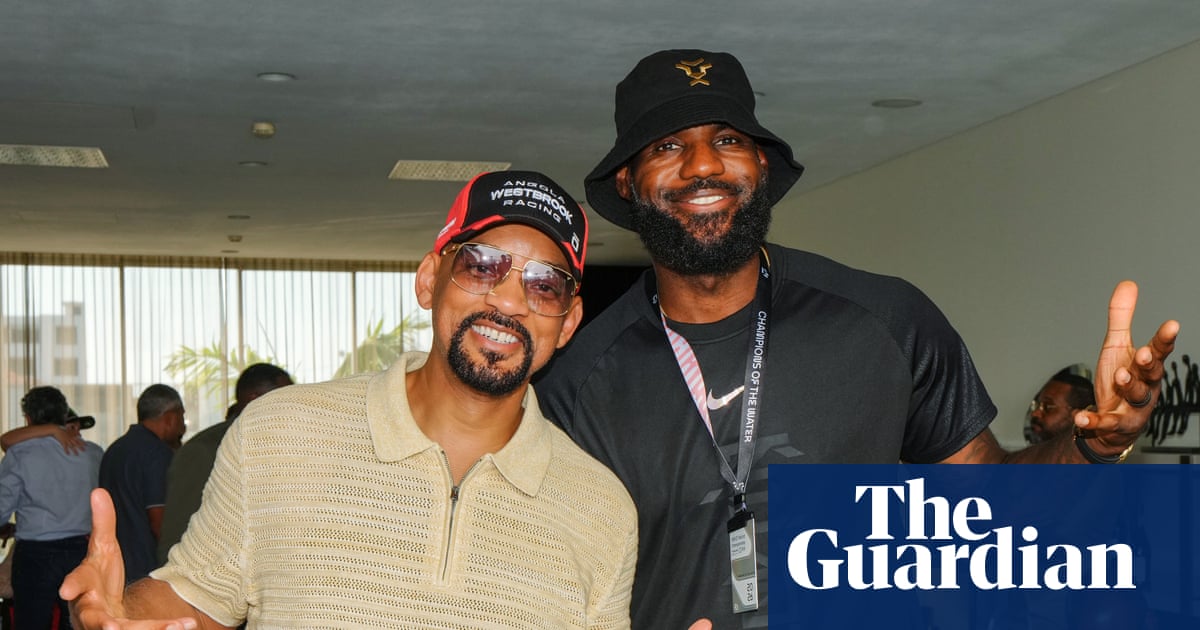
LeBron James and João Lourenço, proving that nothing builds a brand like a photo op with the guy criminalizing protest.
Once upon a time, LeBron James criticizing Donald Trump was so "dangerous" that Fox News told him to shut up and dribble. Fast forward through Trump’s second term and LeBron has largely taken that advice to heart – except now he’s dribbling straight into the loving arms of foreign authoritarians who make Trump’s constitutional tantrums look like community theater.
On a glam trip to Angola, LeBron and Will Smith got the full presidential palace treatment from João Lourenço, a guy who’s busy turning his country into a cautionary tale: new laws to let the government spy on and suspend NGOs, effectively criminalized protest with penalties up to 25 years, and security forces supervising the media like it’s their group project. While civil society gets strangled, the regime splurges on FIFA-compliant stadiums, E1 raceboats, and celebrity selfies to buy itself a shiny new image. LeBron obligingly talks up history and heritage; Lourenço gets the soft-power glow-up.
The depressing twist is that some of this is genuinely meaningful: African diaspora stars reconnecting with Angola’s brutal slave-trade history and trying to steer money back to a plundered region. But when you do it hand-in-hand with the guy writing the repression laws, you’re not just boosting tourism – you’re cosigning the brand. It’s sportswashing 101, a class already aced by Rwanda’s Paul Kagame, Saudi Arabia, and every other strongman who figured out that a stadium, a sponsorship deal, and a famous athlete are cheaper than real human rights reforms.
LeBron has seen firsthand what happens when an authoritarian-curious leader in his own country attacks protesters, the press, and basic democratic norms. Yet abroad, he’s helping prop up the same model in slightly different packaging. Turns out you don’t have to wear a red hat to help the machine; you can also do it courtside, smiling next to a president who locks up people for the crime of disagreeing with him.
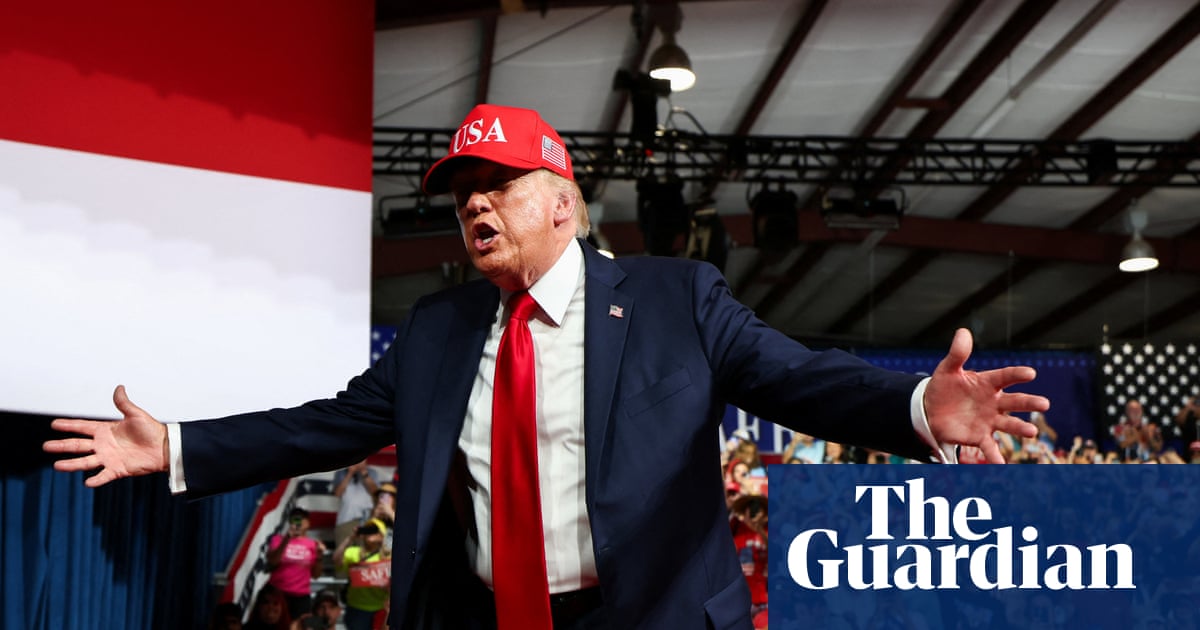
Trump congratulates Michael Whatley for successfully completing the ‘will obey without question’ portion of the job interview.
Donald Trump rolled into Gastonia, North Carolina, to tell voters to “pretend I’m on the ticket” and “crush the communists,” because nothing says healthy democracy like a sitting president demanding voters LARP a personality cult into existence. He was there to boost Michael Whatley, his hand-picked former RNC chair and current Senate candidate, whom he lovingly described as a “ball-breaker” and “one of the greatest men I ever worked with in government” – a chilling endorsement from the man whose administration thought tear-gassing protesters was a normal photo-op cost.
Trump then did what Trump always does: grabbed a local tragedy, lied about it, and used it as a racialized campaign prop. He invoked the murder of 23-year-old Ukrainian refugee Iryna Zarutska and falsely claimed the suspect was released from prison by Democrat Roy Cooper, then splashed dozens of mugshots on a giant screen while explicitly comparing his smear to the infamous Willie Horton ad. The message was clear: policy is for losers; we have fear porn and race-baiting.
Whatley, auditioning for the role of Loyal Henchman #3, called Trump the “greatest president of our lifetime” and happily tethered his fortunes to a guy currently screaming that the Federal Reserve is “very hostile” to him because it raised interest rates to deal with persistent inflation. Trump, naturally, responded by declaring rates “too high” and calling Fed officials “a bunch of politicians,” which is rich coming from a man who treats every independent institution like a personal landscaping company he can stiff.
So the pitch to North Carolina is simple: vote for Trump’s chosen “law and order” candidate who thinks criminals should be “executed, arrested or deported,” back a president running on fake crime stories and Cold War cosplay about “communists,” and hope that somewhere in there your grocery bill magically drops. It’s not a platform so much as an authoritarian vibes tour with a Senate seat stapled to it.
Screenshot of Congress pretending, for the cameras, that it hasn’t spent 20 years outsourcing war decisions to whichever president is currently yelling the loudest.
NBC reports on a "growing GOP divide" over the Iran war, which is Washington-speak for: a few Republicans briefly remembered that the Constitution says Congress is supposed to declare war, while the rest are still busy polishing the imperial presidency like it's a donor's yacht. Some are backing a resolution to claw back a shred of legislative authority over Iran, others are clutching their pearls at the thought of putting even the tiniest speed bump in front of another open-ended Middle East adventure.
This isn't a moral awakening so much as a branding crisis. The same party that spent years cheering on unilateral drone strikes and rubber-stamped AUMFs is now having a very public identity panic about whether endless war is still polling well in the suburbs. War powers suddenly matter again, but only because the political math got messy, not because anyone discovered a dusty copy of the Constitution behind Jim Jordan's unused subpoena folder.
Meanwhile, the subtext is the same as it's been for two decades: presidents of both parties treat Congress like a focus group, not a coequal branch, and lawmakers are outraged for roughly 36 hours before going back to passing "strongly worded" resolutions. The "divide" isn't about whether to keep stumbling toward forever war; it's about who gets to pretend they tried to stop it while it happens anyway. Checks and balances have entered the chat, but they're on mute.
Wednesday, September 16, 2026

Artist’s rendering of US foreign policy: a giant pallet of 2,000lb bombs labeled "human rights" and "stability" being forklifted onto a departing plane.
Gregory Meeks, the top Democrat on the House Foreign Affairs Committee, has done the unthinkable in Washington: read the words "40,000 2,000lb bombs" and concluded that maybe, just maybe, this is not how you "rebuild" Gaza or keep civilians alive in Lebanon. He’s refusing to back Trump’s proposed $2.8 billion arms sale to Israel, pointing out that these are "some of the most destructive munitions in our arsenal" and that international law is allegedly still a thing we pretend to care about.
Unfortunately for Meeks, Trump has discovered the cheat codes. Because the bombs are being pushed under Foreign Military Financing — i.e., the "American taxpayers pick up the tab for your war toys" program — the administration can simply declare an "emergency" and steamroll Congress. Unless two-thirds of both chambers grow a spine simultaneously and pass a veto-proof resolution, Trump can just press the big red "EMERGENCY = MORE BOMBS" button and call it a day.
Biden once paused a shipment of these same 2,000lb General Dynamics specials in 2024 over their use in Gaza. Trump, upon returning to office, promptly reversed that, because if there’s one consistent principle in this administration, it’s that the solution to any crisis is more explosives and less oversight. J Street helpfully noted, "You cannot rebuild Gaza with 2,000lb bombs," which is true, but tragically misunderstands that "rebuilding" was never the point. The point is that US policy has devolved into a taxpayer-funded loyalty program where the reward tier is "consequences not included."
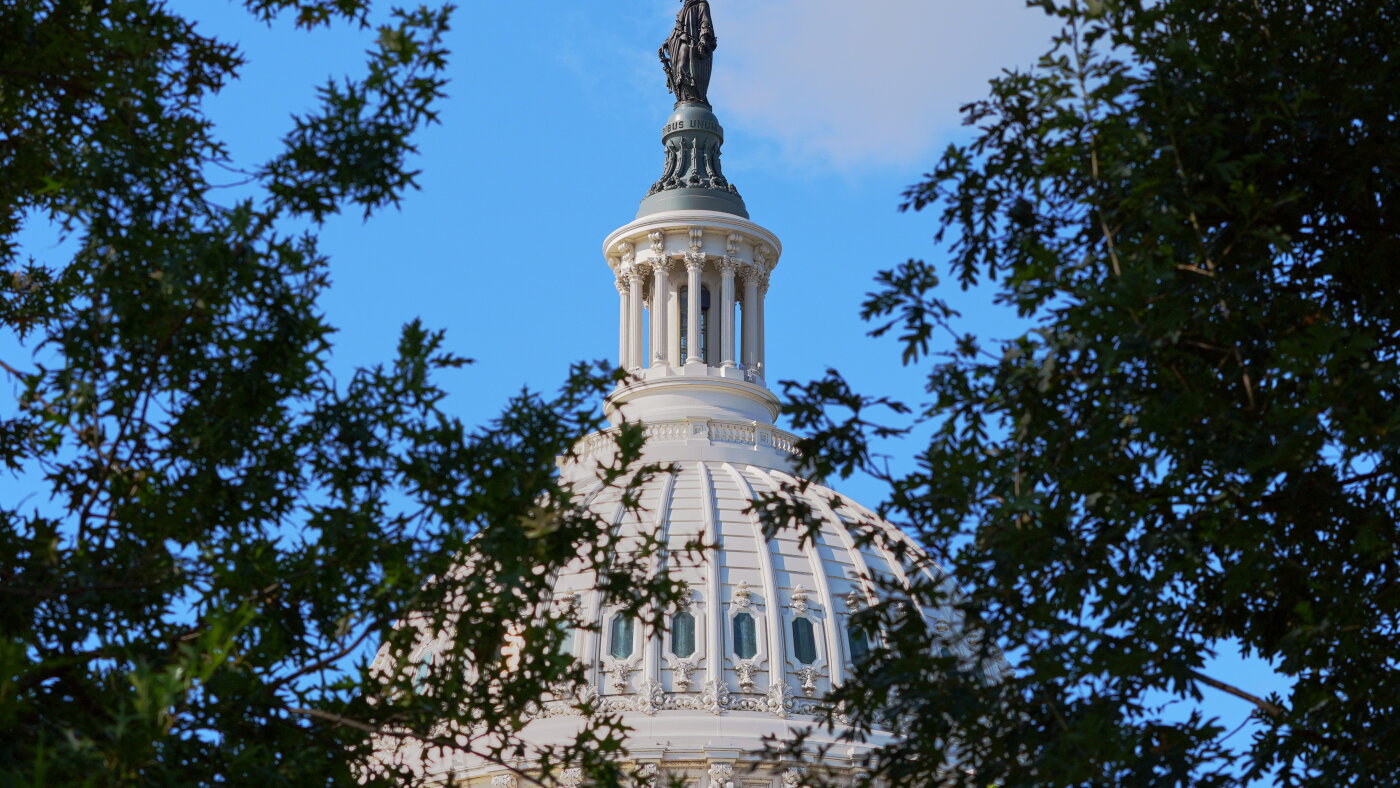
The U.S. Capitol, moments before Congress decided the best way to check authoritarianism abroad was to super-size it at home.
Congress has bravely responded to Russia’s ongoing war in Ukraine by… handing Donald Trump a shiny new economic doomsday button and hoping he doesn’t press it for fun. The House passed a Russia sanctions bill 262–159, allegedly to squeeze Vladimir Putin, but also to give Trump unilateral authority to slap tariffs of up to 100% on basically any country he feels like declaring a “facilitator” of sanctions evasion. No guardrails, no oversight, no expiration — just a blank check stapled to a rage-tweet.
Republicans like Michael McCaul solemnly assured everyone this is a “moral issue that requires moral courage,” which is an inspired way of describing, "We wrote the guy who loves trade wars a new trade-war toy and didn’t even bother with an off switch." Democrats warning that Trump could redefine almost any nation as a target — China, India, or whoever annoyed him on cable news that morning — were outvoted, because nothing says "responsible governance" like outsourcing global economic policy to a man who once threatened tariffs over French wine and Canadian dairy.
As a bonus joke, the package is named for Lindsey Graham, a man whose entire political brand is standing up to bullies by fetching their slippers. So yes, the Lindsey Graham Act: a bill that pretends to punish Putin while quietly supercharging Trump’s ability to wage personal trade vendettas against half the planet. The U.S. Capitol may be in the photo, but the message from Congress is clear: long live the imperial presidency, may our checks and balances rest in peace.
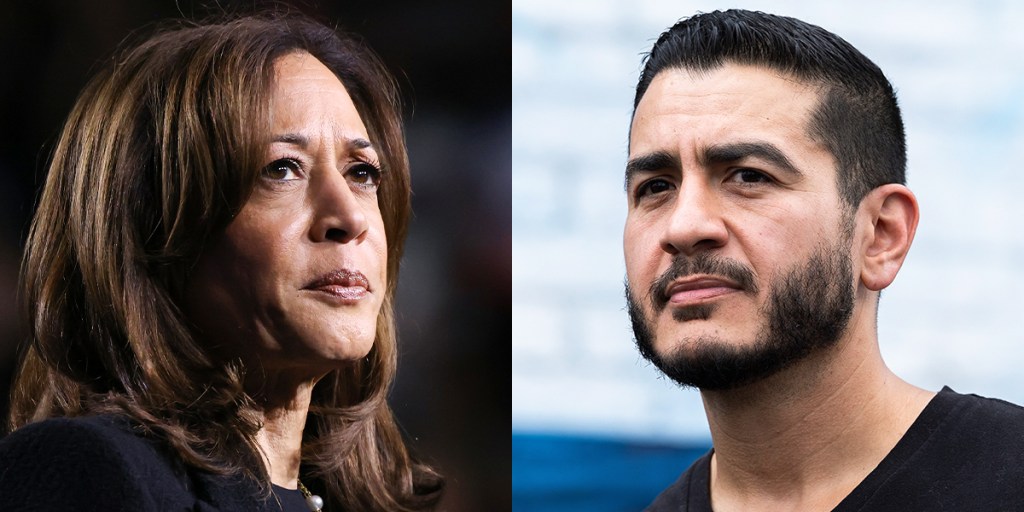
Kamala Harris and Abdul El-Sayed smile for the cameras while offscreen Republicans furiously practice saying “Abdulrahman Mohamed El-Sayed” in their most ominous voice.
Kamala Harris is heading back to Michigan to campaign with Democratic Senate nominee Abdul El-Sayed, because apparently one of the swing states Trump barely won in 2024 is still trying to recover from its brush with greatness. Harris will talk Black maternal health and healthcare costs, while also politely reminding everyone that flipping the Senate would be helpful for such minor tasks as "bringing down prices" and "standing up to Donald Trump’s corruption"—which is a very diplomatic way of saying "please stop electing people who treat government like a GoFundMe scam."
El-Sayed is running against former GOP Rep. Mike Rogers, whose main hobbies allegedly include taking corporate money and contemplating how adorable it would be if you had to work until you disintegrate on the job. El-Sayed has been calling Rogers out for being bought and paid for by Big Pharma, saying Michiganders are literally sick of his corruption—because when your opponent is a walking, talking conflict of interest, you might as well lean in. Republicans, naturally, responded to this by doing what they do best: screaming "radical" and "dangerous" while carefully pronouncing his full Muslim name like it’s an evidence exhibit at a fascism cosplay convention.
On cue, Vice President JD Vance—America’s leading authority on performative grievance and bootlicking—has declared El-Sayed "evil," which is rich coming from a guy serving under Donald "classified-documents-in-the-bathroom" Trump. The NRSC is running throwback Islamophobia, trying to turn El-Sayed into the 2026 reboot of Barack Hussein Obama, complete with ominous full-name usage and vibes-based accusations of extremism. El-Sayed, who would be the first Muslim U.S. senator, has the audacity to think people should afford groceries and healthcare, which Republicans insist is "radical" because it conflicts with their long-standing policy of worshipping donor profits and calling it freedom.
So now Michigan gets to choose between a public-health guy who wants people not to die from poverty, and a corporate-friendly Republican whose party is still stapled to Trump’s corruption, an unpopular Iran war, and the endless culture-war reruns of the Obama era. Truly, a tough call—if your brain has been marinating in Fox News since 2008.
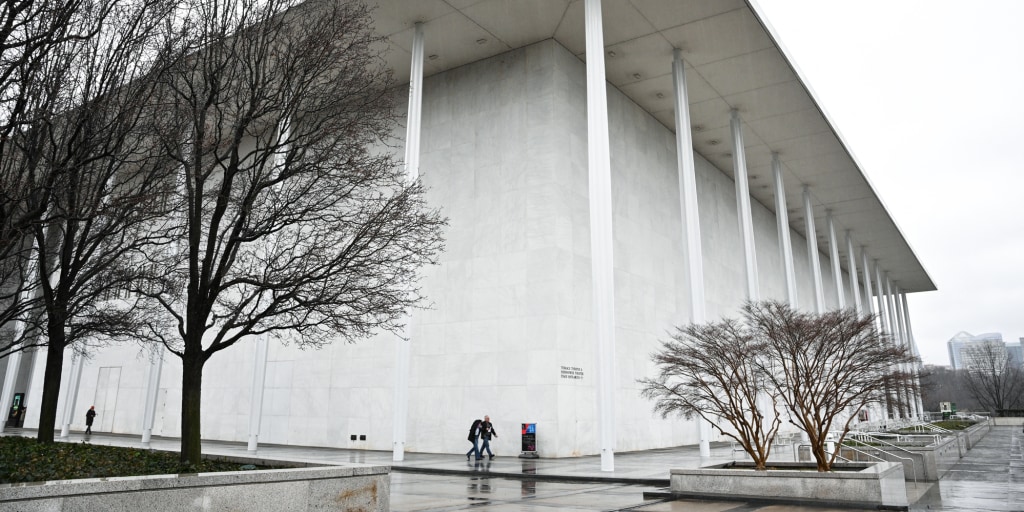
Artist’s rendering of the Kennedy Center renovation plan: remove JFK, add TRUMP, tarp the Constitution.
Donald Trump, former pitchman for fraudulent steaks and casinos that die faster than his marriages, has decided that the John F. Kennedy Center for the Performing Arts should really be about the only slain president who matters: himself. After a federal court told him he can't just sharpie his name onto a congressionally designated JFK memorial, the White House complied by taking his name down and then literally throwing a tarp over the corrected sign so no one can see it. Because nothing says "respect for the rule of law" like treating a court order as a spoiler alert you can cover with plastic.
Trump stacked the Kennedy Center board with loyalists, fired longtime chair David Rubenstein — the guy who donated $120 million to the place — and made himself chairman, because of course he did. Programming tanked, ticket revenue cratered, and major tenants like the Washington Opera and the National Symphony Orchestra fled to smaller venues scattered around D.C., Virginia, and Maryland. Dance and jazz are canceled, the Kennedy Center Honors and Mark Twain Prize are being exiled to backup locations, and the nation's premier arts venue has been turned into a hostage in a one-man branding war.
In a very normal president move, Trump "pledged" $17 million of his own money for renovations, but only if his name goes back on the facade — and threatened on Truth Social that if the courts don't let him carve TRUMP onto JFK's memorial and the Supreme Court doesn't rescue him, "the Reconstruction and the Renovation" simply "will not take place." So the functioning of a national cultural institution, created by Congress as the sole official memorial to John F. Kennedy, now depends on whether one narcissistic landlord gets his logo rights. Democracy, but make it naming rights.
Meanwhile, on the "actual war" side of the Trump presidency, the GOP-led House once again passed a (nonbinding) war powers resolution telling Trump he needs Congress before escalating in Iran. A handful of Republicans facing tough reelections suddenly discovered the Constitution and decided maybe endless war without authorization is bad optics when only 26% of adults approve of Trump's handling of Iran. The resolution doesn't do anything concrete, but it's a handy reminder that even some Republicans are starting to notice that letting a guy who’s currently blackmailing the Kennedy Center also freelance a forever-war might not be the best idea.
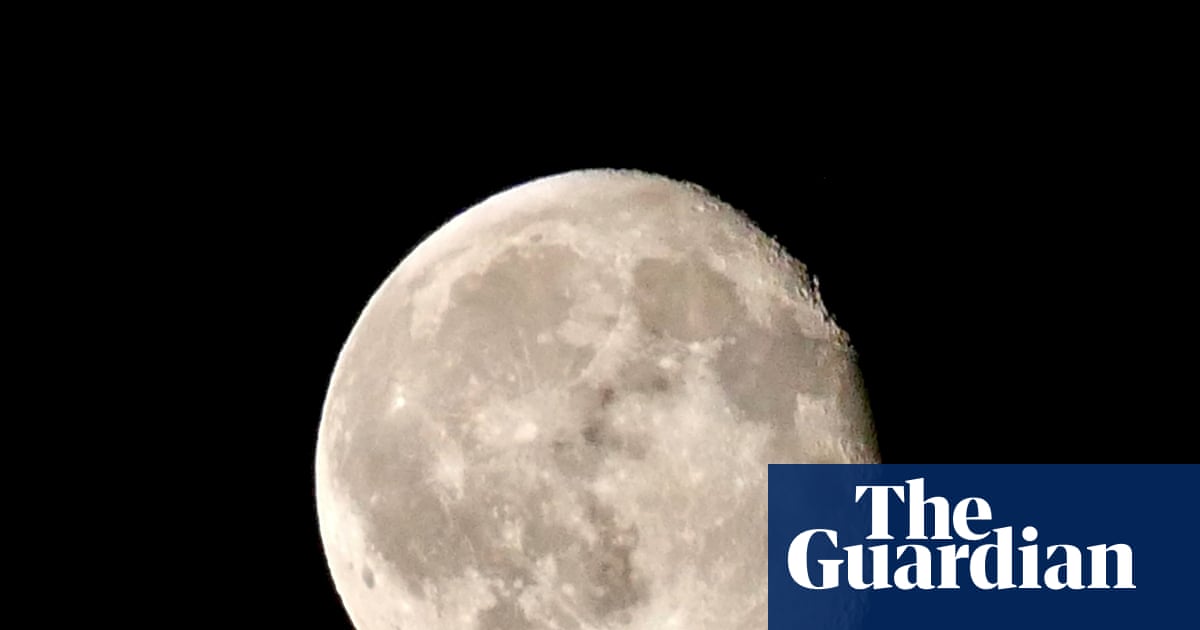
Artist’s impression of future U.S. troops "defending freedom" by starting a jurisdictional dispute on the dark side of the moon.
The Trump administration has decided Earth is too small for its security paranoia and is now workshopping war plans around the moon. Gen Dan Caine, Trump’s handpicked chairman of the joint chiefs, announced that U.S. forces must be ready to "fight, endure and win" from the seabed to cislunar space, because apparently nothing says "stable democracy" like casually extending the battlefield to the entire volume between here and the moon.
Not to be outdone, Lt Gen Gregory Gagnon is proudly explaining that Space Force—the agency Trump created as a punchline and then staffed like a defense contractor’s wishlist—is prepping to defend "U.S. interests" in space, just days after the Pentagon admitted it has fielded "on-orbit space control weapons". That phrase used to live exclusively in dystopian sci-fi and PowerPoints at Lockheed; now it’s U.S. policy. The tiny hitch: there’s this annoying Outer Space Treaty that says celestial bodies like the moon are for peaceful purposes and bans certain weapons in space. The administration’s answer? Squint hard enough at the law and hope no one notices the gun floating past the lunar horizon.
China, doing its best impression of the responsible adult in the room, is publicly reminding the U.S. that it "opposes the weaponization" of space and would really prefer not to have an arms race in orbit. Meanwhile, the U.S. is planning to double the size of Space Force, with two-thirds of that growth going straight into Combat Forces Command, because if you’re going to shred decades of arms control norms, you might as well bulk up the payroll while you’re at it. The Cold War had a nuclear arms race; Trump’s America is going for the deluxe expansion pack: a cislunar arms race with subscription-billing for defense contractors.
