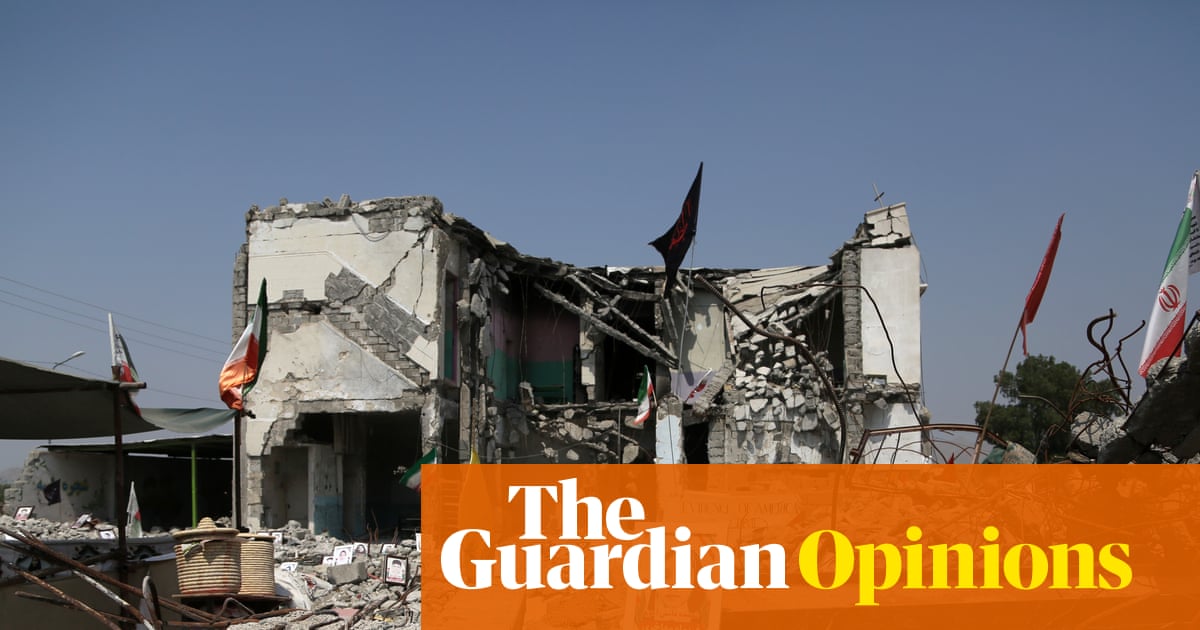
An AI-powered targeting interface, thoughtfully designed so that no human has to feel personally responsible for the war crime they just clicked 'confirm' on.
AI doomers are busy warning about hypothetical robot overlords while the actual AI is already doing what US foreign policy does best: helping bomb brown children and track immigrants. Israel used AI systems to auto-generate thousands of targets in Gaza with barely any human oversight, and the US joined the fun with an AI-assisted airstrike in Iran that hit an elementary school and killed 156 civilians. Congratulations to the "responsible innovation" crowd on their latest beta test.
Back home, the surveillance state is having the time of its life. DHS is using AI tools, including Microsoft Azure, to monitor, arrest, and deport immigrants at scale, while cops deploy facial recognition that keeps misidentifying Black and Latino people and feeding them into the carceral system. The NYPD’s Microsoft-built Domain Awareness System slurps in data from 18,000 cameras and exports the model to Georgia, Brazil, Singapore, and whoever else wants a turnkey techno-police state. Meanwhile, AI datacenters get parked in poor, rural communities, trading clean air for the privilege of powering your boss’s productivity tools.
You might think this would be a good moment for some democratic oversight. Instead, Donald Trump calls AI risks a "hoax" and insists any effort to limit it is a "sick conspiracy", while House Republicans blame Chinese disinformation for Americans not wanting a cancer factory humming next to their kids’ school. Israel’s culture minister Miki Zohar threatens to strip citizenship from documentary filmmakers who expose AI-assisted mass killing, because nothing says "we’re using this tech responsibly" like punishing the people who document what it actually does. But don’t worry, the same billionaires who spent years racing to build this stuff now assure us they’re very concerned.
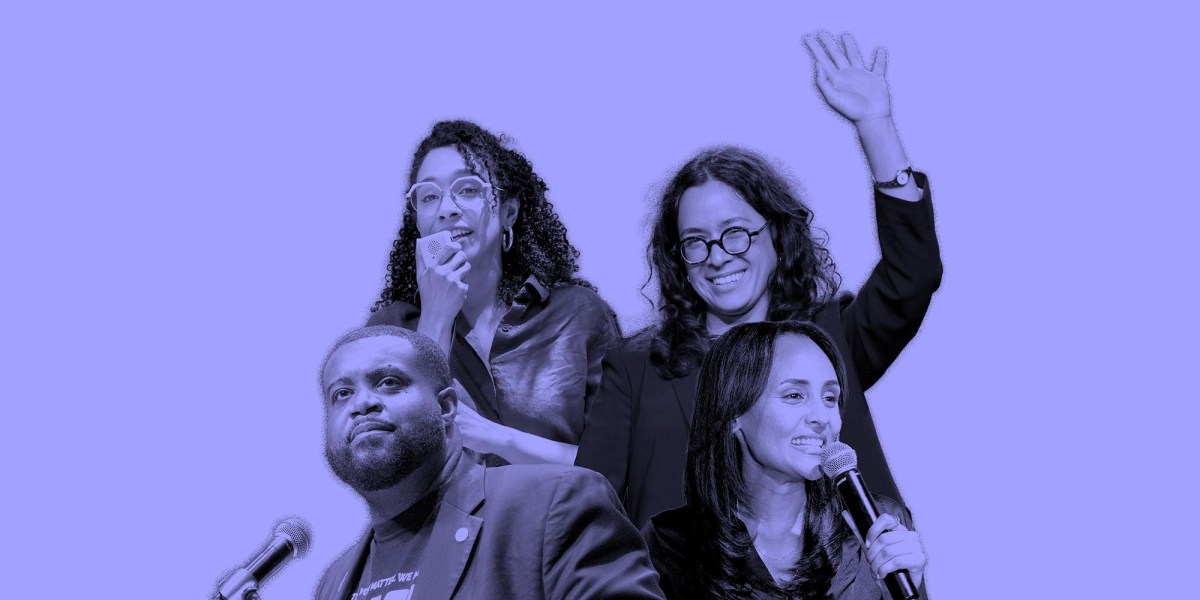
Democratic leaders stare at a detailed blueprint for winning elections, then gently file it in the trash next to "codify Roe" and "don’t let fascists run the country."
Justice Democrats, the group that helped send Alexandria Ocasio-Cortez, Ilhan Omar, and Rashida Tlaib to Congress, somehow survived a $100 million AIPAC carpet-bombing and is now handing the Democratic Party a step-by-step guide on how to not lose the country to Trump’s authoritarian fan club again. After getting mauled by pro-Israel lobby money last cycle, they regrouped, endorsed 15 candidates, and watched seven of them win primaries — three of them knocking off incumbents who thought "being a Democrat" was the same thing as "having a pulse."
Instead of the usual "strongly worded letter" cosplay that passes for resistance in Chuck Schumer’s world, Justice Democrats is openly talking about taking on corporate power, AIPAC, crypto, and AI — basically the entire donor Rolodex of both parties. Usamah Andrabi politely explains that if Democrats don’t learn from the left about what to actually fight for, they’ll keep sleepwalking the country back into a "fascist and authoritarian regime" funded by the same corporate interests underwriting the DNC. A refreshing message for a party whose long-term strategy is typically: have you tried vibes?
While they’re trying to build a real base, the broader backdrop is Trump raging against CNN, Politico, and MS Now, attempting to strip press credentials until a federal judge told him no, and Trump ally David Ellison moving to swallow Paramount and Warner Bros., possibly with Elon Musk’s money. So on one side you’ve got democratic socialists scraping together small-dollar donations to keep democracy on life support; on the other, a sulking president and a couple of bored billionaires assembling a media Death Star. But sure, tell us again how the real problem is that the left is "too mean on Twitter."
Campaign debates used to be the part of democracy where candidates had to say things to each other’s faces instead of just laundering attacks through super PACs and rage‑bait ads. Now, across some of the most competitive gubernatorial and Senate races, both parties are deciding that facing voters and opponents in real time is an optional feature of self‑government. Arizona, Florida, Nevada, Ohio, Texas — a growing list of high‑stakes races where the only "debate" is between dueling 30‑second hit jobs funded by dark money.
Florida’s David Jolly says he won’t debate Byron Donalds because you “can’t debate a liar,” while Ohio’s Amy Acton won’t share a stage with Vivek Ramaswamy because she thinks he’s dangerous. Greg Abbott just isn’t bothering to explain why he won’t debate Gina Hinojosa at all, and Joe Lombardo is ghosting Aaron Ford’s invitations like a bad Tinder match. Meanwhile, Arizona’s Katie Hobbs has upgraded her excuse software from "Kari Lake will turn this into a circus" to the new 2026 patch: debates are now just "short soundbites and political theater" — unlike, say, her own campaign’s short soundbites and political theater.
Even the Senate — allegedly the Temple of Debate™ — is quietly boarding up the windows. James Talarico is begging Ken Paxton to argue with him on Fox News, a.k.a. Paxton’s "safe space," while Roy Cooper and Michael Whatley play a rousing game of "after you" with debate invitations in North Carolina. Consultants openly admit what this really is: why risk an unscripted hour of accountability when you can spend millions micro‑targeting voters who won’t sit through more than a 15‑second clip? The American experiment has now reached the phase where democracy is considered too risky for politicians.
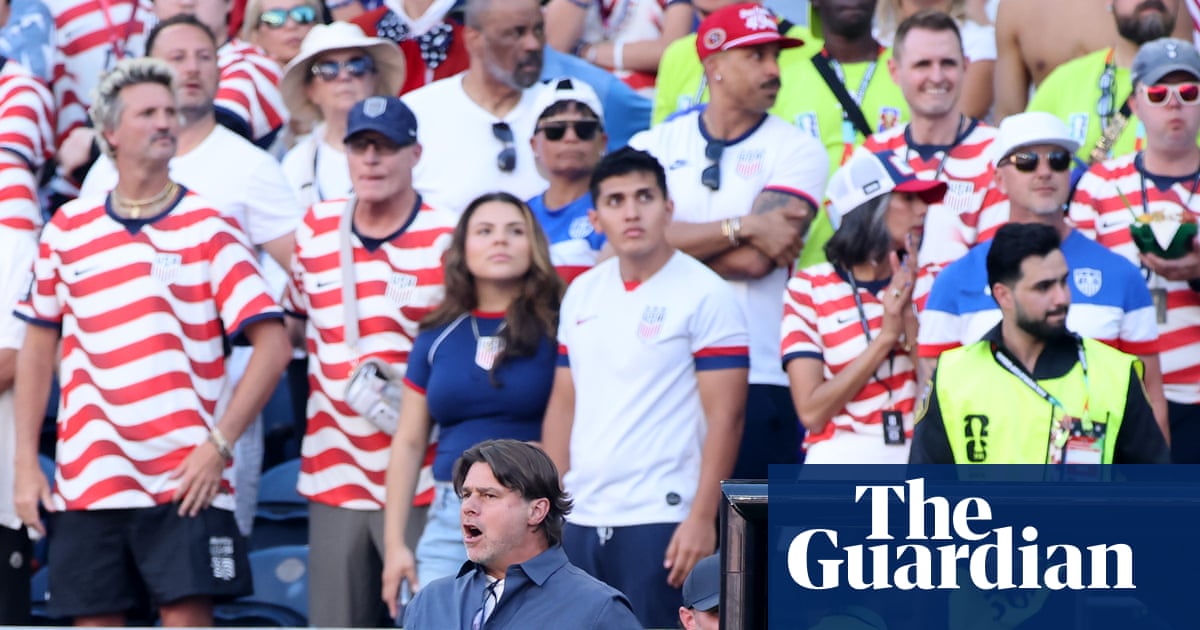
Gianni Infantino pretending the disciplinary committee acted independently while Trump is still on speakerphone.
USMNT coach Mauricio Pochettino is now gently admitting what everyone with a functioning brain stem noticed at the time: having the President of the United States personally call FIFA president Gianni Infantino to get Folarin Balogun’s red card overturned might not have been the shining moment of sporting integrity the Trump White House thought it was. Trump bragged that he picked up the phone to lobby FIFA, FIFA swears their disciplinary committee just coincidentally came to the exact same conclusion after the call, and the rest of the world added this to the ever-growing file labeled: "Ah, so the rules only count when they help you."
Pochettino now says he wishes he’d been "more involved" in the decision, which is a polite way of saying, "maybe we shouldn't have turned a disciplinary ruling into a presidential favor from the world’s loudest man-child." The whole circus dumped a giant cloud of bad energy over the U.S. team, gave Belgium extra motivation, and ended with a 4–1 humiliation where tactics didn’t matter because the emotional and political fallout had already torched the locker room. Balogun himself later said he felt uncomfortable with the spotlight, which is what happens when your suspension becomes a joint production of U.S. Soccer, FIFA, and the Oval Office Casting Couch.
Pochettino’s big takeaway? Decisions like this should be handled by a "much more limited structure" and be "strictly sporting and common sense" — so, for example, not decided by a president chasing a Fox News highlight reel and a FIFA president allergic to the concept of independent governance. American democracy, FIFA governance, and now international soccer discipline: all quietly agreeing that under Trump, the rules are just suggestions until a powerful guy picks up the phone.
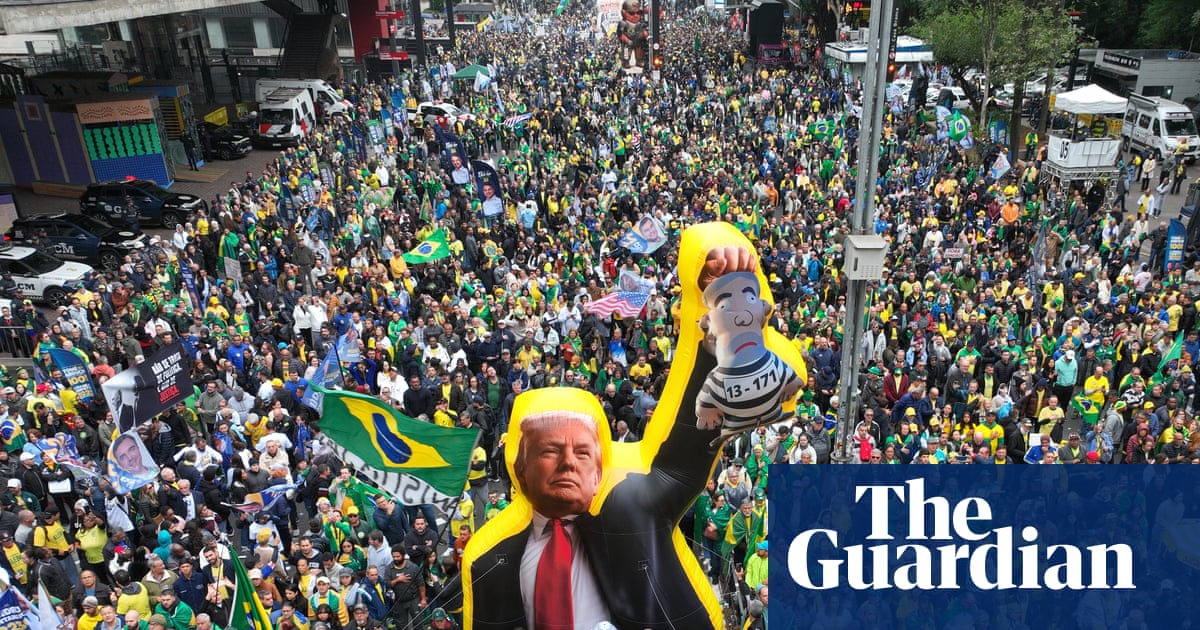
Trump beams down from a giant screen under an exit sign, which is the most honest campaign advice Republicans have gotten all year.
Republicans are experiencing a rare, possibly endangered phenomenon: dissent. With Trump demanding voters pretend he’s on the ballot — while sporting historically awful approval ratings — GOP candidates are suddenly discovering that tying themselves to an unpopular authoritarian who started a disastrous war with Iran and jacked up prices might not be the electoral cheat code they were promised. A plurality of voters now say their midterm vote is basically a referendum on how much they’d like Trump to go away, which is not exactly the branding the RNC was going for.
The loyalty cult is also springing leaks in the Senate, where Utah Republican Sen. John Curtis — not even up for reelection until 2030 — is calling for a Judiciary Committee investigation into Donald Trump Jr. after ProPublica reported that a Russian oligarch bankrolled large chunks of Don Jr.’s lavish wedding party. When senators from Utah are publicly side-eyeing your oligarch-financed family festivities, it’s a hint that your once-terrifying grip on the party might be slipping. GOP strategists are whispering that Trump "doesn't have the juice" he used to, which is a polite way of saying the strongman act looks a lot less impressive when the economy’s wrecked, the war is a mess, and your son’s reception reads like a sanctions violation with a cake.
Brazilian election workers prepare voting machines so the people can choose their president, while Washington frantically searches for the ‘install US-friendly strongman’ button.
Trump’s foreign policy brain trust (so, Trump and whatever YouTube channel JD Vance was watching last week) has apparently decided that democracy in Brazil is negotiable, but cheap access to rare earths is non‑negotiable. Lula’s campaign is openly accusing the US president of trying to “colonise Brazil” by helping far-right mini-me Flávio Bolsonaro win next month’s election, complete with a campaign ad spelling it out: Trump gets the minerals, Bolsonaro gets power, Brazilians get dust.
The State Department, now starring Marco Rubio as Secretary of Regime Change, insists this is all a “baseless lie” while the administration slaps 25% tariffs on Brazilian imports and leans on Brasília with what Democrats in Congress delicately call a “sustained, multifaceted campaign of interference and destabilisation”. Translation: economic blackmail, diplomatic pressure, and Big Tech help, all wrapped in the flag and sold as “defending democracy”.
It’s not just the left calling it out. Another right-wing candidate, Renan Santos, is on video saying he doesn’t want Brazil turned into a US vassal state so Trump can lock down rare earths contracts, and explicitly warns against Latin America becoming an American protectorate. Meanwhile, a confidential Brazilian intelligence document reportedly warns of a “critical level” risk of US interference, and Lula’s team is organizing street mobilizations to push back against Washington’s resource grab. The Trump administration hasn’t answered Congress’s question about whether it will respect Brazil’s election, presumably because the honest answer is no.
New Yorkers attempt the radical act of standing in a street to protest genocide, while Trump’s State Department works tirelessly to make sure the bombs arrive on time.
New York briefly remembered it’s supposed to be a liberal city and lined the streets to protest Benjamin Netanyahu’s speech at the UN, while he tried to explain away a years-long slaughter in Gaza that much of the world is now openly calling genocide. Hundreds formed a human chain to block a road into the UN, and thousands more poured into the surrounding streets, hitting what organizers gleefully called "2024 numbers"—you know, back before Trump started deporting, jailing, and otherwise disappearing Palestine solidarity organizers like they were an inconvenient search history.
Mayor Zohran Mamdani politely skipped the march but still went on TV to call Netanyahu a "war criminal" and say that if the ICC wants him, maybe he shouldn’t be getting the red-carpet treatment in Midtown. Local officials and rising progressive candidates joined the blockade, some getting arrested alongside celebrities like Susan Sarandon and Hannah Einbinder, because in Trump’s America, "member of Congress" and "defendant" are increasingly overlapping job descriptions—though usually for very different reasons.
Organizers pushed actual material demands: divesting city pension funds from Israel bonds, cracking down on New York–based profiteers selling stolen Palestinian land, investigating "charities" that funnel military gear to West Bank settlements, and cutting ties with ICE. Meanwhile, on the other side of the UN’s security wall, Trump had just approved yet another $2.8 billion in weapons for Israel, helpfully ensuring that whatever Netanyahu was justifying inside, there’d be plenty more to protest outside. The killing in Gaza continues; the administration keeps signing the checks; and the only thing getting "silenced" is any pretense that this is about democracy or human rights.
The National Museum of American History, moments before being replaced by the National Museum of Approved Feelings About the Founding Fathers.
The Smithsonian’s National Museum of American History made the unforgivable mistake of doing history: mentioning that Benjamin Franklin, beloved kite enthusiast, also enslaved people and may have used them in his electrical experiments. That tiny acknowledgment of reality triggered a 162-page White House manifesto about "ideological capture"—because nothing says serious governance like the president rage-editing museum labels.
From there, Trump went full Ministry of Culture. In 2025 he signed an executive order declaring the Smithsonian infected with "divisive, race-centered ideology"; on July 4th, 2026, the White House dropped its report just in time for the nation’s 250th birthday, so we could celebrate independence by watching the executive branch try to muzzle a museum. Republicans in the House then hauled in museum director Anthea Hartig for back-to-back hearings so they could theatrically interrogate her about, among other things, a "chrome and rubber crotch harness"—because if you can’t govern, you can at least yell about sex gear in a hearing room.
Trump followed up with another executive order instructing Interior to put up warning signs outside the museum to alert visitors they might encounter dangerous concepts like slavery and complexity. The signs haven’t appeared yet, but Interior Secretary Doug Burgum has already threatened the Smithsonian’s Board of Regents, declaring that federal agencies "cannot in good conscience" keep supporting the institution under current leadership. Meanwhile, the Smithsonian still depends on Congress and the White House for about 62% of its budget—over $1 billion a year—so all this "concern" comes with a baseball bat attached.
Under mounting political pressure and escalating budget threats, Smithsonian secretary Lonnie Bunch—the first Black person to lead the institution—announced his resignation in September, citing stress. So during the year that was supposed to be a 250th-anniversary celebration of the American experiment, the country’s premier history museum is being told that actually, the experiment is over. The new lesson plan is simple: America is perfect, the Founders were flawless, and any exhibit that suggests otherwise will be cut, defunded, or harassed until it remembers its place.
The NRSC is out here passing the digital collection plate like a megachurch televangelist, begging for $8.9 million to defend three states that Trump supposedly crushed in 2024: Alaska, Iowa, and Ohio. When you’re panicking to hold seats in states your dear leader won by double digits, that’s not a headwind, that’s a political Category 5.
The memo basically tells rich donors: we used the Supreme Court’s campaign-finance gift basket to coordinate ads with candidates and squeeze cheaper TV rates, and we’re still losing. Mary Peltola is leading Dan Sullivan in Alaska, Josh Turek is neck-and-neck with Ashley Hinson in Iowa, and Sherrod Brown is up four on Jon Husted in Ohio. So the party of fiscal responsibility needs $1.2M here, $4.2M there, $3.5M over there, just to keep Trumpistan from wandering off the reservation.
Meanwhile, Cook and Sabato keep shading more GOP seats blue, Republicans are quietly writing off North Carolina and Georgia, and John Thune is telling candidates to distance themselves from him, Congress, and occasionally Trump himself — a fun message in a party built on total submission to the golden calf at Mar-a-Lago. The NRSC insists the "Republican ecosystem" is engaged; the numbers suggest the ecosystem looks less like a well-oiled machine and more like a dying coral reef funded by billionaires.
Democrats have their own money drama in Michigan, but the scoreboard is simple: they only need four GOP seats to flip the Senate, and they’re competitive in seven. The Trump-era GOP keeps insisting it’s riding a populist wave while frantically speed-dialing megadonors to prevent voters in solid-red states from acting on their growing suspicion that this whole project might be less "winning" and more slow-motion collapse.
Trump and Xi smile for the cameras as America’s China policy gets replaced with "vibes-based authoritarian networking."
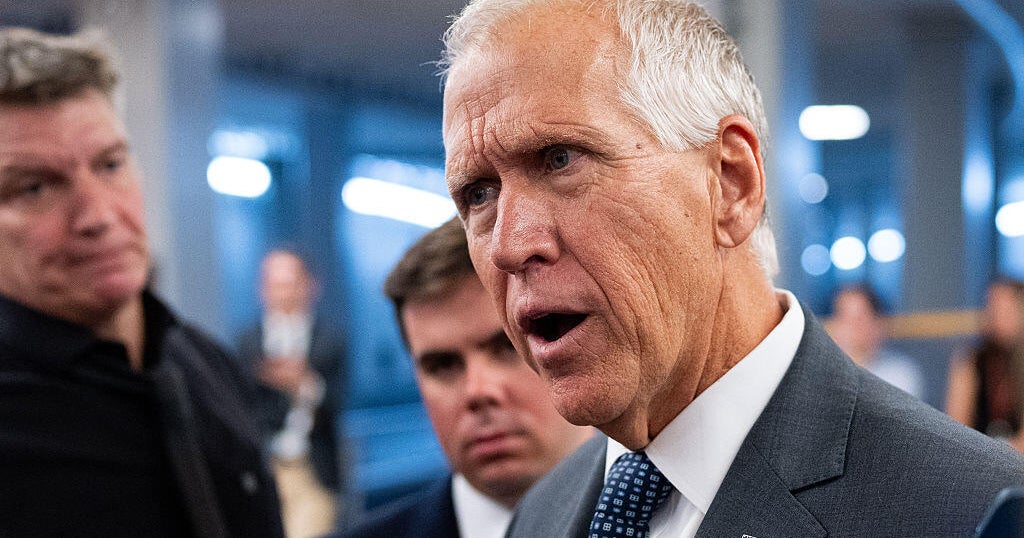
Sen. Thom Tillis has finally arrived at the part of the Trump sequel where he notices the main character is really into autocrats. The retiring North Carolina Republican looked at Donald Trump rolling out a full red-carpet state dinner for Chinese President Xi Jinping — after spending years campaigning as Mr. Tough On China — and declared it a "WTF moment." That’s Washington-speak for: even the loyalists can’t keep a straight face anymore.
Instead of cozying up to allies like Ukraine’s Volodymyr Zelenskyy, Trump is busy forging what he calls a "truly great friendship" with Xi, the guy overseeing Uyghur concentration camps, industrial-scale espionage, and "alleged" access to U.S. voter data. Meanwhile, the administration is mysteriously holding up arms shipments to Taiwan, but sure, this is all just normal diplomacy and not at all the foreign policy version of swapping your smoke alarm for scented candles.
Tillis politely wonders why the man who once launched a tariff war with China — briefly sending duties over 100% — is now hosting Xi for dinner like they’re celebrating an anniversary. He suggests that whatever changed must be "confidential," since there’s no public rationale for this whiplash-inducing policy flip. Translation: the senator can’t rule out that the explanation for America’s new China posture is sitting in some off-the-books phone call, a Mar-a-Lago dining room, or a Trump Org balance sheet.
Artist’s impression of American privacy: a license plate reader pointed at every road, and a lawyer pointed at anyone who notices.
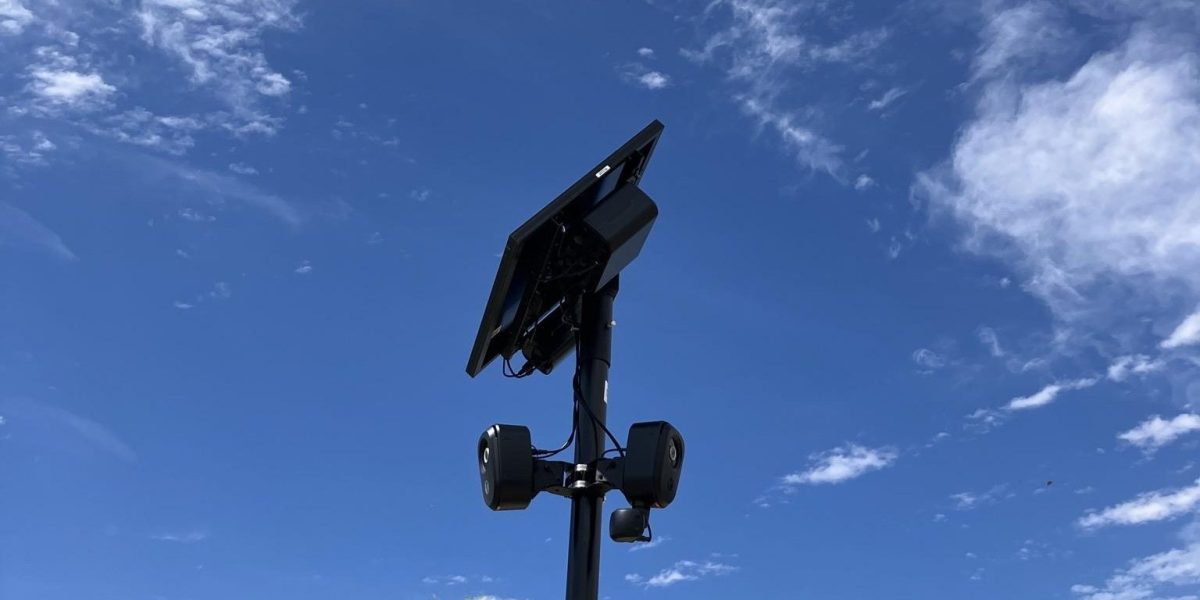
Flock Safety, the friendly neighborhood mass-surveillance company that swore it had only ~120,000 cameras, turns out to be running a cozy little 300,000-device tracking network across the United States. A researcher pulled the coordinates straight from Flock’s own leaky infrastructure — no hacking, just “your security is a suggestion, not a policy” level incompetence — and built a public map showing cameras at places like the FBI’s J. Edgar Hoover Building and clustered around airports and detention centers. So yes, the same country that has a panic attack about TikTok is apparently fine with a private startup running a nationwide license plate dragnet that can trace where soldiers, feds, and ordinary citizens drive.
Rather than thanking the guy who quietly told them their surveillance empire was basically gift-wrapped for foreign intelligence, Flock did what every responsible, privacy-respecting company does: it issued a blog post saying it’s never been hacked, never had a leak, and its cloud is pure and undefiled — after he’d already exfiltrated their device database and published a technical breakdown. Now that his Flock Surveillance Map is public and cited in a Senate hearing, a separate firm, Doppel, has popped up to file a trademark complaint on Flock’s behalf to try to get the site taken down for "customer confusion / harm." Translation: your government-backed surveillance grid is fine; what’s truly dangerous is people seeing where the cameras are.
The ACLU has already documented a pattern of Flock misleading city councils, cops, and the public about its practices, but this is a neat escalation: build a de facto national tracking system, leak its guts, lie about the leak, and then deploy IP law to scrub the receipts. It’s a perfect marriage of corporate surveillance capitalism and soft authoritarianism: the state gets the dragnet, the company gets the contracts, and anyone who maps the system gets a takedown notice. Freedom, apparently, now means you’re free to be tracked everywhere you drive — you just aren’t allowed to know by whom, or where.
Secret Service’s innovative new strategy: protect the president, let the crowd fend for itself.
James Copenhaver, 76, has died two years after being shot at Trump’s 2024 Butler, Pennsylvania rally, where a 20-year-old gunman managed to get on a nearby rooftop and open fire on a former president and current candidate like it was the easiest side quest in American history. Trump got a grazed ear; Copenhaver got bullets in the arm and abdomen, a shredded colon, kidney damage, nerve loss, and a permanent cane. The Secret Service got… a lawsuit.
Copenhaver and his wife had already sued the federal government, accusing the Secret Service and DHS of having “utterly failed” to provide even basic security. You know it’s bad when the complaint is basically: why was the presidential candidate in line-of-sight of some random rooftop sniper perch in the first place? The medical examiner hasn’t explicitly tied his death to the rally injuries, but multiple surgeries, organ damage, and permanent disability don’t exactly scream "unrelated."
The White House, naturally, had no immediate comment, because why rush to say anything when a citizen wounded at a presidential campaign event dies after years of suffering tied to a preventable security failure? The government’s message remains consistent: we will absolutely put you through metal detectors to see your preferred candidate, but we can’t promise we’ve checked the literal roof.
DHS officials carefully reviewing a spreadsheet of random numbers and declaring democracy compromised.
The Department of Homeland Security proudly announced it had helped Donald Trump spin up a scary 278,000 alleged non-citizens on voter rolls in four states, including up to 15,903 in Nevada. After the headlines and the stump speeches, DHS quietly shuffled back and told Nevada officials that actually, they’d only confirmed 185 supposed non-citizens. Nevada checked those 185 one by one and discovered a shocking truth: every single one of them is a US citizen. So the only fraud uncovered so far is the federal government’s data work.
The punchline gets dumber. When Nevada asked DHS to share the basic information they allegedly matched — you know, like names — DHS said it would only provide voter ID numbers. Minor hitch: in Nevada, a single voter ID number can belong to multiple people over time, thanks to a system transition. So DHS essentially ran a witch hunt off the data equivalent of a smudged Post-it note, then refused to show their work while Trump went onstage to scream about hordes of illegal voters.
Meanwhile, Pennsylvania officials are also asking DHS what planet their numbers came from, after being told there could be 14,576 non-citizens on the rolls and, in the same breath, that DHS didn’t have “high confidence” in that figure. So the federal government is throwing around massive voter-fraud numbers it doesn’t trust, targeting heavily scrutinized swing states, just before the midterms, and then clamming up when asked for proof. It’s less a law-enforcement effort than a taxpayer-funded propaganda machine aimed squarely at Americans who had the audacity to register to vote.
A DHS plane, presumably loaded with people who thought they were going to court and instead got a surprise one-way ticket to Wherever Will Take Them.
The Trump administration is back at the Supreme Court, begging for permission to keep playing its favorite game show: Deportation Roulette. After a federal judge — and then an appeals court — pointed out that you actually have to give people notice and a chance to challenge being exiled to a country they’ve never set foot in, the Justice Department rushed in with an emergency request to revive the policy. Due process, meet the emergency of "we had to cancel a deportation flight" for 70 people, some with criminal records, many without, all apparently expendable.
Solicitor General D. John Sauer helpfully explained that the policy has already been used to remove "thousands" of people to so‑called third countries, and that "thousands more" are ready to be shipped out — including "the worst of the worst" whose home countries won’t take them back. The solution? Dump them on other nations that signed blanket assurances that they definitely, totally, pinky-swear won’t persecute or torture them. Some of these countries: Equatorial Guinea, the Central African Republic, South Sudan — places famous for repression, conflict, and human rights reports you wouldn’t read after dark.
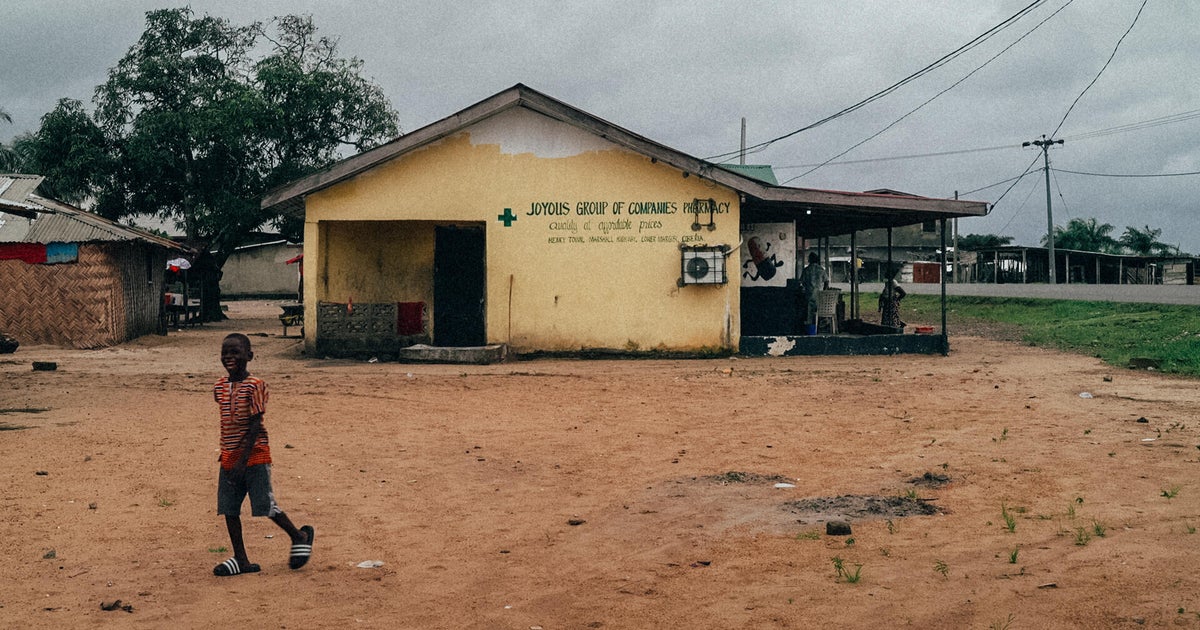
Meanwhile, CBS talked to migrants from Brazil, Colombia, Guatemala, Honduras and Venezuela who woke up in Liberia — not their home, not their region, not even their continent — after being deported there without warning or any chance to object. Many had no criminal records beyond immigration violations. The administration insists that court rulings requiring basic notice and a hearing are causing "irreparable harm" to U.S. foreign policy, because judges are rudely interfering with the delicate diplomatic art of paying other countries to take people we don’t want.
Justice Ketanji Brown Jackson has given lawyers for the deportees until Monday to respond to the government’s emergency plea for the right to continue outsourcing human beings like defective merchandise. The White House calls it an efficient immigration crackdown; everyone else recognizes a due-process-free deportation pipeline that treats people as cargo and the Constitution as optional fine print.
Texas ranchers gaze across their land, wondering when exactly 'America First' got redefined as 'whoever sells it cheapest to Tyson.'
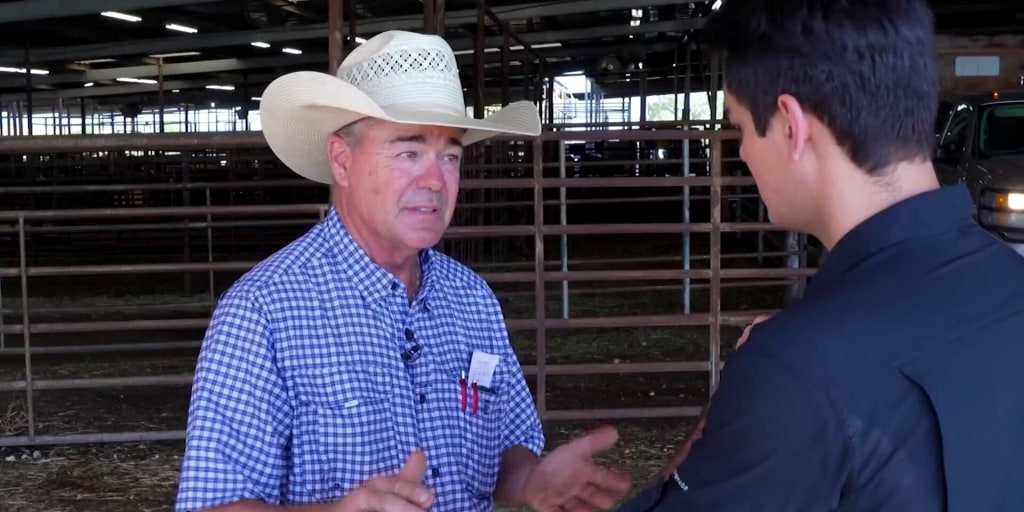
Texas cattle ranchers are discovering that when Donald Trump said he’d put America first, he apparently meant "after imported beef." NBC reports that Trump’s push to expand beef imports is colliding head-on with the people who spent years cheering for his trade wars, his tariffs, and his big sweaty promises to protect American agriculture. Shockingly, it turns out that when corporate meatpackers want cheaper product, the populist cosplay stops at the ranch gate.
Instead of backing the folks actually raising cattle in Texas, the administration is clearing the way for more foreign beef to roll in while rural producers watch their prices get trampled. The same politicians who once staged photo ops in cowboy hats to rail against "globalist elites" are now quietly fine with those elites squeezing U.S. ranchers, as long as the checks keep clearing and the base keeps getting distracted by culture-war rodeos.
This is the MAGA economic model in action: scream about "border security" while importing the livelihoods of your own voters, then act shocked when the people who believed you start doing the political equivalent of open-carrying their anger on cable news. The cattle may be branded, but the ranchers are the ones getting burned.
Artist’s rendering of Congress exercising its war powers: 535 people staring at their shoes while one guy presses all the missile buttons.
Seven months into Donald Trump’s not-a-war-just-a-"military operation" against Iran, a diplomacy group had to march into federal court and remind everyone that the Constitution is not, in fact, a suggestion box. National Iranian American Council Action is suing to have Trump’s Iran adventure declared illegal under the Declare War Clause, on the radical theory that one guy rage-posting on Truth Social does not equal congressional authorization. Meanwhile, the Senate bravely failed to stop the war by a 49–50 vote, proving once again that when it comes to their core constitutional duty, Congress is fully committed to almost doing something.
While lawmakers rehearse their concern-face for cable news, the reality looks less like "limited strikes" and more like a regional catastrophe. Trump and the Israeli military kicked this off in February with airstrikes and missile attacks that killed top Iranian leaders and hundreds of civilians, including more than 100 children in a school the U.N. now politely calls a "possible war crime." The conflict has since spilled across the region, shuttered the Strait of Hormuz, wrecked global fuel markets, and drawn in everyone from the Houthis to the Saudis, all without a single actual declaration of war. But sure, let’s keep arguing about what counts as an "excursion" while Iranian families dig relatives out of rubble and American service members come home in body bags.
Trump helpfully undermined his own lawyers by repeatedly calling it a "war" in public, while his speech at the U.N. casually threatened to "annihilate" a country of 90 million people, because nothing says "stable commander in chief" like flirting with genocidal language on the world stage. So NIAC’s attorneys are now asking a judge to do the job Congress abdicated: enforce the tiny, obscure, rarely mentioned principle that only Congress can take the country to war. Their plaintiffs include Iranian Americans whose relatives have been killed or maimed by U.S. and allied airstrikes, watching from thousands of miles away as Trump plays real-time Risk with their families’ lives. This is what a "full-blown constitutional crisis" looks like: one man waging war, a legislature hiding under its desk, and the courts being asked to remind everyone that Article I still exists.
ICE officials proudly touring another empty, overpaid warehouse, explaining that the real detainee is fiscal responsibility.
Donald Trump demanded a mass-detention state, Congress handed ICE a $45bn blank check in the "One Big Beautiful Bill Act", and – you will never guess – the agency immediately started setting taxpayer cash on fire like it was trying to signal passing aircraft. The Government Accountability Office found tens of millions already wasted: nearly $3m on Guantánamo tent camps that were never used, $20m on detention warehouses that never saw a single human being, and premium rates for the now-closed Florida hellhole charmingly nicknamed Alligator Alcatraz. America: come for the freedom, stay for the carceral money pit.
While ICE was buying empty buildings like a drunk landlord with a Pentagon credit card, the detainee population jumped from 39,000 to 67,000, targeting not just "the worst of the worst" but people with no criminal history, long-term residents with civil immigration violations, asylum seekers, and even green card holders guilty of saying things this administration doesn’t like. That’s not border security; that’s a loyalty purge with paperwork.
The agency spent $1.5bn to buy private detention facilities without bothering to check if owning them is even sustainable, sank $426m into renovations now frozen by lawsuits, and cut a FEMA-backed deal to reimburse Florida at 171% higher than normal detention rates – $249 per person per day for cages so bad they had to be shut down. DHS is also overpaying the Bureau of Prisons at $182 a head while promising to maybe, possibly, someday have a plan by August 2027. Authoritarian theater is apparently expensive when you run it like a scammy WeWork for prison beds.
Senators courageously voting to keep an undeclared war going while pretending they’ve never heard of Article I, Section 8.
The Senate just took a long, hard look at the Constitution, public opinion, and the human cost of Trump’s Iran adventure and said: nah. A resolution that merely asked Trump to stop waging an undeclared, wildly unpopular war with Iran lost 49-50, because most Republicans decided that defending the president’s feelings was more important than defending Congress’ war powers. Only four GOP senators — Rand Paul, Susan Collins, Lisa Murkowski, and Thom Tillis — could briefly remember that Article I exists. John Fetterman, for reasons known only to him and his political consultant’s Excel sheet, joined Republicans in voting no.
The House had already passed the measure 214-208, while voters are screaming into every available pollster’s microphone that this war is a terrible idea: just 33% think it was worth it, 62% say it wasn’t, and candidates who oppose the war are more popular by more than two-to-one. Meanwhile, prices for gas, diesel, fertilizer, and food are up, the Strait of Hormuz is a shooting gallery, 19 U.S. service members are dead, and eight sailors on the USS Lincoln got such an extended deployment for this genius plan that they attempted suicide. Congress’ response? A nonbinding resolution that still couldn’t pass.
Tim Kaine patiently explained that Congress, not Trump, has the power to declare war, reminding everyone that the White House can’t veto the Constitution — a cute theory that clearly has no application in 2026 America. Trump, for his part, stood at the U.N. and justified the whole thing as a noble project to stop Iran from getting nukes, lecturing the world on “vile regimes” using terror while he runs a forever war without a formal authorization and his party in the Senate nods along like a row of dashboard bobbleheads. The message from the GOP caucus is clear: if you wanted coequal branches, you should have written that into the founding doc—oh, wait.
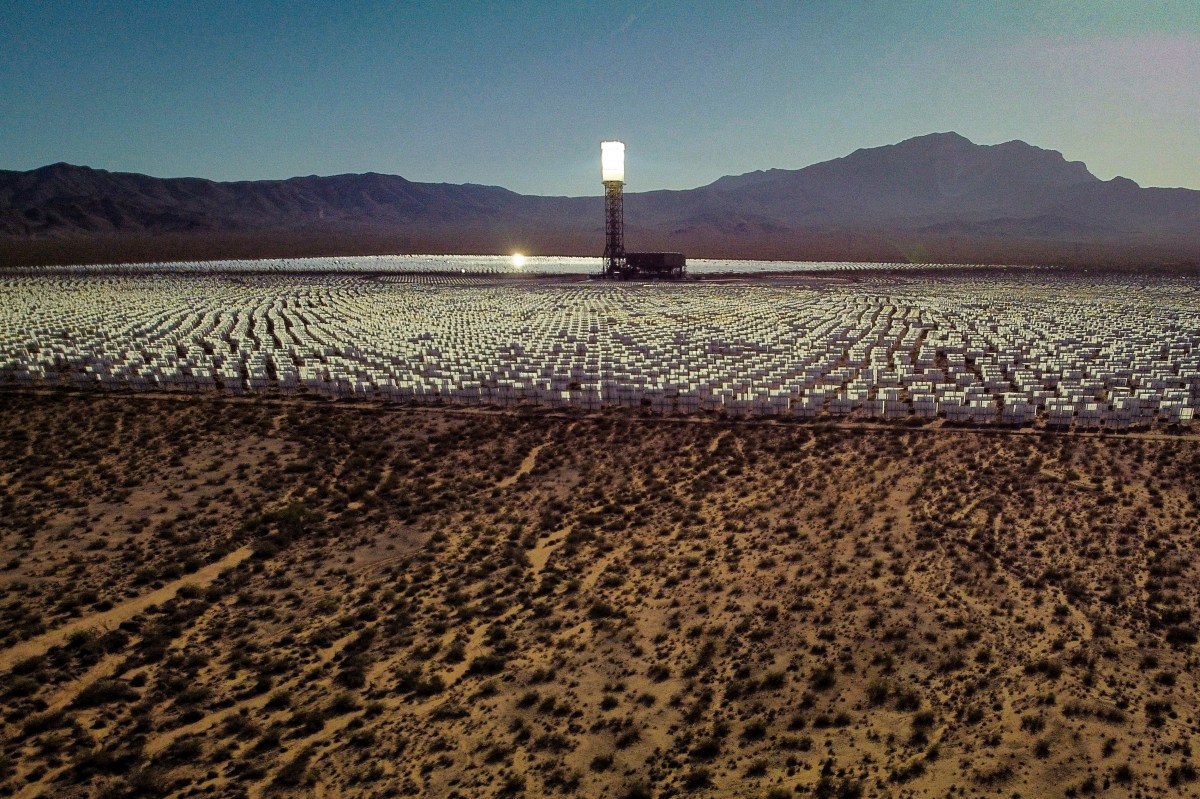
Behold: the brave new green economy, where we save the planet by bulldozing it before the tax credits run out.
Out in the Mojave, the new gold rush doesn’t glitter, it glints: thousands of acres of public land about to be carpeted in industrial solar so private companies can cash in before Trump’s slashed-but-not-yet-dead subsidies expire in 2027. The Bureau of Land Management — that trusty federal real estate office for whichever industry shows up with a check — is cheerfully greenlighting mega-projects that bulldoze carbon-sequestering desert crust, crush habitat, and steamroll 10,000 years of Indigenous history, all so we can call it clean energy and slap it on a campaign ad.
Local activists and tribes keep pointing out that deserts actually store carbon, host threatened species, and contain hundreds of cultural sites, but the "climate leadership" model under Trump is apparently: gut long-term support for renewables, keep just enough incentives alive to trigger a panicked corporate land grab, and then let companies race to scrape every "empty" inch of public land before the tax credits vanish. BLM, which already manages one-tenth of the country like a clearance aisle for mining and drilling, is now doing the same for solar — proving that under this administration, we don’t transition away from extractive capitalism, we just swap the logo on the bulldozer.
So yes, the U.S. is technically building green energy, but it’s the same old imperial land-use story with a fresh coat of sustainability marketing: tribes fighting to protect sacred sites, rural communities getting bypassed on benefits, and ecosystems treated as collateral damage in the great investor stampede. Call it the Trump climate plan: weaponize policy chaos, hand public land to corporations, and then brag that the market is "innovating".
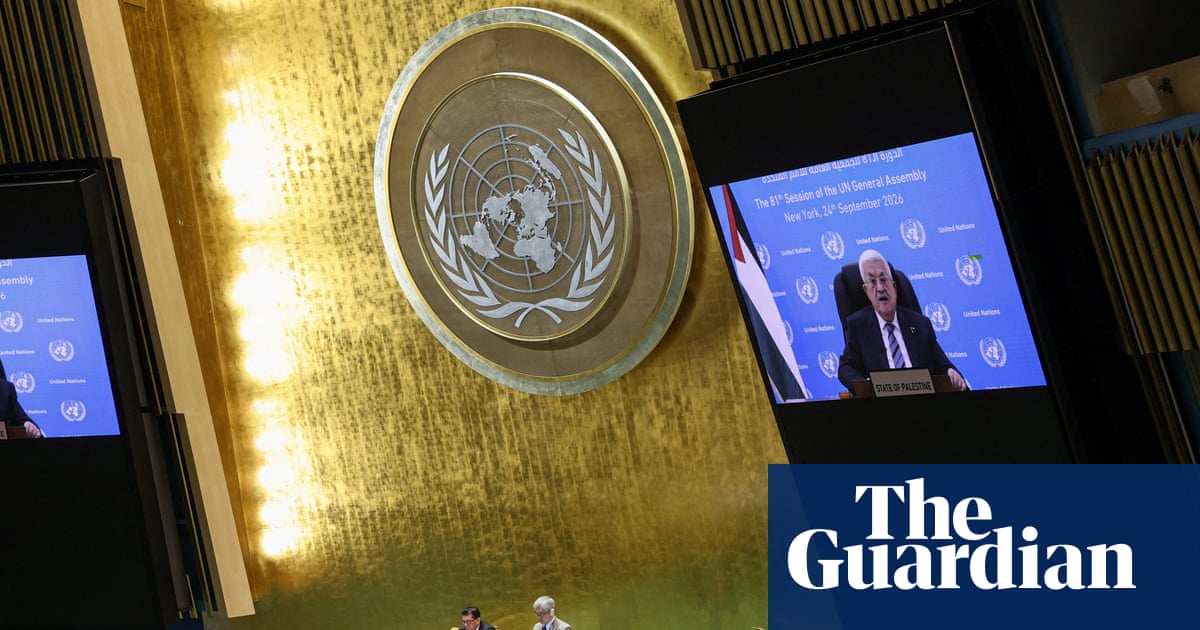
UN headquarters, where everyone is welcome to speak—unless the Trump State Department decides you’re bad for the narrative.
The Trump administration has decided that if you can't win the argument at the UN, you can always just ban the other side from entering the building. For the second year in a row, the State Department denied visas to Mahmoud Abbas and the Palestinian Authority delegation, then slapped on some sanctions for good measure, accusing them of undermining peace while Washington arms and shields the government currently turning Gaza into rubble. Hosting the United Nations comes with legal obligations, but the Trump team treats treaties the way Trump treats NDAs: something you wave around until they become inconvenient.
Abbas, barred from New York, had to beam himself into the General Assembly like a war-crimes Cassandra on Zoom, condemning Israel’s "malicious colonial plan" and warning against another Nakba, while outside hundreds of protesters filled Manhattan streets with "End the Genocide" signs and shirts demanding "Fund people not bombs". Inside the US government, however, the priority is crystal clear: protect Benjamin Netanyahu’s 12-hour PR stopover, punish Palestinians for existing, and dare anyone to mention that preventing a UN member’s representatives from reaching UN headquarters is wildly inconsistent with US host-country obligations.
New York’s mayor Zohran Mamdani briefly flirted with the radical idea that maybe a leader under ICC warrant shouldn’t get the red-carpet treatment, then dutifully walked it back to a safe "we respect the right to protest" stance, prompting Israel’s UN ambassador Danny Danon to complain that this was "too little and too late"—because nothing says moral clarity like demanding more aggressive hospitality for an accused war criminal. Meanwhile, Trump is busy in Washington hosting Xi Jinping, because why limit yourself to backing one authoritarian project when you can network.
Palestinian representatives are urging diplomatic missions to stage a walkout during Netanyahu’s speech to show they won’t be complicit in what they call genocide and war crimes. The Trump administration’s contribution to this grand moment of international diplomacy? Turning US soil into a gated community where only the right kind of occupiers get keycards, and the people warning about ethnic cleansing get hit with travel bans and lectures about "undermining peace".