trump slaps 50% tariffs on maple syrup’s car, beer, and cheese
Trump explains that a 50% tariff on Canadian dairy, alcohol, and cars will totally help American families — right after they finish paying 50% more for groceries, beer, and minivans.
Documenting the chaos since day one — one awful day at a time.

Trump explains that a 50% tariff on Canadian dairy, alcohol, and cars will totally help American families — right after they finish paying 50% more for groceries, beer, and minivans.

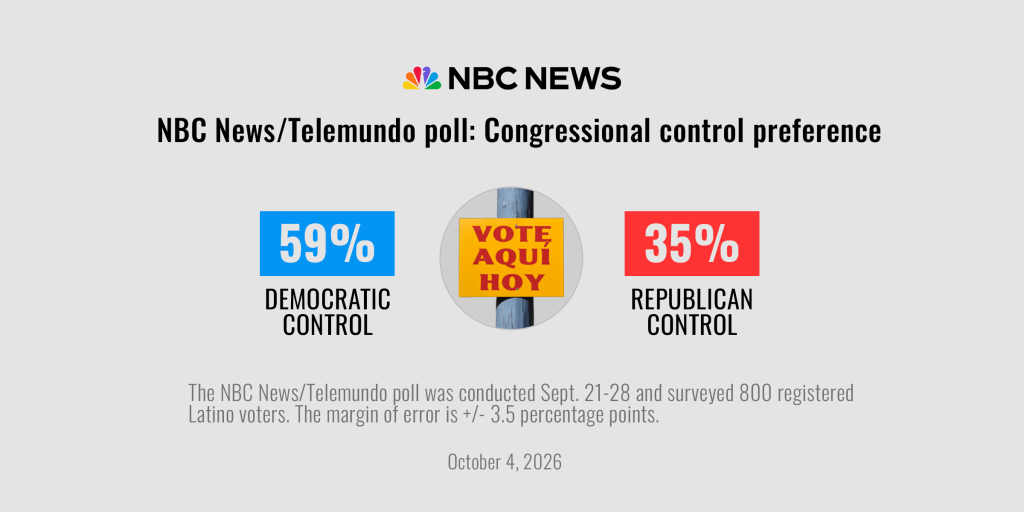
RNC strategists stare at a bar chart showing Latino support collapsing and wonder if maybe, just maybe, family separation and random deportations weren’t the outreach flex they thought.
Republicans spent 2024 declaring they had cracked the code on Latino voters: just shout "¡Viva Trump!" over the sound of ICE raids and everything would sort itself out. Two years later, NBC finds Latino voters giving Democrats a 24-point edge on who should control Congress, a 21-point advantage on the economy, and a giant middle finger to Trump’s deportation state. The big strategic insight from the GOP appears to have been, "What if we gerrymander a bunch of heavily Latino districts in Texas and Florida and just assume nobody will notice when we terrorize their families?" Shockingly, people noticed.
Trump is underwater with Latino voters on the cost of living (78% disapprove), the economy (74%), immigration (69%), and foreign policy (68%). Even on his alleged signature issue, border security, he’s still losing 58%-39%. Voters describe his deportation policies as "brutal" and "cold," with two-thirds saying enforcement has gone too far, while poll respondents casually mention friends and relatives being deported to the wrong country because this administration runs immigration like a drunk airline.
Meanwhile, Latino voters are carrying IDs everywhere out of fear of ICE, know people detained or deported in the last two years, and some are considering leaving the U.S. or skipping in-person voting because of enforcement fears — a chilling little side effect of Trump’s governance-by-intimidation. Republicans dreamed of a durable Latino realignment; what they got instead is a case study in what happens when you confuse "swing voters" with "people you can endlessly harass and they’ll still thank you for it."

Trump, moments after explaining that his Florida golf course makes him an environmentalist, gestures toward the exact spot on the globe he’d like to destabilize next for energy security.
Donald Trump has apparently discovered a new form of climate policy: start an illegal war in the world’s oil choke point and let physics do the rest. His US-Israel adventure in Iran has turned the Strait of Hormuz into a very expensive parking lot, choked off a fifth of global oil and gas exports, and sent fossil fuel prices soaring. The result? Governments are stampeding toward renewables, energy efficiency, and—because humans never miss a chance to be wrong—some extra coal on the side.
Gavin Newsom, doing his best "this is fine" impression during Climate Week, calls Trump the “greatest gift” to the environmental movement, because nothing says energy transition like a forever war in the Persian Gulf. Meanwhile, back home, the self-styled eco-warrior-in-chief is busy torching pollution limits on cars, trucks, and power plants; shoveling taxpayer cash and regulatory favors at oil and gas donors; and personally kneecapping wind and solar projects in blue states out of pure spite. He’s even weakened endangered species protections to the point where you can basically kill a protected animal as long as you pinky-swear it was an accident.
So yes, global emissions may drop 0.5% this year, and the peak of oil demand might arrive earlier than expected—not because of careful planning or responsible governance, but because an unhinged president treated the Middle East like his personal Risk board. The planet gets a brief reprieve; democracy, international law, and anyone living near a US military base get the usual Trump treatment. As always, the only thing he’s reliably conserving is the profit margins of his fossil fuel buddies and the constitutional crisis we wake up to every morning.

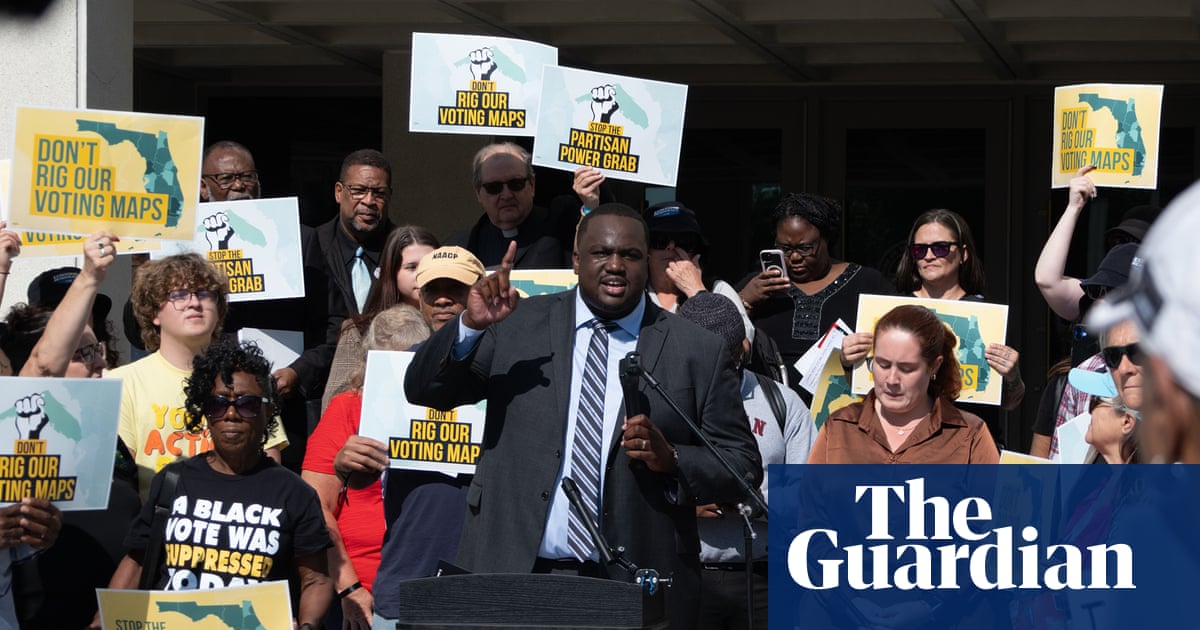
Dale Holness speaks to a voter while Florida’s political cartographers finish coloring Black representation outside the lines.

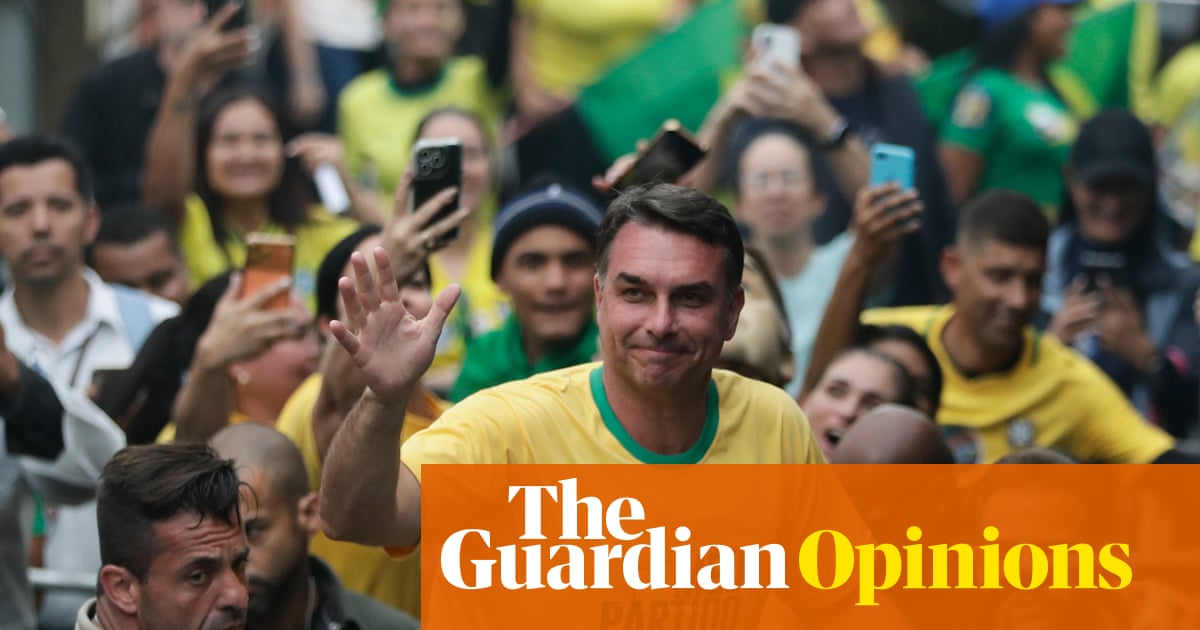
Flávio Bolsonaro, proudly auditioning to be Trump’s South America branch manager, limited independence and full US tariffs included.
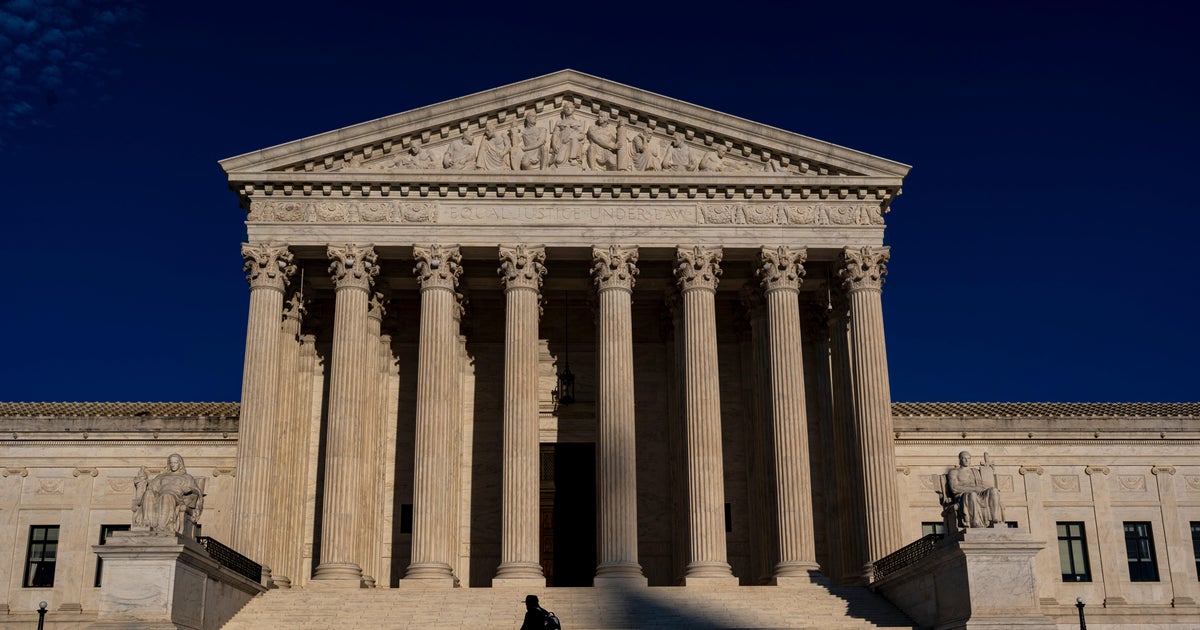
The Supreme Court building, patiently waiting for the next opportunity to explain why corporations have rights and you have vibes.
The Supreme Court, also known as the Federalist Society’s long-term investment portfolio, is starting a new term featuring all the Trump-era greatest hits: climate collapse, deportation machinery, and more guns than a Call of Duty lobby. On day one, they’ll hear Suncor Energy v. Boulder County, a seemingly “technical” case that just happens to decide whether states and cities are allowed to make oil giants pay for torching the planet, or whether Exxon and friends get permanent immunity because climate change is just too big to be anyone’s fault. Corporate lawyers are already warning that if they lose, fossil fuel companies might face something horrifying called “accountability,” which they characterize as a stealth carbon tax and potential bankruptcy, rather than what normal people call “paying for the damage you caused.”
While Justice Alito is recusing himself from this one (apparently owning other oil stocks is now his ethical high-water mark), the broader Trump-era project is still humming along: funnel environmental catastrophe into federal preemption, keep Congress useless, and let the Court decide which laws corporations actually have to follow. And that’s just the opener. Also queued up: religious institutions demanding taxpayer money while rejecting nondiscrimination rules, and gun cases testing how many AR-15s can dance on the head of a 6–3 supermajority. The term hasn’t even started and the Court is already poised to keep doing what it does best: strain democracy, shield power, and call it constitutional interpretation.

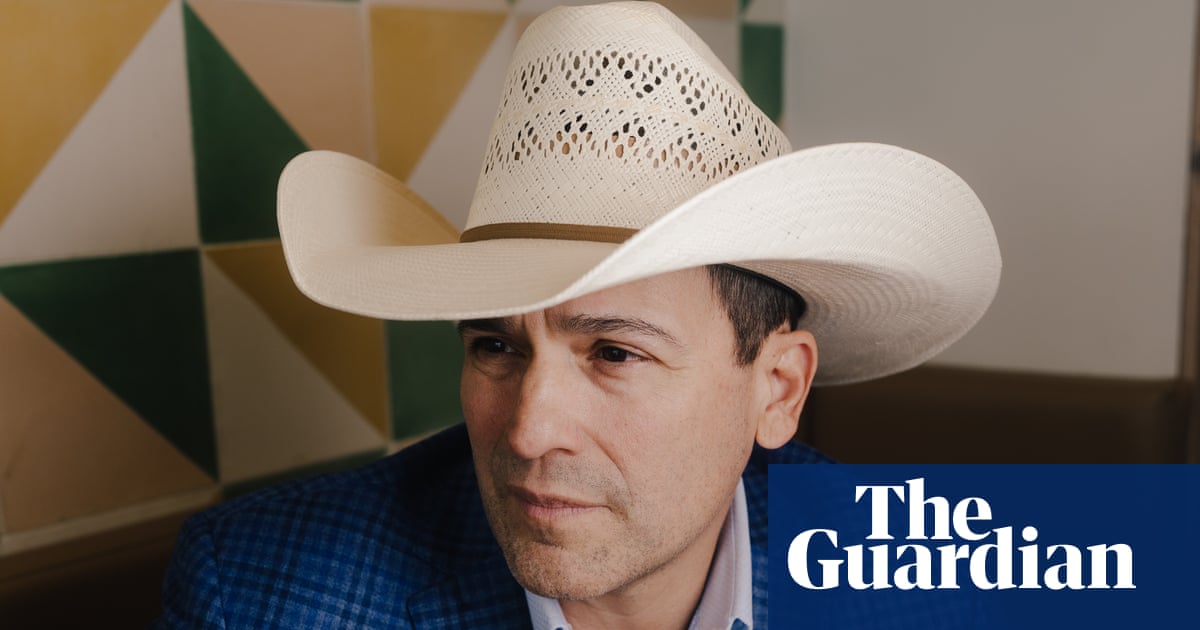
Bobby Pulido, seen here committing the radical act of talking to Latino voters somewhere other than a Fox News chyron.

Visualization of voters slowly backing away from the Trump brand like it’s a wild animal that just hissed at the economy.

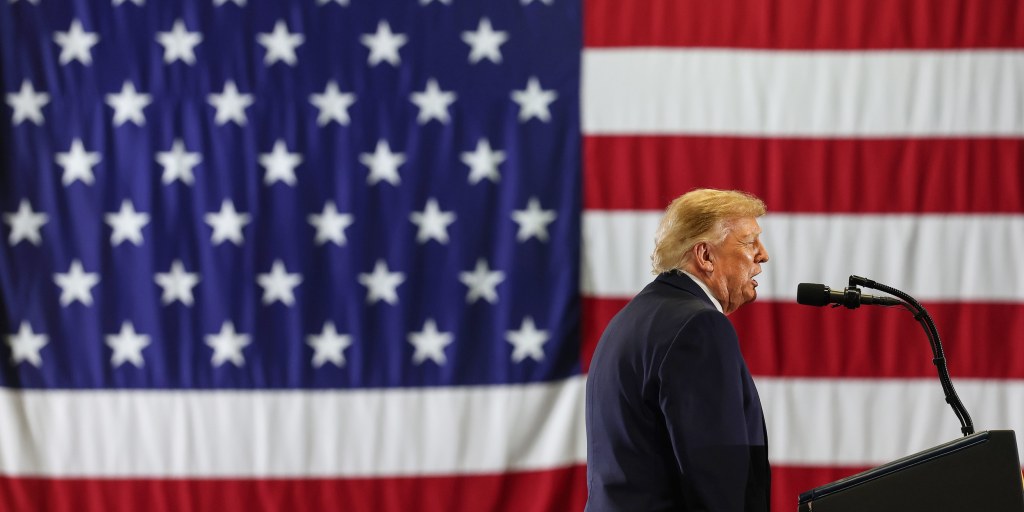
Trump surveys the not-quite-full high school gym where American democracy goes to be replaced by a loyalty test.
Out in Vandalia, Ohio, President Donald Trump packed a high school gym to maybe three-quarters capacity so he could explain that the midterms are actually about the only candidate who really matters: Donald Trump. He promised Republicans a "big surprise" this November, which is definitely what you want to hear from a guy who already tried to litigate and intimidate his way out of an election loss. Nothing says healthy democracy like the president hinting at mystery outcomes if the numbers don’t go his way.
The rally was nominally for Sen. Jon Husted and gubernatorial candidate Vivek Ramaswamy, but quickly devolved into the usual loyalty festival. Trump bragged that when he’s on the ballot Republicans win, and when he’s not, turnout drops by 44%, then instructed fans to just pretend he’s running so they’ll bother to vote. GOP leaders like Alex Triantafilou dutifully nodded along, openly admitting their entire strategy is to activate low-propensity Trump superfans while polls show both Trump and his Iran war are widely unpopular. Governance is secondary; the important thing is feeding the cult enough red meat to drag them to a polling place.
Meanwhile, Republicans and their billionaire super PAC friends are lighting $93 million on fire to keep Husted’s Senate seat, while his opponent, Sherrod Brown, drives a mobile billboard around Dayton reminding everyone that Husted backed Trump’s Iran adventure and higher gas prices. Trump tried to help by mocking Brown for not being an athlete, because nothing reassures families worried about war and inflation like the president doing high-school jock humor from a half-empty set of bleachers.
So the "big surprise" Trump is teasing? Maybe it’s that the self-styled strongman has to beg people to imagine his name on the ballot just to keep the illusion of political dominance alive. Or maybe it’s that the party that built an entire movement around one man is now terrified that, without him literally on the ballot, his voters will stay home and let democracy accidentally function for a cycle.

Jared Kushner explains that this isn’t a conflict of interest, it’s just his portfolio bravely serving as a humanitarian aid conduit for weapons manufacturers.
Jared Kushner, America’s least-qualified Nobel Peace Prize applicant, is very upset that people keep noticing his giant pile of money sitting directly on top of the wars he’s supposedly trying to end. CNN dug into Affinity Partners, his private equity fund, and found it quietly doubled its stake to 7.4% in Phoenix Financial right before Donald Trump returned to office. Phoenix is not "a defense company," Jared protests — it merely helps bankroll nine different weapons contractors, including Elbit Systems, whose drones and bombs help turn Gaza into rubble. A simple misunderstanding: he’s not selling weapons, he’s just investing in the people selling the weapons while he runs Trump’s Gaza "Board of Peace." Totally different.
The same guy pitching a $2.4 billion Gaza "recovery plan" to transform a bombed-out strip into a tourist playground is profiting from the companies arming the planes and drones that keep bombing it, long after a supposed ceasefire. Meanwhile, Forbes crowned him a billionaire in 2025, noting his fortune jumped about $100 million in a year, but Jared insists there’s no conflict of interest unless he literally hits the cash-out button during a signing ceremony on live TV. As he helpfully explained, what the rest of us call conflicts of interest, he and fellow “special envoy” Steve Witkoff call "experience."
And Gaza is just one stop on the Kushner Enrichment World Tour. While "negotiating" with Iran, he was simultaneously seeking investments from Gulf monarchies with a direct stake in the outcome. He was also put in charge of helping end Russia’s war on Ukraine, even as the New York Times now reports that the administration’s Russia talks feature a multibillion-dollar oil deal poised to benefit Middle Eastern business partners tied to Kushner and Witkoff. US diplomacy has been replaced with a family office: every peace process is also a pitch deck, every ceasefire a term sheet, every war an exciting growth market.
Pressed by 60 Minutes on whether "billions and billions" in Gulf deals might be a conflict of interest, Kushner replied that he’s just "here to do good" and that these are "impossible tasks" — which is true, if the task is pretending this isn’t raw, shameless self-dealing. The State Department used to do foreign policy; under Trump, it’s basically Jared’s LinkedIn Premium account with nuclear overtones.

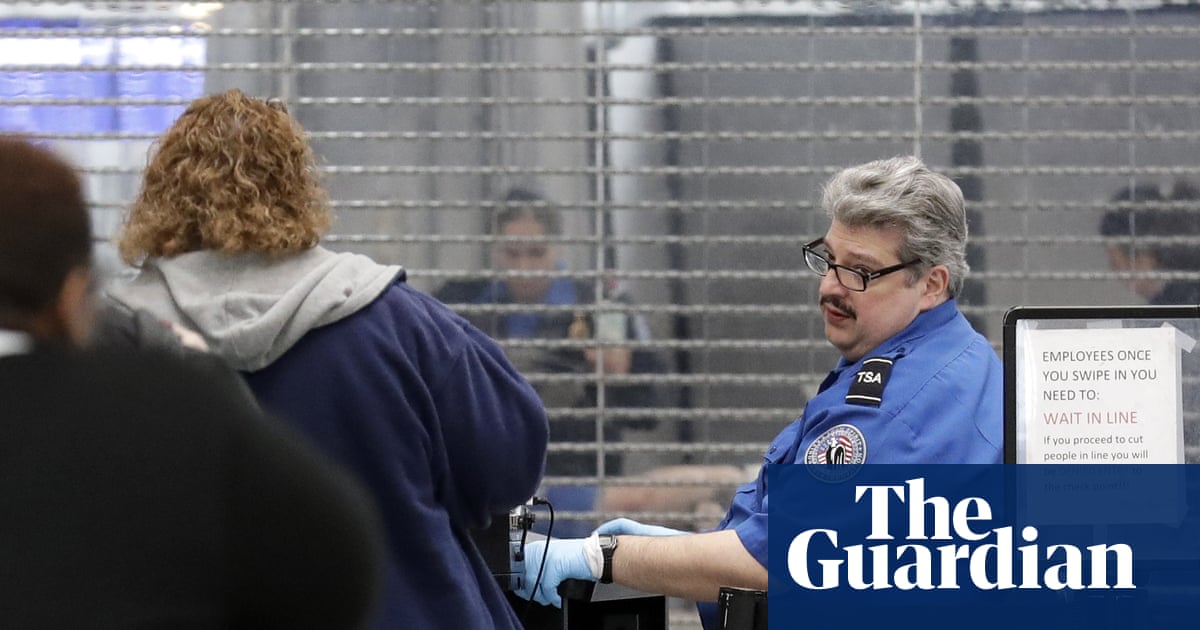
TSA officers heroically defending America from the nation’s most dangerous contraband: ergonomic seating.
The Trump-era TSA has bravely identified the real threat to aviation security: chairs. Airport security officers who check your ID and boarding pass will now be banned from sitting down, because nothing says "vital national security function" like forcing underpaid workers to stand on concrete for hours until their joints revolt. A TSA spokesperson wrapped this in corporate hostage-speak about "alertness" and "hospitality", as if the agency just discovered Disneyland, but with more pat-downs and fewer basic ergonomics.
The union representing TSA officers calls this what it is: a "disregard for employee rights and safety" and part of a broader pattern of contempt for the people actually keeping planes from exploding. This comes after a 76-day Trump shutdown where officers worked without pay, watched colleagues quit, and saw security lines balloon while the president used their livelihoods as a bargaining chip, then swooped in with a late pay order like a game show host handing out consolation prizes.
Meanwhile, the administration is busy pushing to privatize airport security checkpoints at more airports, and the union is lawyering up to fight it. So the sequence is: underfund, shut down, deny chairs, burn out the workforce, then claim the public sector "doesn't work" and hand the keys to private contractors. The AFGE is openly calling this a "regime" trying to "take out our workforce through whichever means possible"—which, under Trump, apparently includes weaponized OSHA violations masquerading as patriotism.
Trump unveils his new jobs program: give billions to a foreign steel conglomerate with a bankruptcy kink and hope voters don’t own calculators.
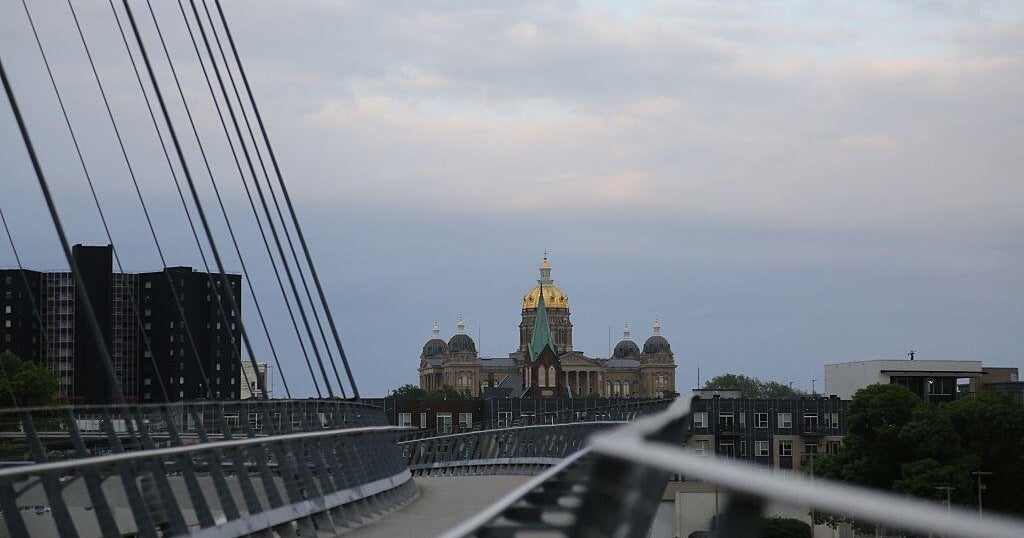
Iowa Republicans just discovered a bold new interpretation of "America First": hand $1.36 billion in tax breaks to a foreign-owned steel company with a bankruptcy habit and rumored Russian state-bank funding, less than two weeks before early voting in one of the tightest House races in the country. Lawmakers were hauled into a one-day special session, given barely any time to read the details, and told the "deal is done" — not by Iowa officials, but by Trump’s Commerce Secretary Howard Lutnick from the White House. State Senator Kevin Alons called it "political extortion" and then, in a moving display of spine removal, voted for it anyway.
The math is its own punchline: about $777,000 in tax credits per permanent job over 10 years, for a company whose last big U.S. steel dream in Minnesota ended in bankruptcy, abandoned promises, and a name change. Supporters insist critics are ignoring 6,000 temporary construction jobs, because nothing screams "sound economic planning" like counting short-term hard-hat gigs to justify a decade-long corporate subsidy. Meanwhile, Iowa farmers are getting crushed by Trump’s trade wars, but the state is forking over more than a billion dollars to an India-based conglomerate in a district where Republican Rep. Mariannette Miller-Meeks won her last race by 798 votes.
So to recap: Trump announces the "largest steel plant in U.S. history" in a swing district, the White House declares the deal finished before Iowa legislators even see it, a rushed special session converts taxpayer money into election-year talking points, and everyone’s supposed to pretend this is economic development and not a giant, publicly funded campaign ad. Foxconn Wisconsin walked so Mesabi Metallics Iowa could trip over the same rake — this time with bonus geopolitics.

Dayton airport Trump fans patiently await the arrival of the man who made their gas more expensive, their groceries pricier, and their government more unaccountable—but hey, at least his name is on the building.