Future tourism brochure for Fortress America: come for the freedom, stay behind the bars.
Trump’s dream of a hermetically sealed, white-flavored America is finally getting its full test run. With a Supreme Court that now basically signs whatever is slid under the door and tens of billions in fresh enforcement cash, the administration has turned the southern border from chaotic into quiet—the kind of quiet you get when you slam the door and pretend no one’s knocking.
Asylum at the border has been functionally frozen, "catch and release" has been replaced with "catch and disappear," and troops are now part of the décor. Markwayne Mullin proudly points to plummeting encounter stats as proof that "strong enforcement works"—which is one way to describe making it nearly impossible to legally request refuge under US and international law. Meanwhile, the "big, beautiful wall" is finally getting its binge-build moment, juiced by a $46.5bn "One Big Beautiful" spending bill, because nothing says 21st century superpower like sinking the national budget into a monument to fear and racism.
The result: fewer tents in El Paso, more human beings trapped in limbo, pushed back into danger, or funneled into ever more lethal routes. On paper, the numbers look calm and controlled; off the spreadsheets, desperate people are being ground through a system whose main innovation is replacing visible chaos with invisible cruelty. Trump promised a closed border and mass deportations; he’s delivering something closer to a slow-motion, policy-driven humanitarian collapse—and his base is only starting to wonder if maybe the boot on everyone else’s neck is laced a bit too tight.
Trump’s gloriously misnamed Board of Peace has hired Shelley Greenspan — yes, a former Biden White House Jewish liaison — to sell his Gaza plan to Congress and the think tank-industrial complex. When your policy is so beloved you have to import a career civil servant from the last administration to convince people it’s not a flaming tire fire, you’re not doing foreign policy, you’re doing crisis PR.
The spin is that this is all about bipartisanship ahead of a possible Democratic House or Senate, as if stapling a D-friendly résumé to Trump’s 20-Point Plan magically turns it into a human-rights document instead of a White House vanity project. Netanyahu has frozen the whole thing until after elections, Hillary Clinton has already pre-endorsed it as the “most viable” option, and now Greenspan’s job is to convince everyone in DC that this is just responsible statesmanship, not a president using a "Board of Peace" as his personal branding agency for Middle East social engineering.
The Board gushes that Greenspan has earned the trust of “Democrats and Republicans alike,” which is Washington-speak for: she’s the bipartisan shield they’ll hold up every time someone points out that this entire operation exists to push Trump’s Gaza blueprint whether voters, Gazans, or Israelis actually want it. Greenspan, for her part, dutifully praises Trump’s "vision for peace and prosperity" and his 20-Point Plan, proving once again that in Trump’s Washington, institutions don’t get captured in a day. They get captured one carefully vetted, respectable-sounding hire at a time.
RFK Jr carefully studies decades of vaccine science before deciding to replace it with vibes and a blank committee roster.
The Trump administration’s favorite anti-vax hobbyist, HHS secretary Robert F Kennedy Jr, has figured out a clever new way to kneecap public health: don’t outlaw vaccines, just quietly blow up the system that makes them usable. He gutted the Advisory Committee on Immunization Practices, stacked it with his own scientifically challenged fan club, got smacked down by a judge for doing it improperly, and then simply… never bothered to fix it. Result: no functioning committee, no new recommendations, and shiny new vaccines like Moderna’s mRNA flu shot stuck in bureaucratic purgatory until at least 2029.
On the ground, that means people like 63‑year‑old asthma patient Ron Kroening are hunting for the one pharmacy in town that even has the new flu shot, then getting hit with a $40 co-pay because insurers aren’t required to cover a vaccine that ACIP hasn’t officially recommended. States that rely on ACIP guidance to let pharmacists vaccinate people are stuck, Medicare coverage is delayed or confused, and even previous ACIP decisions—like new RSV shots and the universal birth dose of hepatitis B—are being undermined or used as ammo for state-level anti-vax bills. It’s a perfect demonstration of how you can sabotage a national immunization program without ever passing a law: just take the expert committee hostage and let entropy do the rest.
Legal experts note there is absolutely nothing stopping Kennedy from lawfully appointing new ACIP members; he simply isn’t doing it. Vaccine law scholar Dorit Reiss points out that he’s already “aggressively undermined” trust in the committee’s independence and now benefits from the vacuum, which could let him issue his own pet recommendations while vaccines languish in coverage limbo. Even industry groups are scrambling to reassure people that they’ll voluntarily keep covering shots that were recommended before Kennedy’s wrecking ball hit in September 2025, because the federal government has abdicated the basic job of coordinating vaccine policy. Public health, of course, remains the one thing this administration refuses to make contagious.
The NFL spent years trying to pretend sports gambling was some unholy scourge that would corrupt the purity of men giving each other concussions for money. Then the Supreme Court opened the floodgates, the league saw the dollar signs, and now your football broadcast has more betting lines than actual plays. Enter Trump, a man who has failed at casinos, failed at owning a football team, and is now apparently ready to merge those two disasters into one new frontier of presidential tantrums.
Trump’s ancient grudge against the NFL — born from his spectacular implosion with the USFL and repeated failed attempts to buy into the league — now meets a multibillion‑dollar online sports gambling boom. The same guy who drove casinos into bankruptcy is suddenly positioned to scream about “integrity of the game” while leaning on regulators, state allies, and friendly oligarchs to decide who gets rich off the sportsbook gold rush. Regulatory capture, but make it petty.
What could be more on‑brand than a president with a personal vendetta threatening a private sports league over a revenue stream he desperately wants a piece of? The NFL, which once tried to keep Trump as far away as possible, may now find itself negotiating with the man who sees policy as a loyalty test and antitrust law as something that happens to his enemies. America’s national pastime isn’t football or gambling anymore — it’s watching one deeply insecure man turn every industry he touches into a protection racket.
Meta has racked up a casual $42 billion in penalties and settlements — $25 billion for the nearly decade-old Cambridge Analytica data-vacuum scandal and $17 billion for helping turn teen mental health into a corporate A/B test. The message to AI companies is clear: go ahead and "move fast and break things," just make sure you’ve got a decade of legal budget and a good PR euphemism for "emotional collateral damage."
Regulation, you ask? Under Trump, the big brain move is to skip all that boring rulemaking and lean on the threat of litigation as a “key cog” of regulatory policy. Why build coherent AI safeguards when you can let juries in 2036 piece together chat logs, Slack messages, and frantic internal memos from 2026 and then hand down a fine large enough to buy a small country? Governance, but make it retroactive.
AI giants like Anthropic and OpenAI are now being told to warn investors that their shiny models might also be ticking legal time bombs: product liability, negligence, copyright theft, and whatever happens when a CEO’s "I warned you about catastrophe" TED Talk gets played back in court. The Trump administration’s contribution to tech policy is basically: unleash it now, let the lawsuits sort the bodies later. Regulatory state dismantled, litigation state ascendant.
Brazilian President Luiz Inácio Lula da Silva just won a fourth, nonconsecutive term, beating Flávio Bolsonaro — heir to the Bolsonaro brand of "what if January 6, but as a governing philosophy." This is bad news for the global strongman fan club and for Donald Trump, who just lost another would‑be mini‑me in Latin America.
Lula ran on actually defending Brazilian sovereignty from Washington, accusing Flávio of being "Trump's candidate" after the U.S. slapped an extra 25% tariff on some Brazilian goods. So yes, Trump managed to turn U.S. trade policy into a Lula campaign ad. Again. Meanwhile, Flávio promised more "public security" and "anti‑corruption" while his father is sitting on a 27‑year sentence for plotting a coup to overturn the 2022 election — currently cushioned into house arrest because, apparently, even would‑be dictators get a medical exemption.
While Bolsonaro Jr. offered continuity with Dad’s climate denial, Lula pointed to a 71% drop in Amazon deforestation since 2022 and the lowest level on record this year, even as he keeps flirting with more oil development because capitalism never sleeps. Still, compared to the Bolsonaro clan’s combo of authoritarian cosplay and environmental arson, Lula looks like Captain Planet. For Trump, though, the key takeaway is simpler: another aspiring client autocrat just got rejected by actual voters, which remains his least favorite form of election security.
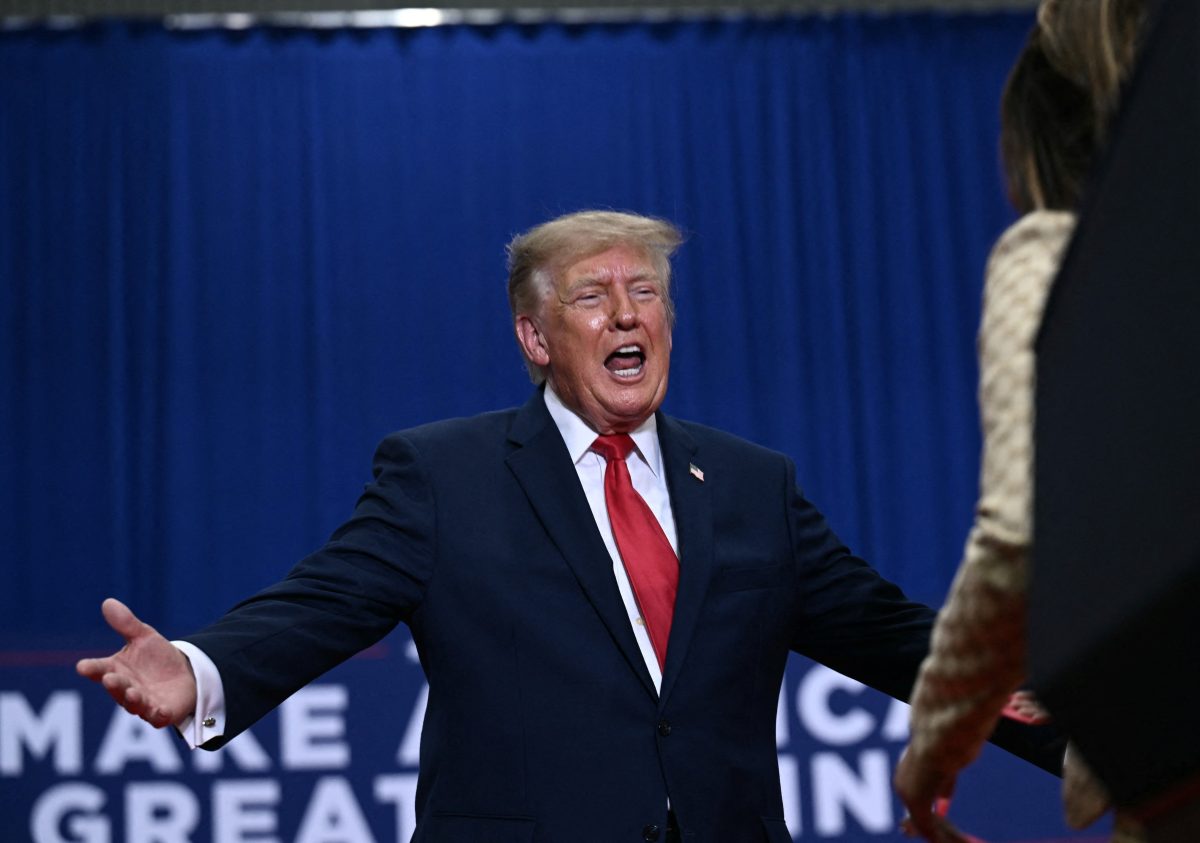
President Trump brings Nicki Minaj onstage, presumably to distract from the part where his DOJ is busy trying to kneecap the midterms in two time zones at once.
Donald Trump has finally solved the age-old problem of how to undermine democracy while still looking like a clown: do both at once. The Trump DOJ is demanding California segregate and delay counting mail ballots from a sketchy list of 20,000 supposed noncitizens, then backing it up with letters threatening criminal prosecution of county election officials who dare to, you know, count votes. The 9th Circuit is so impressed by this constitutional dumpster fire that it held Sunday Zoom arguments just to consider whether to swat away the DOJ’s premature appeal.
Back in Alaska, the administration is going for the deluxe package: having the DOJ sue to block certification of a U.S. Senate race that Republicans might lose. Trump has bragged in public that he personally ordered the lawsuit, which legal experts are describing with technical terms like “flimsy,” “frivolous,” and “are you serious.” Election law scholars Steve Vladeck and Rick Hasen are basically waving a giant red flag that says: the DOJ is putting its thumb on the scale now so Trump can scream fraud later if results don’t go his way. So yes, the midterm attack is absurd. It’s also a live-fire test of how far a president can go in using federal law enforcement to sabotage elections before anyone actually stops him.
Donald Trump took a break from Truth Social court filings to suggest that Michigan Democratic Senate candidate Abdul El-Sayed should have to go through a metal detector to enter the Senate, because of what Trump calls a "record of support for jihadists." Translation: Muslim guy running for office, better treat him like a walking no-fly list. Equal protection is now apparently a mood, not a constitutional principle.
Instead of arguing about, say, policy, Trump is back to the classic: smear the Brown Muslim as a security threat and imply he shouldn’t be allowed in the building unless he clears an imaginary terrorism TSA line. We’re one press conference away from "Show me your prayer rug" checks at the Senate door. The bar for serving in Congress is low enough already, but turning it into a religiously targeted security theater audition is a fresh little fascism speedrun.
Of course, this is the same guy who spent years screaming about loyalty oaths and Muslim bans, so casually floating the idea that a Muslim candidate should be treated like a suspect just to step onto the Senate floor fits right in. American democracy: now with optional civil rights, adjustable by whoever’s screaming loudest about "jihadists" on cable news.
Serbian students just did what American institutions keep promising they’ll do someday: they actually toppled the corrupt right‑wing strongman who’d been cozying up to the Trump family and assorted hangers‑on. Aleksandar Vučić’s 14‑year rule is over, and with it one of the more enthusiastic Balkan franchises of the Trump Extended Universe, featuring guest stars Donald Trump Jr., Richard Grenell, and a Jared Kushner real estate fever dream that somehow managed to be too controversial even for Serbia.
The new majority belongs to the "Student List," a decentralized movement that grew out of mass protests after a deadly train station canopy collapse exposed the government’s corruption and incompetence. Sixteen people died, and instead of shrugging and tweeting through it like a normal captured electorate, young Serbians organized, campaigned on boring things like accountability and institutions, and then actually won power. Wild concept.
Vučić is conceding that his Serbian Progressive Party got smoked, projecting 135–140 seats for the students versus 105 for his own coalition. Crowds brought back the old "He’s finished!" chant from the Milošević days, while somewhere in Florida and Mar‑a‑Lago adjacent group chats, people who thought they had a friendly autocrat lined up for Kushner‑branded development deals are quietly googling "how to say Foreign Corrupt Practices Act in Serbian."
Next up: the students have to pick a prime minister, form a government, and then Serbia holds a presidential election to formally replace Vučić. Meanwhile, U.S. policy types will have to adjust to a Serbia that might be less interested in stroking Trumpworld’s ego and more interested in not being run like a family side hustle with a foreign policy attached.
Mike Rogers went on "Meet the Press" and attempted the political equivalent of quantum physics: being both a MAGA Republican and not a MAGA Republican until the polls come in. Asked if he identifies as MAGA, the former Michigan congressman basically replied, "define is," while furiously trying to triangulate between Trump’s base and the general electorate without accidentally saying anything that could be replayed in an attack ad.
Pressed on Trump’s tariffs on Canada — you know, the brilliant economic brainwave that managed to start a trade fight with our neighbor who mostly sends us maple syrup and hockey players — Rogers also refused to give a straight answer. Instead of acknowledging that Trump’s tariffs hammered Michigan manufacturers and farmers, he tiptoed around the policy like it was an open ethics investigation, proving yet again that Republican candidates are still trapped in Trump’s gravitational field, forced to pretend self-harmful economic nationalism is a winning strategy.
So Michigan voters get a fun choice: Abdul El-Sayed, who at least knows what he thinks, versus Mike Rogers, who’s trying to run as a "reasonable conservative" while never clearly contradicting the guy who turned trade policy into a live-action Twitter rant. It’s not governance, it’s brand management — with actual workers paying the price for Trump’s ego and Rogers’s refusal to admit the obvious.
Dan Osborn explains to Nebraskans that real populism is fighting monopolies, not volunteering their farms as collateral for Trump’s next tax cut for billionaires.
Rural America, long treated as Trump’s personal political timeshare, is apparently looking at the wreckage of his "agenda" and deciding that maybe, just maybe, selling their towns to corporate monopolies, data centers, and out‑of‑state billionaires wasn’t the populist revolution they were promised. Enter the so‑called "prairie populists" – folks like Nebraska independent Dan Osborn, Iowa’s Josh Turek, Montana’s Sam Forstag, and Kansas pastor Adam Hamilton – who are doing the unthinkable in modern American politics: actually showing up in tiny towns and talking about material reality instead of Hunter Biden’s laptop.
These candidates are dusting off the old Midwestern tradition where "populism" meant taking on railroads, monopolies, and banks – not screaming on Facebook about drag queens while Cargill buys the county. They’re talking antitrust, corporate power, land grabs by big tech, and the joys of not turning your family farm into a server farm for AI that exists primarily to generate scam emails and deepfake presidents. Trump’s great achievement in the prairie states is so much despair and economic precarity that running on a "populism of decency" and food stamps is suddenly the edgy insurgent position.
Democrats and independents are rediscovering that you can’t abandon rural America for a decade, let Trump and the GOP run it like a laboratory for oligarchy, and then win it back with one ad buy and a John Mellencamp song. So they’re county‑hopping, talking about farm bills, state banks, and whether people want their water table or Mark Zuckerberg’s next cloud campus. Call it the new prairie populism: same anti‑monopoly DNA, updated for an era where the robber barons arrive not on railroads but in data center site plans and crypto fantasies, cheered on by the same Trumpist Republicans who swear they’re defending "real America" while helping auction it off piece by piece.
Trump at Johnson Space Center, bravely taking credit for not canceling the missions he tried to cancel.
The Hill has discovered a new cosmic phenomenon: the Trump-approved science mission. After the White House tried to hack NASA’s science budget nearly in half — putting basically everything not named Artemis on the sacrificial altar of a $2 trillion annual deficit and $40 trillion national debt — two Venus missions (DAVINCI and VERITAS) have miraculously "escaped" the budget axe. Translation: Congress said no, NASA screamed, and the administration backed away from its own bonfire long enough to claim it was actually fire safety.
We’re told this is evidence of Trump’s “growing appreciation” for space science, because he posted on Truth Social about the Nancy Grace Roman Space Telescope and called into the press conference like a reality show host phoning the finale. This is the same telescope his own budget tried to kill, now repackaged as proof that he "recognizes a cool thing when he sees it." Attempt to destroy it, fail, then demand credit for its survival is not a space policy; it’s the Trump doctrine in miniature.
Instead of admitting they tried to gut NASA science to make the deficit math slightly less embarrassing, the White House is now selling Trump as a champion of space exploration because some cuts got shifted to an over-budget Mars Sample Return and Congress refused to play along on the rest. The op-ed politely calls this “making the best of a policy reverse.” Everyone else knows the technical term: trying to light the lab on fire, tripping over the gas can, then insisting you were always the fire marshal.
Trump beams as Audi’s CEO announces more giant gas SUVs, proving that with enough tariffs and stagecraft, even German executives will come do a campaign spot for you.
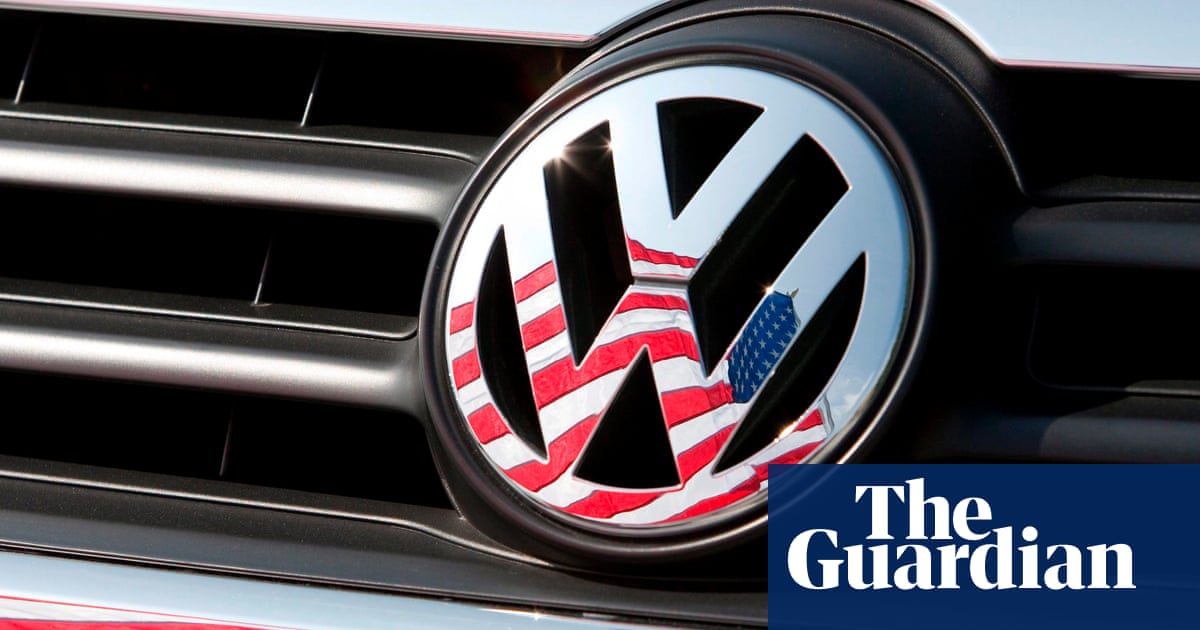
Donald Trump’s beautiful, very classy trade war is working exactly as designed: Volkswagen is axing up to 100,000 jobs in Europe while Audi drops $4bn on a new SUV factory in Macon, Georgia, and Trump gets to turn the announcement into a live campaign infomercial days before the midterms. US auto employment is actually down since he took office, but why let numbers ruin a perfectly good rally where a German CEO flies in to bless Dear Leader’s tariffs on stage.
Volkswagen says Trump’s tariffs are costing it up to €5bn a year, so naturally the solution is to build 200,000 massive petrol SUVs in the US—including the new Q9, a sort of luxury climate arson device—because Trump is actively kneecapping EVs in favor of bigger, dumber gas-burners. Europe and Mexico eat the job losses, Trump gets to cosplay as a blue-collar savior while he jacks up fuel prices with his Iran adventure, and the planet gets another fleet of rolling carbon grenades. Truly, an economic masterstroke: socialized pain abroad, privatized applause at a campaign rally.
CBS House model: projecting how many seats each party wins in a contest where the only clear winner is government corruption.
Voters have finally cracked the code of Trump-era politics: nobody thinks either party has a real economic plan, but a solid majority is pretty sure Republicans will at least jack up gas prices and crank the corruption dial from "systemic" to "why is my congressman selling NFTs of my Social Security number?" Democrats lead in the House model not because anyone loves them, but because people are more afraid of what Trump and the GOP will do with power than they are disappointed in Democrats' chronic inability to do anything with it.
This is the "avoidance election" — a national fire drill where everyone’s main political ambition is "please, not that guy again." More than seven in ten Democratic voters say they’re casting a ballot just to stop Trump, while Republican voters are turning out to support him, albeit with slightly less religious fervor. Nobody thinks Democrats will make them better off financially; they just think Republicans will make them worse off and more corrupt, which in the Trump era passes for a sophisticated risk assessment.
So 2026 comes down to this: Democrats are winning on the strength of people who are definitely voting, Republicans are relying on people who "might" vote if the vibes improve, and almost no one believes anyone in Washington has a coherent plan beyond looting the place before the subpoenas land. American democracy has evolved from "a choice between two visions" to "a choice between two disasters" — and voters are desperately trying to pick the one that burns marginally fewer institutions to the ground.
Trump greets Nayib Bukele in the Oval Office, where the world’s most popular authoritarian offers a live demo of features the president is very interested in importing.
Donald Trump invited Nayib Bukele to the Oval Office and basically asked for the homework. Bukele, having turned El Salvador into a laboratory for permanent emergency rule and mass incarceration (2% of the adult population jailed, half of them likely innocent), shows up and brags about "liberating millions" by locking up tens of thousands. Trump’s immediate response? Not horror, not concern – just: can he steal the line for his own speeches.
The article lays out how Bukele didn’t flip a dictatorship switch overnight; he eased into it with "training exercises," soldiers in the streets, and an "emergency" that quietly erased due process and constitutional limits. Trump appears to be reading from the same script: federal crackdowns on Democratic cities, masked agents in unmarked vans scooping people into a growing detention network, and now the looming threat of a "national emergency" as elections approach. Commentators call it a "rolling coup"; Trump calls it Tuesday. The throughline is simple: if you want to see where Trumpism is trying to take the US, look at Bukele’s El Salvador. It’s not a warning anymore, it’s a blueprint.
US officials bravely contain bird flu at a mink farm by refusing to look directly at it, the viral equivalent of hiding behind the couch during a horror movie.
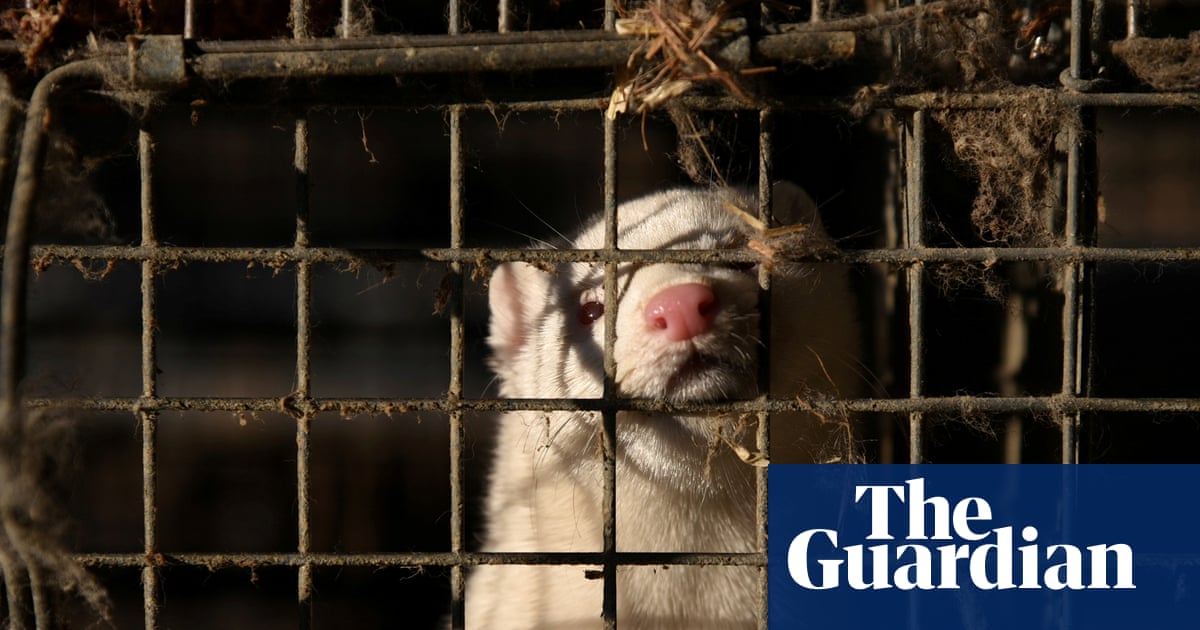
At a Utah mink farm, bird flu has been partying for two months while the Trump administration tries out its favorite public health tool: not telling anyone anything. Thousands of mink are sick, experts are quietly screaming into the void, and the official federal position appears to be, "We don't regulate mink, therefore the virus does not exist." The USDA shrugs, the CDC talks to some people but not the actual state vet handling the outbreak, and everyone just sort of hopes the virus gets bored and leaves.
Other countries respond to mink outbreaks by culling animals and monitoring workers. The U.S. response under Trump’s second term: a fur trade rep says culling would kill the business, so obviously the virus must adapt to market conditions. Workers aren’t systematically monitored, one has a suspicious red eye the CDC literally flags as a testing trigger, and the farm owner explains it away as "dust" like a cartoon factory boss from a 1920s union pamphlet.
Epidemiologist Jennifer Nuzzo notes that under previous administrations, federal officials actually held regular calls with experts, shared data, and accepted scrutiny. Trump’s crew solved that pesky accountability problem by just turning the lights off. After already firing employees who were responding to a prior bird flu outbreak among dairy cows, the administration has now graduated to the much more advanced stage of pandemic management: if no one’s allowed to see what you’re doing, maybe no one can prove you failed.
Brooke Rollins smiles at a farming festival while explaining that pushing millions off food assistance is actually a 'win' for people who love work, not a loss for people who love eating.
The Trump administration’s "One Big Beautiful Act" — because dystopian cruelty apparently needed a Vegas-marquee name — has shoved 13% of Americans off food stamps in under a year, from 41.6 million to 36.5 million people. Not because 5 million people suddenly landed high-paying jobs in Trump’s booming imaginary economy, but because the rules were rewritten so that more poor people simply don’t qualify to eat. Able-bodied adults without a kid under 14 now have to log 20 hours a week of paid or unpaid work to get help, regardless of whether those jobs or volunteer slots actually exist. Hunger has been rebranded as a motivational tool.
States got gifted another little present: they now have to cover 75% of SNAP administrative costs instead of 50%, plus prepare for a 2027 rule that financially punishes them if their payment error rate is over 6% — a metric USDA itself admits is not fraud. Extra paperwork, higher state costs, and longer waits for applicants? Perfect system if your real goal is to make accessing food so miserable that people just give up and go hungry. Anti-hunger groups are drowning: Michigan’s food bank helpline had to shut down temporarily because calls tripled, food bank shelves are empty by day’s end, and schools are losing free meal programs because fewer kids now show up in the SNAP data.
Trump and Agriculture Secretary Brooke Rollins, naturally, are out on the circuit bragging about all this. Rollins called removing 5 million people from food stamps a "pretty big win" for "those of us that love work," as if the people calling panicked helplines and standing in food bank lines just forgot that jobs exist. Meanwhile, prices for groceries and gas are up, job growth is weaker than under Biden, and the USDA’s response to concerns about rising hunger is basically: enrollment numbers go up and down, who’s to say why, please stop asking. The policy architecture is unmistakable: starve the safety net, then pretend the empty rolls prove success. It’s not welfare reform; it’s a slow-motion experiment in how much deprivation a democracy will tolerate.
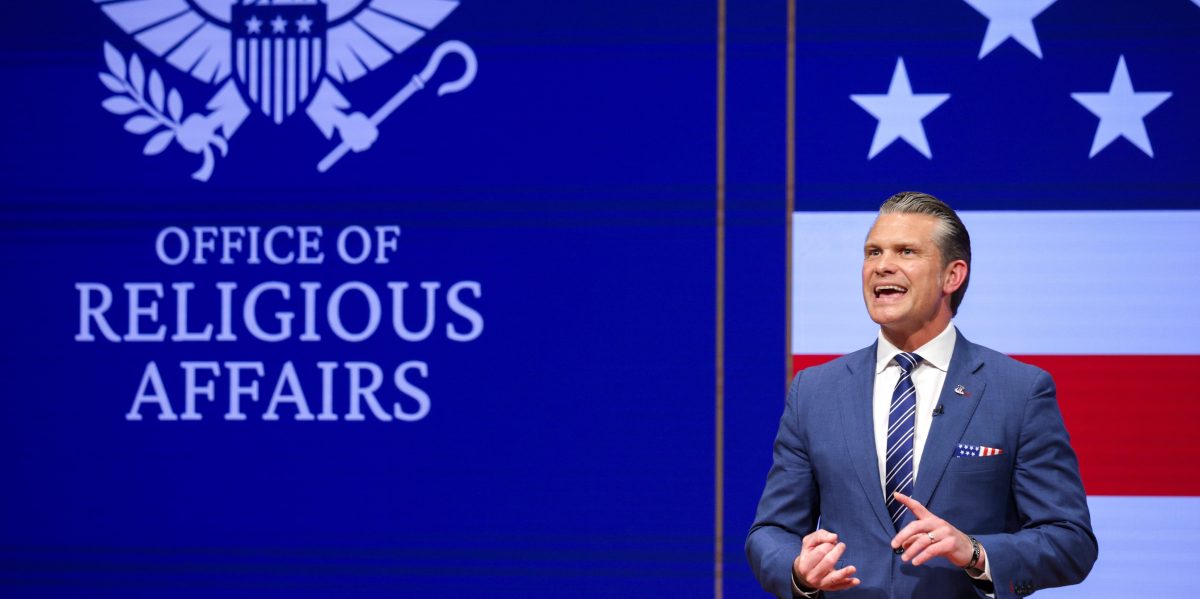
Secretary of War Pete Hegseth explains that this is absolutely not a crusade, he just happens to be covered in crusader tattoos and quoting Isaiah while selling a war with Iran to ROTC kids.
Defense Secretary Pete Hegseth, whose body is apparently a limited-edition CrusaderCon merch table, has created a shiny new Office of Religious Affairs at the Pentagon so military chaplains can reach him without “bureaucratic dilution.” The chaplains’ response? Thanks, but we preferred the dilution to the theocracy. Non-Christian chaplains are already worried this direct line to the SecDef’s sword-and-cross fan club will turn their jobs from pluralistic support into background extras in Hegseth’s personal Book of Revelation live-action roleplay.
Instead of quietly respecting the First Amendment like some kind of godless communist, Hegseth is running an openly Christian "Send Me" campaign, draping the deeply unpopular Iran war in Isaiah 6:8 and Judgment Day rhetoric. Pentagon spokes-flack Kingsley Wilson insists this is all about religious freedom while bragging that Christianity is “woven deeply into the fabric of our nation,” casually skipping over the part where the Constitution explicitly bars the government from doing exactly this. Meanwhile, chaplains are asking whether non-Christian clergy will quietly stop getting hired or promoted, as the new office consolidates control over chaplaincy, “spiritual readiness,” and “spiritual resilience” under a guy whose "Deus vult" tattoo once got him flagged as a potential extremist threat.
So the official line is: No coercion, totally voluntary, nothing to see here—just the Secretary of Defense with crusader ink, war-with-Iran recruitment tours named after Bible verses, and a central religious office reporting straight to him. The Pentagon used to be about war planning; now it’s apparently half weapons depot, half megachurch.
Model American democracy: the people on the "¡No se puede! Sin nosotros" T-shirt do the work, Trump gets the votes, and the pundits get a polling crosstab to obsess over.
Pollsters have rediscovered Latinos, which means the political class has remembered they exist again. After helping shove Trump back into the White House in 2024, Latino voters are now drifting back toward Democrats by about 30 points, according to the Times/Siena poll. So much for the triumphant MAGA talking point about a permanent "multiracial working-class coalition" built on yelling "open borders" into a Fox camera.
The article politely frames this as a normal electoral swing, not as millions of people watching Trump’s second-term clown car of corruption, grift, and creeping authoritarianism and deciding, actually, no thanks. Democrats haven’t clawed back to their old margins, but they’ve apparently done just enough basic governance and not-openly-racist politics to become the lesser evil again in key House and Senate races across Arizona, Texas, Florida, and beyond.
Meanwhile, the Times lovingly details its poll methodology—hundreds of thousands of calls, careful weighting, margins of error—because in 2026, we need laboratory-grade precision to confirm the shocking revelation that people don’t enjoy being treated as a monolithic prop while Trump world tries to deport their relatives and gut their healthcare. The big story isn’t that Latinos are “swing voters”; it’s that they keep having to swing between parties that alternately neglect them, exploit them, or threaten them, while the Trump administration tests just how much democratic backsliding a country can take.
The Trump Justice Department, hard at work arguing that Alaska voters are too dumb to read a ballot and therefore must be overruled by Washington.
The Trump administration’s Justice Department has decided that elections are optional unless their guy wins. In Alaska, DOJ filed a lawsuit demanding that the courts block certification of the upcoming Senate race if and only if Republican Sen. Dan S. Sullivan loses, on the theory that some voters are just too fragile-minded to distinguish him from Dan J. Sullivan Jr., the other guy with the same name on the ballot. Democrats and Mary Peltola’s campaign are now begging a federal judge to toss this tantrum of a lawsuit into the nearest snowbank.
The filing from Peltola and the DSCC calls DOJ’s stunt an “unprecedented pre-emptive strike on democratic elections,” which is lawyer-speak for are you people out of your minds. Trump has been raging on Truth Social that the race is “totally confusing” and a “SCAM,” and — like clockwork — his Justice Department produced a complaint arguing that every vote for Dan J. Sullivan Jr. should be magically treated as a vote for the incumbent, and that Alaska’s results shouldn’t count unless that hypothetical math produces a GOP win. Subtle.
Legal experts say the case is on “shaky ground,” which is a polite way of noting that U.S. elections are run by states, not by whatever paranoid fantasy is currently living rent-free in Donald Trump’s head. Alaska already went through a court fight to keep Dan J. Sullivan Jr. on the ballot; now the federal government is swooping in late, after early voting has started, to try to reserve the right to veto the outcome if voters pick the wrong Dan. It’s less a lawsuit than a mission statement: elections are fine, as long as they’re pre-rigged for the ruling party.