President Trump, shown here mid-air and mid-tantrum, explains that democracy will continue just as soon as it stops letting the wrong people vote.
Donald Trump, currently cosplaying as a constitutional scholar from the back of Air Force One, has announced he will simply stop signing bills until Congress passes his latest voter suppression fever dream, the so-called Safeguard American Voter Eligibility (SAVE) America Act. The bill would radically overhaul voter registration by forcing eligible voters to cough up passports, birth certificates, and photo IDs — to solve the very real and urgent problem of a crime that is already illegal and statistically negligible, but tragically insufficient at keeping Democrats from winning elections.
On Truth Social, Trump declared, "I, as President, will not sign other Bills until this is passed," essentially threatening a one-man legislative strike unless Congress agrees to help him kneecap the electorate before the 2026 midterms. He also cheered on Fox News calls to nuke the Senate filibuster — something he loves when it helps him entrench minority rule, and hates when Democrats suggest using it for, say, health care or voting rights. Senate Majority Leader John Thune is still pretending the filibuster is sacred, while Chuck Schumer has responded with a polite version of "enjoy your shutdown, buddy," promising Democrats won't touch the SAVE Act.
The fun twist: if Congress stays in session, bills become law after 10 days without Trump’s signature anyway, which means the big strong authoritarian move here might amount to the legislative equivalent of holding his breath until he turns orange-er. Meanwhile, no one at the White House will say whether this little extortion gambit applies to funding DHS or the Iran war supplemental — because nothing says responsible governance like threatening to jam the entire federal government until you can make it harder for people to vote you out.
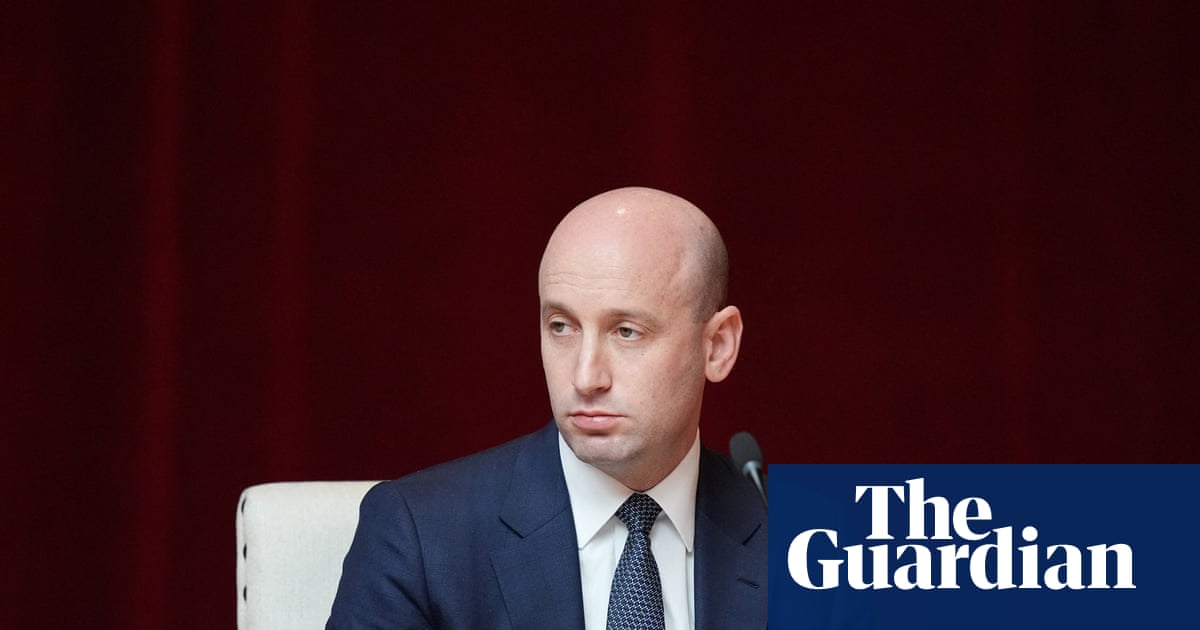
Stephen Miller, seen here wondering why everyone is suddenly mad about the policies he bragged about on television for a decade.
Thom Tillis, who has apparently just now regained consciousness in year eight of the Trump era, went on CNN to announce that Stephen Miller is a "big problem" in the administration and should go. The architect of family separation, Muslim bans, and whatever that Greenland fever dream was is, according to Tillis, obsessed with form over substance and wields "outsized influence" over cabinet operations. So yes, the guy who helped design the cruelty is still running the cruelty, and the revelation is being treated like a bold new insight rather than the political version of noticing the house has been on fire since 2017.
The senator is backing Markwayne Mullin to replace Kristi "American Citizens Are Terrorists" Noem at DHS, insisting Mullin will heroically resist Miller’s mind control, despite the minor detail that Mullin is already parroting the same lies about federal agents killing Alex Pretti and Renee Good. Meanwhile, Hakeem Jeffries is out here stating the obvious: swapping out one hardline loyalist for another doesn’t fix a Department that uses taxpayer money to "brutalize or in some cases kill American citizens." But sure, let’s call it progress when a retiring Republican finally says out loud that Stephen Miller, the man who wanted to buy Greenland and militarize ICE into a domestic terror machine, might not be the best guy to let run immigration policy.
The government is still partially shut down, DHS still isn’t funded, ICE is still behaving like a rogue paramilitary outfit, and the big Republican reform on the table is… firing Stephen Miller, maybe, eventually, now that it’s politically safe. The bar is not on the floor; the bar has tunneled several stories down and applied for ICE funding.
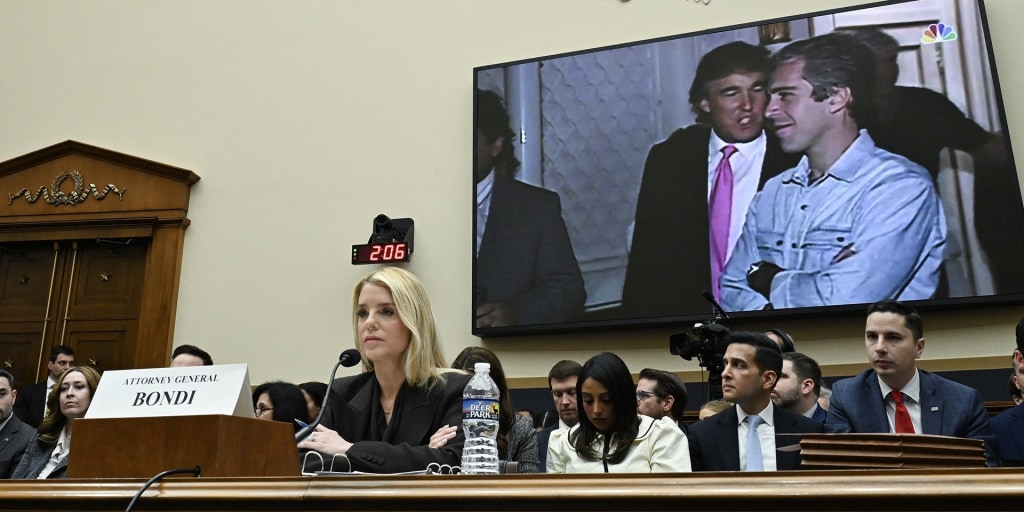
NBC rolls footage of Congress pretending they might actually make a billionaire answer questions about his pedophile friend.
Democrats on the House Oversight Committee are now politely asking Donald Trump to sit down and chat under oath about what he knew, saw, or did in the Jeffrey Epstein orbit, following the release of new testimonies and documents. The request covers his interactions with Epstein, any visits to the financier’s homes or properties, and what exactly was going on during those "we were just neighbors" years Trump suddenly can't remember.
Republicans, having spent years pretending Epstein was exclusively a Democratic scandal, are now discovering that the guest list for America’s Worst Social Circle was extremely bipartisan and extremely rich. Trump, of course, has a long public record of bragging about knowing Epstein and his "preference" for younger women, which the GOP would now like everyone to consider an unfortunate figure of speech and not a blazing red flag.
So we’re back in familiar territory: Congress asking questions about powerful men and sexual abuse, the right screaming "witch hunt," and Trump world insisting that any subpoenas are just part of a vast conspiracy to criminalize the sacred American tradition of hanging out with sex traffickers on private jets. Accountability for the rich and connected remains theoretical; the hearings, however, will be televised.
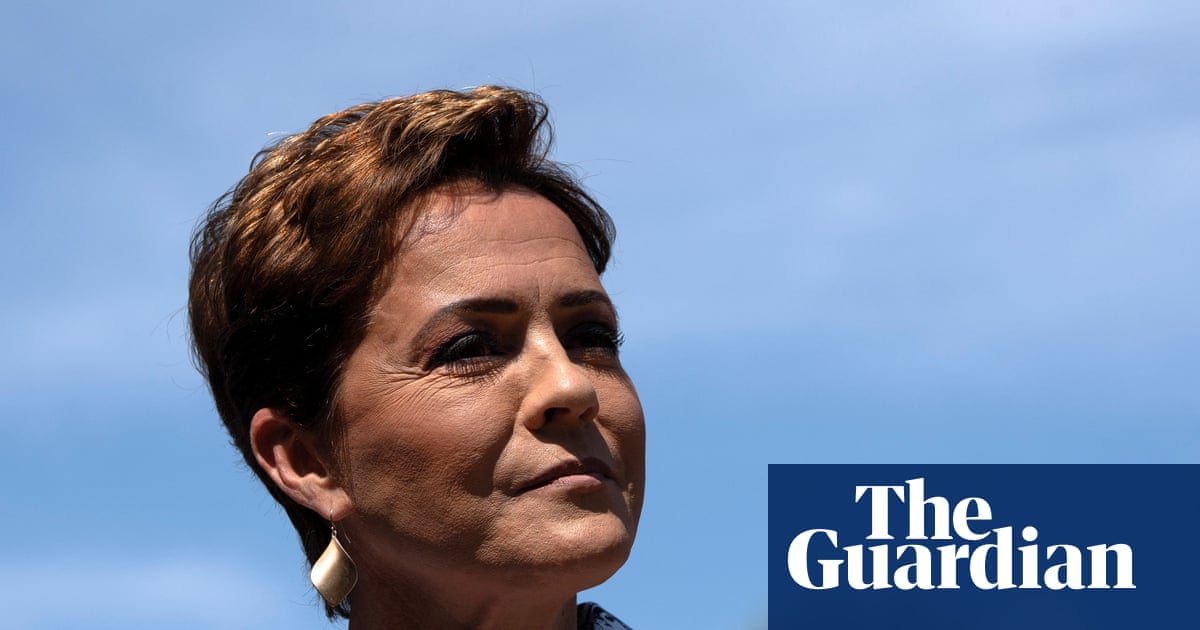
Kari Lake explains that she is, in fact, the acting law now — moments before a Reagan-appointed judge disagrees in 30 pages of constitutional footnotes.
Kari Lake just found out the hard way that you can’t cosplay as a Senate-confirmed official. A federal judge ruled that Lake unlawfully ran the US Agency for Global Media — the outfit that oversees Voice of America, Radio Free Europe, Radio Free Asia, and other pesky "journalism" operations that occasionally tell the truth about authoritarian governments, including ours.
Trump’s team tried to defund the agency, then handed Lake the keys anyway, Senate be damned. From July 31 to November 19 she rampaged through USAGM, cutting contracts and axing over 1,000 staff while operating in a role the court says violated both the Appointments Clause and the Vacancies Act. The judge — Reagan-appointed Royce Lamberth, so spare us the “woke Biden judge” routine — ruled that everything she did in that period has no force or effect. Translation: your mass layoff speedrun doesn’t count if you were never the boss.
Lake responded like any serious public servant confronted with a detailed constitutional ruling: by calling the decision “outrageous,” promising an appeal, and amplifying a post mocking the judge’s weight and blood sugar. Bold strategy to argue legal nuance by fat-shaming a Reagan appointee who just cited a Third Circuit precedent invalidating another Trump crony appointment (Alina Habba in New Jersey). Who needs law when you have insults and X reposts?
Meanwhile, the VOA journalists who sued — including White House bureau chief Patsy Widakuswara — say they feel vindicated and are now trying to rebuild the agency so it can go back to producing journalism instead of audition tapes for state TV. Congress, for its part, responded to Trump and Lake’s attempted demolition by appropriating half a billion dollars more than Lake asked for. The authoritarian takeover of US international broadcasting is not going well, but the commitment to bumbling, unconstitutional sabotage remains truly world-class.
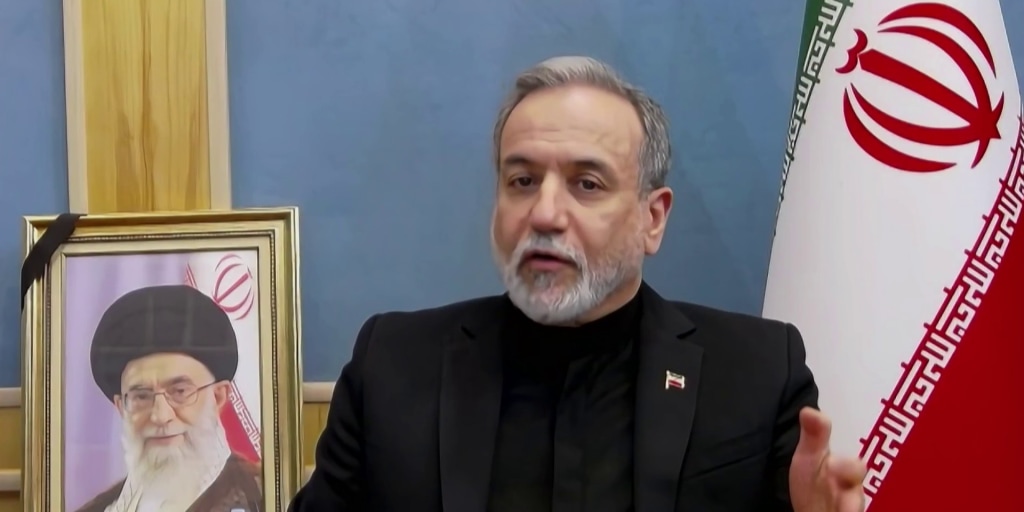
Iran’s foreign minister politely pretending it’s normal that the U.S. president is trying to cast Iran’s next leader like a failed ‘Apprentice’ reboot.
Trump, apparently bored with merely trying to overturn elections at home, has now helpfully informed the world that he’ll be personally selecting the next leader of Iran. Because when you’ve already tried to pick America’s president by ignoring votes, why not expand the franchise to foreign regimes too? Iran’s foreign minister, in the Meet the Press interview, is left doing diplomatic gymnastics around the fact that the President of the United States is talking about regime change like he’s announcing a new Mar-a-Lago golf pro.
The interview doubles as a highlight reel of Trump-era foreign policy: open talk of picking other countries’ leaders, a shooting war with Iran driving skyrocketing oil prices, and the U.S. government treating international law like the terms of service on a free app. While Iran’s top diplomat tries to sound measured about partnerships with Russia and the chaos unleashed by the conflict, the subtext is clear: Washington is being run by a guy who thinks the world map is a reality show casting board.
So yes, the administration has managed to turn ‘respecting national sovereignty’ into an optional side quest while nudging us closer to permanent war and economic pain at home. But don’t worry, Trump says he’ll pick the right guy for Iran. The last time he picked a leader, it was Mike Pence, and even that ended with a mob hunting the guy through the Capitol.
Trump’s EPA carefully explaining that greenhouse gases aren’t dangerous while the background slowly catches fire.
The Trump EPA has officially decided that greenhouse gases are no longer legally "endangering" anyone, which is a bold position for an administration whose main climate policy is "good luck out there." By repealing the endangerment finding that gave the federal government authority to regulate planet-heating pollution, they tried to kneecap climate rules and hand big oil a regulatory hall pass. Unfortunately for them, Trump’s DOJ is also in court insisting that only the federal government can regulate these emissions, not states like Vermont and New York that passed "climate superfund" laws to make fossil fuel companies pay for the damage they caused.
Legal advocates are now politely pointing out that the administration can’t simultaneously claim "we alone control greenhouse gas regulation" and "actually we have no authority to regulate greenhouse gases at all" without sounding like a drunk constitutional law exam. Vermont, New York, and a growing list of states are using Trump’s own rollback as a crowbar to pry open the courthouse doors and keep their climate superfund laws alive, while cities and states suing oil companies for decades of climate deception are eyeing the hypocrisy like it’s Exhibit A.
EPA insists the Clean Air Act still magically preempts state laws even after it torched its own authority, which is a fascinating theory of federal supremacy: the power to do nothing, forever, and stop anyone else from doing something. Meanwhile, farmers and communities are eating the costs of extreme weather while the administration scrambles to protect Exxon’s feelings. If this is what "energy dominance" looks like, it’s mostly the federal government dominating itself in court.
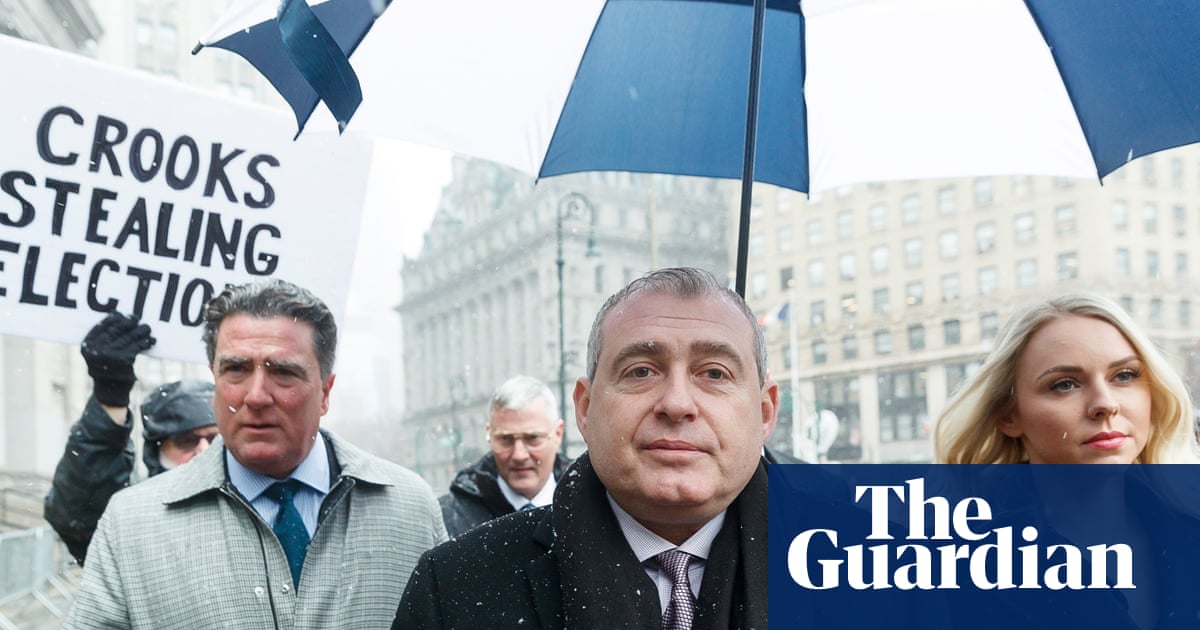
Lev Parnas and Donald Trump giving thumbs‑up, presumably to acknowledge a successful Russian‑funded influence op or just the general collapse of campaign finance law.
Lev Parnas, the guy who helped funnel Russian oligarch cash into Trumpworld and then personally lobbied Donald Trump at a donor dinner to fire the U.S. ambassador to Ukraine, is now running for Congress as a Democrat in Florida. Because the Trump era never ends, it just gets a new party label and a campaign website. Parnas, fresh off a 20‑month sentence for campaign finance crimes involving a cool $325,000 to Trump’s pet super PAC, is now pitching himself as the reformed cult escapee who’s seen the swamp from the inside and wants a badge and a keycard this time.
He’s leaning hard into the redemption arc: he calls Trumpworld a "cult," says he "woke up" while being pulled into one of the biggest political scandals in modern history, and now vows to "take the fight" to Congress. Translation: the guy who helped Rudy Giuliani try to manufacture dirt on Joe Biden from Ukrainian officials now wants to sit on the committees that investigate people who do that. Meanwhile, the state of Florida, in its ongoing performance-art phase, will not let Parnas vote because he’s a felon, but is totally fine with him writing the laws.
Parnas’s campaign site cheerfully acknowledges his "highly public challenges"—which is an elegant way of saying "federal convictions and an attempted impeachment side quest"—and promises that Washington insiders are terrified of him having subpoena power. Given that his last major contribution to democracy was helping set up Trump’s "do us a favor though" shakedown call to Zelenskyy, they might actually be, just not for the reasons he thinks. As a bonus subplot, fellow Ukraine‑impeachment character Alex Vindman is also running for office in Florida, setting up the most on‑the‑nose spin‑off of the Trump presidency yet: "Impeachment: The Extended Universe."
Artist’s rendering of American democracy: a crumbling building labeled "institutions" with a giant TRUMP sign bolted on top and donors selling VIP tours out front.
American liberals are still frantically refreshing their phones waiting for "the moment" democracy collapses, while Eric Reinhart dryly points out that the moment was…several decades ago, and now we’re just living in the rubble. For tens of millions of people stuck with predatory debt, militarized policing, and vanishing public goods, the whole "self-governing citizens" thing has been missing for ages. For the donor class and their favorite orange executive, however, this same system delivers insulation, impunity and a very cozy oligarchy to cry about on cable news whenever anyone says "taxes".
The article skewers the comforting fantasy that Trump is some wild historical aberration menacing a once-functional democracy, rather than the logical product of a system built on settler colonialism, slavery, mass incarceration, voter suppression, and corporate capture blessed by the Supreme Court. The bipartisan demolition crew—Reagan through Obama, Biden, and Trump—deregulated, privatized, and union-busted the public sphere into dust, then acted shocked when fascist politics sprouted in the ruins they made. Now the same elite class tells us the only solution is to "restore norms" and donate to their PACs, because nothing says "vibrant democracy" like begging unelected billionaires and federal judges for basic human rights.
Reinhart’s core point: as long as we pretend collapse is a future event to heroically prevent, we’ll keep clinging to the very institutions and procedures that already failed, leaving Trumpism and its friends free to keep strip-mining what’s left. Genuine democracy would require actual public infrastructure—housing, healthcare, childcare, schools, libraries, unions, public media—that lets people experience a shared fate instead of life as a Hunger Games spinoff sponsored by Goldman Sachs. But that would mean confronting the fact that our current order isn’t a fragile democracy on the brink; it’s an oligarchy with elections, and Trump is just the guy who stopped pretending otherwise.
American therapist prepares for another client whose chief symptom is "lives under Trump".
Turns out the real growth industry of the Trump era isn’t coal, it’s therapy. As immigration agents shoot residents in Minneapolis and detain 5-year-olds like Liam Ramos, people like Utah professor Rebecca McFaul wake up every day with what queer scholar Ann Cvetkovich politely calls “political depression” and what normal humans might call “my government is a horror movie and I can’t find the exit.” Therapists report that politics is no longer background noise; it’s the whole diagnosis. The election cycle, the raids, the shootings, the MAGA influencers ranting about the dangers of compassion – that’s the presenting problem, not some vague "work stress."
Platforms like Zocdoc and Spring Health spike in demand right after Trump’s 2024 win, universities scramble to set up "coping spaces" with Lego sets and coloring books, and mental health researchers calmly explain that politics has become a chronic stressor linked to sleep loss, rage, compulsive doomscrolling, and suicidal thinking. Young, left-leaning, politically engaged people get hit hardest, because of course the folks actually paying attention are the ones melting down. Therapists like Shahem Mclaurin are forced to become part counselor, part community organizer, part emergency responder to state violence, reminding clients that they’re not individually broken – they’re living inside a system that is.
Instead of telling people to just breathe through the fascism, some clinicians are finally saying the quiet part out loud: no, you shouldn’t calmly accept that the world is this fucked up. They’re helping clients see how racism, economic injustice and weaponized cruelty are not personal failures but structural ones, and trying to channel despair into action and community. Because in Trump’s America, the choice is not really between politics and mental health; it’s between paying for therapy now, or waiting until the next ICE raid, Supreme Court ruling, or executive tantrum finishes the job. The state breaks you, and then the wellness industry bills your insurance for putting you back together.
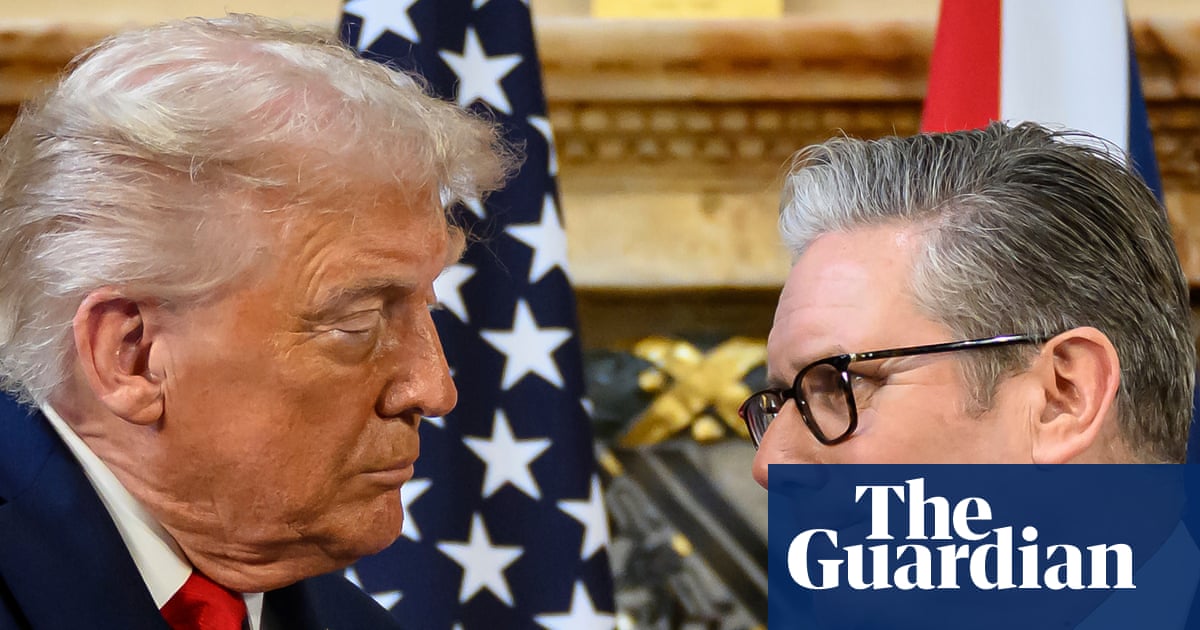
Trump explains that the US doesn’t need British help, just their runways, airspace, and geopolitical obedience.
Donald Trump is very bravely telling Britain he doesn’t need their help in the war he’s already declaring "won" — while simultaneously flying US bombers out of UK bases to hit Iran. The man has discovered a new form of alliance: we get your territory, you get public humiliation. On Truth Social, he sneers that the "once Great Ally" is only now thinking about sending carriers, before huffing that the US doesn’t need latecomers to the party he insists is already over.
Meanwhile, reality — that boring obstacle to Trumpist foreign policy — reports that four US bombers have already landed at RAF Fairford and started using British bases for "specific and limited defensive" operations. So Starmer’s government is effectively letting Washington run strikes out of UK soil while trying to pretend this is all very narrow and responsible, like a landlord insisting they only rent out the spare room, not the basement torture dungeon.
Marco Rubio then pops up at a security conference in Miami to deliver the passive-aggressive Hallmark version of gunboat diplomacy, warning that allies who hesitate when Washington wants to sling missiles around might not get the full loyalty punch card stamped next time. It’s classic Trump-era foreign policy: imperial expectations, zero gratitude, and a constant threat that the friendship bracelet comes with a targeting package.
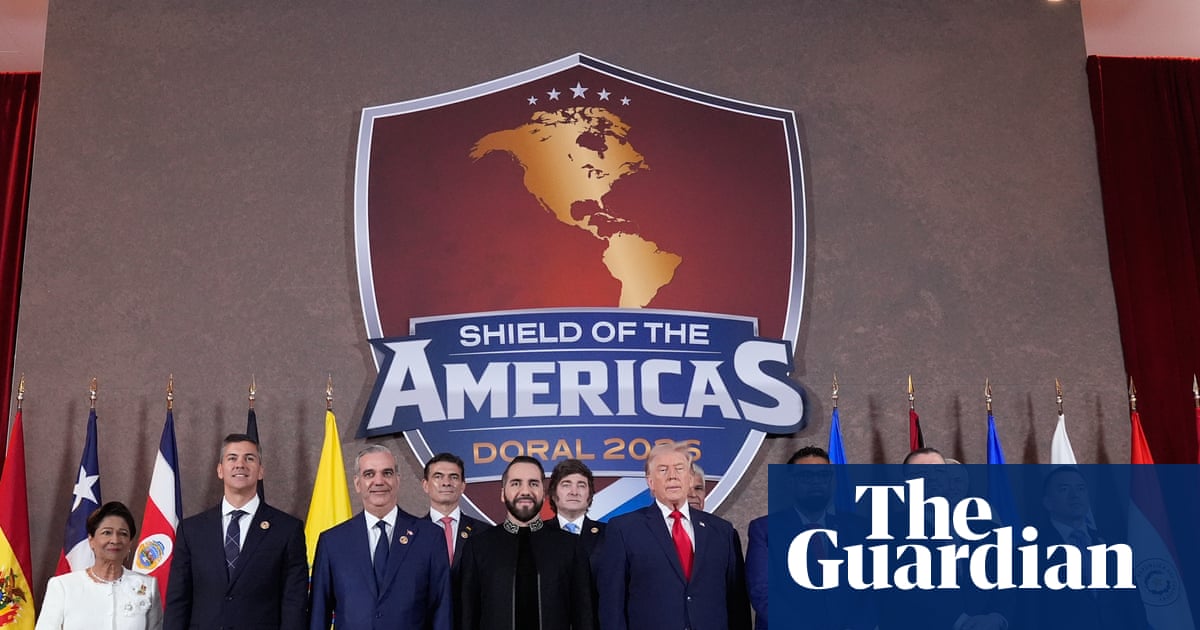
Trump unveils his new hemispheric security architecture between the 9th and 10th holes, proving that all roads to regional stability run through the pro shop.
Trump has discovered a bold new venue for hemispheric security strategy: his own Miami-area golf club. Twelve Latin American leaders were summoned to Trump National Doral so the president could announce his "Shield of the Americas" summit, a sort of NATO-for-cartels concept where the entrance fee appears to include greens fees and a photo op. Nothing says "rules-based international order" like convening regional allies in a property you personally profit from while talking about other people’s corruption.
The sales pitch: a "counter-cartel coalition" modeled on the war against Isis, because if there’s one thing the region desperately needs, it’s more militarized US adventurism wrapped in counter-narcotics branding. Trump helpfully declared Mexico the "epicenter" of cartel violence and said cartels are "running Mexico"—while praising President Claudia Sheinbaum, who was not invited to this little golf diplomacy cosplay. Apparently the new hemispheric doctrine is: insult your key neighbor, work around their government, then demand regional loyalty anyway.
As a warm-up act, the US recently ran a military operation to snatch Venezuela’s former president Nicolás Maduro, now awaiting trial in the US, while Trump gushes over interim president Delcy Rodríguez for "doing a great job working with us"—a phrase that traditionally precedes decades of blowback. He then casually predicts Cuba’s imminent collapse and promises a "great new life" once Havana gets with the program, because nothing has ever gone wrong when Washington starts redesigning Caribbean regimes like a suburban HOA board.
To tie the whole thing together, Trump rolled out the "Donroe doctrine"—a Monroe Doctrine knockoff with more branding and fewer scruples—vowing not to allow "hostile foreign influence" near strategic assets like the Panama Canal. Secretary of State Marco Rubio used the occasion to dunk on the UK for not being sufficiently enthusiastic about US strikes in Iran, while Defense Secretary Pete Hegseth complained that America has been too focused on "far-flung" borders instead of its own hemisphere. So yes, the administration’s big innovation is to move from forever wars in the Middle East to a golf-club-based security sphere in Latin America, with a side of regime change and a generous helping of self-enrichment.
Behold: the world’s most passive-aggressive convoy to Moscow, where every sedan is a quiet reminder that sanctions work great, right up until presidents start waiving them for poll numbers.
Donald Trump has discovered a bold new strategy for confronting Russian aggression: help pay for it. After years of painstaking, incremental sanctions that have been slowly strangling Russia’s oil-fueled war machine, he’s handed Vladimir Putin a tidy little lifeline by waiving the U.S. ban on India buying Russian oil for 30 days. Why? Because gas prices might go up and nothing scares the self-proclaimed strongman more than a cranky voter at a Shell station.
Sanctions have been hammering Russia hard enough that even Moscow’s bureaucrats can’t keep up the “everything is fine” cosplay: municipal investments slashed, staff cut, debts hidden in local books like a mob ledger. The U.S. had actually been leading on tough measures—freezing Rosneft and Lukoil assets, threatening secondary sanctions, even boarding shadow-fleet tankers. So naturally, now that the pressure is finally working, Trump’s move is to let more Russian oil flow so Americans don’t get mad at him over a few extra cents at the pump.
Meanwhile, Ukraine is allegedly hunting Russian tankers in the Med, Belgium is sending special forces onto shady ships, and investigative reporters are tracing a booming shadow market of foreign-made cars reaching Russia through China. Allies are trying—clumsily, inconsistently, but trying—to enforce the sanctions regime. And Trump? He’s out here punching holes in the tourniquet to keep Putin’s arteries pumping hard currency, all to protect his approval rating from the terrifying specter of mildly higher gasoline prices. It’s not foreign policy, it’s a coupon-clipping service for oligarchs.
The FDA carefully reviewing yet another self-certified "safe" food chemical by staring at the label and hoping for the best.
The FDA, America’s favorite regulatory security blanket, has apparently been doing vibes-based food safety, with more than 100 substances in everyday foods, drinks, and supplements never actually reviewed by the agency. Thanks to the "generally recognized as safe" (GRAS) loophole from 1958 — originally meant for boring things like salt and vinegar — companies now just pat themselves on the back, declare their own chemicals safe, and quietly pump them into Capri Sun, organic broths, snack bars, and whatever passes for health food at Whole Foods and Trader Joe’s.
The Environmental Working Group dug through federal records and found 111 mystery ingredients of unknown safety being used across major brands, including things like aloe vera extract — which is linked to cancer when ingested and banned in some medicines — plus a whole buffet of extracts whose health impacts range from "we don’t really know" to "liver, kidney, brain, and fetal damage, but enjoy your wellness shot." Companies can legally skip telling the FDA anything, hire a handful of friendly scientists, and call it a day, while the agency just waves from the sidelines like an understaffed hall monitor at a chemical rave.
The report politely calls this a “wake-up call,” which is adorable, since we passed "wake-up call" about three poisonings and one Four Loko ago. Even better, Health and Human Services secretary Robert F. Kennedy Jr — Mr. "Make America Healthy Again" himself — promised to close the GRAS loophole, then turned around and proposed a weaker fix that leaves the basic scam intact. So yes, the government absolutely could require real safety reviews before chemicals hit your kid’s lunchbox. It’s just choosing not to. Regulation for the people? No. Regulation for the marketing department.
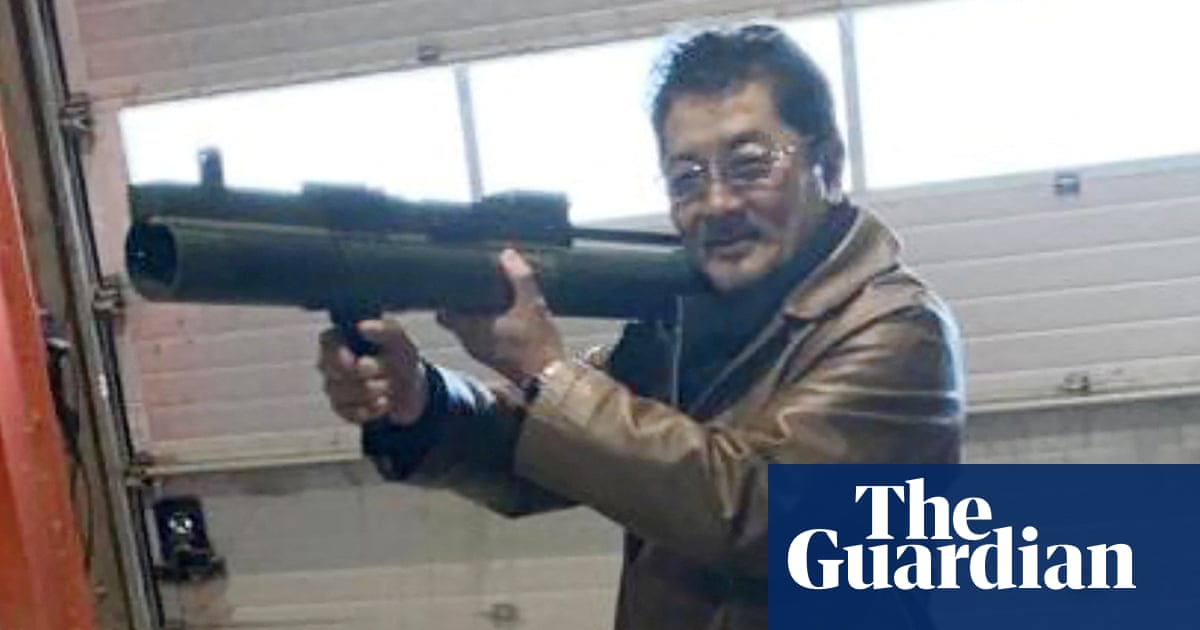
Artist’s rendition of global nuclear security: one Geiger counter, several warlords, and a DEA agent LARPing as an Iranian general.
American law enforcement just reenacted every neocon fever dream: an undercover DEA agent pretended to be an Iranian general in charge of Tehran’s nuclear weapons program, and a Japanese "Yakuza boss" – who may actually just be a garden-variety conman – tried to sell him heroin, meth, rocket launchers, and, oh right, weapons-grade plutonium. Because when you picture nuclear proliferation, you obviously think: Myanmar rebels, Golden Triangle drug routes, and a guy who calls uranium and meth "cake and ice cream" like he’s running a cursed Baskin-Robbins.
The US calls this a "resounding success" in nuclear security, which is one way to describe discovering that insurgent groups in Myanmar are apparently mining uranium while porous borders, weak customs, and nonexistent radiation detection let nuclear material wander around the planet like it’s backpacking through Europe. Experts are now stuck asking the fun question: if this random drug-smuggling side-hustler had weapons-grade plutonium samples, where did they actually come from, and how much more is out there? The official answer so far is: ¯\(ツ)/¯, but with more footnotes.
Meanwhile, the DEA’s sting relied on the classic Washington script: pretend Iran is buying nukes, then point to Iran to justify endless war talk about Iran’s nuclear program… while the real problem is unsecured material leaking from everywhere else. So yes, we’re bombing and sanctioning one country over a program it denies, while weapons-grade plutonium is apparently available via insurgent WhatsApp in Myanmar. Strong work, global nuclear order.
Trump administration officials carefully reviewing a stack of federal court orders before depositing them directly into the nearest shredder.
Federal Judge Patrick Schiltz just dropped a 210-count indictment of vibes on the Trump administration, cataloguing hundreds of times where ICE and friends simply treated court orders like unsubscribe emails: annoying, ignorable, and definitely not binding. His Minnesota opinion lays out 210 orders in 143 cases that the administration shrugged off, often without even bothering to invent a fake legal excuse. Meanwhile, Judge Jeffrey Bryan is over here scheduling show cause hearings because the government couldn’t manage the complex legal task of ‘give the person’s stuff back like I told you’.
Trump, naturally, has decided that court rulings – like elections – only count if he wins. After the Supreme Court smacked down his unconstitutional tariffs, he accused the justices of being "very unpatriotic" and controlled by "foreign interests," because nothing screams devotion to the Constitution like attacking the branch whose job is to interpret it. Attorney General Pam Bondi joined the tantrum, branding Virginia federal judges "rogue" for noticing that the administration’s appointment of Lindsey Halligan as U.S. attorney was, minor detail, illegal.
Legal scholars call this strategy "legalistic noncompliance" – using the language of law as camouflage while ignoring the actual orders. Judges threaten contempt, then mostly blink, turning Article III into an elaborate suggestion box. The rare time someone like Judge James Boasberg found probable cause for criminal contempt over deportation flights, an appeals court rode in to rescue the scofflaws. Yet when Judge Laura Provinzino slapped a $500-a-day contempt fine on a U.S. attorney until an immigrant detainee got his ID documents back, the government miraculously complied within 24 hours. Turns out the executive branch can obey the law; it just prefers not to unless the alternative is paying cash.
For centuries, courts have had the power to jail or fine people – including government officials – who treat their orders like spam. The Trump team has essentially bet that judges won’t use that power against them, and so far, they’re mostly winning. If the judiciary doesn’t stop playing polite debate club with an administration openly testing how much law it can break before anyone does anything, we’re going to find out the hard way what a constitutional system looks like when one branch decides the rules are optional and the referees are too scared to throw a flag.
Trump greets an overflow crowd while his would-be mini-mes back in Georgia fight over who gets to carry his golf bag into the governor’s office.
Georgia’s GOP primary for governor was already a MAGA-themed demolition derby, and then billionaire health care executive Rick Jackson showed up, dumped a promised $50 million on the track, and asked voters if they’d like a second helping of 2016 Trump with slightly worse branding.
Jackson has spent nearly $16 million in a month introducing himself as a "straight-talking, Trump-supporting self-made outsider" who "doesn’t owe anybody anything" — a fun line from a man attempting to purchase the governor’s mansion with couch-cushion change. He launched his campaign by descending in a glass elevator to evoke Trump’s golden escalator entrance, because if you’re going to cosplay as an authoritarian-adjacent cult leader, you might as well commit to the bit.
While Trump has already endorsed Lt. Gov. Burt Jones, Jackson is running a delicate little fanboy operation: he’s not touching Jones, but he is airing an ad calling Brad Raffensperger — the Republican who refused Trump’s request to help steal Georgia in 2020 — a "Judas" who "turned on his own kind." That spot conveniently aired in D.C. and West Palm Beach media markets, just in case a certain Florida resident needed his ego stroked between indictments.
The result: a billionaire oligarch trying to buy a governorship, a Trump-endorsed candidate, the state’s top law enforcement officer, and the secretary of state who once defended basic democracy all clawing for the same MAGA base. Georgia Republicans aren’t just running a primary; they’re holding auditions for who can best punish the guy who wouldn’t help Trump overturn an election — and who can spend the most to do it.
Trump solemnly explains that paying athletes for their own names will end higher education, while a room full of very well-paid men in suits nod gravely and wonder how big their next media-rights check will be.
Donald Trump, a man whose entire life is a monument to unearned advantages, gathered a roomful of college sports power brokers at the White House to mourn the real victims of the NIL era: not the unpaid athletes who finally clawed back a sliver of their value, but the universities and conferences that have to share a few dollars from their billion‑dollar TV deals. He warned that letting players get paid for their own names and faces will "destroy" not just college sports, but the entire US higher education system – a bold prediction from someone who already tried to destroy it with Trump University.
Instead of inviting any of the NCAA’s 550,000 athletes, Trump packed the East Room with commissioners, lobbyists, and political allies to brainstorm how to save the industry from players getting money. The consensus solution: give the NCAA a nice little antitrust carve‑out, preempt those pesky state laws, and maybe pool media rights so the same people who signed the "horrible" court settlement can squeeze out another $6bn while pretending this is all about "students losing scholarships". Ted Cruz showed up to cry about a looming "travesty" if programs disappear – not because of chronic exploitation, of course, but because the gravy train might slow down.
Trump promised an "all-encompassing" executive order within a week, explicitly designed to provoke a lawsuit and drag the issue back into a court system that already ruled, 9–0 in NCAA v Alston, that the cartel can’t just collude to keep players broke forever. He ranted about a "radical left" judge who approved the settlement that the NCAA, conferences, and athletes themselves agreed to, then feigned surprise when told the conservative‑stacked Supreme Court helped unleash this. Meanwhile, Olympic and women’s sports were trotted out as human shields – the first budgets administrators admit they’ll slash, then blame on those greedy 19‑year‑olds who finally get a cut of the TV money. It’s a perfect Trump-era civics lesson: when the courts and athletes modestly rebalance power, the White House, Congress, and university suits rush in to restore the natural order where everyone gets paid except the labor.
Trump, moments before announcing that cyberwar will now be handled by the same people who brought you Terms of Service nobody reads.
The Trump administration has unveiled its National Cybersecurity Strategy, a brisk seven-page pamphlet that basically says: what if we privatized cyberwar? Instead of keeping offensive cyber operations inside the pesky constraints of government, Trump wants to "unleash" private companies to "disrupt adversary networks" — because nothing says responsible use of force like handing it to contractors whose main constitutional commitment is to quarterly earnings.
The document manages to talk about U.S. cyber threats while conspicuously tiptoeing around China and Russia, the two countries that have spent the last decade turning American infrastructure into a digital Airbnb. Prior strategies named them directly; Trump’s reads like it was focus-grouped in Moscow and edited in Beijing. But it does find room for the usual buzzwords — streamlined regulation, AI to "detect, divert, and deceive" threat actors — all wrapped in a strategy that’s about 32 pages shorter than Biden’s, presumably because detailed rules and oversight might get in the way of the really important goal: creating a free market for semi-deniable cyberattacks.
So we now have a president openly proposing that private firms play a more active role in cyberwarfare, raising a minefield of legal, ethical and constitutional questions about who’s actually authorized to wage war in America’s name. Think Blackwater, but with root access and an options package. What could possibly go wrong?
Trump staring at a map of the Middle East like it’s a restaurant menu, somehow surprised that ordering the Suleimani special came with a side of assassination plots and regional war.
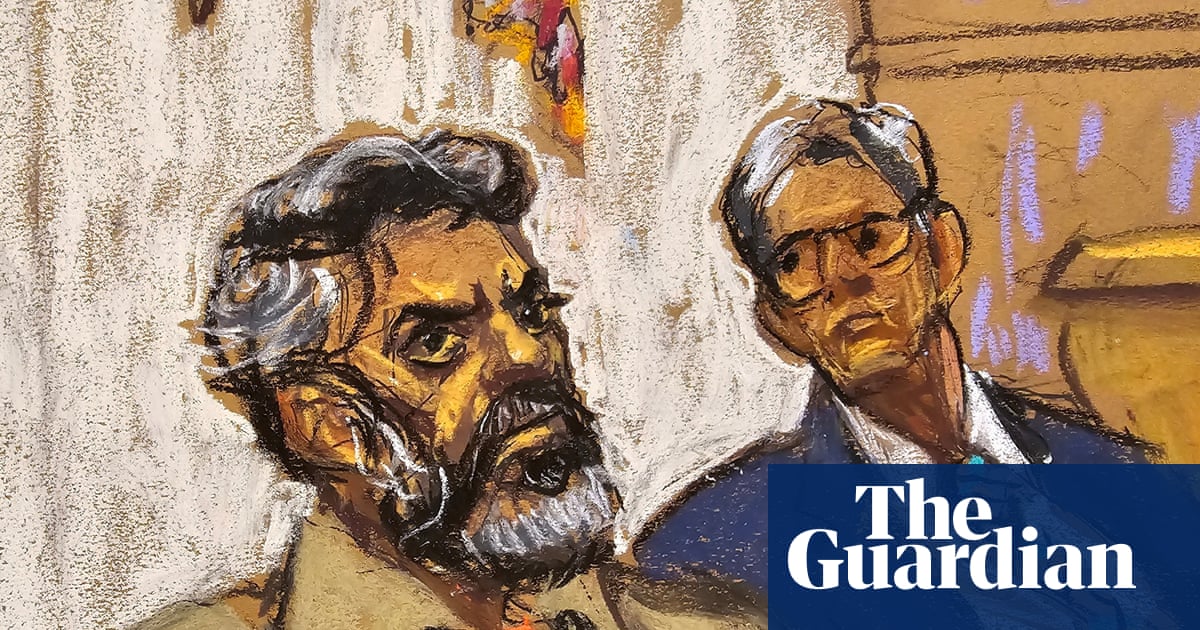
The Trump show has officially gone international syndication. A Pakistani man, Asif Merchant, has been convicted in New York of plotting to kill Donald Trump, Joe Biden, and Nikki Haley at the direction of Iran’s Islamic Revolutionary Guard Corps, as payback for Trump’s 2020 assassination of Qassem Suleimani. You remember that one: the bold, galaxy-brain strike that was absolutely not going to spark years of spiraling retaliation or turn US officials into walking targets worldwide. Flawless strategic foresight, as always.
The plot never got off the ground because someone Merchant tried to recruit did the thing the Secret Service wishes more Trump staffers would do: called law enforcement. Merchant claims he only joined the IRGC scheme to protect his family in Tehran, while Iran officially denies it targeted Trump or any US officials. Meanwhile, the trial conveniently kicked off just as Trump ordered a joint assault on Iran with Israel, which has already killed at least 1,332 Iranian civilians and wiped out a chunk of the country’s leadership, according to Tehran’s UN ambassador. Six US service members and at least 10 Israeli civilians are also dead, because the Forever War doesn’t do refunds, just sequels.
So we’ve got: Trump’s first-term drone assassination of Suleimani; Iran-linked plots to assassinate Trump and other US leaders on US soil; and now a region-wide war with a mounting civilian body count. But sure, tell us again how blowing up senior officials in foreign countries is a tidy, contained policy tool and not a long-term subscription to global vendetta politics. The only thing transcending national boundaries here is the sheer volume of terrible decisions.
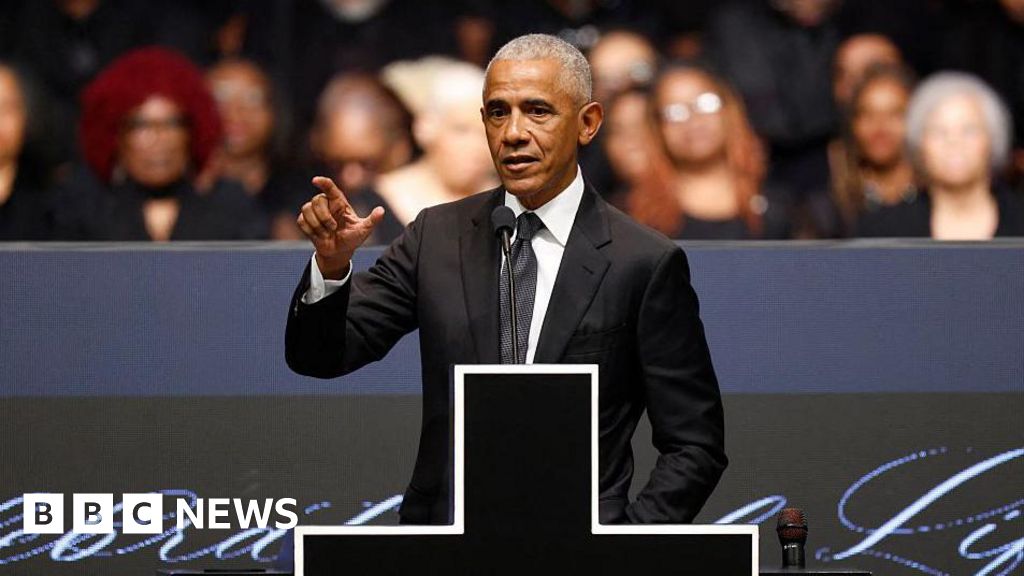
Three ex-presidents attend a funeral and still manage to show more respect for democracy than the guy actually in office.
Chicago hosted something Washington hasn’t seen in a while: three former presidents in the same room talking about protecting democracy instead of stress-testing how much of it can be shredded by executive order. Barack Obama, Joe Biden, and Bill Clinton gathered with thousands to honor civil rights icon Jesse Jackson, while Obama gently noted that "each day we wake up to some new assault on our democratic institutions" — a line so clearly about Trump that you could almost hear the Truth Social posts drafting themselves.
The service doubled as a reminder that there was once a time when "reverend" meant marching with Martin Luther King Jr, organizing for voting rights, and founding Rainbow PUSH, rather than livestreaming from a gold-plated golf club about how the Constitution is being mean. Clinton reminisced about Jackson standing by him during impeachment, Biden praised his tenacity, and Jennifer Hudson sang — a full tableau of people who, whatever their flaws, at least pretend democracy matters.
Meanwhile, the current occupant of the White House was present only as a ghost in Obama’s speech: an unnamed, lumbering threat to the institutions Jackson spent a lifetime trying to strengthen. America buried a civil rights legend while its sitting president kept proving why those rights and those institutions still need defending from the guy who’s supposed to be guarding them.