china buys 200 planes, trump sells 100% bs

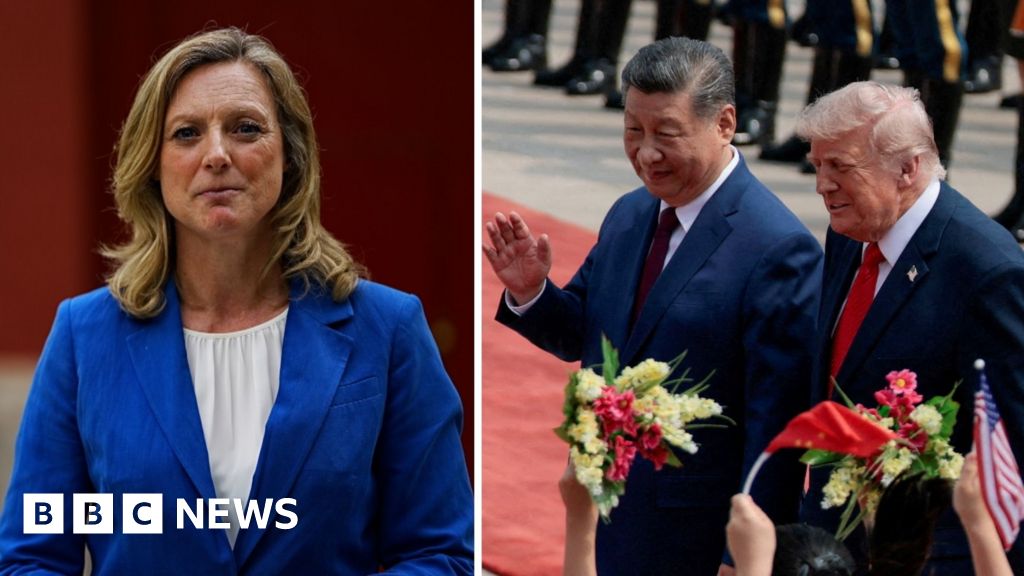
Trump and Xi on a red carpet in Beijing, each getting exactly what they came for: Xi gets leverage, Trump gets a banquet and a bragging tweet.
Documenting the chaos since day one — one awful day at a time.

Trump and Xi on a red carpet in Beijing, each getting exactly what they came for: Xi gets leverage, Trump gets a banquet and a bragging tweet.

Trump and Xi Jinping stand side by side in Beijing, each wondering if the other has any idea what was supposedly just agreed to.

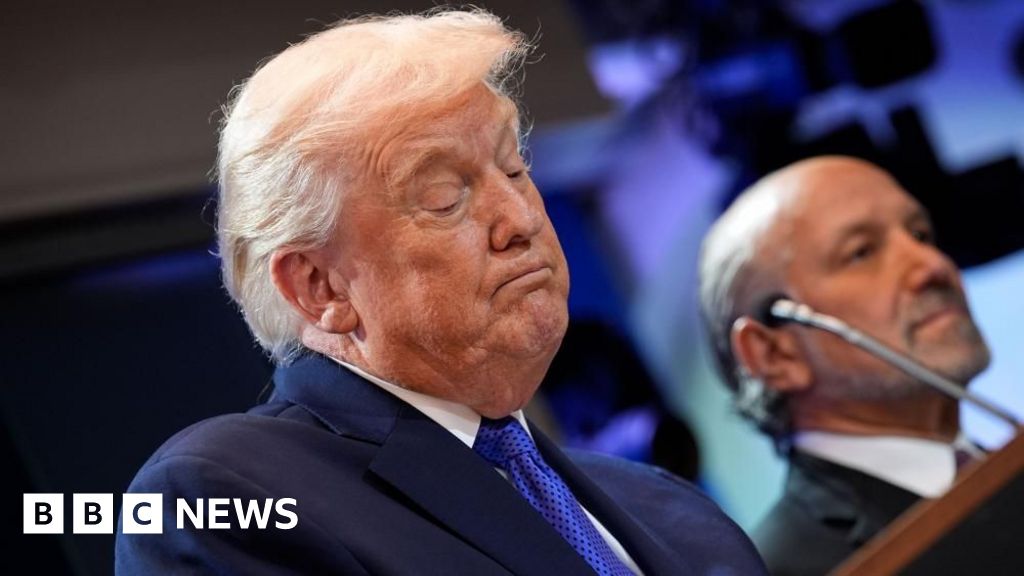
Trump hosts a support group for CEOs learning to pretend his trade chaos is a business strategy.
Trump has once again assembled his favorite species of American — the billionaire CEO — as set dressing for his latest attempt to look tough on China while desperately wanting a deal he can call "historic" on Fox & Friends. NBC notes that the invite to top executives is mostly posturing, which is a polite way of saying "stage-managed cosplay of economic statecraft" where the people whose supply chains he wrecked are dragged in to clap for the arsonist.
The White House is selling this as high-stakes strategy; in practice it's a casting call for whichever corporate leaders are willing to nod gravely while Trump alternates between threatening more tariffs and insisting the U.S. and China have a "fantastic relationship." Workers, farmers, and small businesses who got steamrolled by his trade war don't get an invite to this little oligarch salon — just the folks who can quietly pass the costs down the line and then pocket the tax cuts.
So the "deal" talk is less about fixing structural problems with China and more about producing a market-calming photo-op: Trump, Xi, and a ring of CEOs pretending this is all part of a 4D chess plan and not the diplomatic equivalent of a hostage negotiation conducted by reality TV producers. It’s the Trump doctrine in one tableau: break global trade, then ask the richest guys in the room to help you spin the rubble as a win.

A majestic government refund portal heroically trying to mop up $166bn of Trump’s trade-war cosplay with a digital teaspoon.
The great nationalist trade crusade has officially entered its chargeback phase. After the supreme court smacked down Trump’s IEEPA tariff joyride, the feds are now processing refunds on more than $166bn in fees that about 330,000 importers were forced to cough up so the former guy could LARP as a tariff genius. The fun twist: the bureaucracy everyone assumed would bury this for years is … actually working. Not fast, not elegantly, but in that uniquely American way where you upload something called a "Consolidated Administration and Processing for Entries Declaration" and pray to the Ace Secure Data Portal gods.
Businesses can get their money back, as long as they go through their original customs broker — because the government remembers how the pandemic-era Employee Retention Tax Credit turned into a buffet for fraud mills. So now small firms get to call the broker they fired for being useless and ask them, politely, to stop being useless for 60–90 days. On the bright side, some big shippers like FedEx, UPS, and DHL say they’ll actually pass refunds back to customers. Meanwhile Amazon, Apple, Costco, and the rest are sitting in the corner very quietly, presumably measuring whether sharing the cash would violate their core corporate ethos of keeping the money.
The cherry on this sundae of policy malpractice: a bunch of businesses already deducted those Trump tariffs on their 2025 taxes, so the 2026 refund will be taxable income. Trump’s trade war was such a success that companies now need accountants just to unwind the privilege of having funded it. The MAGA tariff era started as an emergency economic power and ended as an IRS line item and a government refund portal. Truly, the art of the deal.

Trump explains international trade to the EU: ‘Nice car industry you’ve got there. Shame if something… 25 percent happened to it.’
Small business owner waits for illegal Trump tariffs to be refunded; federal government responds with an exciting new game called ‘Have You Tried Hiring 12 Lawyers?’
Richard Brown, a one-man sneaker-accessory importer in Ohio, woke up to the news that the Supreme Court had finally noticed a tiny problem: most of Trump’s tariffs were illegal. After a year of paying those unlawful duties, Brown quite reasonably assumed the federal government would, you know, give him his money back. Instead, he’s starring in a real-time documentary about how Washington can turn a clear-cut refund into a years-long bureaucratic escape room.
While mega-corps like Costco and Revlon lawyered up in advance and filed suits to lock in their claims, Brown has… himself, a friend in Virginia, and sometimes his dad. Trump officials immediately started warning that refunds would be “complex” and could take years — which is a very polite way of saying, "We illegally took your money and now we’re going to dare you to spend even more trying to get it back." Trade experts are openly worrying that billions in unlawful tariff collections may simply never be repaid, effectively turning Trump’s failed trade war into a forced loan from small businesses to an administration that lost in court and is still acting like it won.
So the scoreboard looks like this: Trump slaps on tariffs that the Supreme Court later torpedoes, Customs happily vacuumed up the cash, and now the government is shrugging at the prospect of returning it — especially to people who can’t afford armies of lawyers and customs brokers. The big guys get refunds; the little guys get a master class in how executive overreach plus red tape can quietly morph into legalized theft. Winning.

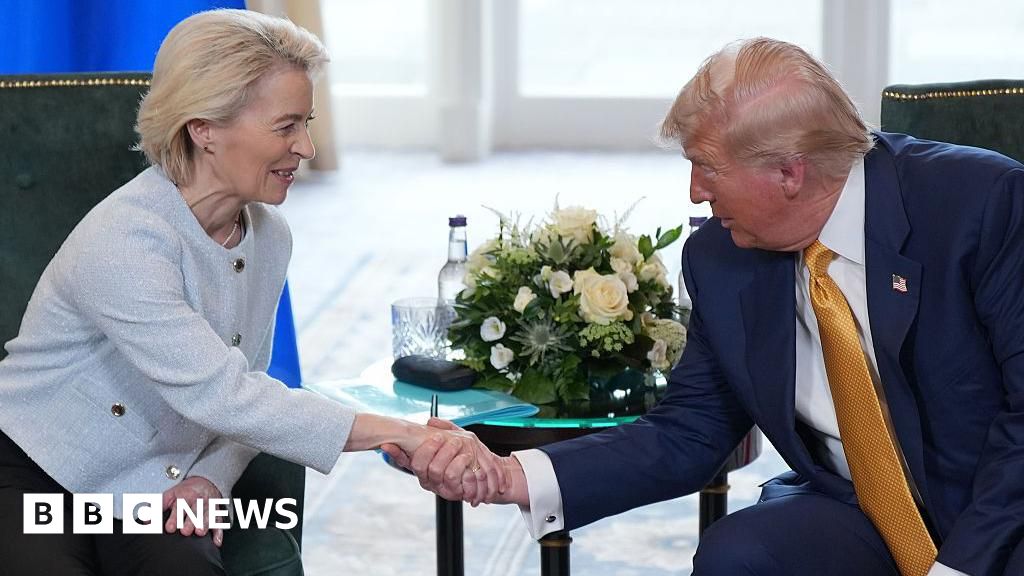
Trump and Ursula von der Leyen shake hands like two people who both know one of them is about to light the trade deal on fire.

King Charles leaves Washington having discovered that US trade policy can be rewritten with a state visit, a speech about alliances, and the promise of better whisky photos at Mar-a-Lago.

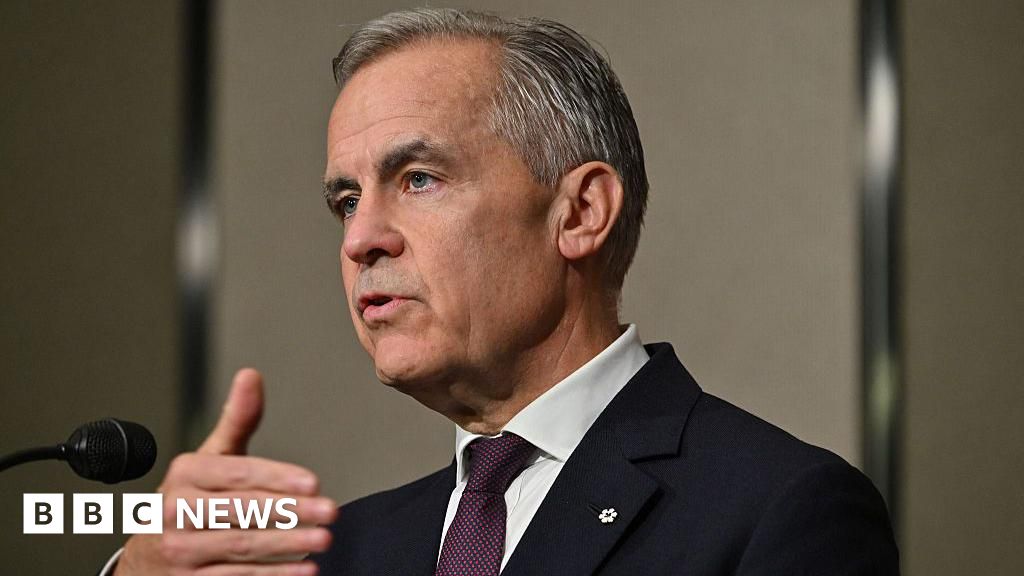
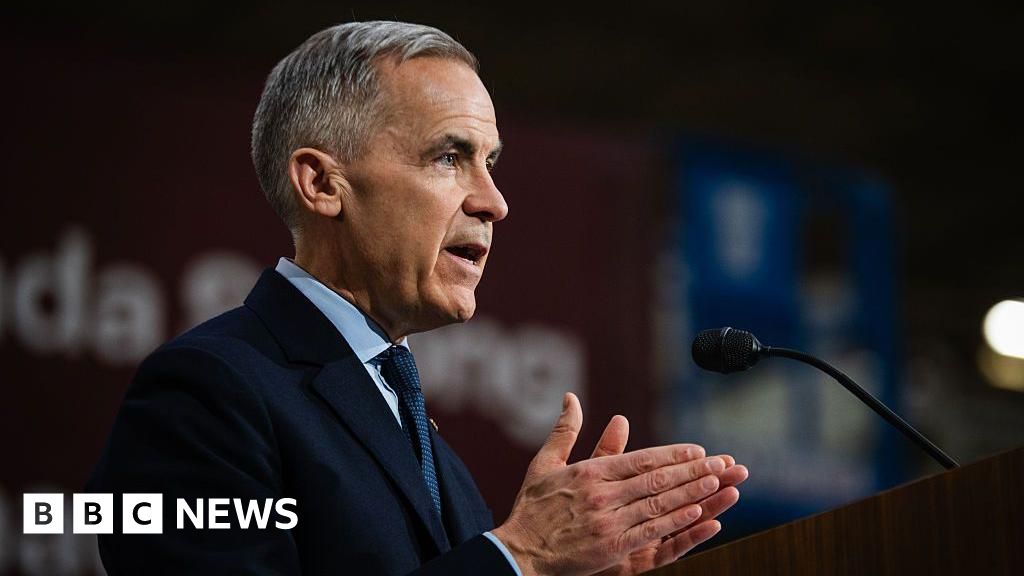
Mark Carney patiently explaining to the world’s largest economy that if you violate your own trade deal, you don’t also get to sell the whiskey.

Behold: the digital front door to getting your money back from the unconstitutional tantrum formerly known as Trump’s tariff policy.

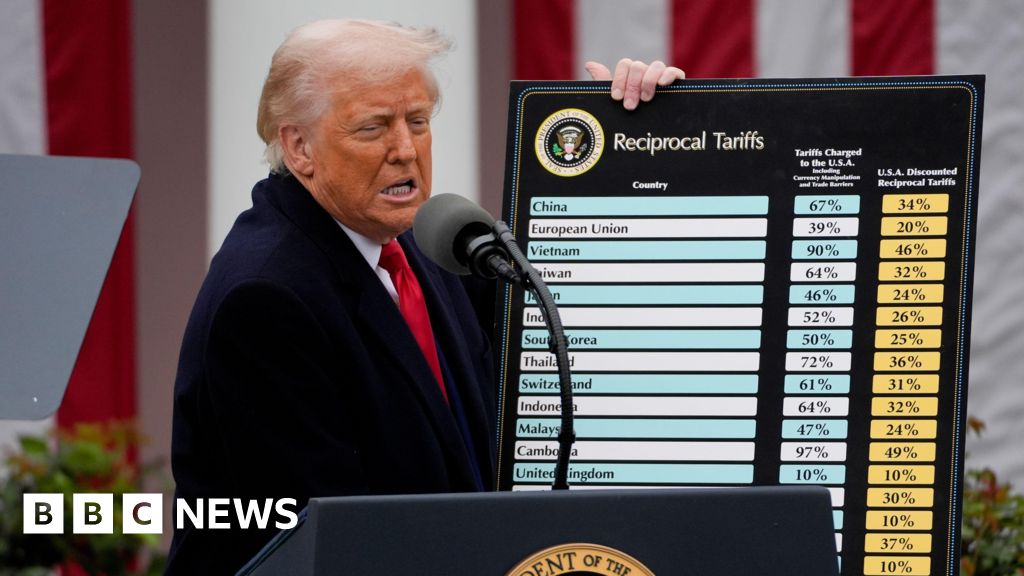
Trump proudly holds up a tariff chart in the Rose Garden like a kid showing off a crayon drawing of a house fire he started himself.

Behold the radical new Trump economic model: replace busloads of Canadian shoppers with vibes and a 30% revenue hole.

A shopper contemplates whether patriotism is really worth an 18% markup on coffee and the slow collapse of their checking account.

Trump studies a map of the global economy, circles the entire planet, and writes: "10%".

Customs and Border Protection prepares to press Ctrl+Z on $130bn of Trump’s ‘very legal, very cool’ tariffs.
Turns out Donald Trump’s big, tough trade policy was less “4D chess” and more “accidentally robbed 300,000 businesses and hoped no one would notice.” A judge on the US Court of International Trade has now ordered the government to start paying back potentially billions in illegal tariffs after the supreme court ruled Trump’s IEEPA-based cash grab was, minor detail, unlawful. The US collected more than $130bn this way, because why just abuse emergency powers for foreign policy when you can also use them as your own personal tax machine?
Customs and Border Protection is crying that fixing this is “unprecedented” and may require manually reviewing more than 70 million entries, which is what happens when you let a reality TV landlord improvise trade law on national security grounds. Judge Richard Eaton, sounding like a kindergarten teacher dealing with a very lazy student, basically replied: you already do refunds every day, push the button and pay people back—with interest. Over 300,000 mostly small importers are now waiting to see if they’ll actually get their money, or if the government will turn this into the world’s least fun rebate program.
Roughly 2,000 lawsuits are already stacked up, all saying the same thing: the tariffs Trump shoved through under IEEPA were illegal and everyone wants their cut of the refund pile. Eaton has no interest in hearing thousands of near-identical cases and is pushing for an across-the-board system so importers can get their money without hiring a lawyer or sacrificing three years of their life to paperwork. The Trump administration called it “America First.” The courts are now calling it what it was: unlawful duties, please line up for your reimbursement.

A small business owner tries to calculate tariff costs and refund paperwork, discovers the true meaning of ‘Trump-era streamlined government.’

Trump stares sadly at the lectern where someone forgot to write "Tariffs are a tax on you, not China" in 72-point font.

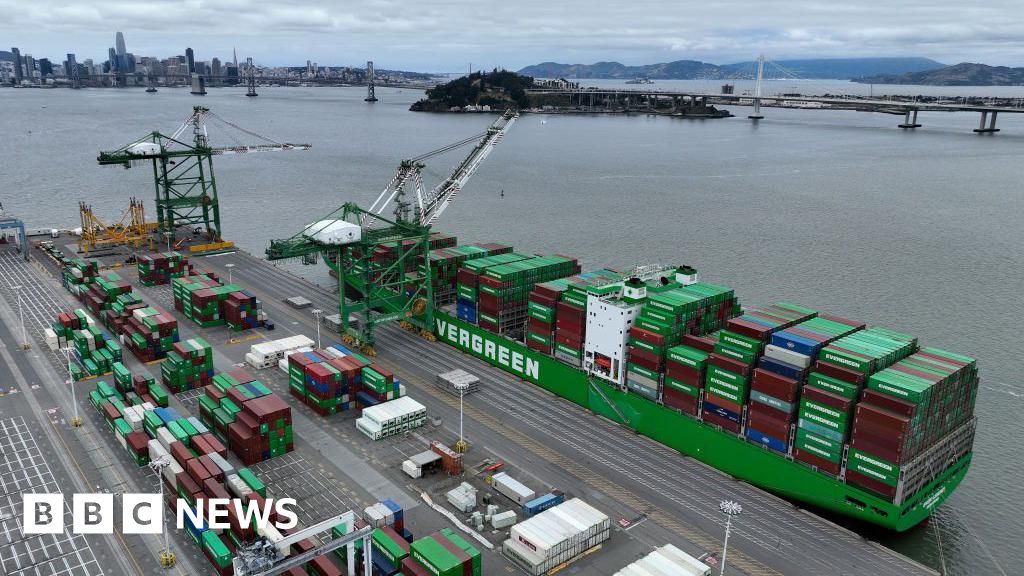
Behold: a container ship full of foreign goods stubbornly refusing to be scared off by Trump’s tariffs or his caps-lock tweets.

Trump stares at a photo of the Gordie Howe bridge, searching for the part where China confiscates the Stanley Cup.
Donald Trump has discovered a bold new frontier in economic statecraft: threatening to barricade a jointly owned $4.6bn international bridge and only later learning who paid for it. After raging online that the Gordie Howe International Bridge has “virtually no US content” and that Canada “owns both ends”, Mark Carney gently explained reality to him like a tired parent correcting a child who insists the moon is made of cheese. Canada fronted the cash, Michigan co-owns it, and yes, U.S. steel and workers were involved. So much for the big patriotic boycott of American jobs.
Rather than admit he doesn’t understand how bridges, ownership, or maps work, Trump blamed Barack Obama for “stupidly” approving the project — a project he himself once demanded be built “expeditiously” during his first term. Local officials, like Windsor’s mayor Drew Dilkens, called the rant “insane”, which is Canadian for “we are screaming into a polite void.” Meanwhile, business leaders are pointing out that threatening to choke off one of North America’s key trade arteries is a self-own of historic proportions, but this White House has never met a supply chain it didn’t want to set on fire.
Because one tantrum is never enough, Trump also revived his Canada grievances Greatest Hits: dairy, tariffs, and now the deranged claim that if Canada signs a trade deal with China, Beijing will somehow abolish ice hockey and seize the Stanley Cup. Yes, the sitting U.S. president is suggesting that China’s master plan is to invade Canada’s national pastime via customs paperwork. Canadians responded by roasting him online and reminding everyone they haven’t won the Cup since 1993, so if China wants to “eliminate” it, they’re a few decades late to that party.
Ontario’s populist premier Doug Ford, not to be out-populisted, vowed to “double down” on banning U.S. liquor from provincial shelves unless Trump drops his tariffs, turning cross-border trade into a hostage swap between whiskey and welded steel. What’s left is a president casually threatening to weaponize a critical international bridge, slap 100% tariffs on a neighbor, and rewrite trade policy based on a conspiracy theory about Xi Jinping cancelling hockey night in Canada. But sure, tell us again how this is all about protecting American workers.

Mark Carney, patiently explaining that when your neighbor keeps setting trade agreements on fire, you start building exits.