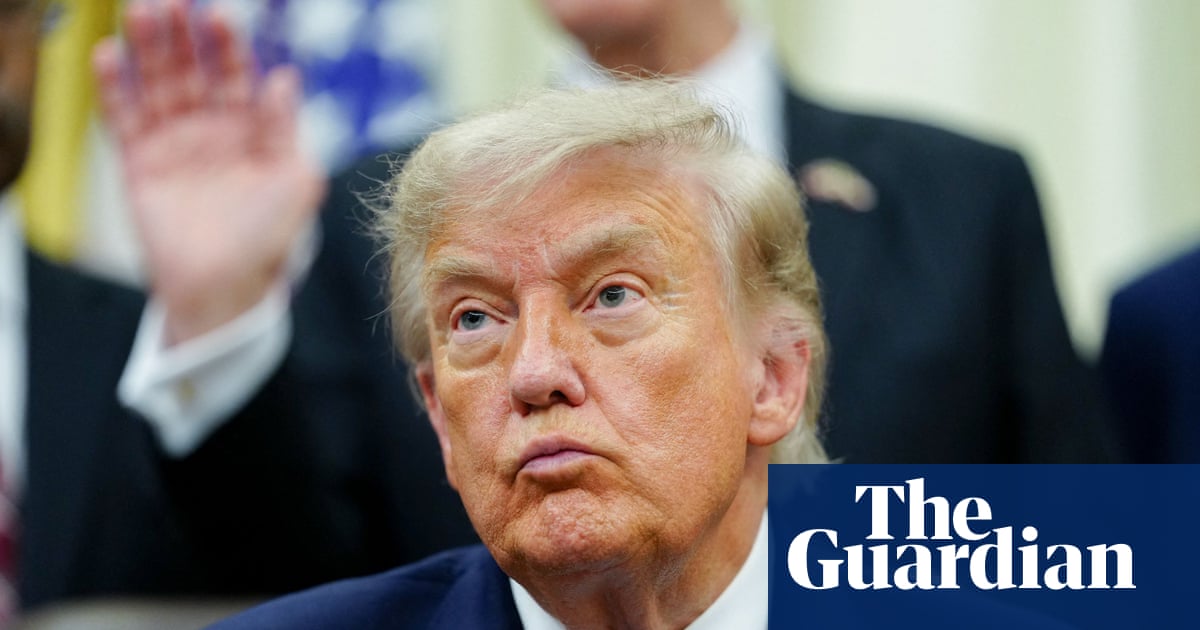
trump declares trade war on gravity, bombarder next

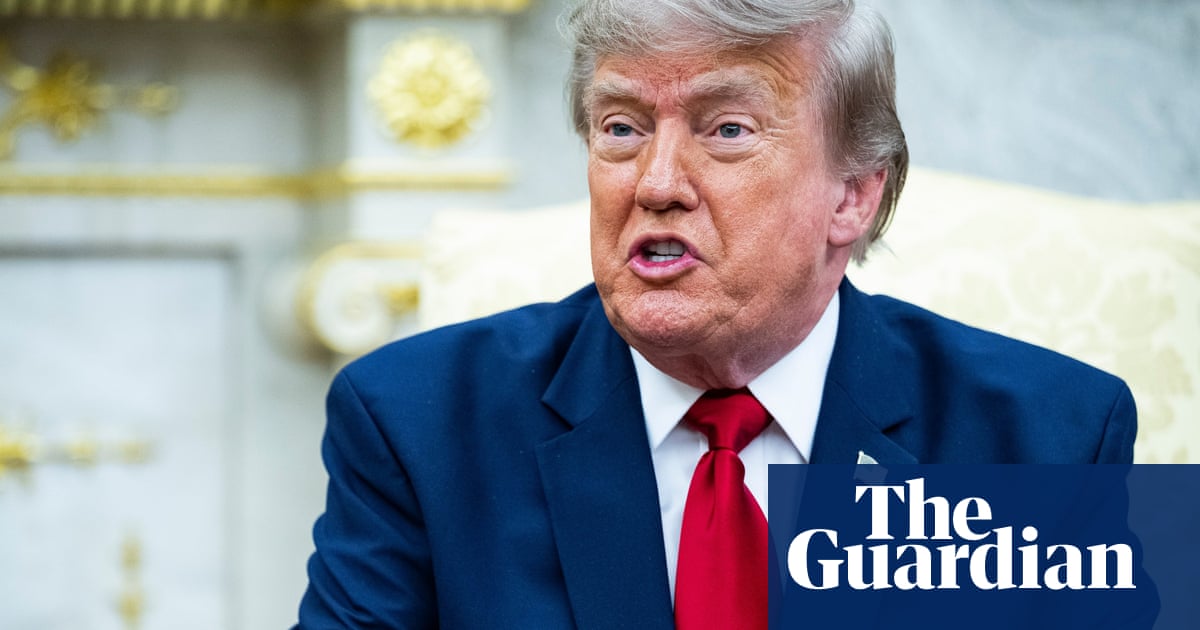
Trump, having just remembered Bombardier is not a French dessert, vows to personally renegotiate gravity, aerodynamics, and the USMCA via Truth Social post.
Documenting the chaos since day one — one awful day at a time.

Trump, having just remembered Bombardier is not a French dessert, vows to personally renegotiate gravity, aerodynamics, and the USMCA via Truth Social post.

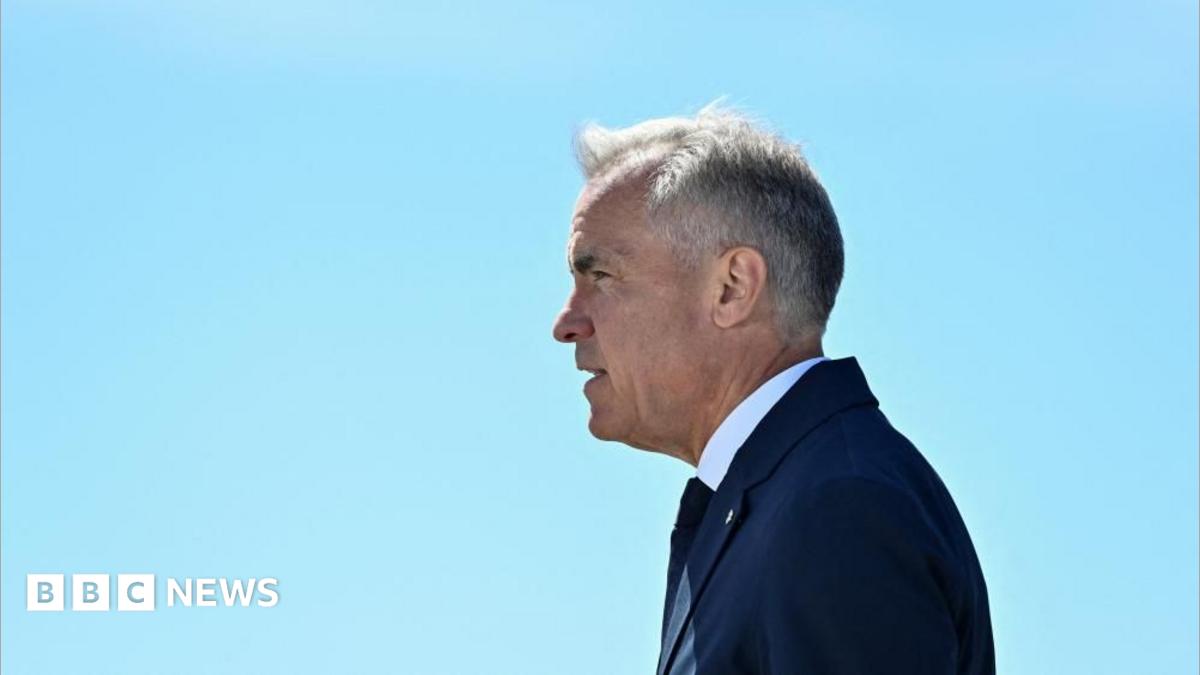
Mark Carney thanks Donald Trump for his generous contribution to Liberal Party turnout operations.

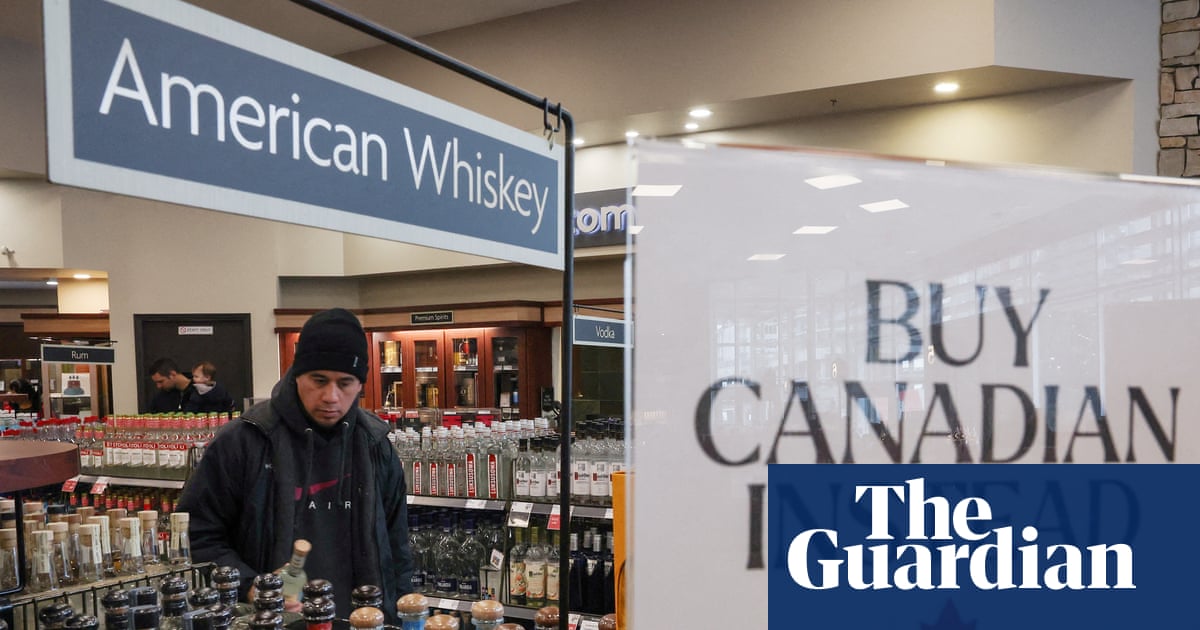
Canadian shop poster helpfully reminding customers which products are *not* part of Trump’s latest economic hostage situation.

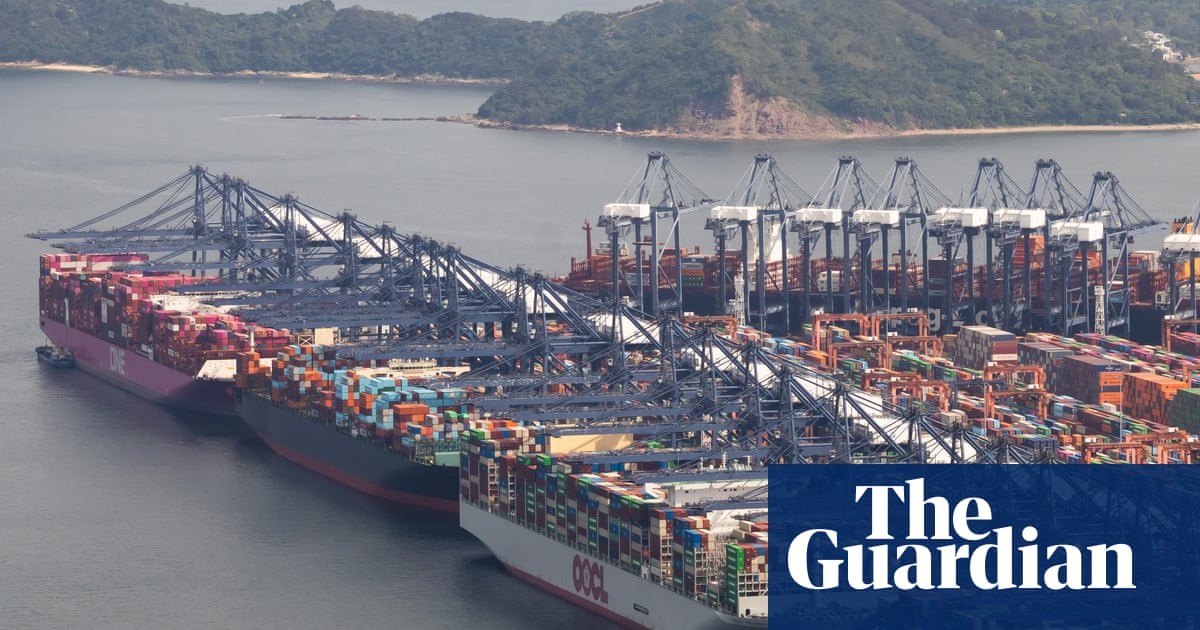
Qingdao port, where cargo ships calmly profit off the fact that the U.S. has decided to wage economic war primarily against itself.

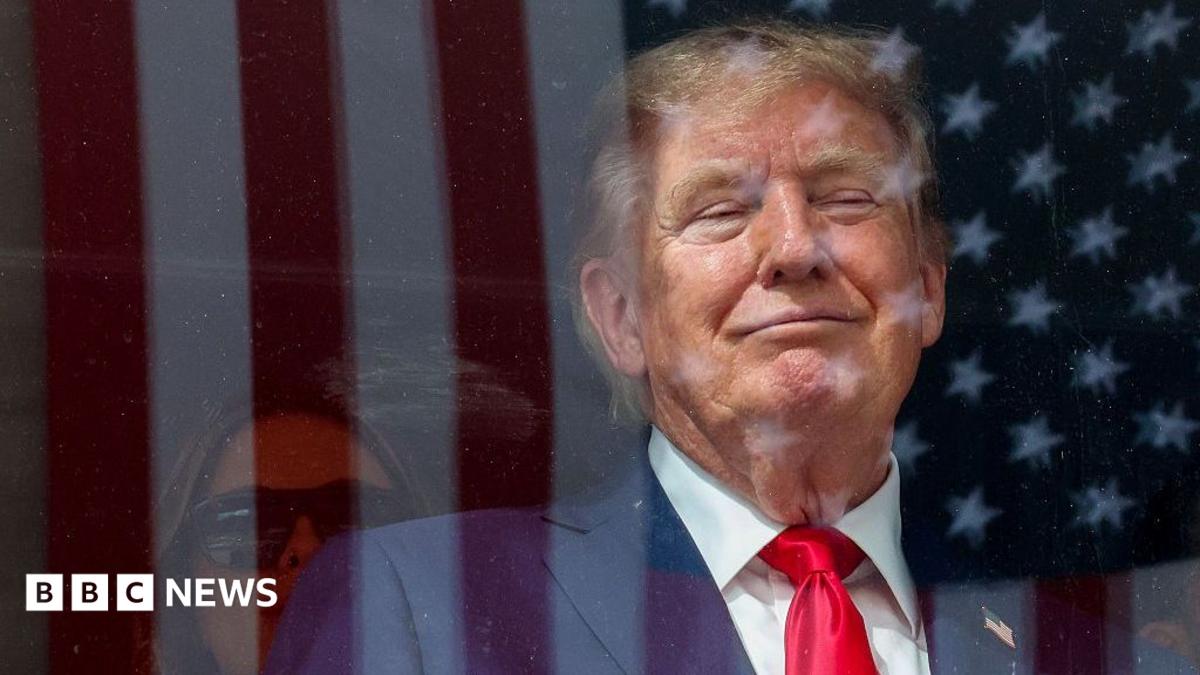
Trump stares northward, shocked to discover the endless white expanse he thought was snow is actually Canada’s middle finger made of aluminum tariffs.
JD Vance went to a private fundraiser, opened his mouth, and somehow managed to insult an entire country that Americans usually only remember when they need cheaper insulin or maple syrup. Calling Canadian PM Mark Carney a "very sweet guy" who always "climbs down" from tough talk, Vance basically announced that the US assumes Canada will roll over on command. Canada responded by doing the politest possible version of flipping the table: walking out of trade talks and slapping tariffs on $872 billion worth of cross-border happy fun times.
The Trump administration, currently speedrunning "How to Lose Friends and Alienate Neighbors," is again testing the outer limits of American power by picking a fight with the country that literally shares our power grid. While Trump yells that Canada is "ripping off" the US, Canadian officials are quietly gaming out how to weaponize their energy, critical minerals, and consumer markets. When Ontario Premier Doug Ford is telling the American president to "kiss my ass," you have officially entered a new phase of North American diplomacy: Nafta, but make it bar fight.
Strategists are politely noting that when you shove allies hard enough, they start shopping for new friends. Canada is openly talking about structurally pulling away from the US economy, while Mexico leans in closer, and Europe and Asia take notes like this is a live-fire case study in "How to Handle a Wannabe Strongman." The supposed master dealmaker has managed to turn the chill upstairs neighbor into a test case for resistance, proving that even the country famous for apologizing to furniture will eventually say no to being treated like a doormat.

Canada’s prime minister politely explaining that, yes, even America’s emotional support neighbor has limits.

JD Vance explains that US foreign policy is now a subscription service where allies get insulted in private and billed in tariffs in public.
At a closed-door fundraiser in Southampton, Vice President JD Vance reportedly treated US–Canada trade talks like open-mic night, mocking Prime Minister Mark Carney for trying to "out-tough" Donald Trump while the administration dangles 50% tariffs over Canada like a mob protection racket. According to the leaked audio, Vance calls Carney a "very sweet guy" who supposedly "climbed down" on a lot of issues, which is a bold critique coming from the guy whose job description is now apparently "Trump hype man with Air Force Two access."
All this stand-up comedy is happening as Trump threatens to hammer a major ally with massive tariffs, then graciously offers a three-day pause like he's extending a Black Friday sale on economic damage. The White House insists the punishment is for Canada's "discriminatory" alcohol rules, while Canadian provinces responded by cutting US booze imports by about 81% and discovering that, shockingly, they also know how to ferment things.
Back in Canada, Manitoba premier Wab Kinew says Carney was just one notch above "begging" provinces to put US alcohol back on shelves, while still urging Canadians to keep boycotting US products anyway. Kinew also helpfully notes that Trump is weak, America is weaker, and you can't get a good deal with a bad person — which is exactly what you want to hear from a longtime ally about the American president while his VP is across the border giggling to donors about how Canada "climbed down." Diplomacy, but make it podcast beef.

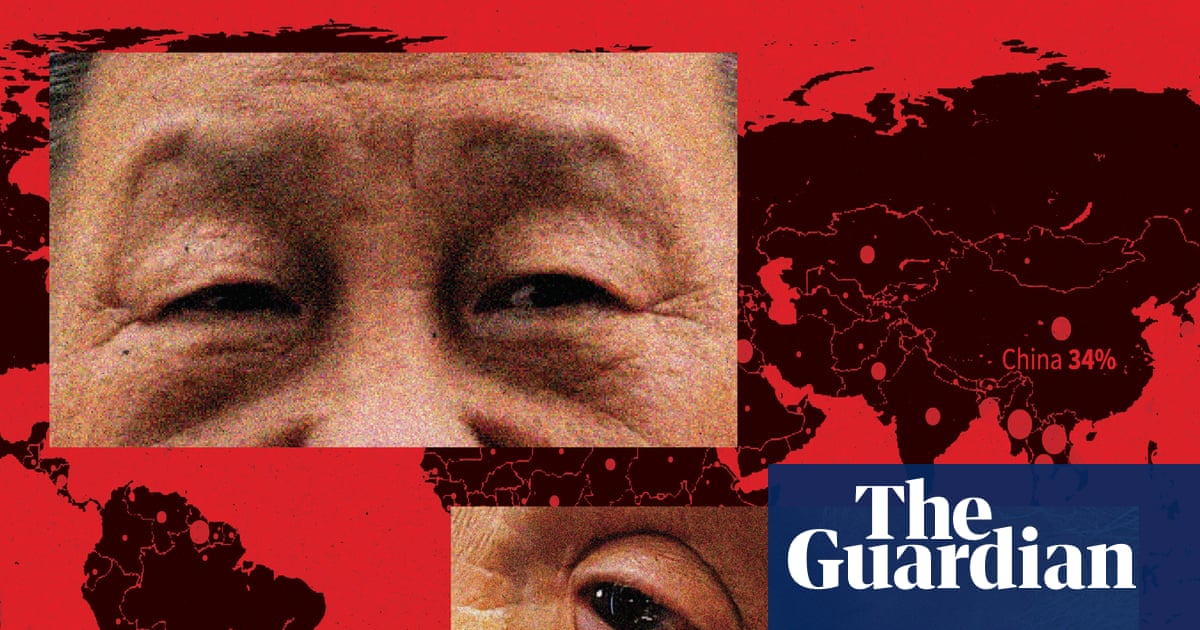
Artist’s rendering of Trump’s trade strategy: a giant AI-powered mallet repeatedly missing a very large, very obvious Chinese factory.
The Trump administration has discovered a stunning new insight: if you stop importing “Chinese” products from China but keep importing the same Chinese components laundered through Vietnam and Mexico, you have not, in fact, defeated China. This revelation has Peter Navarro in a full tantrum over “Chinese motors on Vietnamese recliners,” while the White House waves around a report titled The Great Transhipment Scam like it just uncovered Watergate instead of the world’s most predictable loophole in its own tariff circus.
So what’s the big, bold policy fix? Not tackling the actually important stuff like China’s deliberately weak yuan or global trade imbalances. No, the White House is rolling out an AI border “detective” that “never sleeps, never tires, and never forgets” – unlike the American manufacturing jobs that have been missing since Trump first waddled into office and stubbornly refuse to reappear. This digital hall monitor will scan bills of lading, play global Whac-A-Mole with supply chains, and do precisely nothing to change the fact that US manufacturing employment is right where it was ten years and two and a half administrations ago.
Meanwhile, despite years of tariffs and chest-beating, US imports are higher than in 2024, China’s exports keep growing, and Beijing’s currency games continue to undercut everyone from American workers to developing countries trying to build an industrial base. The US actually has tools to pressure China on its undervalued yuan and structural surplus, but that would require coherent strategy, international coordination, and telling voters the truth instead of handing them another shiny tech gimmick and declaring victory on Fox News. Much easier to blame sneaky recliners from Vietnam and pretend the AI cop at the border is going to fix a decades-long global imbalance.

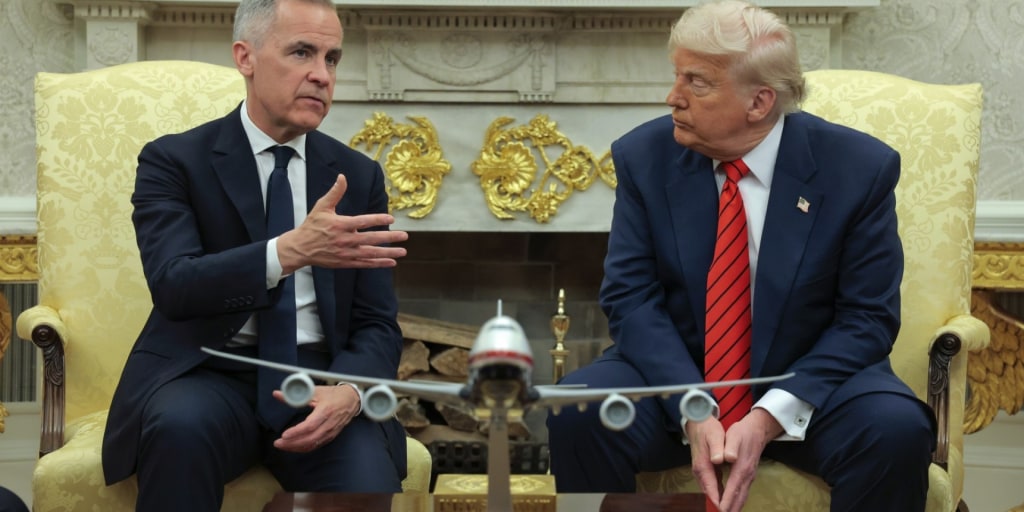
Mark Carney walks into yet another "intense" trade meeting, bravely attempting to negotiate with a White House that treats allies like piñatas and tariffs like a hobby.
The Trump administration is once again holding a trade gun to an ally’s head, this time promising 50% tariffs on $20bn of Canadian imports unless Prime Minister Mark Carney agrees to Washington’s latest wishlist. The White House calls it a "factsheet"; everyone else calls it "economic blackmail with extra spreadsheets." Trump has already labeled Canada "nasty" on trade, because nothing says stable international leadership like screaming at your neighbor while holding their steel, autos, and lumber hostage.
On the U.S. side, Trade Representative Jamieson Greer is demanding Canada scrap its retaliatory tariffs, loosen dairy supply management, and let American booze back onto provincial shelves, effectively telling Canadian provinces to hand over their domestic policy so Trump can brag about a "win" at his next rally. In return, Canada might get relief from the very tariffs Trump imposed in the first place, like a mob boss generously offering not to burn down your store if you sign the contract.
Back home, Canadians are predictably thrilled about being used as a punching bag in Trump’s re-election fanfic: 74% say they feel the impact of the dispute, over a third want more counter-tariffs even if it hurts, and a glorious 18% think maybe letting in American alcohol is worth it. Carney insists he won’t sign anything that isn’t a "good deal" for Canada, without defining what that means, while provincial leaders like Doug Ford and Quebec’s Christine Fréchette signal they’re not exactly dying to be extras in Trump’s trade reality show. The clock now ticks toward Wednesday, when Trump either pulls the tariff trigger or declares victory over the maple menace and moves on to his next self-inflicted crisis.

Happy Canadian couple enjoying a Trump-free ocean, bravely boycotting the land of tariffs, raids, and 30%-off Broadway desperation.

Trump pondering whether to label your Shein haul a national security threat or just tax it into oblivion.
Donald Trump has discovered a bold new way to defend the homeland: slapping tariffs on your $12 polyester jumpsuit. Fast-fashion behemoth Shein just reported a $99m quarterly loss after Trump killed the long-standing de minimis import duty exemption on small packages, the thing that let Americans buy cheap garbage from overseas without paying extra for the privilege. The White House wrapped the move in the usual apocalyptic language about "evading tariffs" and "funneling deadly synthetic opioids" – because of course your $7 crop top is now a national security threat.
The executive order didn’t just target China and Hong Kong anymore; Trump expanded it to cover basically everyone, because why stop at one trade war when you can have a global one by pen stroke? Shein’s US sales took a hit, and the company is now floating price hikes for American customers while it slouches toward a Hong Kong IPO after being iced out of New York and London. So Trump gets to cosplay tariff tough guy again, corporations reshuffle their listings to more oligarch-friendly venues, and US shoppers get to pay more for disposable outfits that will disintegrate after three washes. Truly, the art of the deal lives on.

Jamieson Greer explains that tariffs don’t raise prices, they just "liberate" dollars from American wallets.

Trump studies a map of Canada to find out where the smoke tariffs go, gives up, and just circles the whole country with a Sharpie.

Trump’s trade team carefully calibrating which Brazilian products to punish and which ones would make Mar-a-Lago brunch slightly less pleasant.
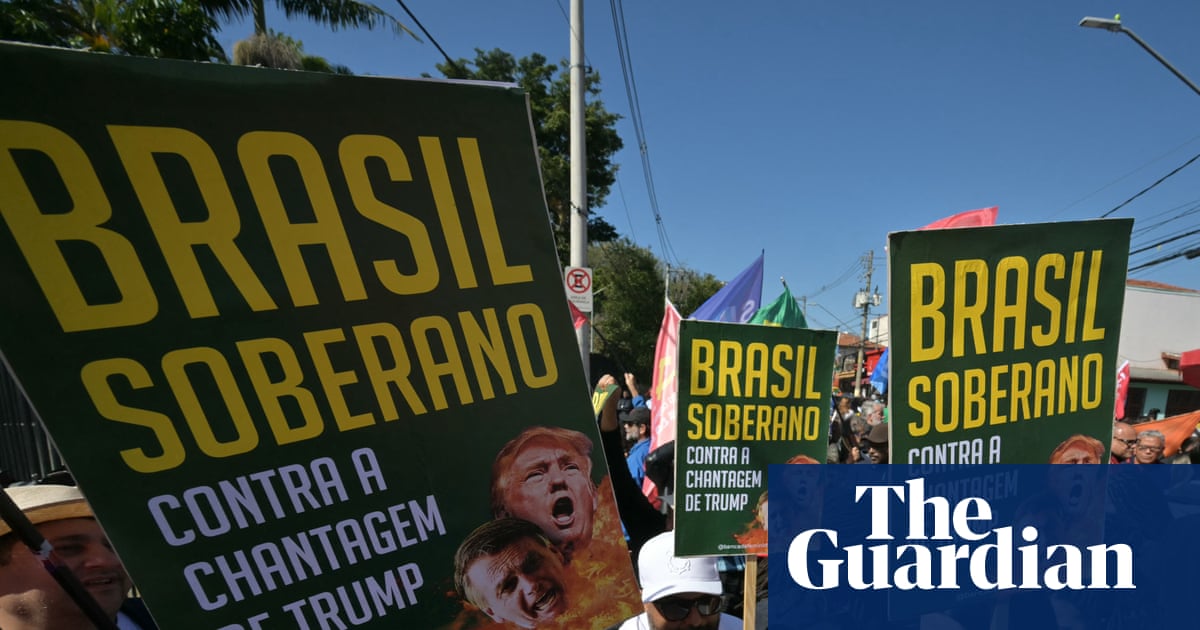
The Trump administration has discovered a bold new frontier in foreign policy: punishing other countries for prosecuting his authoritarian buddies and then calling it a "level playing field." After the Supreme Court ruled in February that Trump abused the International Emergency Economic Powers Act when he slapped a 50% tantrum-tariff on Brazil for prosecuting Jair Bolsonaro, the White House has now rerouted the same obsession through Section 301 of the Trade Act, this time dropping a 25% tariff bomb on selected Brazilian products.
The US trade representative, Jamieson Greer, insists this is all about "unfair trade practices" and "lax anti-corruption enforcement" — a delightful charge coming from an administration that treats graft like a family business model. The US, inconveniently, already runs a goods trade surplus with Brazil, but who’s counting when there’s an election to meddle in and an old pal Bolsonaro to indirectly boost? Key imports like coffee, beef, and orange juice are exempted, presumably because nothing gets between Trump and his breakfast buffet.
Marco Rubio, now moonlighting as secretary of state and hall monitor for Latin American egos, helpfully announced that the real problem is Lula’s attitude, accusing him of not negotiating in "good faith" and putting his ego first. This, from the administration that openly used a 50% tariff as a pressure tool over another country’s criminal prosecution of an ex-president who tried to overturn an election. Brazil calls the move what it is — political and punitive — while Trumpworld pretends this is textbook trade enforcement and not a passive-aggressive solidarity gesture to the international coup-curious.

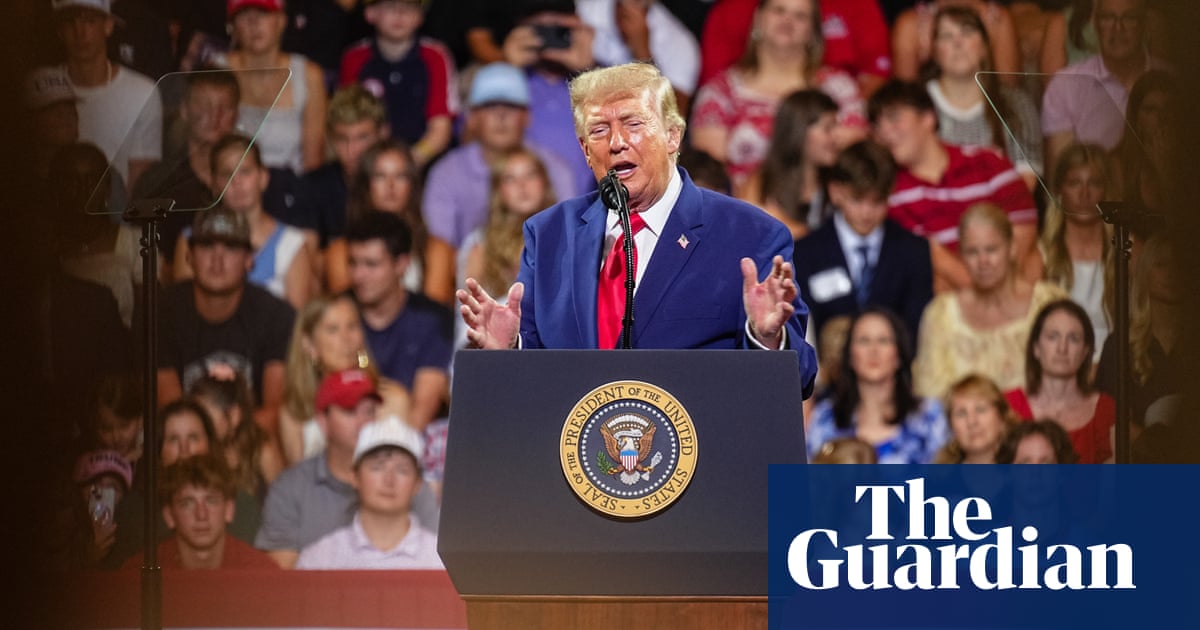
Trump, mid-rant, explaining that a Truth Social post now counts as a legally binding amendment to every trade deal on earth.

Trump, proudly declaring victory in his trade war while standing in the smoking crater where the global trading system used to be.
Donald Trump has finally picked a real problem — China’s weaponized export dominance and chokehold on critical minerals, chips, and pharmaceutical inputs — and then, in classic Trump fashion, responded by hurling tariffs at literally everyone with all the precision of a drunk guy throwing darts in the dark. Rather than build a broad democratic coalition to counter Beijing’s explicit strategy of making the world dependent on Chinese supply chains, he slapped tariffs across the board and picked fights with the very allies who might have helped. Strategic containment this is not; it’s a trade war cosplay where the main casualty is the US and its partners.
While Xi Jinping carefully talks about tightening the world’s dependence on China as a "deterrent capability," Trump’s contribution is to turn American trade policy into a "hot mess" of scattershot protectionism, alienating Europe, Mexico, and everyone else who might share concerns about China’s market power. Other governments are scrambling to patch together new trade deals and alternative supply chains, but instead of leading that effort, Washington under Trump is busy burning down the old rules-based system with no replacement ready. So yes, the US is technically opposing China — just in the least competent, most self-sabotaging way possible, with American consumers and manufacturers paying the tab for his tariff tantrum.

Trump surveys a Wisconsin farm like a man touring a crime scene he definitely did not cause, promise, while wondering which channel he’s missing back at the White House.

Brenda Davis and UAW workers bravely attempt to locate a U.S. manufacturing job somewhere between the union hall and a Buick VIN number that says ‘Made in China’.

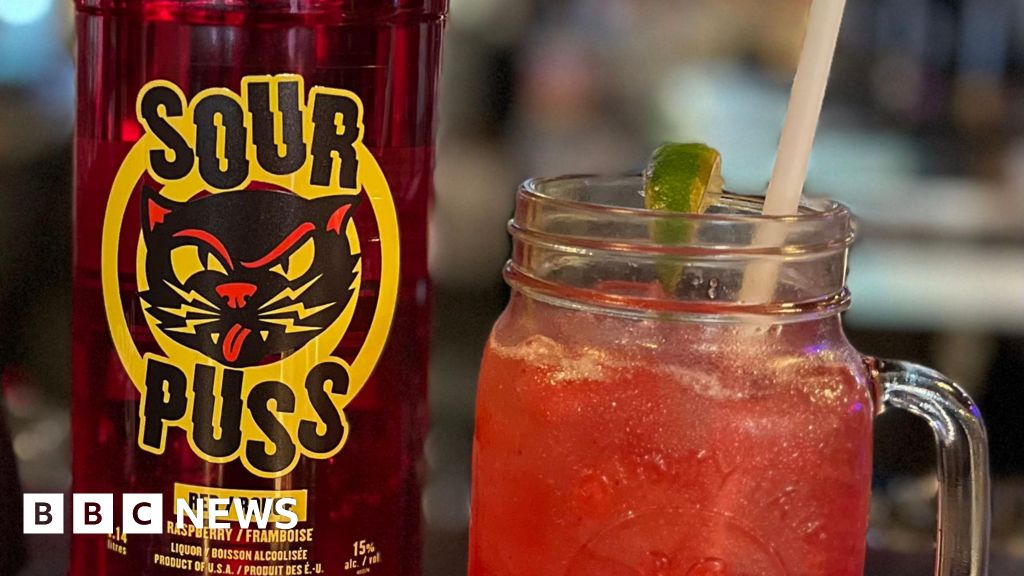
Empty "American Whiskey" shelves in Vancouver, replaced by signs telling people to buy Canadian — the invisible hand of the market, now wearing a giant middle finger to Trump's tariff policy.

Trump studies an economics chart, confidently circles the word 'tariffs,' and declares the problem solved.