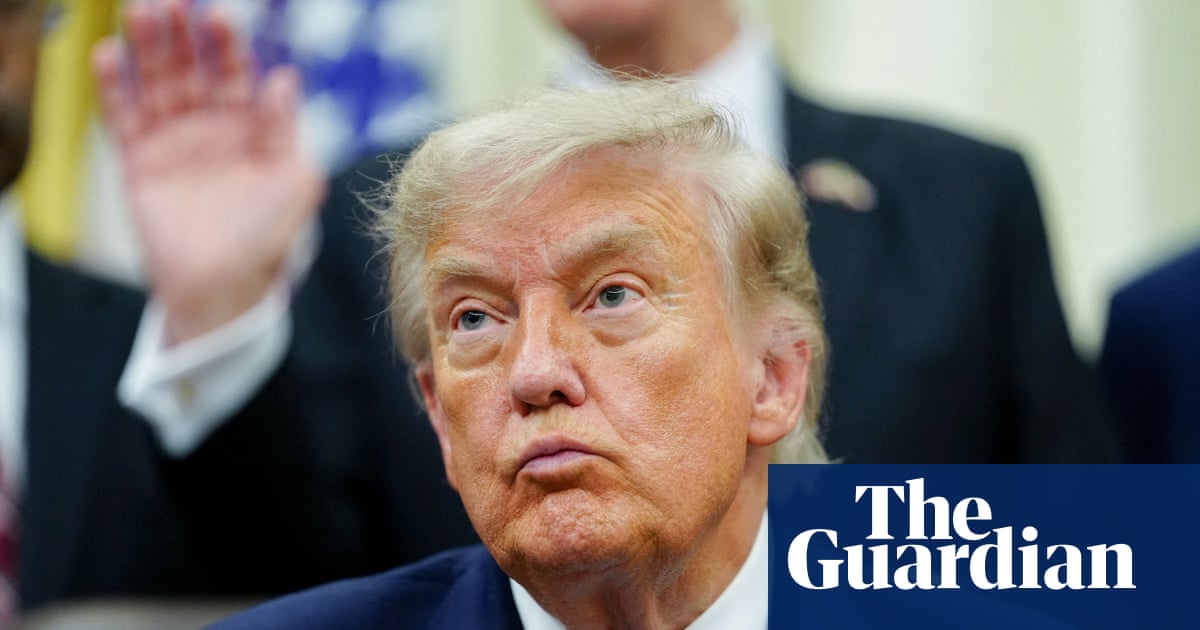
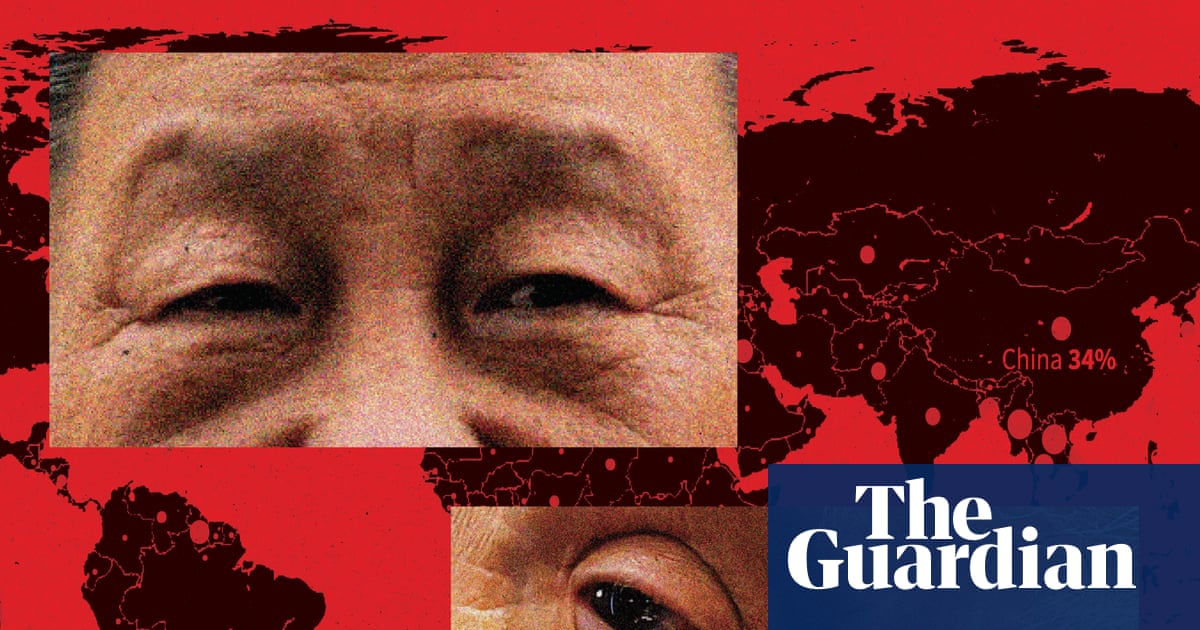
trump discovers tariffs are just taxes in a red hat

Trump proudly holds up a tariff chart in the Rose Garden like a kid showing off a crayon drawing of a house fire he started himself.
Donald Trump celebrated “Liberation Day” by liberating Americans from their money, slapping a minimum 10% tariff on foreign goods and jacking the average effective tariff rate from 2.5% to about 10% in a year. He promised a manufacturing renaissance and easy cash for the government; instead, the US and China basically hit pause on trading with each other while companies scrambled to re-route supply chains like they were fleeing a burning building.
US imports from China cratered ~30%, exports to China fell more than 25%, and Chinese goods dropped below 10% of total US imports — levels not seen since the days when people still bought CDs. The “decoupling” Trump started in his first term has finally landed, only now it’s more expensive and more chaotic. Multinationals didn’t stop trading; they just moved production to Vietnam and Mexico and kept going, proving that the one thing tariffs really punished was the illusion that Trump understands how global supply chains work.
Meanwhile, traditional allies got the message that America is now run like a mood swing. Canada, the UK and others started rewiring trade toward Europe and elsewhere, hedging against the guy who wakes up and decides your exports need a 10% loyalty tax. Global trade “held up,” economists note, which is a polite way of saying everyone else quietly built workarounds while the US government tried to cosplay as a 1930s tariff state. Trump promised to make America the center of global trade again; he’s just doing it by encouraging everyone to trade around us.
#trade-war#full-stupid
trump ‘annexes’ canada, accidentally annexes lewiston’s income instead

Behold the radical new Trump economic model: replace busloads of Canadian shoppers with vibes and a 30% revenue hole.
The MAGA brain trust has discovered a bold new form of economic development: drive away the only customers who actually have money. Thanks to Trump’s hefty tariffs, random annexation fantasies about turning Canada into a US state, and the ever-present threat of ICE harassment at the border, Canadians have decided they’d rather not risk a weekend getaway to the Land of Freedom Detentions. Border towns like Lewiston, New York, that once lived off a steady stream of Ontarians buying cheap milk, gas and outlet mall jeans are now stuck with empty parking lots and 30% revenue drops.
Local business owners are cutting staff and expenses while politely explaining that, no, they don’t blame Canadians for staying away from a country whose president treats allies like hostile takeovers and tourists like suspects. Regional tourism officials have literally stopped advertising to Canada because why throw ad dollars at people who are being actively threatened with tariffs, war talk and annexation jokes from Washington? America First has once again translated to “America’s border towns last,” as Trump’s performative tough-guy trade war and imperial cosplay keep kneecapping the very small businesses he insists he’s saving.
#trade-war#forever-grifting
americans discover tariffs are just a fancy word for 'price hike'

A shopper contemplates whether patriotism is really worth an 18% markup on coffee and the slow collapse of their checking account.
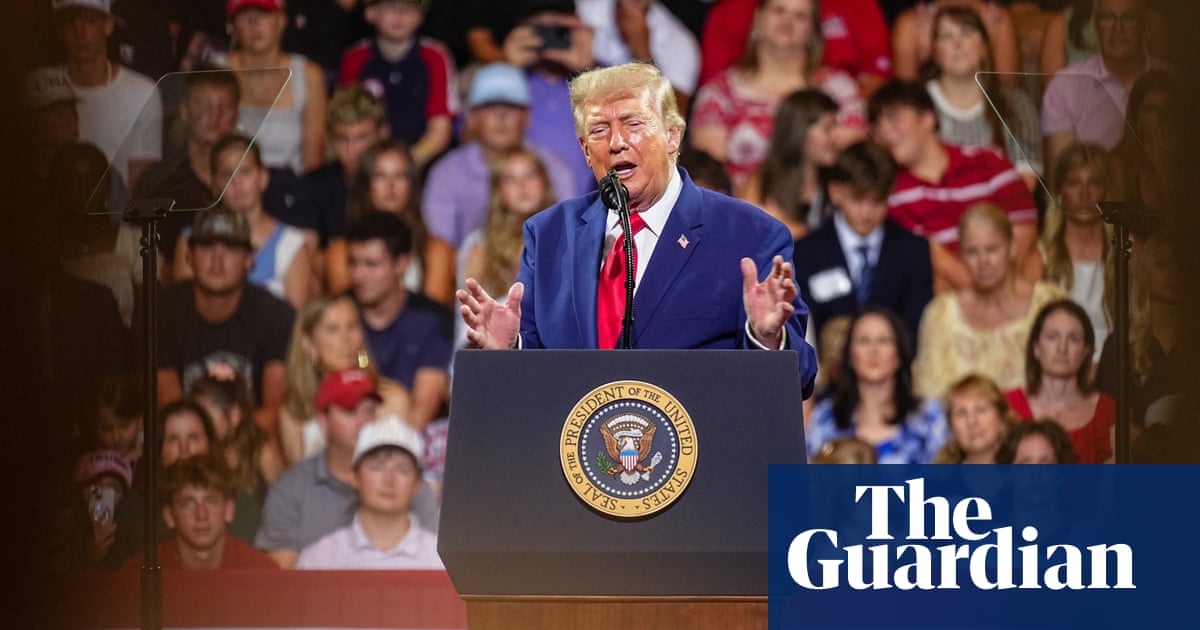
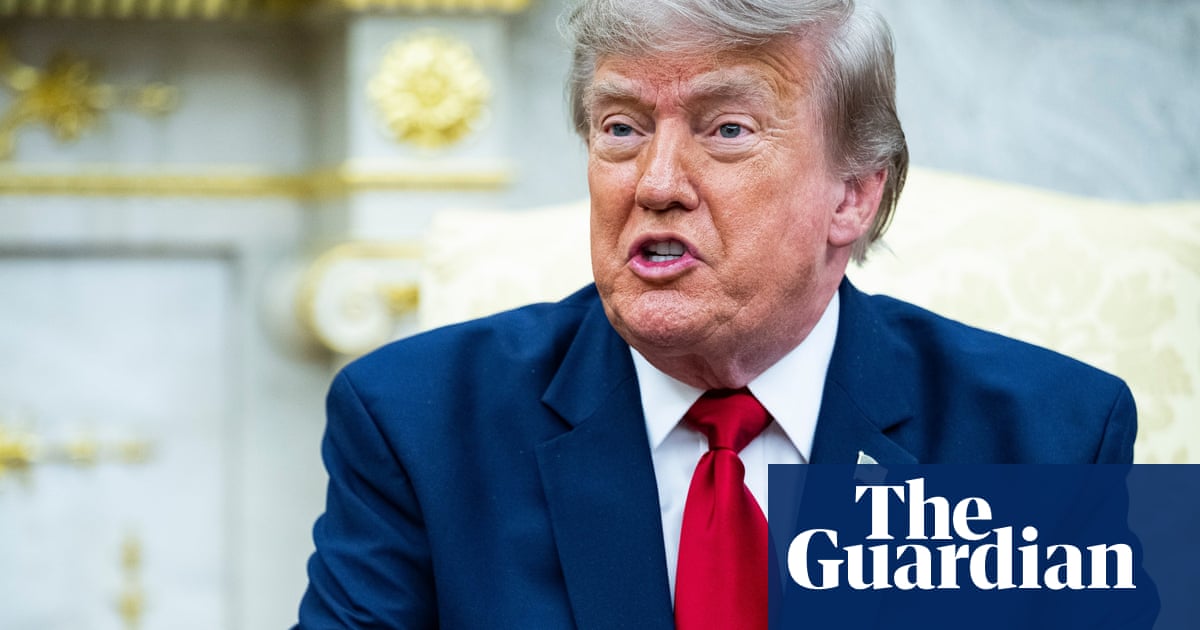
Turns out when a game show landlord-president slaps tariffs on "virtually every import" like he's ordering appetizers, the bill eventually shows up at your table. A new Harris Poll finds 72% of Americans think Trump’s tariffs have hurt more than helped, and 70% say they’ve personally been hit with higher prices. Even 64% of Republicans — the people who still clap at his rallies when he calls tariffs the "most beautiful" word in the dictionary — admit, yes, the magic trade wall is actually just a tax on their groceries.
The pain is most obvious where it always is under Trump: at the grocery store. Beef is up 14%, coffee is up 18%, and presumably the price of Advil to cope with reading your receipt is following close behind. This is all happening after the Supreme Court had to step in and tell President Tariff that no, he cannot just unilaterally rewire the global trading system because he saw a chart on Fox Business. The Court capped his little tariff joyrides at 150 days, so Trump responded like any responsible statesman: by announcing a new 15% global baseline tariff and launching fresh trade investigations to justify more of the same.
Republicans, meanwhile, are trying to convince independent voters that they feel their pain on the cost of living, while simultaneously cheering on the guy who lit the price bonfire in the first place. A solid majority of GOP voters insist tariffs have brought back manufacturing jobs — a belief supported by vibes, nostalgia, and zero actual evidence. Democrats and independents are far more likely to say those jobs are not coming back, possibly because they’ve noticed that “Made in USA” doesn’t appear on a lot of things besides political hats and campaign lies.
So heading into the midterms, the party of "Bidenflation" is saddled with a president whose signature economic policy is broadly despised, visibly raising prices, partially ruled illegal, and still being expanded. Trump keeps promising tariffs will make America "stronger, safer and richer than ever before"; the poll suggests they’ve mainly made Americans hungrier, poorer, and extremely familiar with store-brand everything.
#trade-war#full-stupid#money
trump loses tariff case, responds by speedrunning a new one

Trump studies a map of the global economy, circles the entire planet, and writes: "10%".
Senate Democrats have introduced the "Small Business Liberation 2.0 Act," which is basically a congressional attempt to bubble-wrap mom-and-pop shops from Donald Trump’s latest round of tariffs. After the Supreme Court nuked his "liberation day" tariffs as illegal, Trump immediately hit "new game" and slapped on a fresh 10% global baseline tariff using section 122 of the Trade Act of 1974—because when the courts say no, this White House hears "try a different loophole."
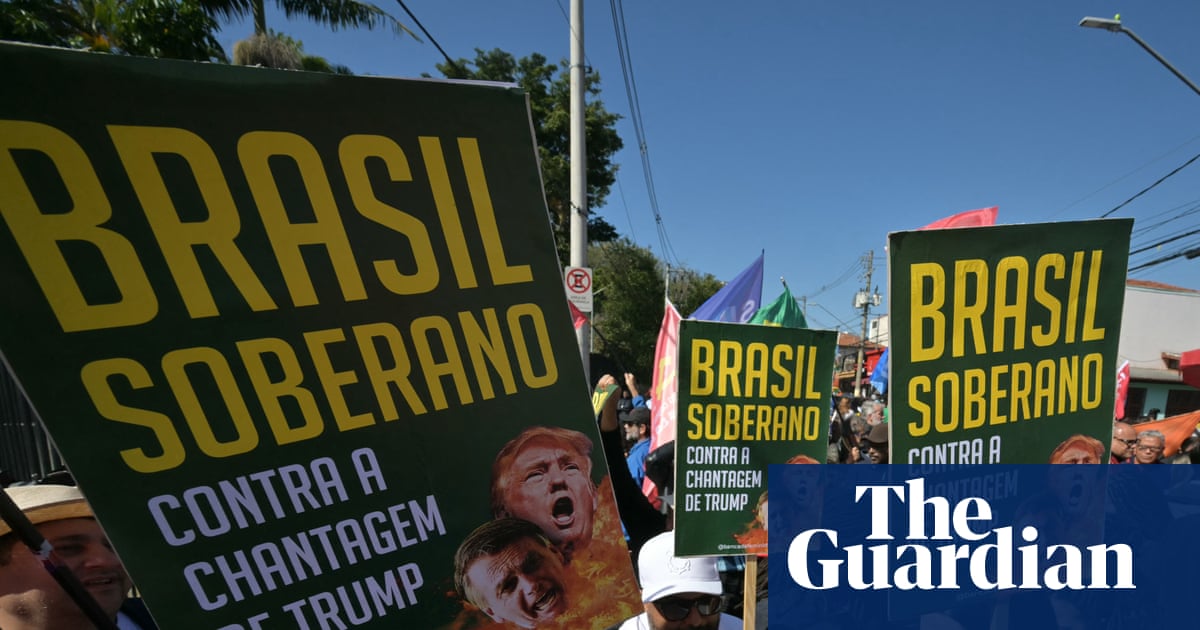
The bill from Ed Markey and friends would exempt goods imported by or for small businesses and ban price gouging tied to the new tariffs, which have already pushed some entrepreneurs into extreme stress and financial hardship. One small business owner says tariffs on Brazil alone jacked his costs by about $1 million in a year, but sure, tell us again how this is all about helping the forgotten working man. Meanwhile, more than 1,000 companies have sued over Trump’s tariff policies, and a trade court judge just ordered the government to cough up billions in refunds for tariffs that were collected illegally—a fun little detail the "tariffs are good, and easy to win" crowd tends to skip.
Of course, with Republicans running the Senate, this small business relief bill will likely die quietly while Trump’s trade war LARP continues. So the scorecard so far: courts say the last tariffs were unlawful, importers get refunds, small businesses get wrecked, and Trump responds by launching Tariffs 2.0 on a 150-day timer. Winning, if by "winning" you mean "litigating the same bad idea until the economy taps out."
#trade-war#killing-democracy
trump’s illegal tariffs get a $130bn refund policy

Customs and Border Protection prepares to press Ctrl+Z on $130bn of Trump’s ‘very legal, very cool’ tariffs.
Turns out Donald Trump’s big, tough trade policy was less “4D chess” and more “accidentally robbed 300,000 businesses and hoped no one would notice.” A judge on the US Court of International Trade has now ordered the government to start paying back potentially billions in illegal tariffs after the supreme court ruled Trump’s IEEPA-based cash grab was, minor detail, unlawful. The US collected more than $130bn this way, because why just abuse emergency powers for foreign policy when you can also use them as your own personal tax machine?
Customs and Border Protection is crying that fixing this is “unprecedented” and may require manually reviewing more than 70 million entries, which is what happens when you let a reality TV landlord improvise trade law on national security grounds. Judge Richard Eaton, sounding like a kindergarten teacher dealing with a very lazy student, basically replied: you already do refunds every day, push the button and pay people back—with interest. Over 300,000 mostly small importers are now waiting to see if they’ll actually get their money, or if the government will turn this into the world’s least fun rebate program.
Roughly 2,000 lawsuits are already stacked up, all saying the same thing: the tariffs Trump shoved through under IEEPA were illegal and everyone wants their cut of the refund pile. Eaton has no interest in hearing thousands of near-identical cases and is pushing for an across-the-board system so importers can get their money without hiring a lawyer or sacrificing three years of their life to paperwork. The Trump administration called it “America First.” The courts are now calling it what it was: unlawful duties, please line up for your reimbursement.
#trade-war#lawlessness#forever-grifting
trump’s tariff cosplay sends small businesses to paperwork hell

A small business owner tries to calculate tariff costs and refund paperwork, discovers the true meaning of ‘Trump-era streamlined government.’
Trump’s glorious "liberation day" tariffs have now been liberated from existence by the US supreme court, which helpfully ruled that the president cannot just LARP as Congress and slap global tariffs on everything that moves. That little constitutional speed bump means up to $175bn in refunds might be owed to businesses that got hit with his trade war cosplay. Naturally, the process to get that money back is confusing, expensive, and slow, so it’s basically a government-sponsored escape room for accountants.
While the political class debates whether this was 4D chess or just a guy mashing buttons on the tariff console, small businesses are stuck with the bill. They’ve eaten higher import costs, scrambled their pricing, wrecked their supply chains, and now get to pay legal fees and navigate a bureaucratic obstacle course just to maybe recover the cash Trump burned for a photo op. The Guardian is asking owners to describe how this has wrecked their margins and planning, because if there’s one consistent feature of Trump-era "economic policy," it’s that regular people get the chaos while the strongman gets the cameras.
So the scoreboard: Trump’s trade war loses in court, small businesses lose money and time, and the White House gets to pretend this was all part of a bold strategy. America First, as long as you don’t own a shop, a factory, or a calculator.
#trade-war#killing-democracy
trump’s trade war speedruns every bad law from the 60s and 70s

Trump stares sadly at the lectern where someone forgot to write "Tariffs are a tax on you, not China" in 72-point font.
Donald Trump just got told by the Supreme Court that, no, he cannot declare a vibes-based "international emergency" and use a 1977 law to tax imports from basically the entire planet. So naturally, within 24 hours he signed a new proclamation grabbing a different dusty statute – Section 122 of the 1974 Trade Act – to slap a "temporary" 10% global tariff on almost everything, then hopped on social media and casually jacked it up to 15%. Who needs deliberation or policy process when you have a login and a pen?
Existing trade deals? Treaties? Negotiated 10% rates for countries like the UK and Australia? All now stuck in a Schrödinger’s agreement where the White House claims it will "continue to honour" legally binding deals while also saying everyone gets the new global tariff. Section 122 requires non-discriminatory tariffs, so partners like the EU and Japan are right back where they started: paying more and getting less, courtesy of the Art of the Deal.
Meanwhile, businesses are staring at a 15% tariff sledgehammer that could add £2–3bn in costs just for UK exports, with sectors from chemicals to food and textiles suddenly repricing everything overnight. Consumers get the usual Trump-era bonus prize: higher prices and more inflation. Oh, and thanks to the Supreme Court ruling that last year’s "reciprocal" tariffs were unlawful, there’s roughly $130bn in potential refunds hanging in the air while hundreds of firms lawyer up to get their cut. Economists are already noting that the administration can try to dodge those payouts by slapping on fresh, legally different tariffs instead – a sort of perpetual-motion grift machine powered by lawsuits and lobbying.
As a finishing touch, Trump still has Section 232 "national security" tariffs in his back pocket, with Commerce already investigating everything from semiconductors to aircraft. So businesses don’t just have one chaotic tariff regime; they have a whole choose-your-own-adventure of overlapping, arbitrary levies. The message from Washington is clear: the rule of law is optional, but the bill for this trade cosplay will be very, very real.
#trade-war#killing-democracy#forever-grifting
the art of the (trade) fail

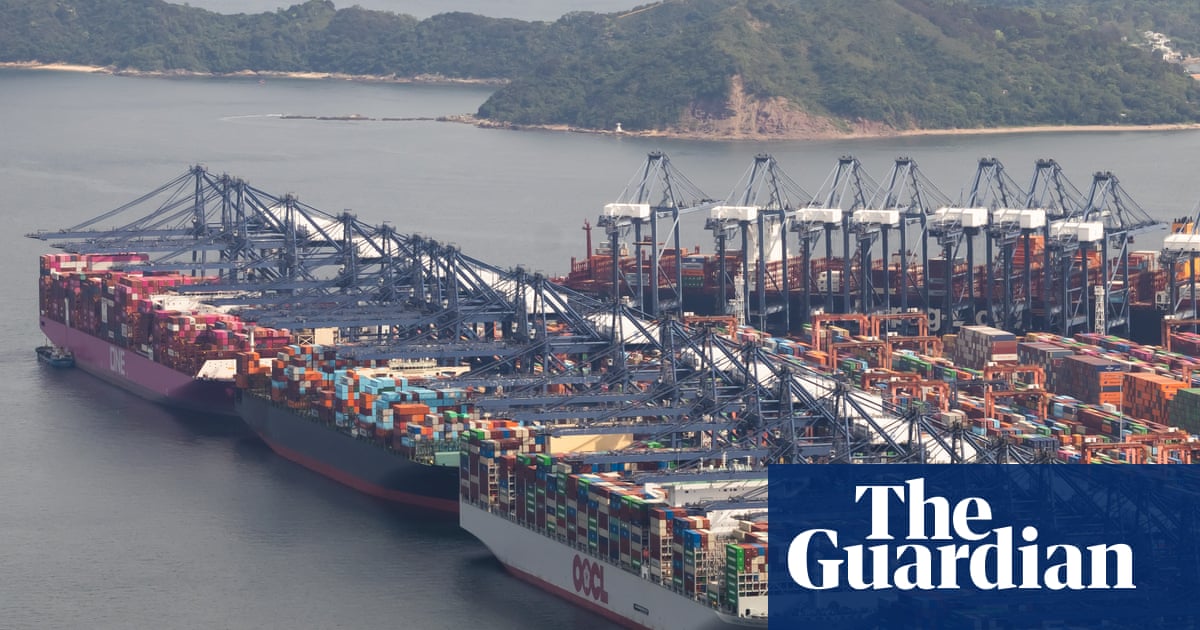
Behold: a container ship full of foreign goods stubbornly refusing to be scared off by Trump’s tariffs or his caps-lock tweets.
US trade figures are in and, shockingly, President Tariff Genius has discovered that you can’t bully basic arithmetic. Despite slapping at least 10% tariffs on goods from nearly every country on earth like a toddler putting stickers on a globe, the US goods trade deficit hit a record $1.2 trillion. Imports surged to a record $3.4 trillion, exports hit a record too, and the gap still widened. Turns out yelling “AMERICA FIRST” doesn’t magically make foreign stuff cheaper or American factories reappear like Mar-a-Lago classified folders.
Trump did manage to throttle trade with China, shrinking that bilateral deficit by about 30%. Victory, right? Not quite: the overall deficit just rerouted itself through Mexico, Vietnam, Taiwan and anyone else with a shipping container and a pulse. Supply chains didn’t die; they just laughed, moved one country over, and sent a higher invoice. Meanwhile, AI-related imports of computer parts are booming, because apparently you can’t train a large language model on vibes and tariffs alone.
While the White House insists their plan just needs more time (and presumably more chaos), Trump keeps treating tariffs as his favorite foreign policy cosplay, threatening new taxes on any country that keeps trading with Iran and constantly revising the rules so nobody can plan anything. Businesses and states have sued, and the Supreme Court is now deciding whether this tariff circus is even legal. If the Court strikes them down, the administration says it will just reimpose them using “different tools,” which is a very polite way of saying: if at first you don’t succeed, abuse another statute.
So after years of trade war, global turmoil, and executive orders written like ransom notes, the US ends up with basically the same overall deficit as 2024, just with more paperwork, higher costs, and a solid reminder that Trump’s version of economic policy is less ‘strategy’ and more ‘hit random buttons and call it winning.’ America First apparently means America pays more while the deficit laughs in USD.
#trade-war#full-stupid
president trade war discovers canada owns half the bridge he’s holding hostage

Trump stares at a photo of the Gordie Howe bridge, searching for the part where China confiscates the Stanley Cup.
Donald Trump has discovered a bold new frontier in economic statecraft: threatening to barricade a jointly owned $4.6bn international bridge and only later learning who paid for it. After raging online that the Gordie Howe International Bridge has “virtually no US content” and that Canada “owns both ends”, Mark Carney gently explained reality to him like a tired parent correcting a child who insists the moon is made of cheese. Canada fronted the cash, Michigan co-owns it, and yes, U.S. steel and workers were involved. So much for the big patriotic boycott of American jobs.
Rather than admit he doesn’t understand how bridges, ownership, or maps work, Trump blamed Barack Obama for “stupidly” approving the project — a project he himself once demanded be built “expeditiously” during his first term. Local officials, like Windsor’s mayor Drew Dilkens, called the rant “insane”, which is Canadian for “we are screaming into a polite void.” Meanwhile, business leaders are pointing out that threatening to choke off one of North America’s key trade arteries is a self-own of historic proportions, but this White House has never met a supply chain it didn’t want to set on fire.
Because one tantrum is never enough, Trump also revived his Canada grievances Greatest Hits: dairy, tariffs, and now the deranged claim that if Canada signs a trade deal with China, Beijing will somehow abolish ice hockey and seize the Stanley Cup. Yes, the sitting U.S. president is suggesting that China’s master plan is to invade Canada’s national pastime via customs paperwork. Canadians responded by roasting him online and reminding everyone they haven’t won the Cup since 1993, so if China wants to “eliminate” it, they’re a few decades late to that party.
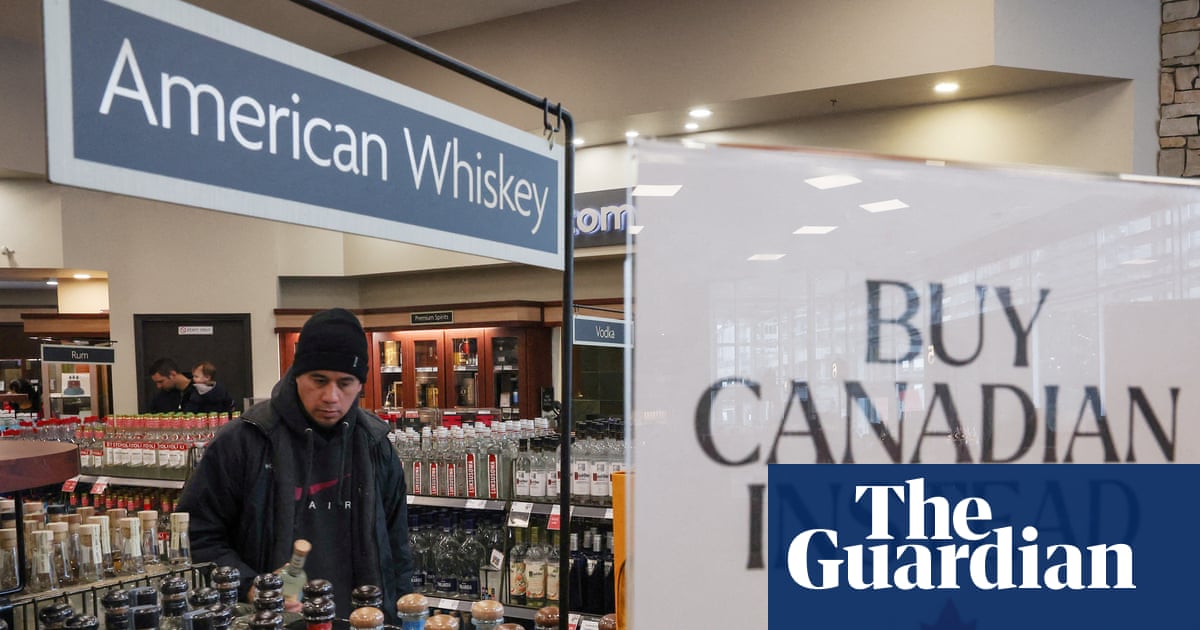
Ontario’s populist premier Doug Ford, not to be out-populisted, vowed to “double down” on banning U.S. liquor from provincial shelves unless Trump drops his tariffs, turning cross-border trade into a hostage swap between whiskey and welded steel. What’s left is a president casually threatening to weaponize a critical international bridge, slap 100% tariffs on a neighbor, and rewrite trade policy based on a conspiracy theory about Xi Jinping cancelling hockey night in Canada. But sure, tell us again how this is all about protecting American workers.
#trade-war#killing-democracy
trump slaps canada, canada calls literally everyone else

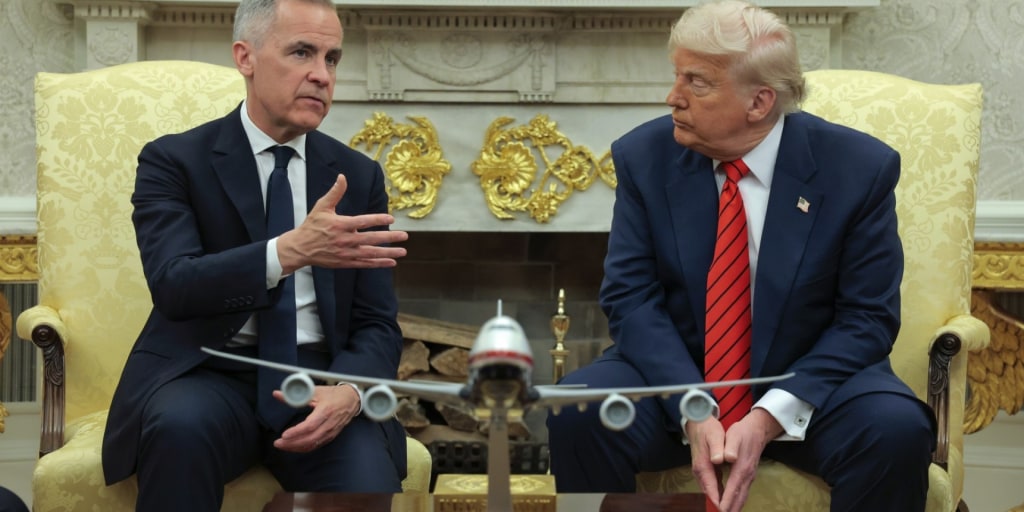
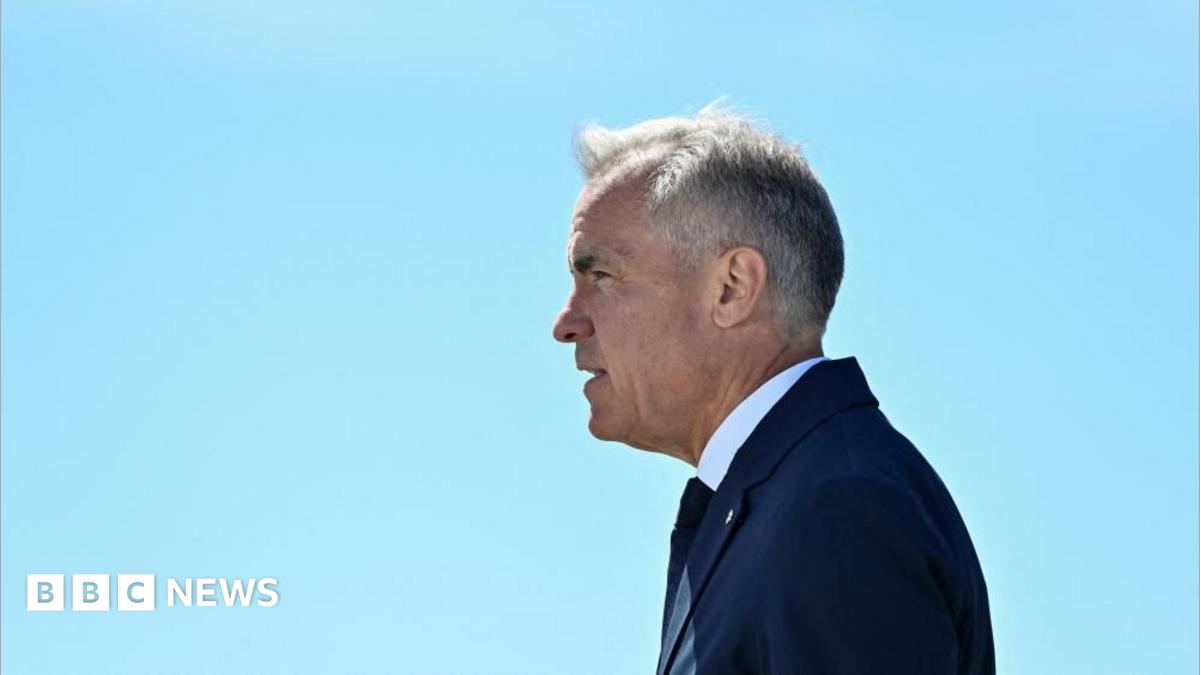
Mark Carney, patiently explaining that when your neighbor keeps setting trade agreements on fire, you start building exits.
President Donald "Tariff All The Things" Trump has managed to do what decades of diplomacy, NAFTA, and USMCA reviews could not: convince Canada that maybe, just maybe, tying its economic future to an erratic reality show host with executive power is a bad idea. After Trump dropped a 25% tariff on Canadian cars and parts — you know, the stuff built in deeply integrated North American supply chains that US companies themselves rely on — thousands of Canadian auto workers lost their jobs and Ottawa finally started reading the "ally" fine print.
So Prime Minister Mark Carney rolls up to an Ontario auto plant and announces a plan to pivot away from the US, offering new tariff credits to carmakers who build in Canada, rebooting EV rebates, and tightening emissions standards. While Trump kills EV subsidies at home to own the libs and the climate, Canada is basically hanging a big sign that says: "EVs welcome, sanity required." The USMCA — a free trade agreement whose whole point was no tariffs — is now being treated by Trump as a menu of excuses for more tariffs, and Carney, with the politest Canadian shade imaginable, notes that Washington’s "approach has changed." Translation: the US has gone from partner to drunk cousin stealing hubcaps.
Rather than keep begging the arsonist to stop lighting the garage on fire, Canada is shopping for new friends. Ottawa is easing tariffs on Chinese EVs it originally imposed in lockstep with Washington, and cutting a deal with South Korea to lure more car manufacturing north of the border — both moves that could undercut US car firms. All this because the Trump White House decided that blowing up a functioning continental supply chain was a great way to cosplay economic populism while US automakers quietly eat the costs. America First has once again become "America Last, But Louder."
#trade-war#killing-democracy
trump turns disney world into 'america only' land

Mickey and Minnie posing cheerfully in front of Cinderella’s Castle, blissfully unaware that Trump’s tariff tantrums and surveillance fetish are scaring off half their guests.
Donald Trump’s America First magic trick continues: he’s managed to make Disney World less appealing to foreigners. Disney is warning investors that its US parks are taking a hit from falling international visitors, right as foreign travel to the US drops for the first time since 2020. Analysts are gently suggesting that maybe, just maybe, tourists don’t love a country that treats them like criminal suspects with a passport. Wild theory.
While Disney politely dodges questions about what’s driving the shift, the backdrop is doing all the talking: higher national park fees for foreigners, and a Trump administration plan to demand five years of social media history from visitors from dozens of countries, including the UK. A third of international travelers say they’d rather not go through a DHS vibes-check on their Instagram before riding Space Mountain. Meanwhile, Canadian visits cratered over 20% after Trump slapped them with tariffs, prompting a full-on boycott-the-US trend. Trump promised to make America great again; instead he’s turning it into the world’s least fun gated community, where the only thing really booming is resentment.
Disney’s parks are still squeezing out modest growth by leaning harder on US customers, because domestic demand for escapism is apparently bottomless when your president is a walking constitutional crisis. But the bigger picture is clear: the administration’s mix of trade-war cosplay, xenophobia, and surveillance creep is literally costing the country billions in tourism, all so Trump can play strongman at the border. The happiest place on earth now comes with a side of geopolitical blowback.
#trade-war#killing-democracy
trump ‘wins’ the trade war, loses the global economy

Trump stares at a trade deficit chart upside down, declares victory, and somewhere in Beijing a surplus hits $1.2 trillion.
Donald Trump spent four years LARPing as a tariff whisperer, slapping duties on Chinese goods and declaring victory on Twitter while the actual global economy quietly re-arranged itself around him. The result? China’s trade surplus exploded to $1.2 trillion in 2025, exports surged across Asia and Europe, and US influence in the global trading system kept circling the drain. In other words, Trump “owned” China so hard that Beijing ended up exporting more to everyone else while imports stayed flat and manufacturers from Latin America to Europe got strangled by Chinese overcapacity.
The piece politely notes that the US “turned against the global order it built,” which is a very academic way of saying Trump took a sledgehammer to institutions like the WTO, walked away from serious rule‑writing, and replaced it with vibes-based nationalism and rally merch. Meanwhile, other rich countries actually built social safety nets to cushion the China shock, while the US just handed people Fox News and fentanyl and told them to blame foreigners. That rage powered MAGA, while China happily kept running a turbocharged mercantilist model—state subsidies, undervalued currency, closed markets—and watched everyone else belatedly realize the WTO no longer works when one giant player just ignores the rules.
Now the EU is openly talking about ditching the WTO’s most-favored-nation principle, Mexico and India are slapping tariffs on Chinese goods, and developing countries are filing hundreds of antidumping cases. Mark Carney flies to Beijing to sign a “strategic partnership” while Washington is too busy threatening its own civil servants to bother leading anything. The world needs an engaged US to balance China; instead it got Trump’s cosplay trade war and a Republican Party that thinks international law is for suckers. But sure, tell us again how the tariffs were a historic win for American manufacturing.
#trade-war#killing-democracy
trump threatens to annex canada’s trade policy

Donald Trump explains that Canada only exists at his pleasure, while a map of North America quietly files for emancipation.
Donald Trump woke up, opened Truth Social, and decided that Canada is now a Chinese colony and therefore must be punished with 100% tariffs. The alleged crime? A narrowly targeted Canada–China deal that lowers Chinese levies on Canadian canola oil and trims Canada’s tariffs on a limited number of Chinese EVs from 100% to 6.1%. In other words, normal trade tinkering between two sovereign states, rebranded by Trump as an act of war requiring immediate economic carpet-bombing.
China’s foreign ministry carefully explained that the agreement “does not target any third party,” which is diplomatic code for: please calm your unhinged neighbor. Prime Minister Mark Carney then patiently reminded everyone that Canada is not pursuing a free-trade deal with China, has never considered it, and that under USMCA they’d be required to notify the US if they did. So far, no one has found the clause in USMCA that says “Canada only exists because Donald Trump says so,” though Trump came close by declaring that “Canada lives because of the United States” and uninviting Carney from his very serious-sounding “Board of Peace.”
Because nothing says ‘rules-based international order’ like threatening your closest ally with massive tariffs over a canola and EV side deal, then calling it ‘negotiating’. Treasury Secretary Scott Bessent tried to mop up the mess by claiming the threat only applies if Canada lets China “dump goods,” which is adorable given Trump is the one publicly accusing Canada of becoming a Chinese “drop off port” while Canada is literally imposing tariffs. Carney, being a polite Canadian hostage in this relationship, spun it as just the president’s “strong negotiating” ahead of the USMCA review, even as he quietly said the quiet part out loud: Canada needs to diversify away from the US so it’s less dependent on the guy who thinks your national economy is his personal reality show subplot.
So to recap: Canada tweaks a couple of tariffs, China says it’s a win-win, and Trump responds by threatening to bludgeon the Canadian economy unless they stop acting like an actual country. But sure, this is all about fair trade and not about one man’s need to constantly prove he can hurt allies whenever they forget who’s boss.
#trade-war#killing-democracy
markets shrug while trump plays tariff chicken with nato

Traders watch calmly as Trump juggles NATO, Greenland, and the global financial system with the grace of a man tweeting from a golf cart.
Global markets have officially entered the "this is fine" stage of Trump’s second-term trade roulette. The FTSE barely twitches as Trump threatens new tariffs on eight European countries, including the UK, because investors have learned the core rule of Trumponomics: the louder the threat, the likelier it is he’ll forget about it by next week. After his last "liberation day" tariff stunt turned into a buying opportunity, traders now treat presidential economic brinkmanship like a seasonal sale rather than the slow dismantling of the postwar order.
Meanwhile, in the background, the actual stakes are slightly higher than a red day on the Footsie. We’re talking about the potential breakup of Nato, the US president fantasizing about annexing part of a fellow Nato member, and Europe quietly reminding Washington that it owns about $8tn of US bonds and equities. As Deutsche Bank’s George Saravelos notes, once you start weaponising capital instead of just trade flows, you’re not in "tough negotiating" territory any more – you’re in "let’s see how fast we can melt the global financial system so Trump can LARP as 19th‑century empire" land.
France’s Emmanuel Macron is already floating the EU’s anti-coercion tool to restrict US companies’ access to the single market, because nothing says "Western alliance" like the two pillars of it edging toward a financial knife fight over Greenland. Markets may be calm, but that’s less a sign of stability and more a collective decision to pretend that an American president threatening allies, NATO, and the dollar’s status as the world’s reserve currency is just another headline. In other words: the fire alarm is blaring, but the traders have noise‑canceling headphones on.
#trade-war#killing-democracy
world’s dumbest greenland heist spooks the global economy

Artist’s impression of Trump’s Greenland strategy: set the global economy on fire and hope Denmark folds before the bond market does.
Donald Trump is once again holding the global economy hostage because he wants Greenland, and apparently the 21st century is just fanfic now. His latest tantrum: threatening 10% tariffs on European imports in February, cranking up to 25% by June, not because of any coherent trade strategy, but because he’s mad Europe won’t hand over a giant icy island like it’s a Monopoly property he landed on.
The IMF has been screaming for a year that this kind of on-again, off-again trade war is poison for investment, but Trump has discovered that weaponized uncertainty is fun. Businesses in the UK and EU had just finished pretending they could plan around those much-vaunted Trump trade deals signed with great photo-op ceremony last summer. Now he’s casually lighting them on fire, right as France is in a budget crisis and Germany is trying to crawl out of stagnation, because nothing says "stable global partner" like using tariffs as a ransom note for someone else’s territory.
At home, the genius plan is also busy kneecapping Trump’s own economic goals. Tariffs are already at their highest levels since World War II, and while inflation hasn’t exploded yet, analysts are warning that once pre-tariff inventories run out, prices will jump. That would force the Fed to stop cutting interest rates—directly sabotaging Trump’s obsession with cheaper money, even as he harasses Jerome Powell and files legal action against him for the crime of not being his personal rate-cut butler.
Markets have mostly adopted the "Taco" doctrine—Trump Always Chickens Out—after last year’s aborted all-out tariff threat. But there are cracks: gold and silver prices are soaring in a classic flight to safety while the AI bubble props up stock indices. Investors are basically betting that he’ll bluff and back down again. If they’re wrong, and they finally price in the fact that the president is using tariffs as a blunt-force weapon against major allies for a vanity land grab, then—as IMF chief Kristalina Georgieva put it—buckle up. In other words, Trump’s trade policy is now just a very expensive vibes-based Greenland fan project.
#trade-war#killing-democracy
trump slaps 'national security' sticker on nvidia, calls it industrial policy

Donald Trump gestures at a chart of AI chips he doesn’t understand, while staffers quietly draw dollar signs over Taiwan on the map.
Donald Trump has discovered a bold new approach to industrial strategy: slap a 25% tariff on Nvidia and AMD’s top AI chips, yell "national security" into a Section 232 proclamation from 1962, and hope nobody notices that this is less about safeguarding the republic and more about shaking down the supply chain. The order targets high-end AI semiconductors like Nvidia’s H200 and AMD’s MI325X, but—very coincidentally—carefully exempts huge domestic buyers like U.S. datacenters, big startups, and public sector applications. In other words: tough-on-trade photo op for Trump, minimal pain for his favorite corporate customers.
Even better, the administration just required China-bound Nvidia chips to take a scenic detour through the United States for “third-party testing,” where—what do you know—they get hit with the new 25% tariff. This comes after Trump already announced he’d let Nvidia sell H200s to China in exchange for a cut of the sales, a move legal experts politely described as "possibly unconstitutional" and less politely as "the president trying to personally tax exports." But sure, this is all about national security, not the president turning the U.S. government into a toll booth for global chip flows.
The White House insists this is a "narrowly focused" move to boost domestic manufacturing and reduce reliance on Taiwan, while quietly giving Commerce Secretary Howard Lutnick broad discretion to hand out exemptions like party favors. Meanwhile, Trump is dangling broader semiconductor tariffs in the near future and has already splattered tariffs across everything from branded drugs to heavy-duty trucks. Because nothing says "carefully calibrated economic strategy" like weaponizing obscure trade statutes, destabilizing supply chains, and maybe violating the Constitution in the process—then calling it a win for American workers.
#trade-war#forever-grifting
trump’s economy: tariffs, tantrums, and totally not a recession

President Trump enjoys an Andrea Bocelli concert in the East Room, bravely persevering through the hardship of $8 eggs he helped create.
NPR helpfully kicks off 2026 by asking the big question: what fresh hell will Trump unleash next? The piece notes that Americans think the economy is trash, Trump’s approval is circling the drain at 38%, and 63% of people say the country’s headed in the wrong direction. Technically, we’re not in a recession, but functionally we’re in the part of the horror movie where the audience is screaming at the characters to stop opening doors labeled "tariffs."
Trump, naturally, has made everything more expensive on purpose, slapping tariffs on anything that moves and then acting shocked when prices go up. By a 2-to-1 margin, Americans say he’s raised prices, which is what happens when your economic policy is just angry Facebook comments with legal force. There’s even a looming Supreme Court decision on whether his tariff free-for-all is, you know, legal — because nothing says "stable constitutional democracy" like having to ask the Court if the president is allowed to keep using trade law as a personal rage toy.
So what’s the grand plan to fix affordability? So far, Trump has half-heartedly rolled back a few tariffs on agricultural goods, floated a bailout for farmers he punched in the face, and mumbled something about maybe tax credits, maybe yelling at corporations, who knows. The White House keeps trying to put him in front of "affordability" events, but he just boomerangs back to immigration panic and culture-war grievance, because actually governing is hard and screaming about brown people is easy. In other words: the economy’s on fire, Trump’s holding the gas can, and the big 2026 question is whether voters finally connect the arsonist to the flames.
#trade-war#money#killing-democracy
world's dumbest pasta war gets a 90% off sale

A lonely box of Barilla on a US supermarket shelf, quietly wondering why it had to star in Trump’s latest trade war cosplay.
Trump’s Department of Commerce has graciously decided not to nuke Italian pasta from orbit, walking back threatened tariffs of up to 92% on Barilla, La Molisana, Garofalo and friends to a mere 2%-14%. In other words, after promising to almost double the price of your spaghetti in the name of economic nationalism, they’ve now generously agreed to only jack it up a bit—on top of the existing 15% tariff Trump already slapped on most EU goods. Because nothing says “stable trade policy” like swinging a wrecking ball and then bragging you only shattered half the building.
The administration claims this climbdown reflects Italy’s “constructive willingness to co-operate,” which is a polite diplomatic way of saying “we stared down a completely made-up crisis Trump manufactured and tried to minimize the damage.” Thirteen companies that account for 16% of Italian pasta imports were told their livelihoods could face a “fatal blow” so Trump could cosplay as Tariff Man again, then partially spared when someone at Commerce apparently discovered basic math and the existence of American grocery shoppers.
The pasta reprieve comes right after the White House also delayed huge tariff hikes on furniture, kitchen cabinets and vanities, all while insisting it is engaged in “productive negotiations” with trade partners. Sure. If by “productive” you mean: threaten to torch supply chains, freak out businesses and consumers, then dial it back and declare victory. It’s less a trade strategy and more a hostage situation where your lasagna, your couch, and your bathroom vanity keep getting tied to the railroad tracks for the sake of Trump’s next “tough on foreigners” soundbite.
#trade-war#full-stupid
trump launches a trade war, then hides the body (and the data)

Donald Trump triumphantly announcing record tariffs while his staff frantically tapes over the economic dashboard with "DO NOT RESUME UNTIL AFTER ELECTION" signs.
Trump cranked average US tariffs from 2% to 18% – the highest since the 1930s – blowing past his first-term trade war and even Smoot-Hawley, because nothing says "America First" like reenacting the pre–Great Depression policy playbook. He did it while violating international trade agreements and torching the GOP’s 40-year cosplay as a "free trade" party, but sure, tell us more about conservative principles.
Economists braced for inflation, layoffs, and a real-income beating. Instead, the headline numbers look... not catastrophic. Why? For starters, the federal government literally stopped measuring reality: Trump’s shutdown kneecapped the Bureau of Labor Statistics and the BEA, so the CPI and GDP data are full of holes and heroic assumptions. In other words, the economy hasn’t held up so much as the scoreboard’s been unplugged.
On top of that, the "tough" tariffs aren’t even fully in effect. Trump keeps delaying some, rolling others back when voters notice grocery prices going vertical, and handing out massive exemptions to Canada and Mexico after briefly slapping them with a 25% auto tariff for 48 hours of performative chest-thumping. Business and markets now operate under the rule of TACO – "Trump Always Chickens Out" – where the president does nuclear-threat cosplay, then quietly retreats once donors scream.
Meanwhile, companies spent a year panic-buying imports ahead of the tariffs, stockpiling everything from Swiss gold to Irish weight-loss drugs and dodging billions in duties. So the real hit is delayed to 2026, when the inventories run out and the exemptions run thin. But for now, Trump gets to claim victory in his imaginary trade war: he broke international rules, sabotaged data collection, destabilized supply chains, and called it winning – because if you can’t see the damage, it must not exist.
#trade-war#killing-democracy#full-stupid
trump spends $12bn to fix a $34bn hole he dug himself

An American soybean field, bravely subsidizing the privilege of losing its biggest customer so Donald Trump can tweet about winning trade wars.
Donald Trump promised to “NEVER LET OUR FARMERS DOWN,” then spent two terms doing exactly that and slapped a $12bn Band-Aid on a $34.6bn wound. The new Farmer Bridge Assistance Program is being sold as heroic relief, but it works out to about $50 an acre while crop farmers have been bleeding money for three straight years, with thousands of family farms still expected to go under. In other words: you get a commemorative check and a bankruptcy attorney.
The damage is mostly self-inflicted. Trump’s trade war with China torched the soybean export market (China used to buy 54% of US soy exports), helped accelerate Beijing’s shift to Brazil, and now requires yet another bailout funded by tariff revenues that are, of course, just taxes on Americans. Farmers have already gotten tens of billions in "aid" over both Trump terms—$23bn last time, $40bn expected this year—because nothing says stable farm policy like repeatedly shooting your own agricultural sector in the foot and then mailing out hush money.
Meanwhile, the wider ag economy is circling the drain: crop farmers haven’t made money in 2025, 2026 looks worse, bankruptcies are set to top 1,000, and even John Deere is taking a billion-dollar tariff hit. The grand plan now is to pray that China comes back to the table and that the EPA juices biofuel mandates enough to mask the carnage. So the Trump administration’s visionary farm strategy boils down to: start a trade war, collapse export markets, paper it over with deficit-financed checks, and hope corn can be alchemized into both fuel and political forgiveness. But sure, tell us again how this is all about helping the forgotten American farmer.
#trade-war#money