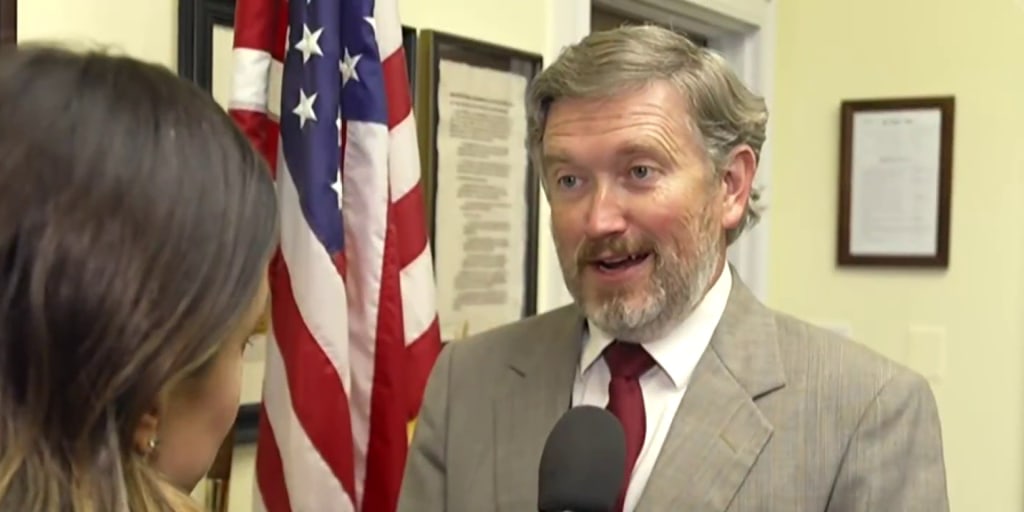
gop senator discovers constitution, immediately loses job
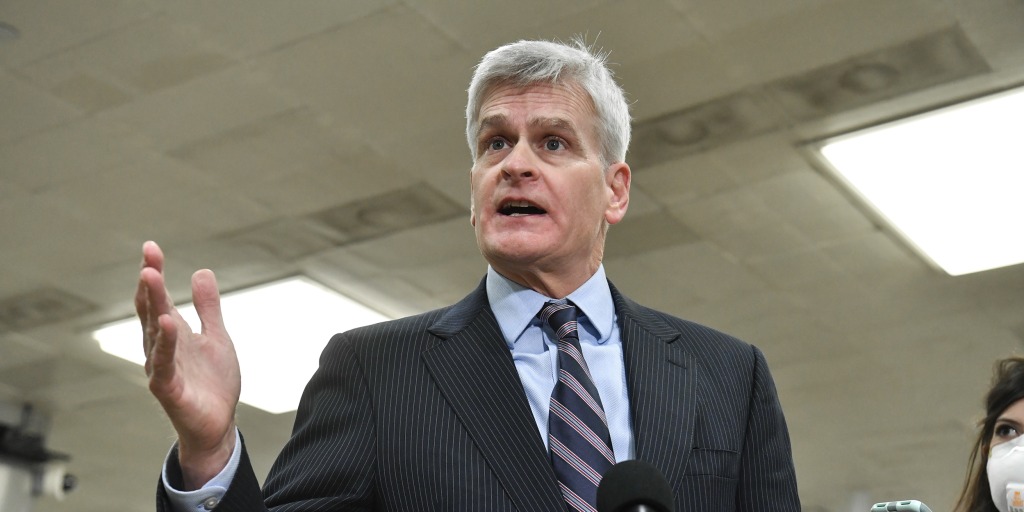
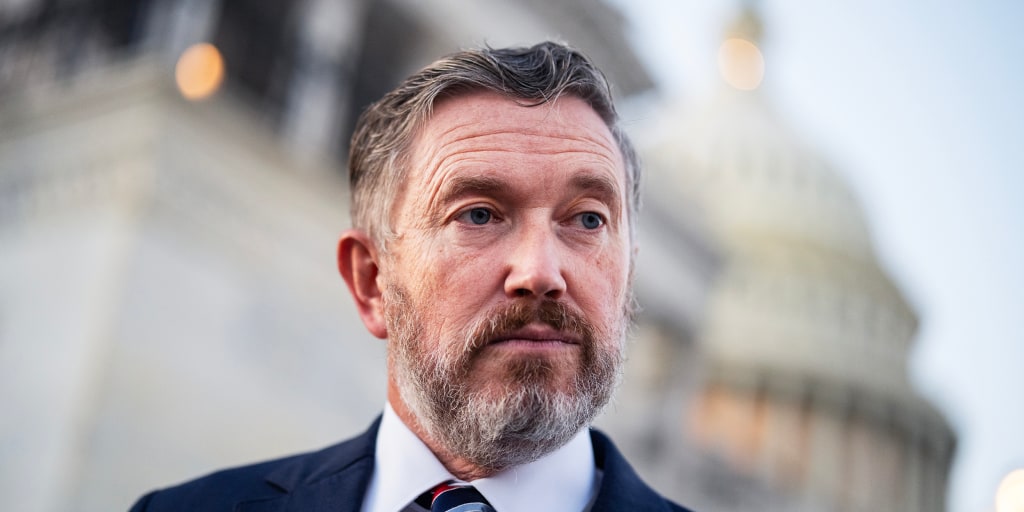
Bill Cassidy, moments after realizing that in today’s GOP, voting to uphold the Constitution is more disqualifying than helping an insurrectionist president keep his job.
Documenting the chaos since day one — one awful day at a time.

Bill Cassidy, moments after realizing that in today’s GOP, voting to uphold the Constitution is more disqualifying than helping an insurrectionist president keep his job.

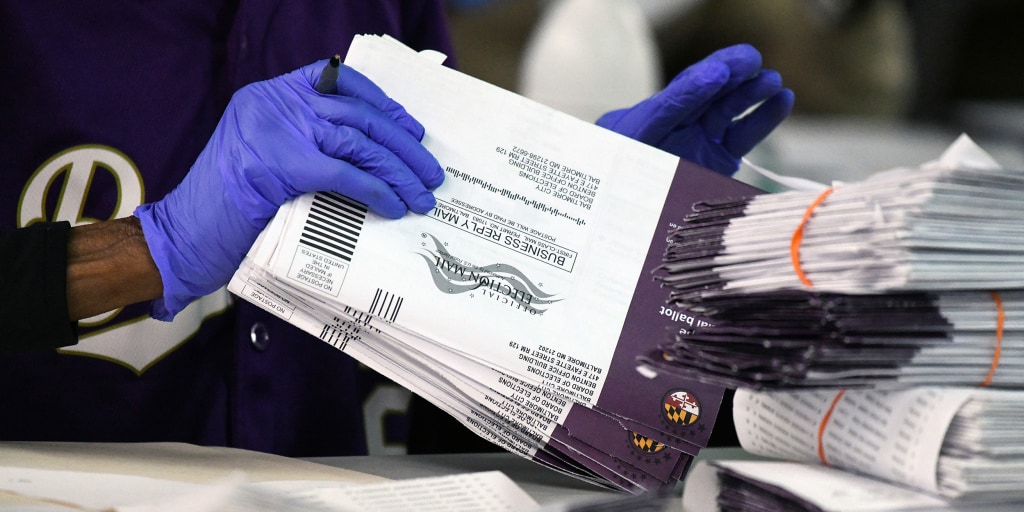
Trump, demanding a DOJ probe into a barcoded envelope system he absolutely does not understand, while the actual printer quietly fixes its mistake like it’s not the collapse of western civilization.

The Pentagon, now offering guided tours of the First Amendment’s funeral.

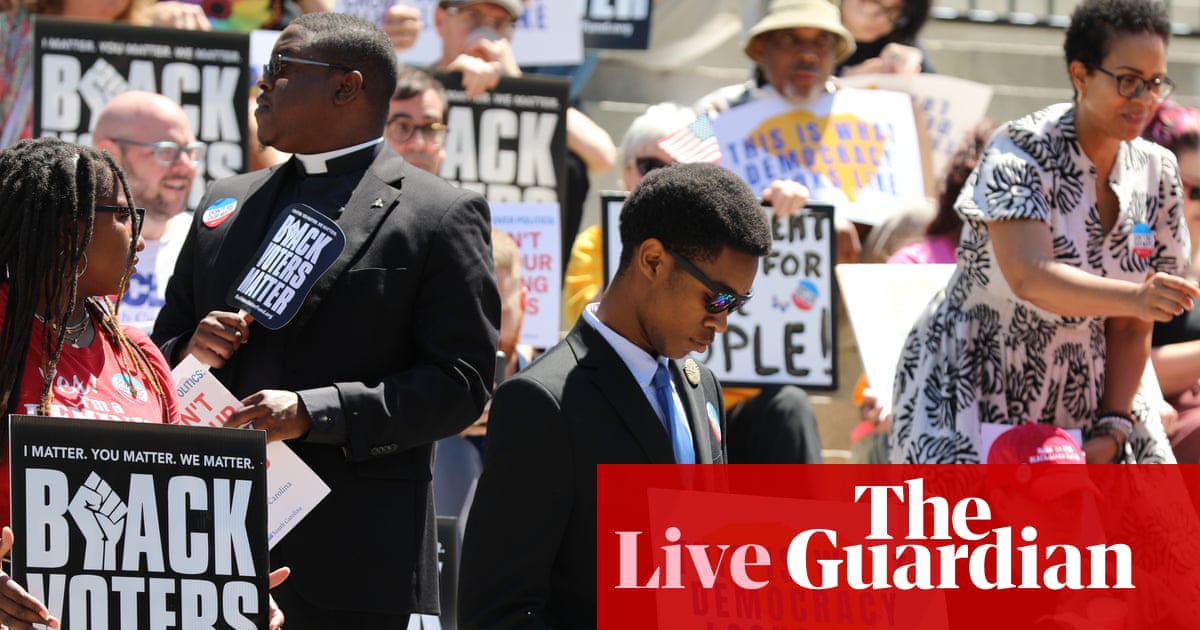
Protesters outside the Supreme Court, still laboring under the quaint belief that the president and his Justice Department might actually defend the federal agency in charge of drug safety.

Donald Trump, contemplating the legal nuances of suing his own executive branch for $10 billion and then declaring victory when he drops the case.

South Carolina lawmakers carefully adjusting district lines with the precision of a surgeon and the ethics of a raccoon in a bank vault.

Susan Collins, seen here contemplating whether this is a day for ‘symbolic opposition’ or reliable pro‑Trump votes.

Thomas Massie, moments before learning that in Trump’s GOP, voting with the party 90% of the time still gets you fed to the primary woodchipper.

Tina Peters, seen here workshopping new ways to "protect" elections by breaking them, warms up the crowd at a 2022 Trump rally.

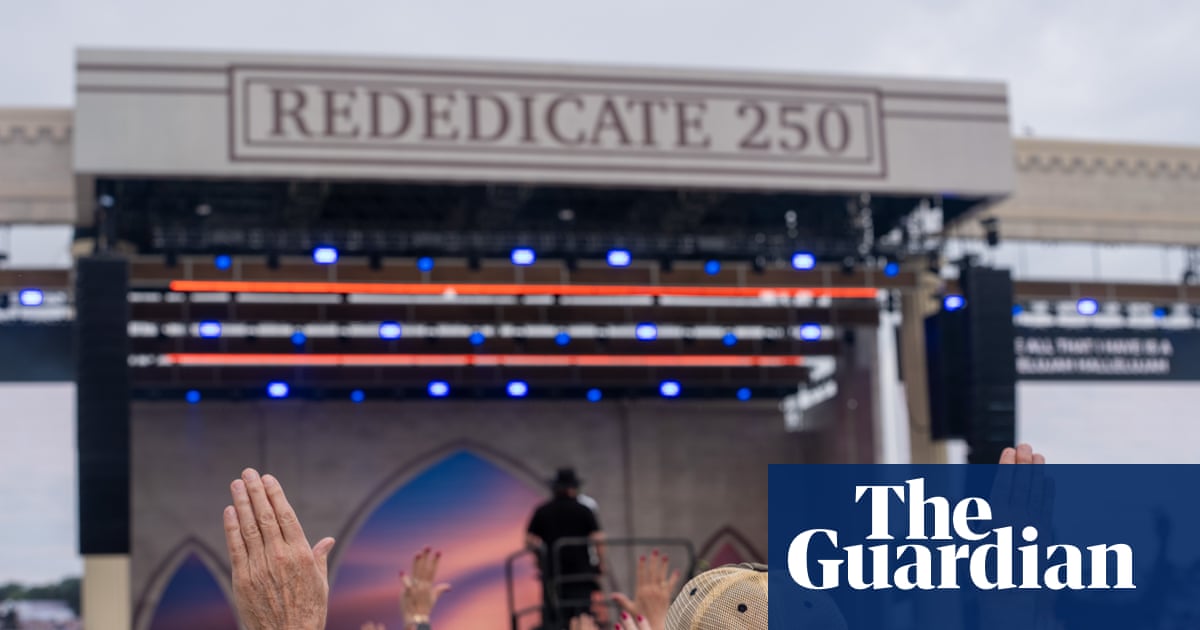
The National Mall, now available in three classic styles: protest, inauguration, and soft-launch theocracy.

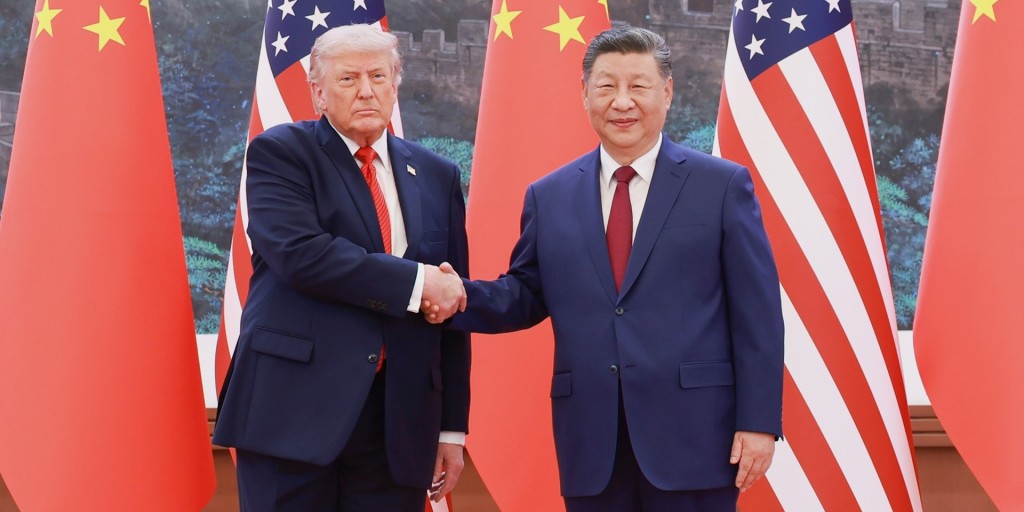
Trump explains foreign policy to Xi Jinping using the same strategy he uses for real estate: say something wild, see who flinches, declare victory.

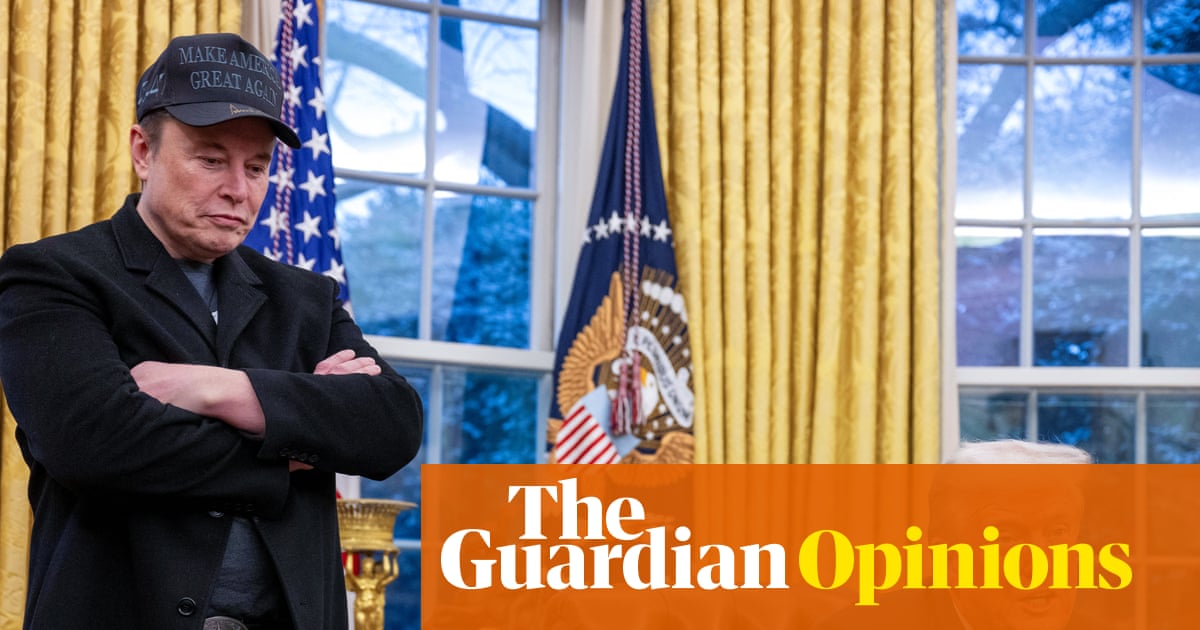
The FTC, bravely shielding America’s billionaires from the existential threat of being mildly criticized online.
The Trump-era FTC, led by Andrew Ferguson, has apparently decided its real mission isn’t consumer protection but elite snowflake protection. After Media Matters reported that major brands’ ads were running next to pro-Nazi content on Elon Musk’s X, the FTC swooped in — not to ask why Nazis are getting premium ad placement, but to demand Media Matters’ communications records. Ferguson even bragged at a conference that his tools are "expensive when applied to you" so targets should just "knuckle under" — which is a fun way of saying: we know we’ll probably lose in court, we’re just here to bleed you dry.
Texas AG Ken Paxton and Missouri AG Andrew Bailey eagerly joined the pile-on, launching fraud probes into Media Matters after nudging from Stephen Miller, now Trump’s deputy White House chief of staff, because of course he is. Courts eventually smacked these cases down, but the damage was done: donors fled, projects were killed, staff were laid off, and the message was crystal clear — criticize the regime’s favorite Nazi-adjacent social network and you might win legally but lose financially. Meanwhile, Musk’s X tried to antitrust-sue both Media Matters and advertisers who dared to not want their products next to swastikas, helping to crush GARM, the ad industry’s attempt to avoid funding extremist content.
The same playbook shows up in media mergers, where antitrust and telecom law are now just props in the Trump Show. The Paramount-Skydance deal only got past a captured FCC after a grotesque list of political concessions: Paramount reportedly paid Trump $16m to make a pesky 60 Minutes lawsuit go away, then axed Stephen Colbert after he referred to the payment as a "bribe", and promised tighter editorial control over CBS News plus dismantling diversity initiatives. FCC Democrat Anna Gomez called it "never-before-seen" government control over newsroom decisions and a First Amendment violation, which is lawyer-speak for "this is straight-up authoritarian garbage."
Behind the scenes, oligarchs like Larry Ellison are speed-dialing Trump to kneecap rival deals (Netflix-Warner Bros) while Trump’s DOJ antitrust division is described by its own former senior official as "pay-to-play regulation." Courts keep belatedly swatting down the worst abuses, but by then the watchdogs are broke, GARM is dead, and every newsroom in America is quietly asking: is this story worth a federal investigation and a few million in legal fees? Congratulations, we’ve arrived at the modern American model of press freedom: you can say what you want — as long as you can afford the lawyers.

Anthony Fauci, seen here trying to explain basic epidemiology to a country that thinks YouTube comments are peer review.

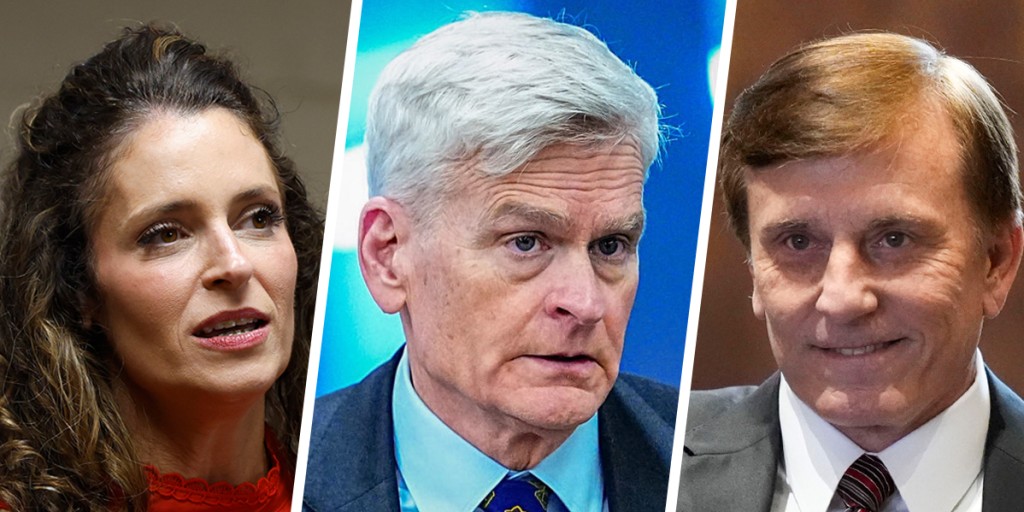
Three Republicans walk into a primary: one backed by Trump, one backed by McConnell, and one backed by sheer delusion that this is about anything but Trump’s revenge tour.

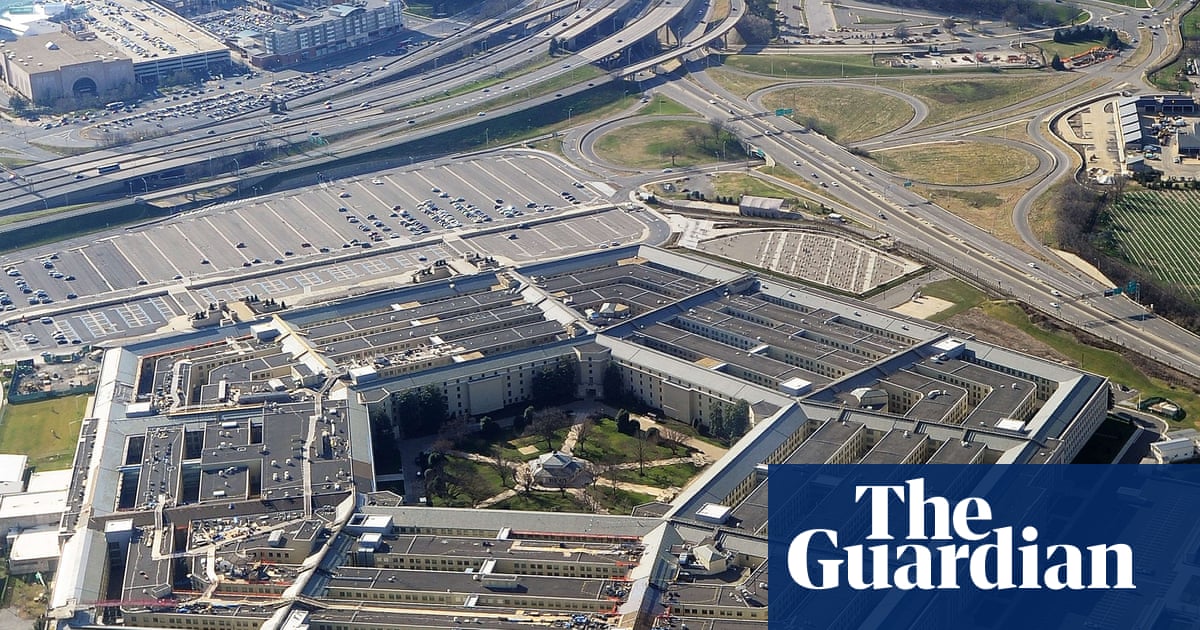
Classified Pentagon image of a hostile extraterrestrial craft, or, as non-insane people call it, a balloon someone let go near Japan.
The Pentagon, under orders from President Donald "I alone can see the aliens" Trump, has dumped its first batch of UFO files on the public, supposedly because of the "tremendous interest" from Americans. Conveniently, this sudden passion for transparency arrives just as Trump is, as the article delicately puts it, "suffocating in scandal and calamity" over his unlawful adventures in Venezuela and Iran. Why answer awkward questions from Congress when you can point at a blurry dot over Japan and yell: look, a saucer?
This circus plugs straight into Trump’s favorite storyline: he’s the brave outsider exposing the sinister deep state — unless, of course, the files are underwhelming, in which case the deep state is now so powerful it’s hiding the truth from the president himself. It’s a perfect closed loop: heads he’s the heroic truth-teller, tails the conspiracy just got deeper. Meanwhile, his sidekicks are happily workshopping their own fan fiction: Vice-President JD Vance declaring UFOs are actually demons, and Secretary of State Marco Rubio hinting the government might be sitting on alien tech like a Floridian Bond villain with a security clearance.
The actual content of the release is, predictably, a gallery of grainy blobs, misidentified flares, and what appears to be a literal red balloon. Online sleuths debunked several clips before the ink on the press release dried, but the point was never evidence. It’s vibes. It’s distraction. It’s feeding a culture where people will believe in secret hangars full of little green men, but not in open, well-documented conspiracies like Wall Street wrecking the economy and getting bailed out, or presidents breaking international law. Why hide the real crimes in a secret base when you can do them in broad daylight while everyone argues about space demons?

The FDA leadership suite, as envisioned by Trump: a bunch of empty chairs, a TV tuned to Fox, and a shredder labeled "career civil servants".

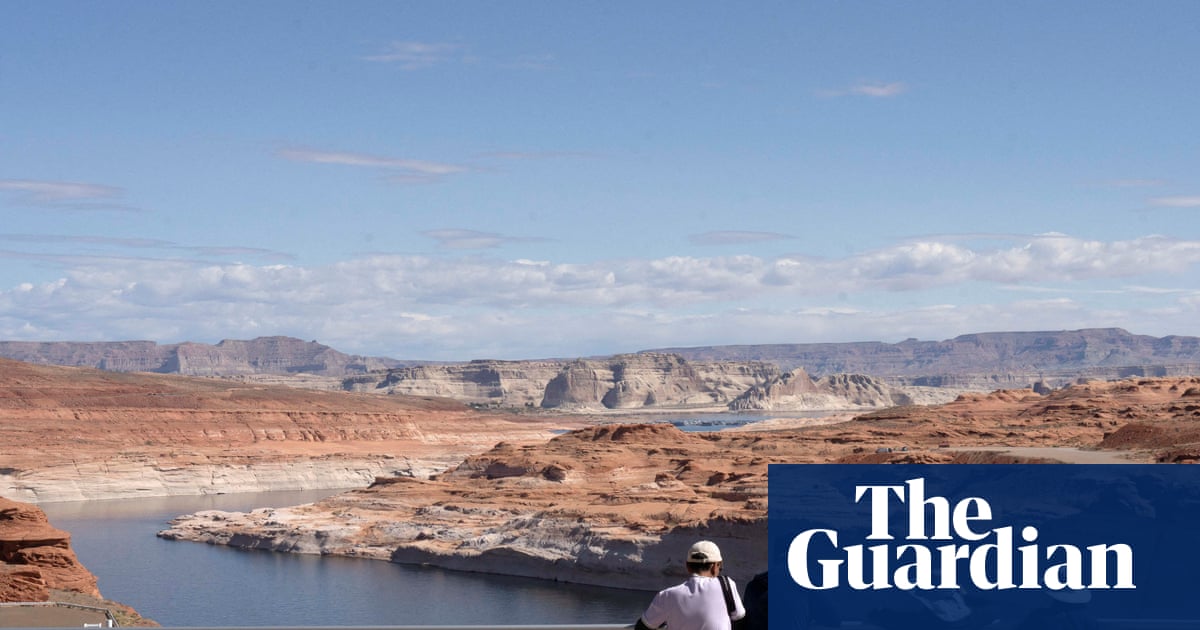
Map of the Colorado River basin, helpfully illustrating where 40 million people are about to learn what "federal water cuts" feel like.
The Trump administration has unveiled its bold new vision for the American West: dehydration, but make it federal policy. A 10-year plan for the drought-stricken Colorado River could cut up to 40% of current water supplies to Arizona, California, and Nevada — up to 3 million acre-feet a year, enough water for 6–9 million households. So, you know, an entire megacity or two. No big deal.
Arizona water official Tom Buschatzke described the proposed cuts as “sobering”, which is a tactful way of saying “we’re about to find out what happens when the Central Arizona Project goes to zero and Phoenix pretends it’s still a functioning city”. The feds are floating two options: jam it through under existing Colorado River law, which conveniently gives California the highest priority, or force the states to sign agreements while Washington stands there like a mob boss saying, "Nice little water supply you’ve got there, shame if something happened to it."
The upper basin states — Colorado, Utah, Wyoming, and New Mexico — are insisting that the lower basin states are the real problem, because nothing says "responsible resource management" like a century-long interstate blame game while reservoirs hit dead pool. California, Arizona, and Nevada tried to preempt the hammer by offering their own voluntary cuts, but the Bureau of Reclamation is still "evaluating" whether letting people collaborate beats just unilaterally turning the tap off every two years.
So the Trump-era water policy formula remains intact: decades of overuse, turbocharged climate crisis, a collapsing river that 40 million people depend on, and a federal plan that amounts to resetting the rules on a rolling basis while everyone argues over who has to be thirsty first. Governance by scarcity roulette — what could go wrong?

Ken Paxton and Trump’s DOJ celebrating their landmark achievement in medicine: a clinic where the government decides who you’re allowed to be.

The newly rebranded Department of War, seen here carefully calibrating the angle from which to insist it cares deeply about civilian lives while defunding the office that was supposed to prove it.

Thomas Massie explains that his primary is a 'national referendum' while the Trump campaign helpfully reminds him who’s grading the exam.