census bureau moonlights as trump campaign oppo shop

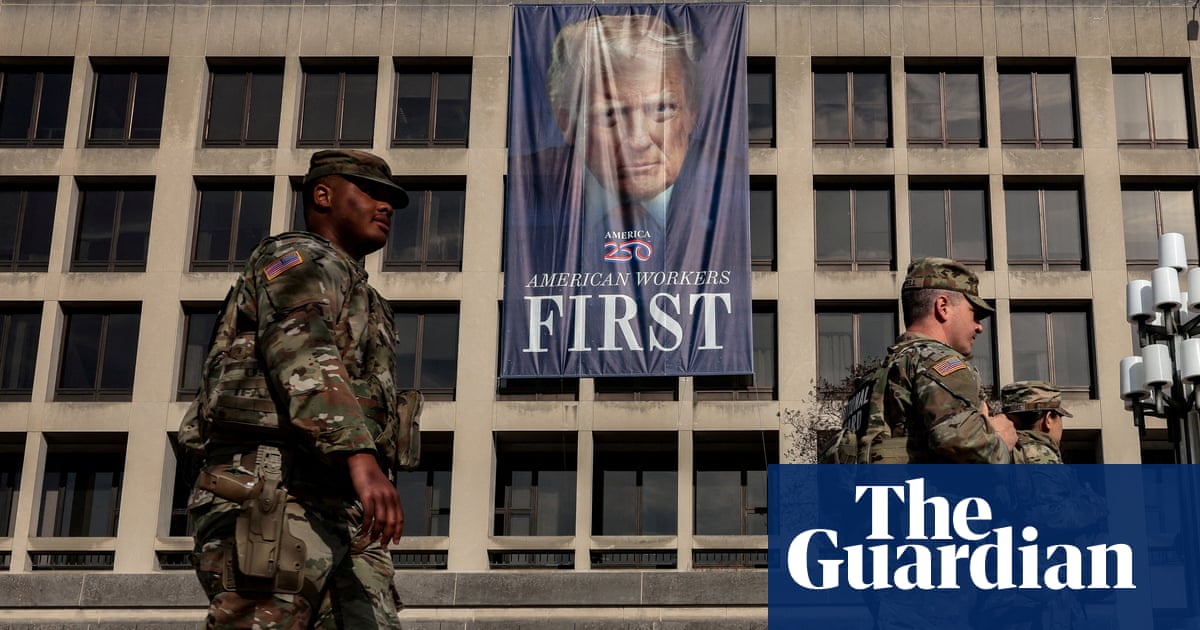
Census Bureau headquarters, now featuring a convenient drive-thru window for partisan think tank submissions.
Documenting the chaos since day one — one awful day at a time.

Census Bureau headquarters, now featuring a convenient drive-thru window for partisan think tank submissions.

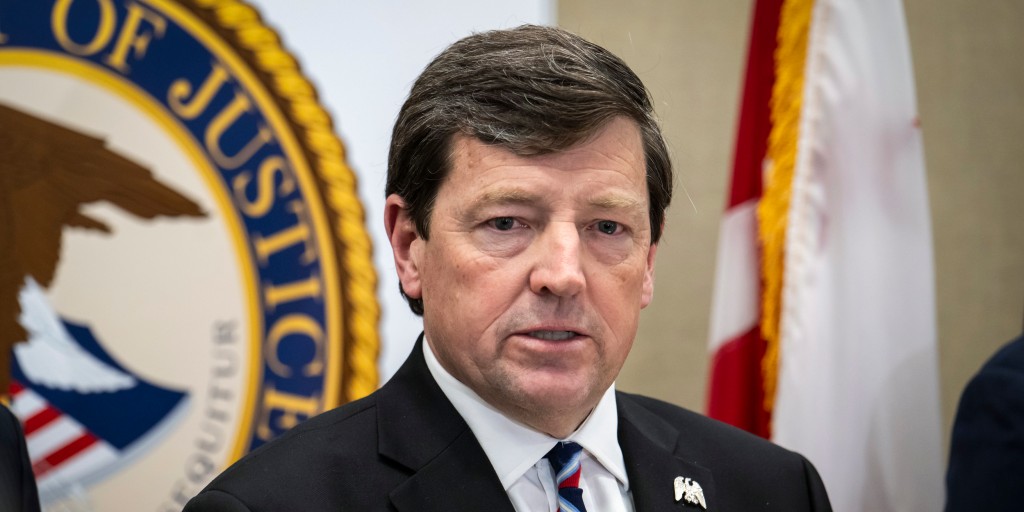
USCIS headquarters, where fighting fraud now means hunting imaginary noncitizen voters and fast-tracking the world’s neediest Afrikaners.

Map of the United States highlighting the shrinking number of states where trans kids can still see a doctor without needing a legal team and a GoFundMe.

Andy Biggs, seen here auditioning for the role of Arizona’s top election arsonist, explains why the fire is very suspicious and needs more audits.

Leila Fadel, bravely preparing to ask how many alliances one president can set on fire before the State Department just replaces the globe with a shrug emoji.
NPR has helpfully scheduled yet another episode of "What Did He Break This Week?", featuring Leila Fadel asking Peter Baker to explain how Trump has managed to turn decades-old alliances into a group chat where everyone has him on mute. You know it’s going well when the main question is essentially: how many allied democracies can you alienate before NATO just starts seeing other people?
The segment promises a tour through Trump’s signature diplomatic strategy: threaten NATO, sneer at the EU, publicly insult leaders of democratic countries, and then roll out the red carpet for whichever strongman last complimented his crowd size. It’s less a foreign policy than a vibes-based loyalty test, where the correct answer is always "yes, Mr. President, Article 5 is mean to you." America’s relationships with its allies are being stress-tested not by war or crisis, but by one man’s need for flattery and photo ops with autocrats.

Behold the Capitol, now serving as a scenic backdrop for one man’s ego, some welded manhole covers, and a 250th birthday party for American democracy that feels a lot like its midlife crisis.

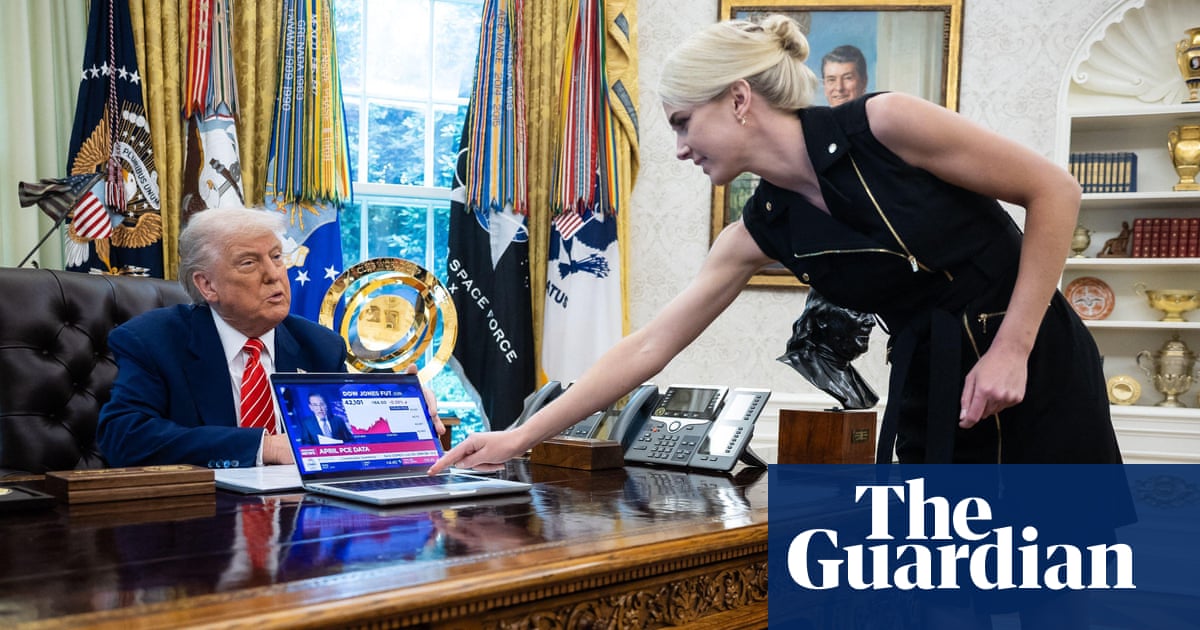
Natalie Harp, professional ‘human printer,’ seen here beta-testing the White House’s new all-in-one copier, shredder, and coup-enabler.

Cameron Hamilton prepares to lead FEMA again, bravely stepping between natural disasters and Trump’s need for better disaster B-roll.

Scott Bessent explains that $40 trillion in debt is no big deal, moments before frantically trying to stop the bond market from yeeting the United States into emerging-market cosplay.
Scott Bessent, Trump’s Soros-trained Treasury secretary, has decided to speedrun the process of turning the US into an emerging market: massive debt, panicky bond interventions, a sliding currency, and a president treating the Treasury like his personal casino rewards program. On TV, Bessent shrugs that there’s "nothing magic" about $40 trillion in debt; in the actual bond market, he’s frantically doubling long-bond buybacks and inventing new ways for Japan to pawn its Treasury stash without actually selling it. Nothing says fiscal confidence like quietly building a repo methadone clinic for your largest foreign creditor.
The backdrop: Trump’s second-term tax cuts, pointless tariffs (some of whose proceeds the government is now literally paying back), a forever war in the Middle East, and Elon Musk’s briefly existent "Department of Government Efficiency" which, shockingly, did not offset trillions in red ink. Add an AI debt binge from hyperscaler tech bros offering investors something less politically radioactive than US bonds, and suddenly Washington’s status as the world’s sober adult has been replaced by jittery casino pit boss. As yields on 30-year Treasuries rip back to pre-2008 crisis levels and the dollar falls at the same time, the US starts to look less like the anchor of the global system and more like the cautionary tale.
Economists now openly describe a "post-American world economy" where everyone is just trying to work around Trump’s tariff roulette, Middle East war cosplay, and industrial-scale self-enrichment. The old deal — America runs huge deficits, the world parks its savings in Treasuries and pretends this is fine — depended on the US at least pretending to be a stable, rules-based democracy. Instead, we have a president who treats fiscal policy as a re-election slush fund and a Treasury secretary whose market interventions scream that investors have finally noticed the math. The bond market is starting to test where Washington’s pain threshold really is, and the answer appears to be: somewhere between "5% on the 30-year" and "full Argentina speedrun."

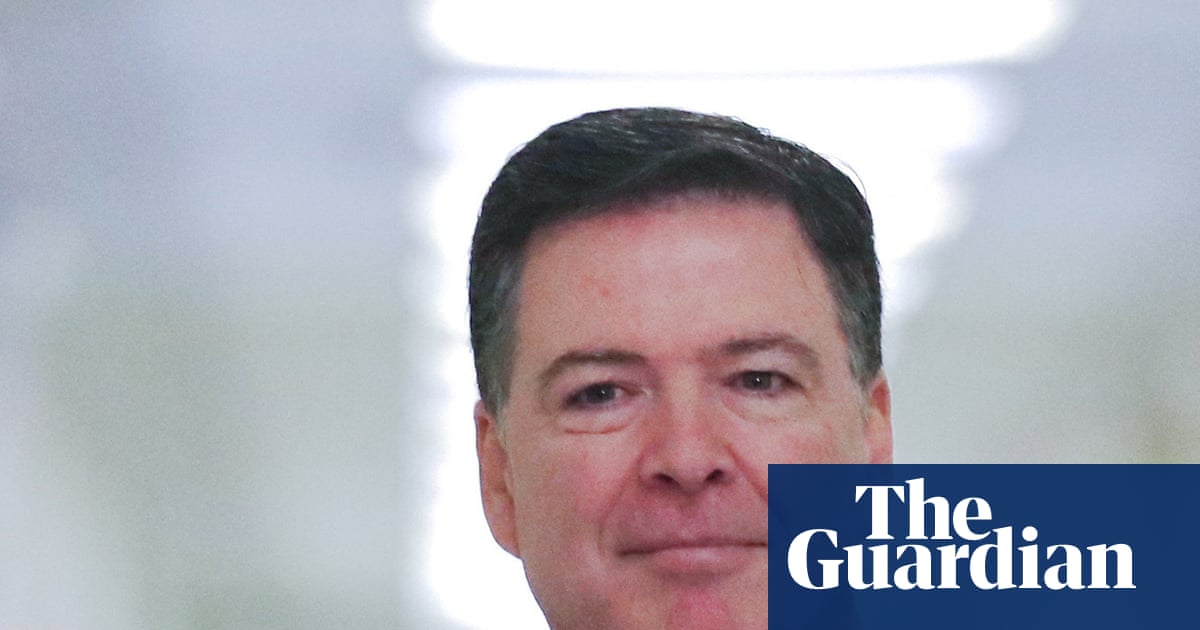
James Comey’s deadly weapon, according to the Trump DOJ: seashells, a midlist thriller, and the First Amendment.
The Trump administration’s justice department has apparently decided that the real threat to America isn’t violent extremism or corruption, but James Comey’s beach vacation and his middling crime novel. Federal prosecutors are trying to keep their indictment alive by arguing that a photo of seashells spelling out “8647” on Instagram was a coded death threat against Donald Trump, and that Comey’s novel FDR Drive proves it. Yes, we’ve reached the stage of authoritarian fanfic where the government cites Publishers Weekly to justify a felony charge.
PEN America’s legal director Mara Gassmann politely translated this clown show into lawyer-speak, calling it a “desperate Hail Mary” and warning that using a work of fiction to prop up a “constitutionally dubious” case is a First Amendment nightmare. Prosecutors insist there’s “no serious dispute” that “86” (slang for “get rid of”) plus “47” (Trump’s presidential number) equals a threat, while also claiming Comey had a “financial incentive” to stir controversy—over a book that’s sold 6,471 copies, which is fewer readers than Trump has lawyers under indictment.
Comey’s attorneys say the obvious part out loud: this is “vindictive and selective prosecution” in service of Trump’s yearslong quest to criminalize his critics, not a “good faith application of the law.” A former FBI director posts some seashell art, writes a fictional prosecutor chasing a far-right demagogue, and suddenly the DOJ is treating it like the Zapruder film. When the government starts treating novels and beach photos as evidence of a “true threat,” it’s not law enforcement anymore—it’s a loyalty test with subpoenas.

Todd Blanche, freshly promoted from Trump’s personal legal valet to attorney general, prepares to use an 1873 anti-smut law to decide what modern Americans can get in the mail.

Trump at the podium, bravely standing up to the terrifying threat of a woman holding a microphone and a fact-check.
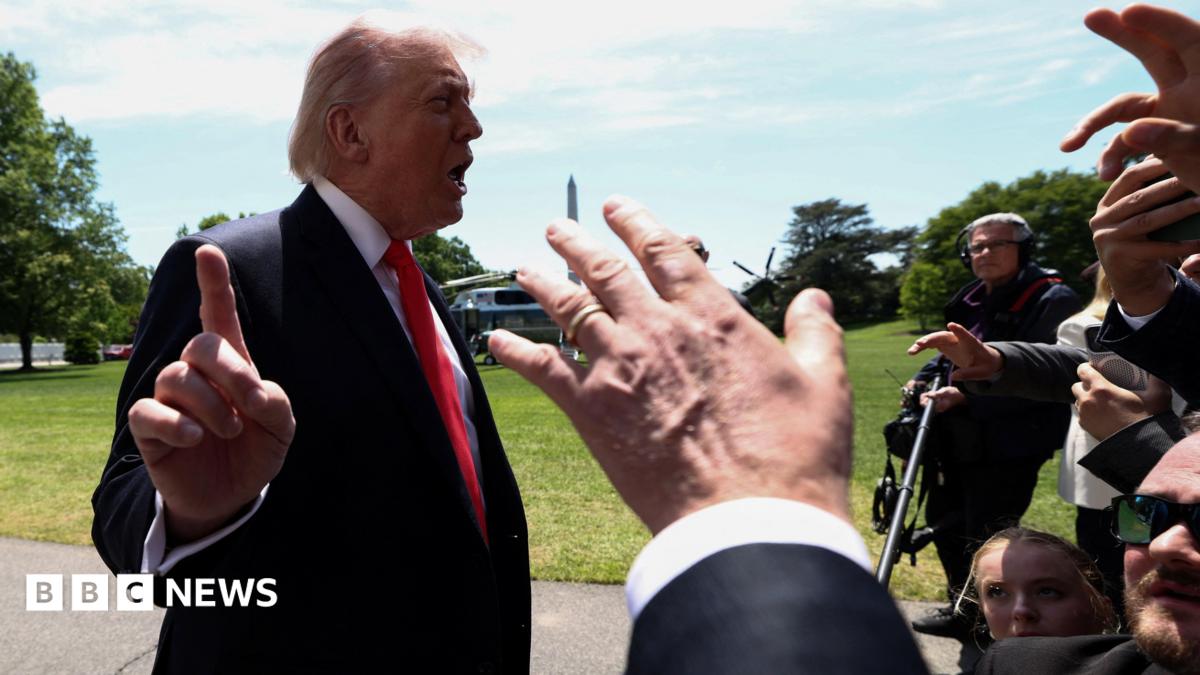
The BBC helpfully conducts a field study on a rare and delicate creature: the American president who detonates any time a woman with a press badge asks him to explain himself. Trump, who never met a mirror he didn’t love or a follow-up question he didn’t treat as treason, has been busy shutting down reporters for the crime of doing journalism in his general direction.
Tom Bateman walks through the greatest hits: queries about his failures, lies, and basic facts that cause Trump to pivot from "leader of the free world" to "guy yelling at customer service" in under three seconds. The pattern is simple: ask about accountability, corruption, or reality, and you get public insults, personal attacks, and an attempted character assassination broadcast live. The message is clear: a free press is fine, as long as it behaves like his campaign rally crowd.
It’s not just thin skin; it’s a strategy. By targeting reporters—especially female journalists—with sneering put-downs whenever they press him, Trump turns normal scrutiny into a spectacle and signals to his base that facts are optional and questioners are enemies. Call it media relations by way of authoritarian cosplay: why answer hard questions when you can just try to destroy the person asking them on camera?

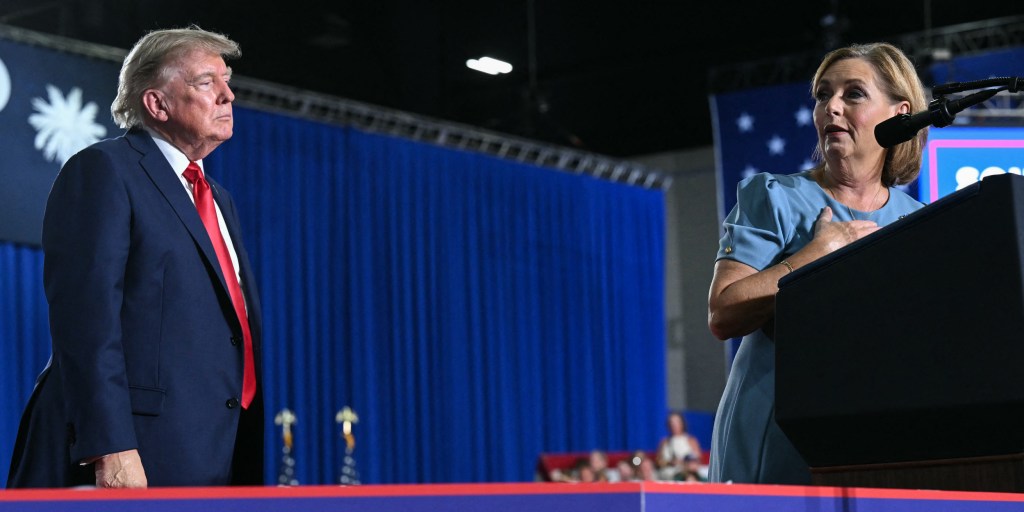
Darline Graham greets supporters while silently counting South Carolina’s 50 million imaginary residents, all of whom definitely want Trump to handle national security for her.

Donald Trump, seen here mentally calculating how many tanks it takes to fix a poll number, contemplates suing math for defamation.

Ed Martin, freshly retired from dismantling Jan. 6 prosecutions and polishing the pardon pen, heads out of DOJ to protect “free and fair elections” the way a fox protects a henhouse.
Ed Martin, a "Stop the Steal" organizer who somehow speed-ran the career ladder from Jan. 6 defendants’ attorney to interim U.S. attorney for D.C. to pardon attorney, is leaving the Trump Justice Department so he can go "fight Legal Battles" in the upcoming elections. Trump announced the move on Truth Social, praising Martin as the "Director of the Weaponization Working Group" — which is a fun way of saying "guy we put in charge of harassing prosecutors who investigated me and my buddies."
Martin, who had no prior prosecutorial experience, was dropped into the D.C. U.S. attorney job in 2025, where he promptly oversaw the firing and demotion of Jan. 6 prosecutors and opened an "investigation" into how the Capitol riot cases were handled. Even Senate Republicans like Thom Tillis tapped out on that one, forcing Trump to withdraw Martin’s nomination for the permanent post because apparently even this was too on-the-nose for them.
Undeterred, Trump just shuffled Martin sideways into DOJ leadership as associate deputy attorney general, pardon attorney, and head of the so-called weaponization group tasked with turning the Justice Department into a revenge machine against Trump’s past investigators. That gig didn’t last either — NBC reported earlier this year that he was stripped of that role — but he kept the pardon pen, because of course he did. Now he’s off to "ensure Free, Fair, and Honest Elections" by leading election-related legal fights, which is like putting the arsonist in charge of the fire code and calling it public safety.
Attorney General Todd Blanche hopped on X to call Martin "a patriot who loves this nation" and cheer on his "future successes," which nicely sums up the Trump-era pipeline: organize efforts to overturn an election, sabotage prosecutions of the people who stormed the Capitol, help run a politicized purge inside DOJ, then graduate to overseeing election "legal battles" from the outside. The revolving door between sabotaging justice and sabotaging democracy is working beautifully.

Treasury wires $725 million to the UN so the US can keep its voting rights while continuing to pretend the bill was never really due.

DHS officials bravely hunting for 16,000 phantom voters, finding 185 real people, and deciding the original number is still good enough for a presidential primetime panic special.

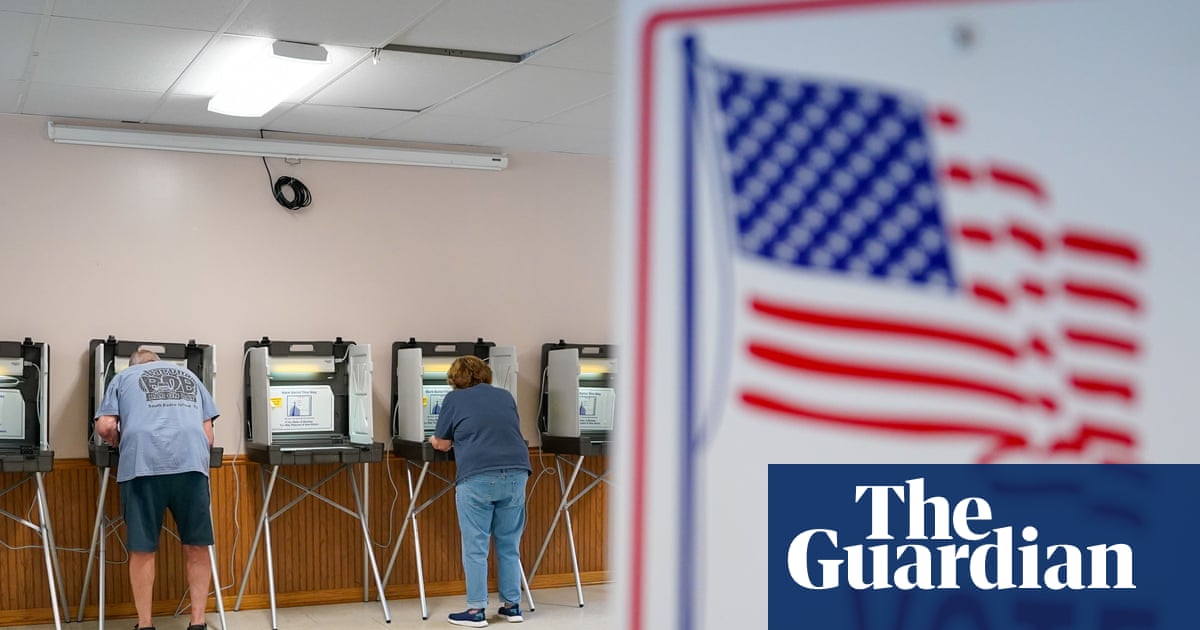
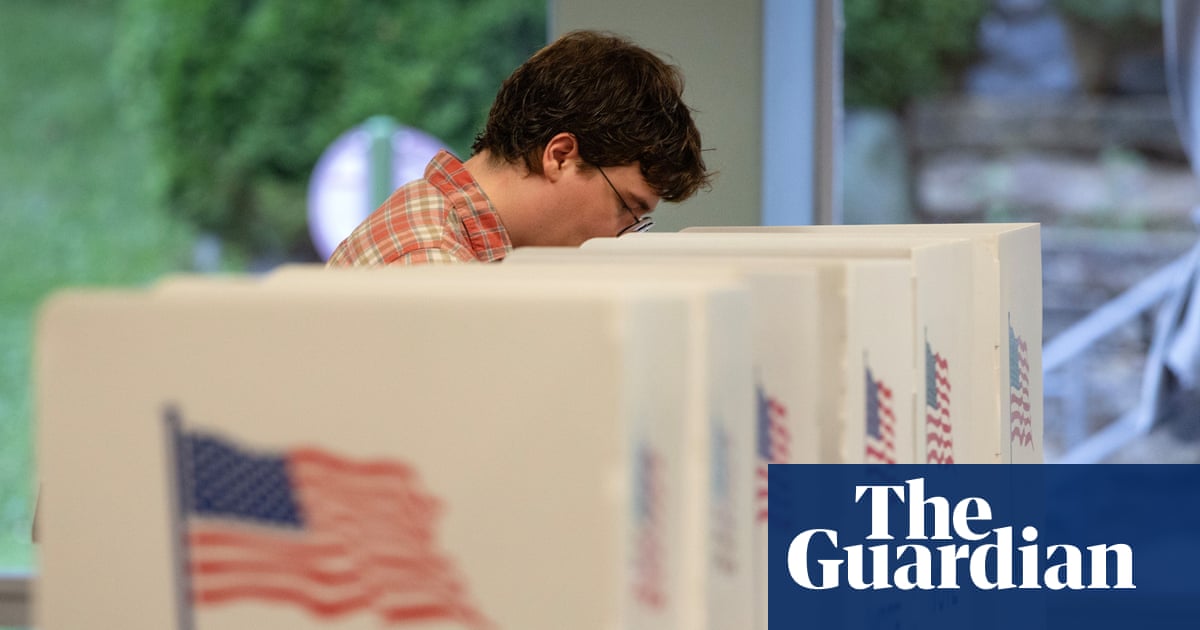
DOJ election monitors bravely defend America from the menace of people quietly filling out ballots.

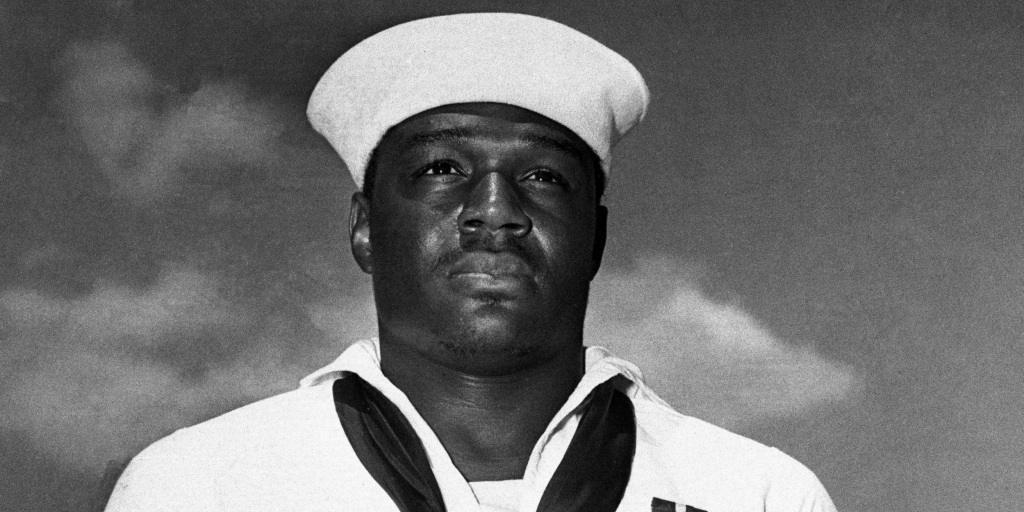
Admiral Nimitz pins the Navy Cross on Doris “Dorie” Miller, back when the Navy honored actual courage instead of debating whether to name warships after guys who wage war mostly on social media.
The Navy is quietly debating whether to rename the future USS Doris Miller — the first aircraft carrier ever slated to honor a Black and enlisted sailor — after Donald Trump instead, because nothing says "respect for service" like sidelining an actual war hero for a guy whose most famous battle was against his own bone spurs.
Doris "Dorie" Miller, a mess attendant at Pearl Harbor, grabbed an anti-aircraft gun he wasn’t even trained on, shot down at least one Japanese plane, and dragged wounded sailors to safety. For that, he became the first Black service member to receive the Navy Cross. Under Trump’s first term, the Navy decided to finally name a carrier after him. Now, months of internal discussions are focused on whether to erase that milestone so the ship can instead double as a 100,000-ton floating MAGA billboard.
Officials say Miller is being considered for the Medal of Honor, which would conveniently nudge him into the "destroyer" tier of naming conventions, freeing up the big shiny carrier slot for a president whose closest brush with combat was yelling at staff on Truth Social. The final call will rest with Defense Secretary Pete Hegseth and acting Navy Secretary Hung Cao — two men now positioned to decide whether the Navy honors a Black hero of democracy or leans fully into the Dear Leader Aircraft Carrier model of civil-military relations.
As a bonus, this fourth Ford-class carrier may be among the first to feature Trump’s preferred steam catapults instead of the newer electromagnetic launch system, because if you’re going to rename a ship after him, you might as well retrofit the technology to match his policy style: loud, inefficient, and decades behind the rest of the world.

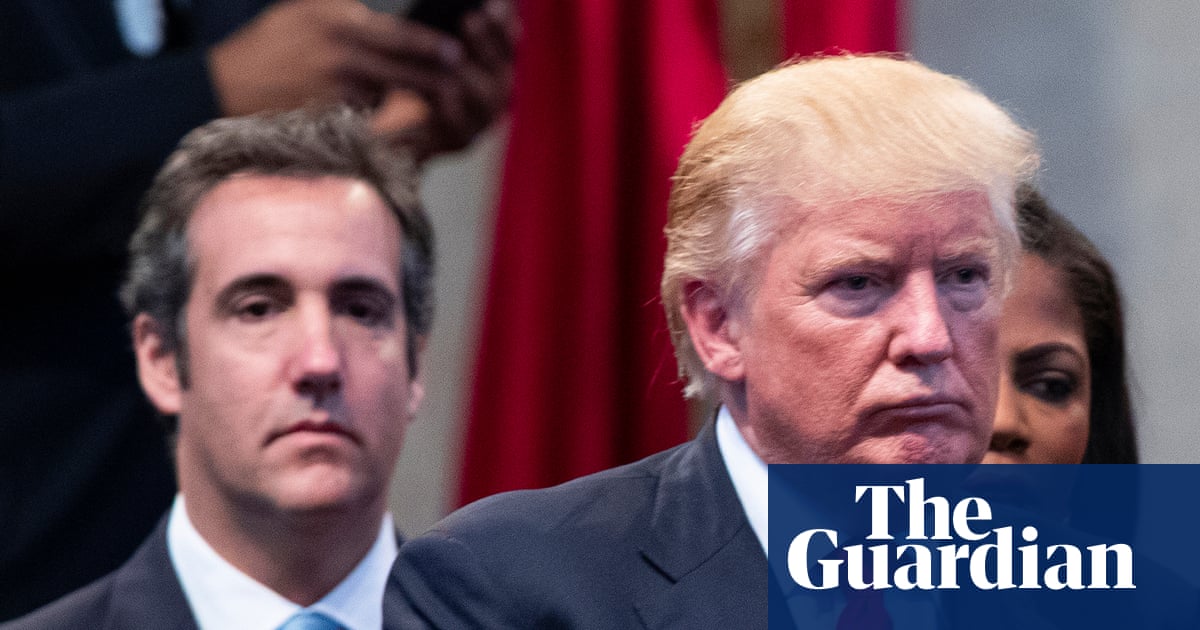
Michael Cohen, pausing between calling Trump a conman and calling him ‘boss,’ while mentally drafting his pardon application.