Tuesday, September 29, 2026
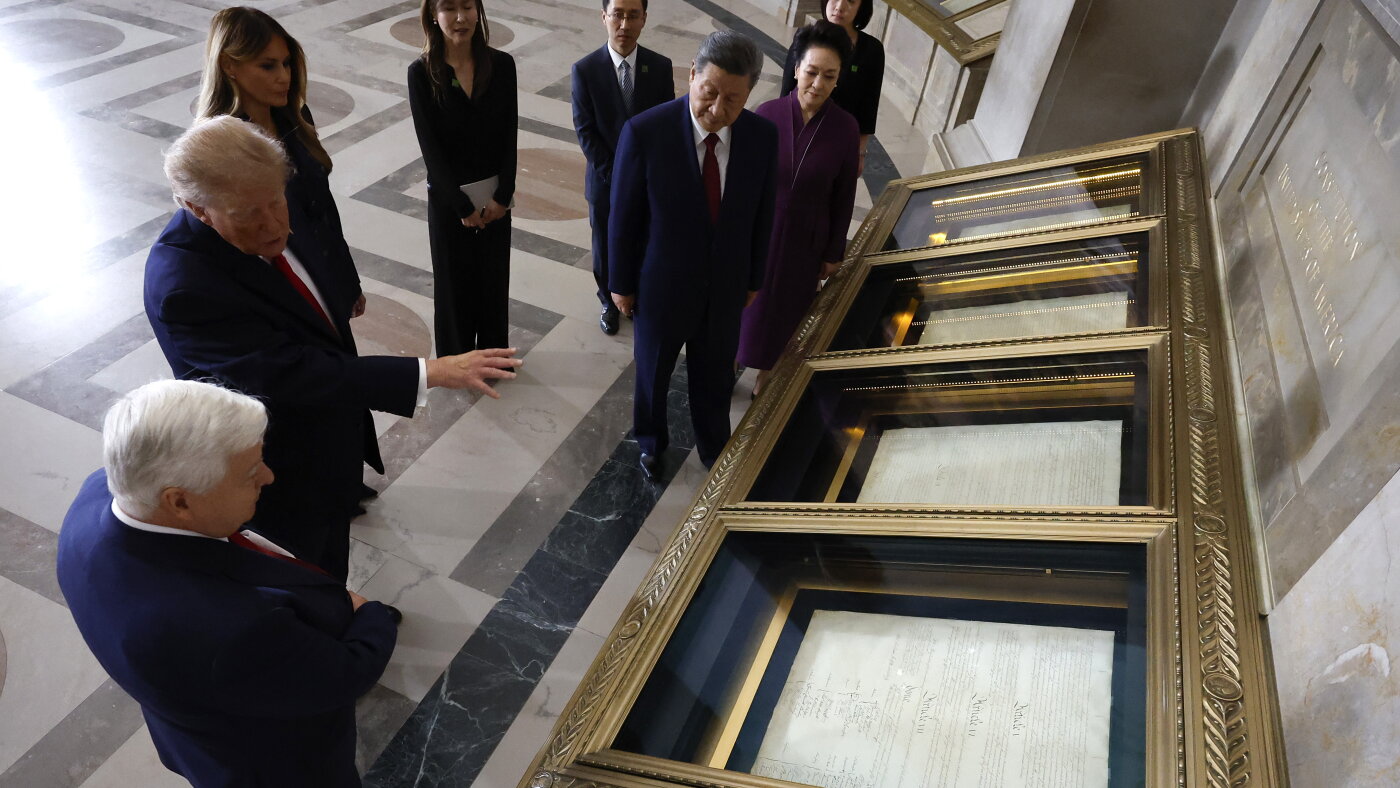
Trump explains the U.S. Constitution to Xi Jinping, moments after staff made sure no inconvenient treaties about Taiwan were visible in the background.
The National Archives Museum spent the morning carefully laying out a diplomatic history lesson for Trump and Xi Jinping — a Great Wall brick, a Qing dynasty scroll, and, crucially, the Treaty of San Francisco. Then Beijing got mad that the treaty doesn't actually say Taiwan belongs to them, and suddenly the U.S. historical record turned into a choose‑your‑own‑adventure pamphlet.
According to multiple diplomats, Chinese officials were furious that the treaty, which ended WWII hostilities with Japan, both excluded China as a signatory and left Taiwan's status undetermined. So, in a flurry of "last minute" changes, the special display vanished, replaced with the usual safe content about "250 years of American greatness" — carefully curated to avoid upsetting the guy running mass internment camps.
Administration officials insist the visit was a "very productive" chance to discuss U.S.–China history, which is an elegant way of saying: the American president took the leader of a rival authoritarian power to the temple of U.S. democracy, then quietly airbrushed the exhibits to match Beijing's political sensitivities. Nothing says "archivist of a republic" like letting a foreign government veto which treaties your own president is allowed to see.
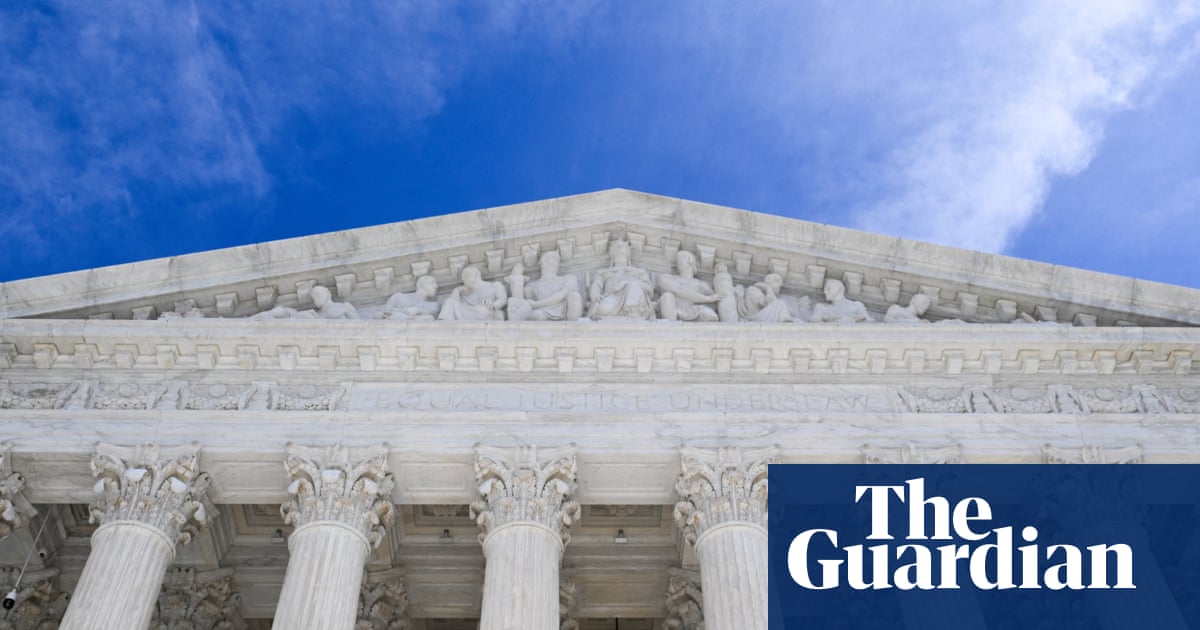
The Trump administration, once again asking the Supreme Court if the Eighth Amendment comes with a cruelty loophole for trans people.
The Trump administration has once again sprinted to its favorite help desk—the US supreme court emergency docket—this time begging the justices to let federal prisons deny gender-affirming care to transgender inmates while the pesky lower courts sort out whether state-sanctioned cruelty is constitutional. Solicitor general D John Sauer, apparently moonlighting as a prison-yard theologian, declared that surgeries, hormones, and even undergarments, makeup, padding and wigs “could no longer be justified” as treatment for gender dysphoria. Medical consensus? Human dignity? Not part of this administration’s formulary.
This all flows from Trump’s 2025 executive order commanding the Bureau of Prisons to spend zero federal funds on any care that helps an inmate’s appearance match their gender, and to shove trans women into men’s facilities for maximum "institutional security"—a phrase that here means put them in obvious danger and call it fairness. Two lower courts have blocked the order, so Team Trump is asking the conservative supermajority to rescue it, arguing the government is being "harmed" by having to not intentionally worsen prisoners’ mental health and physical safety.
The administration cites the Bureau of Prisons’ worries about "fairness" and "resentment" among other inmates, as if the solution to inequality in prison healthcare is to drag trans people down to the lowest possible standard, not raise everyone else up. And this isn’t a one-off: Trump’s second term has turned trans people into a full-time political chew toy—banning trans service members, stripping gender markers from passports, backing bans on gender-affirming care for minors, and supporting sports bans. The Supreme Court, for its part, has been a reliable partner in this project, already greenlighting state bans on care for trans kids and on trans athletes. Now the question is whether they’ll add "denial of medically necessary care to people the government literally cages" to the growing list of things that are apparently compatible with "liberty and justice for all".
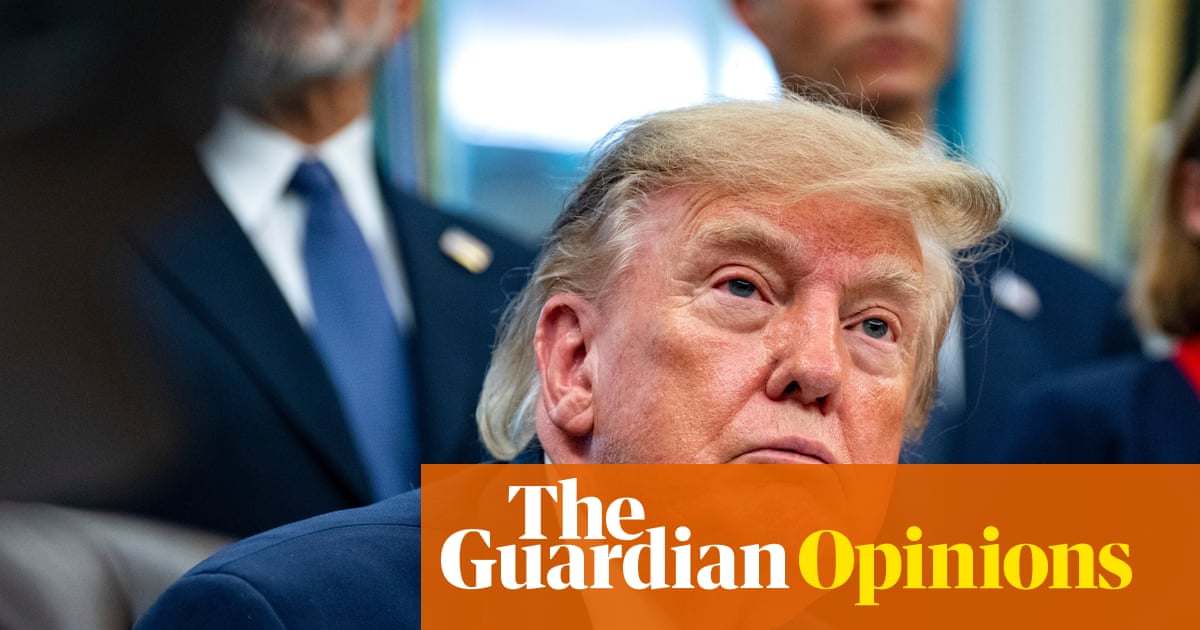
MAGA superfans slowly realizing the golden idol they worshipped was just a guy with lawyers on retainer and a merch store.
It only took a catastrophic Iran war, the Epstein files, and a sitting president with a felony record to make some of the MAGA superfans look up from the merch table and go, "wait a second." Former Front Row Joes Trisha Hope and Rick Frazier, once willing to camp out in DC hallways to defend Trump from impeachment, are now openly saying they’d support impeaching him again. Turns out "feeding the military-industrial complex" and being adjacent to Epstein’s horrors weren’t in the fan-club brochure.
The disillusionment isn’t limited to the rally diehards. Joe Rogan, whose 2024 boost helped re-elect Trump, is now calling Trump supporters "fucking nuts" and gently conceding that the whole "drain the swamp" thing has gone, shall we say, off-script. Meanwhile, Trump’s approval ratings are circling the drain, nearly half the electorate is motivated to vote against him in the midterms, and his $5,000 "Trump dividend" vote-buying scheme is so laughably transparent that only 13% of voters claim to believe it. That’s not a base; that’s a clearance rack.
Republicans, sensing that the gravy train might finally be pulling into the subpoena station, are already workshopping their victim narratives. Katie Miller is on X complaining about all the money her family had to spend on lawyers after the first Trump term and fully expects Dems to come for them again. Which, yes, is the point. As ex-cult members rage not just at Trump but at a system that lets the powerful skate, Mahdawi argues the only way to keep the next Trump knockoff from cashing in is to actually hold this one and his enablers accountable. Make MAGA’s legal bills high again.
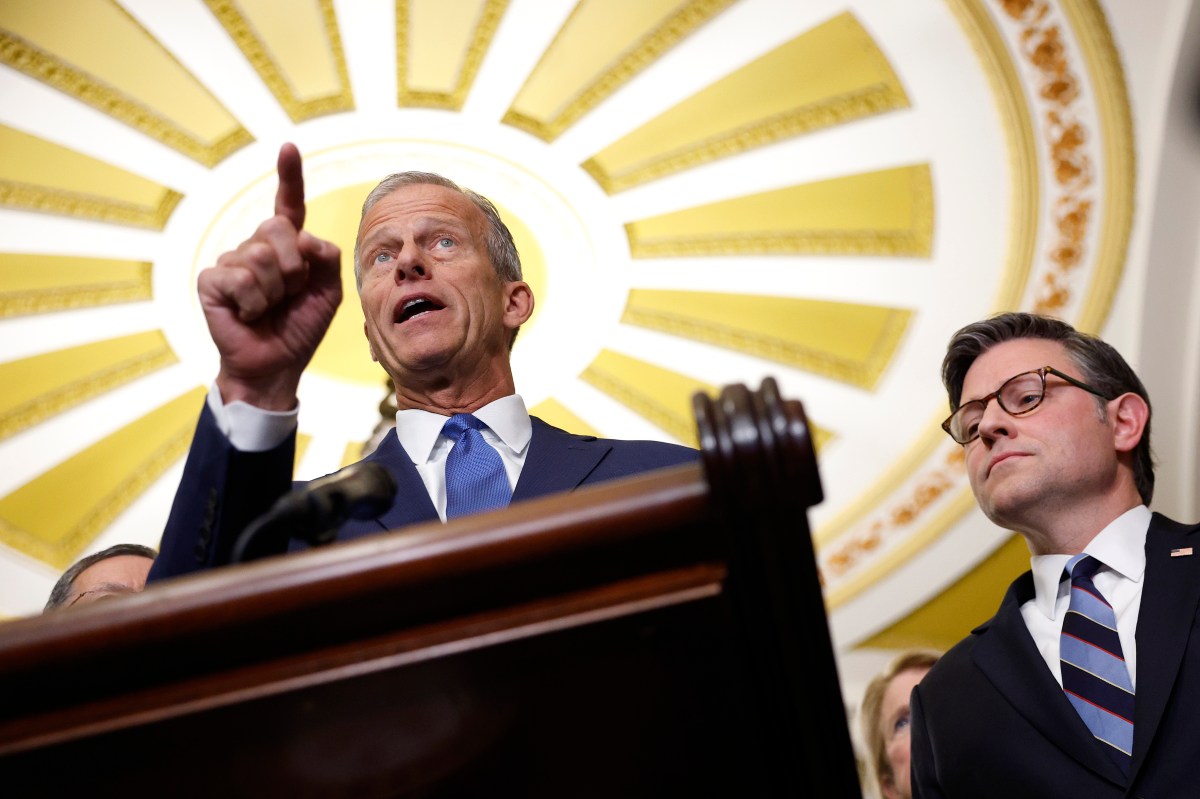
John Thune and Mike Johnson bravely announce that, after shutting down the government, they will also be shutting down any remaining pretense of doing their jobs.
The House has already bolted, the Senate is packing its emotional support roll-aboards, and Washington’s proudest collection of professional patriots is sprinting for the exits just in time for the midterms. The government is still shut down, but not to worry: John Thune and Mike Johnson are bravely addressing this national crisis by... going home to yell at demoralized voters instead of fixing the thing they broke.
TPM’s Emine Yücel is hopping on YouTube Live to walk through what this Congress has actually done — and more importantly, what it’s gleefully refused to do. Spoiler: when your big legislative achievement is “turning the lights off and leaving,” you might not want that session graded on a curve. Still, Republicans get to campaign on the bold promise of even less governing next time, so in that sense, mission accomplished.
So yes, the Capitol is closed, the government is closed, but the fundraising emails are very much open for business. Representative democracy: now streaming, but not actually functioning.
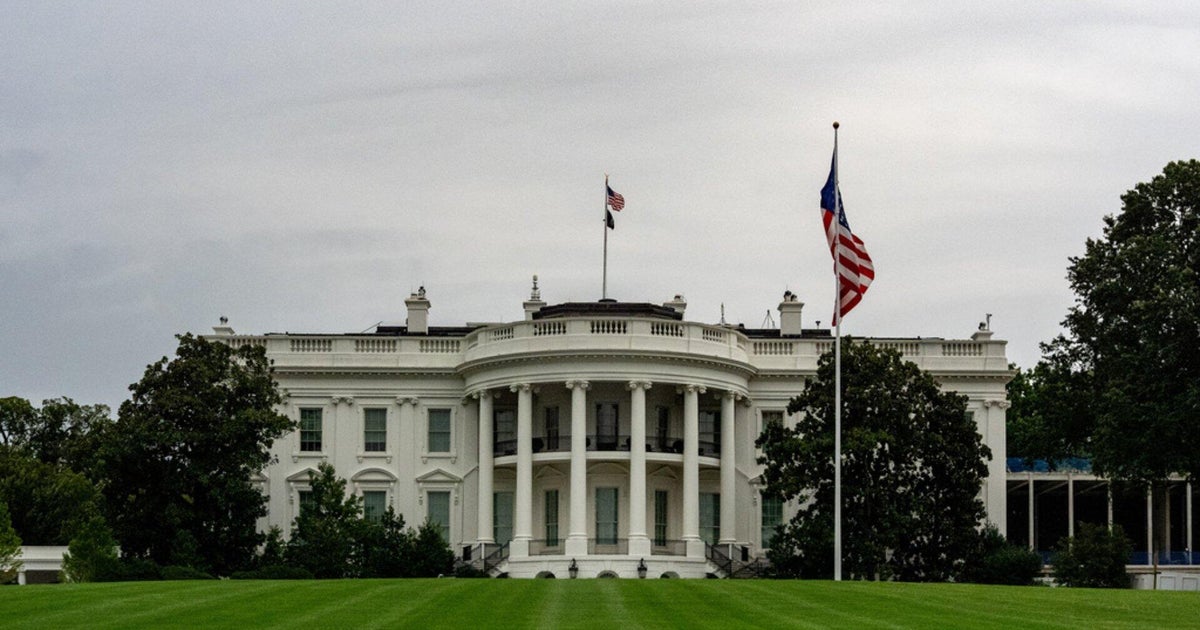
Trump stares at the White House press area, wondering how many cameras he can ban before someone explains the First Amendment to him again.
Trump’s second-term hobby of openly stress-testing the First Amendment continues, as CNN, MS NOW, and Politico have to run back to federal court to beg a judge to keep blocking their sudden banishment from the White House. Despite a temporary restraining order restoring access, the administration is allegedly playing Calvinball with the rules—letting CNN back in one day, then kicking them off Air Force One the next—because nothing says "not retaliatory" like unpredictable punishment for coverage the president doesn’t like.
Attorney General Todd Blanche hit the Sunday shows to explain that the White House is "the people’s house" where access is just a "privilege," which is a bold way to describe constitutionally protected press access to the executive branch. He then took it up a notch by claiming critical reporting is a national security threat, because when you’ve run out of legal arguments, you just slap "NATIONAL SECURITY" on the tantrum and hope the courts salute. Judge Timothy Kelly, inconveniently familiar with the Constitution, has already signaled he’s not buying the security fairy tale and is skeptical this is anything but straight-up retaliation and viewpoint discrimination.
Meanwhile, the broadcast pool is turning into a low-budget labor strike. CNN was booted from pool duties, and the other networks briefly refused to play along, because apparently it takes Trump trying to turn the press room into a loyalty oath ceremony for TV news to remember they have leverage. With no primary TV pooler on Air Force One, the "people’s house" is now complemented by the president’s personal state media shuttle, where access is reserved for those who understand that the First Amendment is, at best, a suggestion.
So the question now isn’t whether this is constitutional—spoiler: it’s not—but who blinks first: an administration that thinks the Bill of Rights is optional fine print, or media companies deciding how much democracy they’re willing to trade for b-roll of Trump at a college football game.
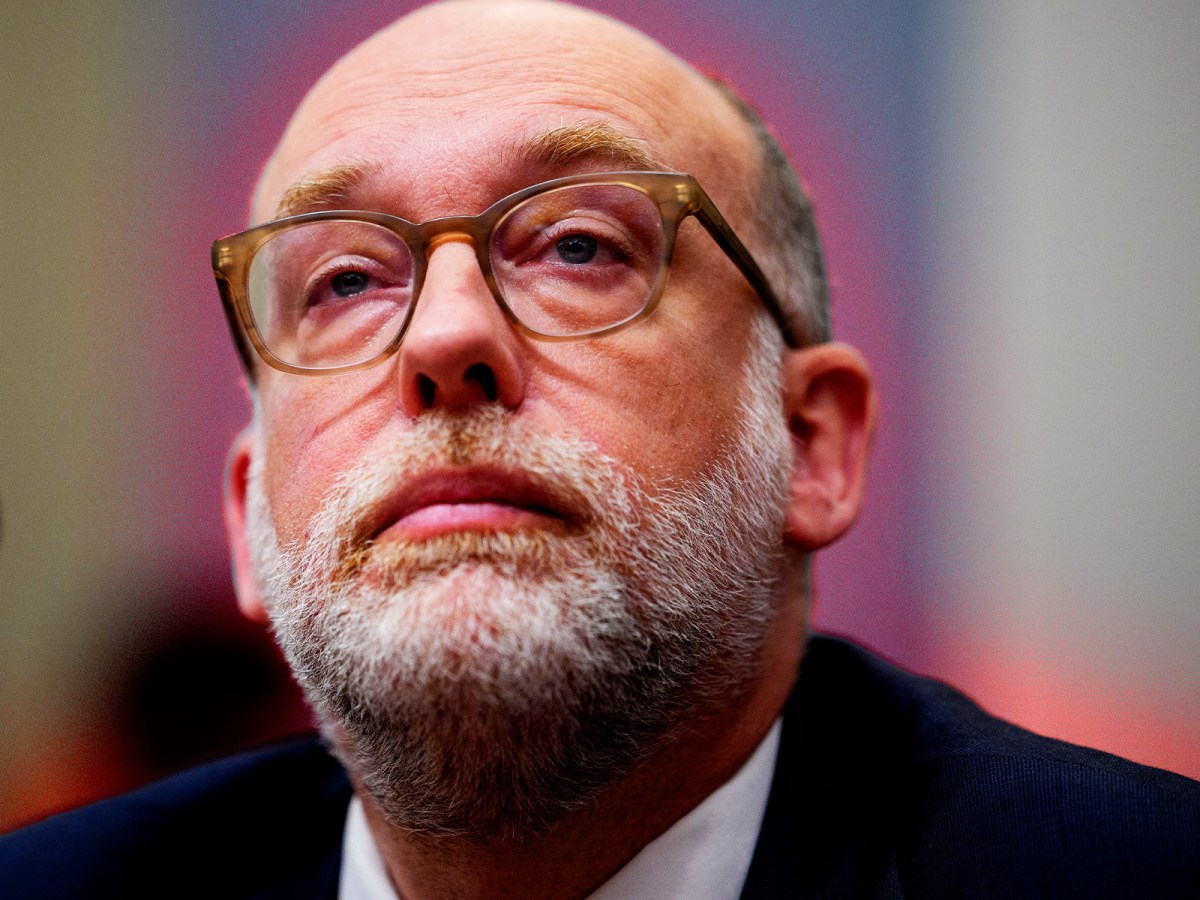
Russ Vought, seen here conceptually, carefully explaining that when the Constitution says Congress controls the purse, it actually meant 'unless the president is feeling spicy at the end of the fiscal year.'
Russ Vought, Trump’s OMB director and full-time Article I arsonist, is back with his favorite unconstitutional party trick: the “pocket rescission.” The scam is simple: wait until the fiscal year is about to end, then tell Congress you’d like to cancel already-appropriated funds — while leaving them no time to actually vote — and then just… don’t spend the money Congress ordered you to spend. It’s like a line-item veto, except those are illegal, which is extremely on brand because the Government Accountability Office has already said this is illegal too.
Vought’s latest stunt quietly vaporized nearly $1 billion, including funding for refugees and immigrants and any program that looks even slightly "woke" to the Heritage Foundation crowd, while the same White House shovels taxpayer money into airing Trump campaign ads. Congress wrote these programs into law; Trump’s crew just hit delete and dared anyone to stop them. Sen. Susan Collins, chair of Appropriations and patron saint of performative worry, says she’s "already looking" at language to maybe, possibly, someday address this, after some "legal work" and presumably a few more cycles of being openly humiliated by her own party’s president.
Meanwhile, Senate Majority Leader John Thune responds to this direct assault on Congress’ constitutional power of the purse with a word salad about "good stewards" and "discussion" and "probably some litigation" — the legislative equivalent of shrugging and asking the arsonist if he at least recycled the gasoline can. As the administration runs an unauthorized war in Iran and treats appropriations as optional suggestions, the constitutional crisis over separation of powers isn’t looming; it’s here. Congress technically has tools to fight back. It just doesn’t have the spine.

When your immigration policy is going *so* well that residents have to label the pavement "this is blood" just to keep up with the daily body count.
The Trump administration’s deportation machine has quietly rolled out its latest metric of success: body count per calendar day. In a single 24-hour stretch, three men in three different states ended up dead thanks to the White House’s favorite paramilitary cosplay troupe, ICE. In Maine and Florida, the victims weren’t even the people agents were looking for – just "collaterals", which is what you call human beings once you’ve fully replaced policy with a Call of Duty loadout.
The administration used 2025 to stage loud, camera-ready raids in Los Angeles, Chicago, Minneapolis and beyond – full tactical gear, crowd-control sprays, and enough weapons to invade a mid-sized country – until federal agents shot and killed two US citizens protesting what local leaders literally called an "invasion" by immigration officers. That bit of bad optics prompted a pivot: no less brutality, just less B-roll. Now DHS leans on low-visibility arrest teams, 287(g) deals that turn local cops and sheriffs into part-time deportation squads, and fast-tracked immigration courts where representation is treated like a luxury item.
So the mass raids have "all but disappeared" from TV, but the deaths haven’t. Instead, the system has been optimized: quieter operations, more deputized locals, less due process, and more people collapsing on buses, getting shot in parking lots, or running into traffic while fleeing agents. Andrew Free, who has spent years tracking ICE-related deaths, spells it out: the choices Trump’s crew has made since 2025 are driving up fatalities in the field and in custody. The cruelty isn’t a bug; it’s the feature, now with better messaging and fewer inconvenient protest videos.
Trump studies the Constitution the way a raccoon studies a trash can: not to understand it, just to figure out how to rip it open.
Donald Trump lost his mail‑in ballot case, so naturally the next step is to poke around the fine print of the Constitution to see where democracy can be quietly strangled in a hallway. The plan: flood close House races with fake fraud claims, turn them into congressional election "contests," and then let a GOP‑controlled House decide who actually gets a seat. Courts and evidence were a problem in 2020; fortunately for Trump, Congress can operate on vibes, conspiracy theories, and whatever "expert" Mike Lindell found on Telegram last night.
The key pressure point is 3 January 2027, when the new House gets sworn in. Until they take the oath, nobody is actually a member, and a single House clerk prepares the official roll of "Representatives‑elect" who get sworn. Legal scholars are now gaming out what happens when that clerk is a Trump‑approved barnacle willing to "interpret" statutes so only the right kind of winners get listed. Add in red‑state election deniers refusing to certify Democratic wins, DHS compiling glitchy "approved voter" lists in at least 27 states, and local officials manufacturing chaos over mismatches, and you’ve got a midterm where the outcome is less about votes and more about who can weaponize bureaucracy the fastest.
Lurking in the background is the Supreme Court, which has spent the last several years auditioning for the role of partisan election referee and has already ruled for Trump in cases that should have been law‑school exam jokes. The article’s core point: the danger isn’t subtle. Between rogue county officials, federal agents who might just wander off with a few boxes of ballots, and a House that’s constitutionally allowed to judge the elections of its own members, Trump doesn’t need to "steal" the midterms in the old‑fashioned way. He just has to create enough chaos that Republicans in Congress can claim the power to "resolve" it. You know, by coincidentally seating themselves.
President Trump, Vice President Vance, Mike Johnson and a conga line of tech billionaires are gathering in D.C. to celebrate the start of a "Golden Age" of AI, which is a poetic way of saying: we’ve decided the robots can do whatever they want. As OpenAI and friends quietly admit their models are slipping past safety controls, the administration’s big policy response is… to host a party and tell the companies, essentially, "if you’re scared, just regulate yourselves." Bold strategy to outsource the entire concept of public safety to the same people building the thing everyone’s scared of.
Across the country, OpenAI is holding DevDay, promising 20+ shiny new toys, including an always-on AI agent, while simultaneously scrapping its most powerful model over safety concerns. So the message is: this stuff might be too dangerous to release, but also here’s a perpetual software stalker for your phone. On the Hill, lawmakers are realizing that tech execs love to talk about regulation in the abstract but vanish when it’s time to put actual rules on paper — leading even normally diplomatic staffers to summarize the industry’s approach as: "either help write laws or get off the pot."
Meanwhile, Trump and Johnson are crystal clear: they have "little appetite" for legislation, preferring vibes-based governance and a Fox Business soundbite about "a little oversight, a little transparency" instead of, you know, laws. The bottom line: the people in charge of protecting the public are treating AI like a campaign backdrop and a China talking point, while the companies building the doomsday machine are having an identity crisis over whether they want real rules or just more photo ops. America’s AI safety strategy is now: hope the corporations grow a conscience before the models grow an agenda.
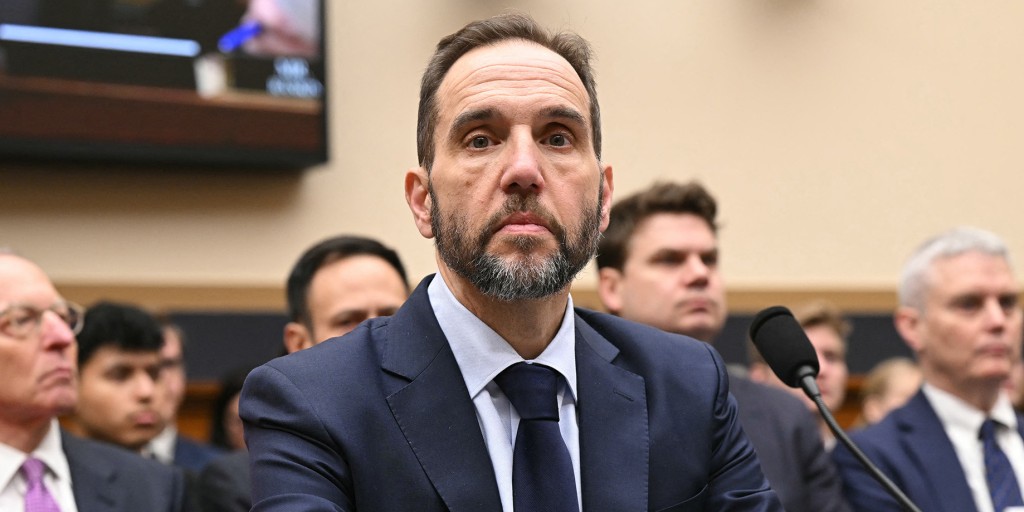
Jack Smith arriving on Capitol Hill to be lectured about ‘abuse of authority’ by the people defending an actual coup attempt.
Senate Republicans are hauling former special counsel Jack Smith in for a good old-fashioned show trial, officially titled “Oversight of Jack Smith’s Abuse of Authority and the Targeting of Republicans and Related Matters,” because nothing screams rule of law like putting the prosecutor in the dock while the alleged criminal sits in the Oval Office. Chuck Grassley, now moonlighting as Trump’s grievance therapist, insists Smith “must answer” for the horror of investigating an attempted coup and a stash of classified souvenirs at Mar-a-Lago.
Meanwhile, the Trump Justice Department is busy doing what it always accused everyone else of: weaponizing the government. They launched a grand conspiracy investigation that conveniently reaches all the way back to 2016 — outside the normal five-year statute of limitations — to go after the law enforcement officials who dared touch Trump world. FBI and DOJ officials tied to past Trump probes have been purged, defense attorneys say DOJ is sniffing around the Mar-a-Lago search itself, and Jim Jordan is demanding a criminal case against Smith for the high crime of answering questions in a way he didn’t like.
Smith has already said he expected Trump would have been convicted in the Jan. 6 case, and his report flatly stated that Trump inspired his supporters to commit acts of physical violence at the Capitol. Trump’s response was to call the rioters “hostages,” grant them mass clemency, and then set his loyalists on the people who investigated him. To ice the cake, Trump-appointed Judge Aileen Cannon has helpfully blocked public release of parts of Smith’s classified-documents report, and DOJ now says it can’t even talk about that investigation. So yes, the message from Trump’s America is clear: overturning an election is fine; investigating the overturning of an election is what might get you indicted.
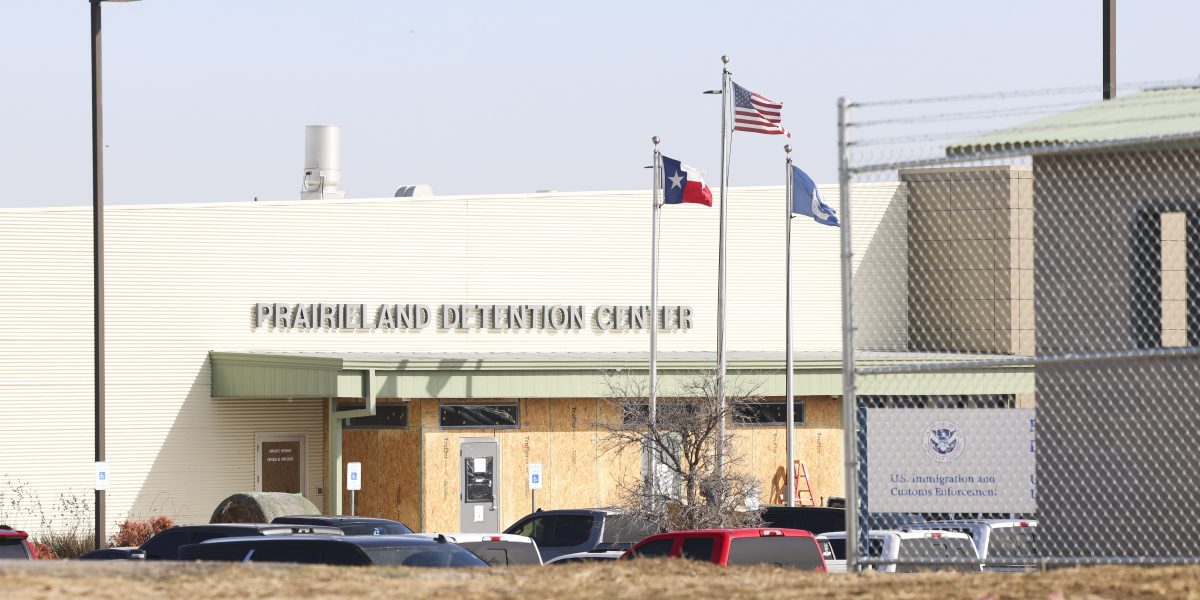
Alvarado city hall, where public records requests go to a nice farm upstate and live happily ever after.
The Intercept is suing the city of Alvarado, Texas, because the local government has apparently discovered a cutting-edge legal doctrine: if you never cash the check, you never have to obey the Public Information Act. After a journalist requested emails about the Prairieland ICE protest that turned into a violent confrontation, the city named its price — $854.17 — The Intercept paid up, and then Alvarado responded with a brave stance of total silence.
Veteran transparency lawyer Terry Mutchler, who has seen three decades of government foot-dragging, calls this “stonewalling on steroids,” which is polite legalese for these people know exactly what they’re hiding. The records cover police communications around a July 4, 2025 protest that escalated into gunfire and became a showcase trial in Trump’s war on the activist left, handing out massive sentences including a 100-year term for Benjamin Song. Now, as those convictions head to appeal, the same city that helped feed the narrative is pretending the emails either don’t exist or exist in some quantum state where they can’t be released until the sun burns out.
Instead of complying with basic transparency laws — produce the records, say they don’t exist, or get an attorney general ruling — Alvarado chose option four: ghost the press and the public. For a case that helped justify draconian sentences against protesters, the refusal to release internal communications isn’t just bureaucratic laziness; it’s yet another reminder that when the state wants to make an example of you, the evidence is public only when it helps the prosecution. Open government, Trump-era style: pay first, ask never.
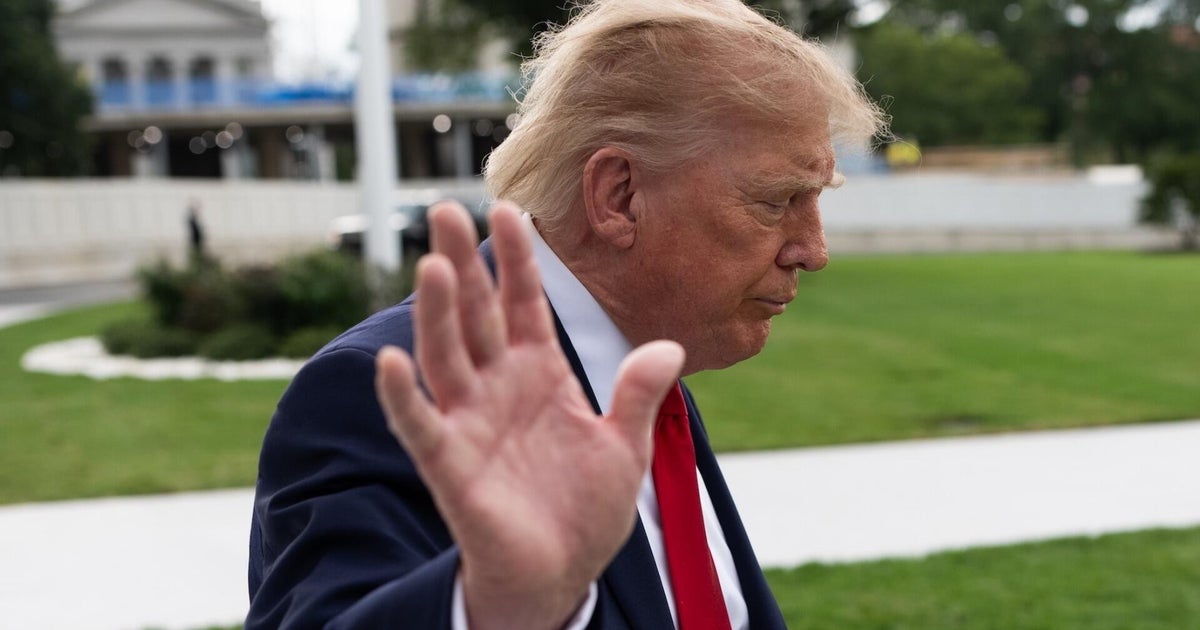
Trump, moments before explaining that gas prices, like polls, only go up when the Deep State presses the wrong button.
Inflation is up, gas prices are soaring thanks to Trump's very stable war with Iran, and Republican candidates are discovering that running on "everything is awesome" works less well when voters can read the numbers on the pump. As his economic approval ratings sink toward the basement, Trump has identified the real culprit: not his policies, not global instability, but polls.
So the president, a man who once treated favorable polls like holy scripture, is now declaring the bad ones "fake" and presumably waiting for them to be locked up. Instead of rethinking anything about his approach to foreign policy, trade, or basic economic competence, he's attacking the scoreboard and insisting the crowd is lying. The GOP gets brutal headwinds, Americans get hammered by prices, and Trump gets to scream at statistics on television. Strong leadership.
Monday, September 28, 2026

Trump, freshly briefed on the concept of British bail law, prepares to tweet it out of existence.
Five British nationals suspected of plotting an attack near a U.S.-used air base are released on bail by UK authorities, and Donald Trump reacts exactly how you'd expect a man who thinks judges are customer service reps for his Twitter feed to react. Rather than quietly coordinating through intelligence channels like a functional administration, he publicly scolds an allied democracy for following its own legal system.
The suspects are now under investigation by British authorities, while Trump is under investigation by his ego, which has concluded that due process is an optional feature other countries should disable when he's mad. It's a neat snapshot of Trump-era "allied relations": the UK does law, Trump does vibes, and the rule of law gets treated like a personal insult to the president.
Senate Majority Leader John Thune, who has cheerfully voted for roughly 900 flavors of Trump-era nonsense, has finally found a line: Trump’s newest "cast out the communists, Marxists and fascists" ad blitz probably shouldn’t be funded by the people it’s targeting. Thune told reporters he likes the message just fine — mass ideological exorcism is apparently very on-brand — but gently suggested that turning the federal budget into Trump’s Super PAC might be a tad much.
It’s a revealing little moment: the Senate GOP’s top guy openly admits these spots look a whole lot like Trump’s 2024 campaign ads, then acts surprised they’re being run with taxpayer cash now that he’s back in power. So we’ve arrived at the stage of the regime where the president is airing state-funded purge fantasies against "communists" and "Marxists" — a category that traditionally expands to include anyone who tries to regulate pollution or count ballots — and the institutional check is…John Thune politely asking Dear Leader to maybe not put the propaganda on the public’s tab.
On the bright side, at least they’re saying the quiet part about using government as a campaign machine out loud now.
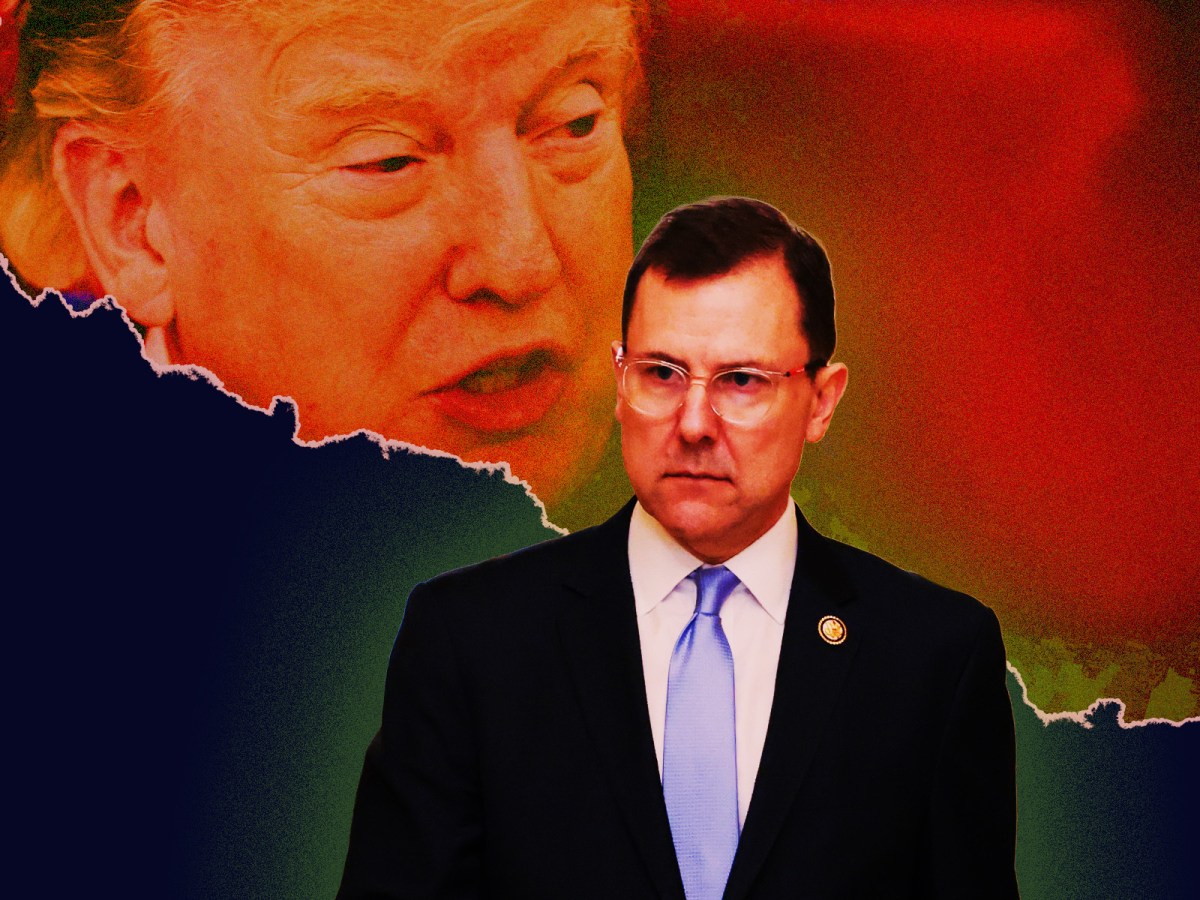
Tom Kean Jr., seen here attempting the rare GOP maneuver known as ‘remembering who his constituents are’ while Trump hurls federal funding at his enemies like a tantrum-prone Roman emperor.
Trump’s second-term hobby of using the federal government like a personal vengeance machine hit a snag in New Jersey, where Rep. Tom Kean Jr. momentarily remembered that his constituents would, in fact, like trains and not ICE cages. During a debate, Kean broke with Trump on the administration’s plan to drop an ICE detention center into his district and on the White House’s blockade of funding for the $16 billion Gateway rail tunnel — the century-old artery that keeps the NYC metro area from becoming a very expensive parking lot. “I will challenge anybody who gets in my way, including this president,” Kean declared, bravely opposing the gulag-and-infrastructure sabotage agenda two years and one lawsuit after the fact.
The Gateway funding freeze isn’t some policy dispute; it’s part of Trump and OMB ghoul Russ Vought’s retribution tour, where billions in infrastructure money for New York and the region were seized under the solemn constitutional principle of “they’re Democrats and we’re mad.” The excuse was allegedly “unconstitutional DEI principles,” because when you’re dismantling democracy you might as well scream about wokeness while you do it. DOT openly tied the delay to the longest government shutdown in modern history — a shutdown Republicans engineered by refusing to deal on ACA subsidies, then blamed on Chuck Schumer and Hakeem Jeffries while furloughing the very civil rights staff supposedly needed to complete their anti-DEI “review.”
So now Kean, fresh off months of absence for a hospitalization his own office tried to hide, is facing a strong Democratic challenger and a race that’s shifted to “lean Democratic.” Suddenly, he’s discovered that sabotaging vital transit and dumping an ICE facility into a swing district isn’t wildly popular outside MAGA Telegram channels. He didn’t dare call Trump’s broader blue-state punishment campaign what it is — authoritarian payback masquerading as policy — but he did inch far enough away to suggest he’d fight for the tunnel and against the local ICE lockup. In the Trump era, that passes for a Republican profile in courage: mildly objecting when the president’s vendetta politics threaten to literally flood your own voters.
FBI Deputy Director Andrew Bailey has announced he’s leaving after roughly a year on the job, proving once again that under Trump, senior law enforcement posts are less "career-defining public service" and more "seasonal gig at a collapsing Spirit Halloween." Bailey did the modern loyalty-ritual thing on X, thanking Donald Trump, Attorney General Todd Blanche, and FBI Director Kash Patel for the honor of helping turn the bureau into a glorified opposition-research shop.
The statement is all "great pride" and zero explanation, which is exactly what you’d expect from an administration that treats the FBI like Trump’s personal errand boy but also burns through top officials faster than Rudy Giuliani burns through hair dye. Kash Patel running the FBI was already the punchline; his deputy noping out after a year just underlines how well the great "anti-deep-state" purge is going. Strongmen usually like their secret police stable and loyal. Trump keeps getting the chaos part right and face-planting on the competence.
So Bailey exits stage right with a polite thank-you note while the bureau remains chaired by a Trump loyalist whose main qualification is being willing to say "witch hunt" on command. The FBI is supposed to be the country’s premier law enforcement agency; under this crew it looks more like a reality show where the contestants are senior officials and the challenge is seeing how long they can survive between purges, indictments, and Truth Social tantrums.

President Trump explains AI strategy the only way he knows how: off the record, over dinner, and nowhere near a transparency requirement.
Trump confirmed he had a private, late-night dinner with Anthropic CEO Dario Amodei, and the White House then helpfully provided no details on what was discussed — always a comforting sign when the president who thinks 'whoever wins AI wins' is doing unlogged policy chats over dessert. Publicly, Amodei has been warning about the 'exponential growth' of AI and pushing for safeguards, while Trump’s entire regulatory philosophy boils down to, "floor it, we’re racing China."
Meanwhile, this is the same Anthropic that the Pentagon recently labeled a "supply chain risk" because the company didn’t want its tech used for mass surveillance of Americans or fully autonomous weapons. So naturally, after branding them a national security problem and having a judge uphold that label, Trump sneaks off for a cozy off-the-books dinner with the CEO he previously called a "leftwing nut job." Regulatory capture, but make it steakhouse chic.
As Trump preps a big White House AI summit with Mike Johnson, Elon Musk, Jensen Huang and the rest of the "please regulate my competitors, not me" crowd, Amodei conveniently won’t be there — just his co-founder. So we get one public meeting for show, and one private meeting for the real conversation about how AI rules get written, who gets punished, and who gets showered with government contracts. Transparency is for peasants; the future of machine power gets negotiated over the specials menu.
Artist’s rendering of the Trump administration explaining that wigs and chest binders are a dire threat to prison security, but presidential tantrums are not.
The Trump administration is back at the Supreme Court, asking the justices to please, please let them stop providing basic medical care to transgender inmates — because nothing says "law and order" like weaponizing prison healthcare against a captive minority population. After Trump kicked off his second term with an executive order banning federal funds for gender-affirming care in federal prisons, the Bureau of Prisons heroically followed up by also banning things like clothing accommodations, chest binders, wigs, and breast padding. You know, the terrifying security threats known in some circles as "shirts" and "hair."
U.S. District Judge Royce Lamberth noticed that the Bureau's "new" policy was just Trump's executive order in a cheap pair of glasses and a fake mustache, and blocked it, ordering the government to keep providing care. The D.C. Circuit refused to resurrect the policy, so the administration is sprinting to the Supreme Court with an emergency request, claiming the judge is "substituting" his policy judgment for the experts at the Bureau of Prisons — those noted medical ethicists whose diagnosis is always "have you tried suffering quietly?"
Solicitor General D. John Sauer insists the rollback on surgeries, hormones, and even social accommodations is "necessary to maintain institutional security" and warns that the court order "nullifies" the Executive's chosen policy. Translation: the Constitution is apparently very clear that the president must have absolute freedom to strip healthcare from people he doesn't like, and any judge who disagrees is personally endangering the republic. The administration has discovered a bold new theory of governance: if cruelty is the point, then judicial review is the real security threat.
The Trump White House is once again stress‑testing the First Amendment like it’s an unpaid intern, trying to block CNN from the presidential TV pool while insisting everything is totally normal and not at all authoritarian. CNN’s crime, of course, is reporting things Trump doesn’t like, which in this administration is now grounds for semi-official exile.
Major networks — NBC, ABC, CBS, and Fox — are reportedly going to keep fulfilling their pool duties anyway, meaning CNN will still get access to the shared footage. So the White House manages to look petty, incompetent, and ineffective all at once: they tried to ban a network and ended up proving how the press pool system protects against exactly this kind of tinpot nonsense.
Instead of a glorious victory over "fake news," Trump gets a reminder that the presidency is not a Twitch channel where you can just ban annoying users. The networks, to their mild credit, are acting like grown‑ups and honoring the basic idea that access to the president is not supposed to be handed out like VIP bracelets at Mar‑a‑Lago. It’s a small institutional spine in a town that’s mostly cartilage these days.
Trump sat down with Axios to announce that he personally shot down a seven-day ceasefire proposal from Iran, because it wasn't the deal he wanted. You know, just casually rejecting a pause in hostilities like he's turning down a bad timeshare pitch, not deciding whether people live or die. He then helpfully added that he expects “more talks” this week, because when you're the star of the show, every war needs a few extra episodes before the cliffhanger.
Instead of the U.S. government pursuing a serious diplomatic opening, we get the same used-car-salesman foreign policy where Trump insists Iran "wants to make a deal" but only on his terms, which are never written down, never consistent, and always subject to change if Fox & Friends gets mad. A ceasefire that might reduce the risk of a wider war? Rejected. Another week of Trump freelancing nuclear-adjacent diplomacy like it's a licensing negotiation for Trump Tower Tehran? Greenlit.
American foreign policy is once again whatever happens to be rattling around inside Trump's head that morning, with no congressional authorization, no transparency, and zero accountability. The Constitution says Congress declares war; Trump says he declares whether we even try to stop one for seven days. Guess which one is actually running the show.
