imperialism
trump’s big iran idea: war crimes but make it maritime
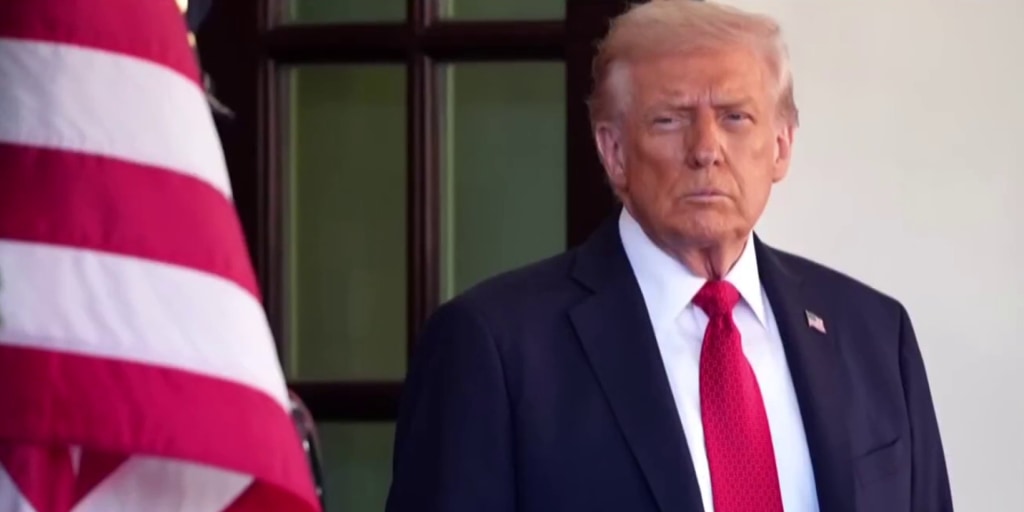
A retired four-star general patiently explaining that bombing drinking water and seizing foreign islands is not, in fact, 4-D chess—just regular old illegal and stupid.
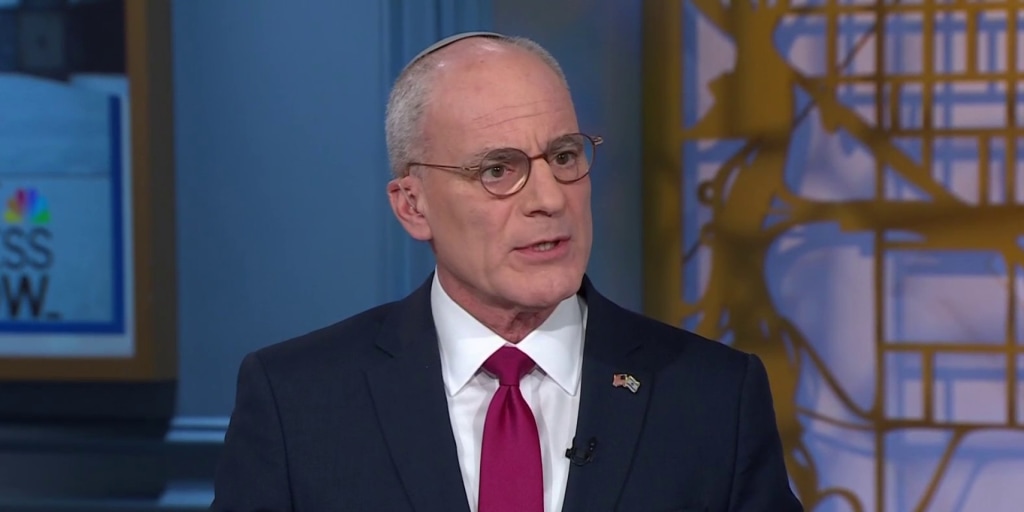
On Meet the Press, a retired four-star general had the unenviable job of explaining that, actually, turning off an entire country’s water by bombing its desalination plants is bad — strategically, morally, and under that pesky thing called international law. The fact that this needs to be said on national television tells you everything about where Trump-world’s foreign policy brain trust is right now: somewhere between a Call of Duty lobby and a war crimes tribunal.
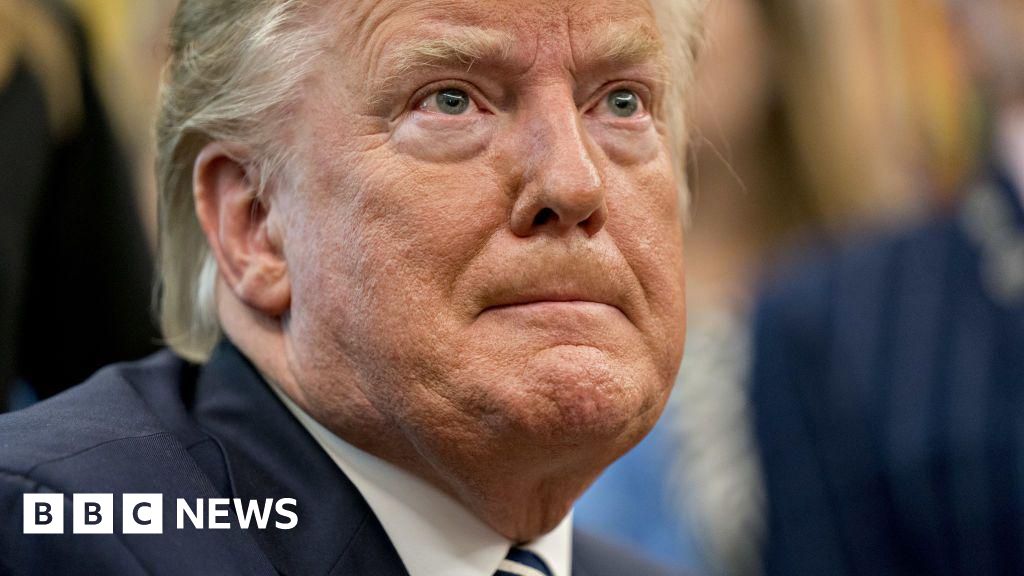
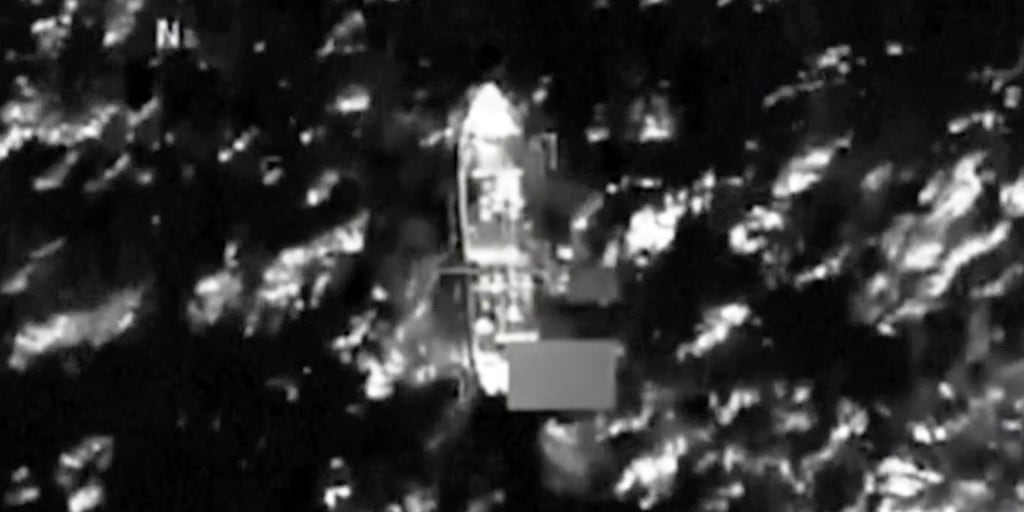
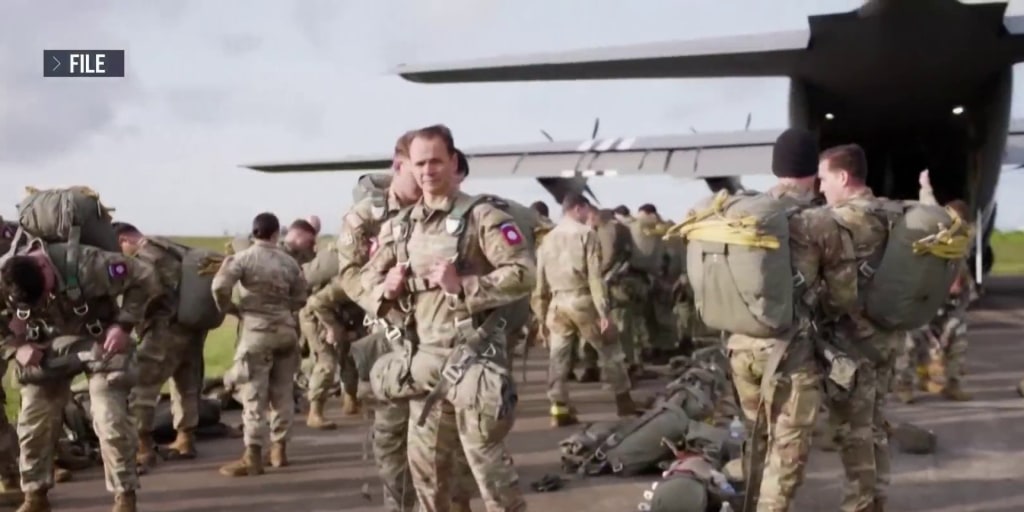
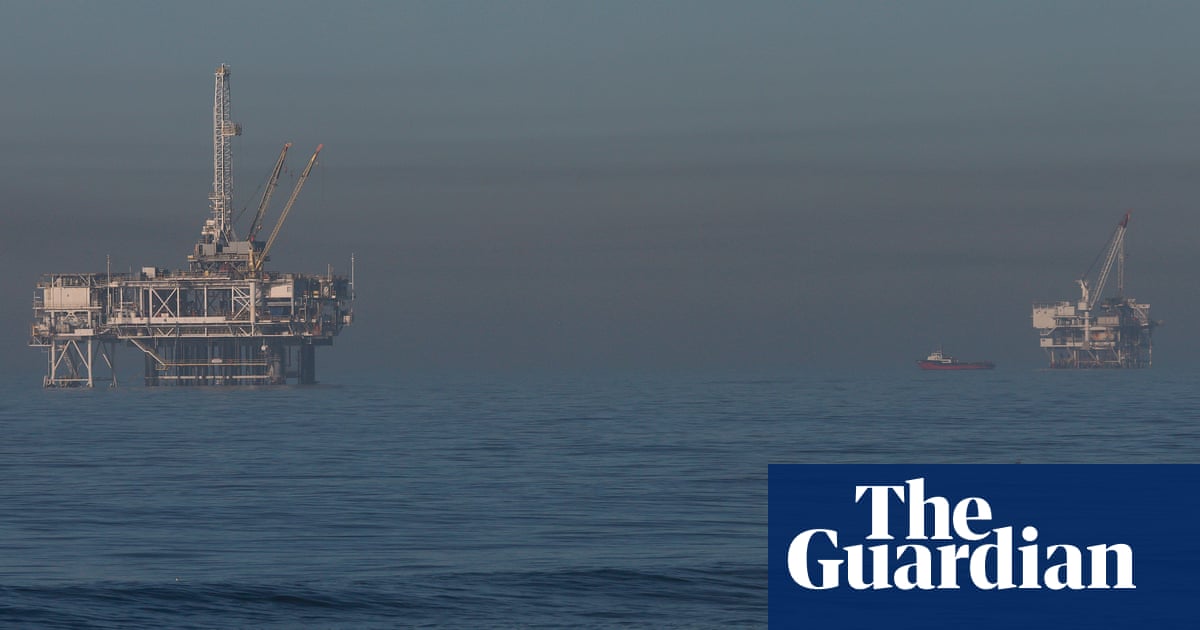
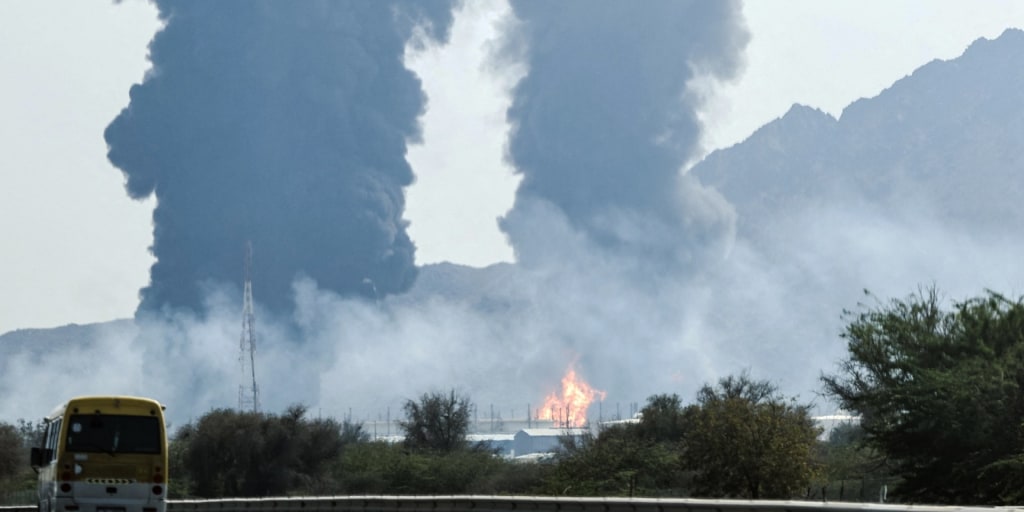
As NBC notes, Trump is also toying with the idea of seizing Iran’s Kharg Island, a vital oil export hub, which experts politely describe as a “very dangerous endeavor” instead of the more accurate “congratulations, you just started a shooting war in the Gulf.” So we’ve got a former president fantasizing about grabbing foreign territory and targeting civilian water infrastructure, while the grown-ups in uniform go on TV to gently remind everyone that collective punishment and territorial seizures are the kind of thing we supposedly oppose when Russia does it. American leadership now consists of retired generals doing damage control on Sunday shows while Trump tests how many Geneva Conventions you can violate in a single brainstorm.
As NBC notes, Trump is also toying with the idea of seizing Iran’s Kharg Island, a vital oil export hub, which experts politely describe as a “very dangerous endeavor” instead of the more accurate “congratulations, you just started a shooting war in the Gulf.” So we’ve got a former president fantasizing about grabbing foreign territory and targeting civilian water infrastructure, while the grown-ups in uniform go on TV to gently remind everyone that collective punishment and territorial seizures are the kind of thing we supposedly oppose when Russia does it. American leadership now consists of retired generals doing damage control on Sunday shows while Trump tests how many Geneva Conventions you can violate in a single brainstorm.
nbcnews.comSource ArticleAlso: bbc.comAlso: theguardian.com
#imperialism#lawlessness#national-security