trump frees sacred land from the tyranny of not being strip-mined
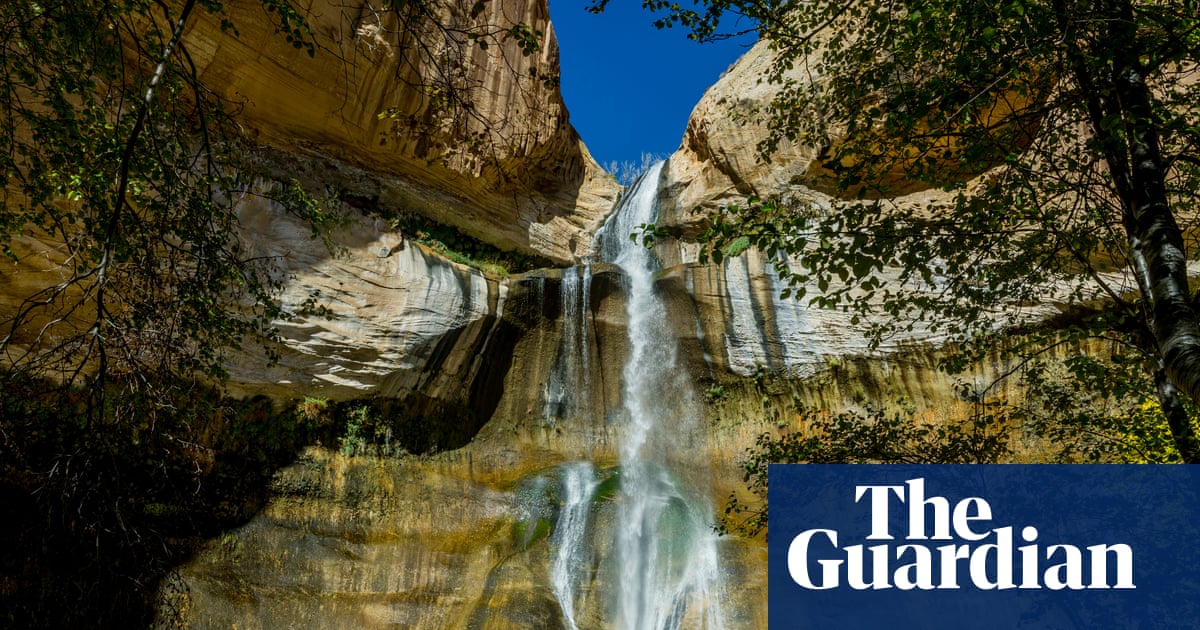
Bears Ears National Monument, seen here moments before being reclassified as an aspiring open-pit mine.
Documenting the chaos since day one — one awful day at a time.

Bears Ears National Monument, seen here moments before being reclassified as an aspiring open-pit mine.

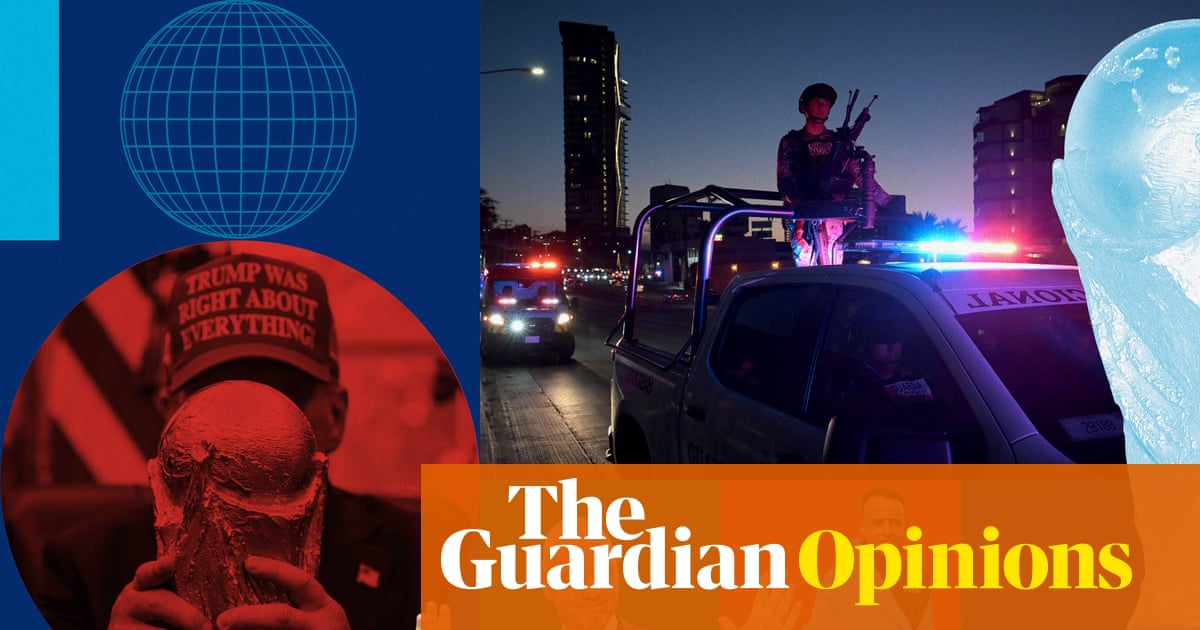
DEA chief Terrance C. Cole explains that when Trump says "law and order," he means "order Mexico to do what we say or enjoy your sanctions."

Cargo ships patiently waiting to find out which superpower’s tantrum will determine whether they move or explode today.

Smiles all around as U.S. officials and an indicted strongman with a $25 million price on his head share a friendly chat about stability, mining, and how laws are for other people.

Jeff Landry in Nuuk, helpfully explaining that his mission is to "make Greenland a part of the US" — because nothing reassures a small Arctic democracy like a guy from Louisiana announcing he’s there to annex it on live TV.

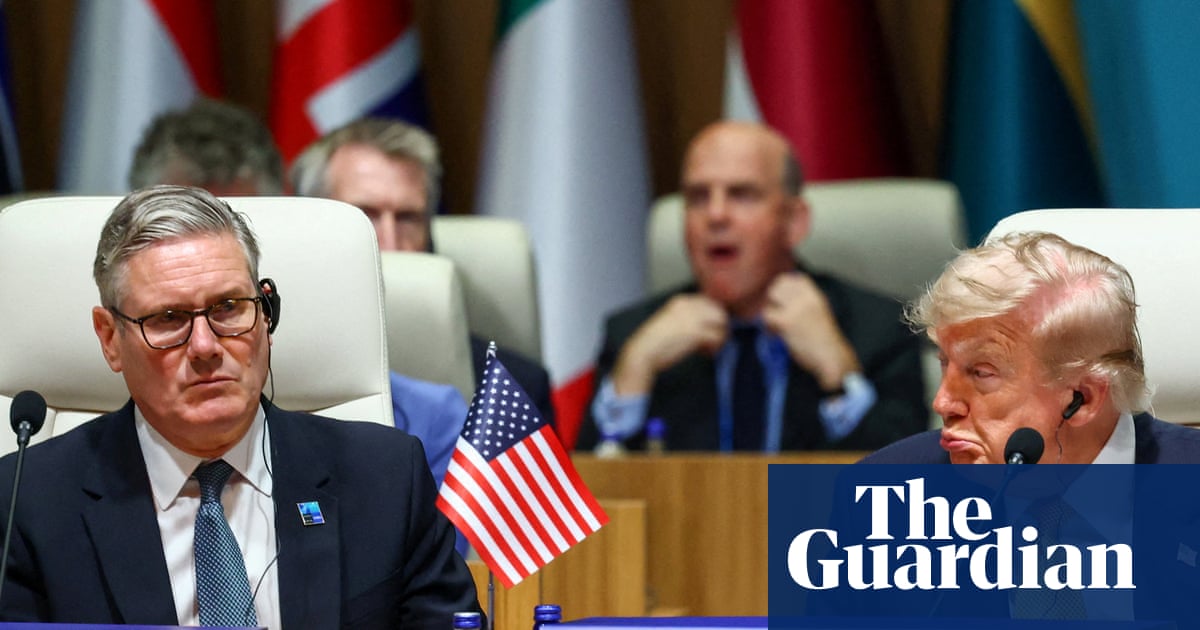
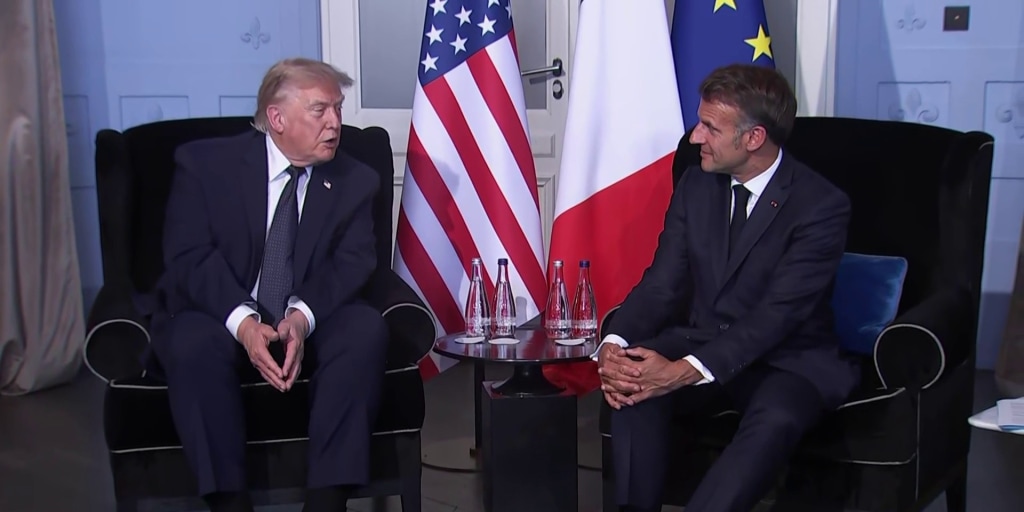
NATO leaders politely applauding as Erdogan hands them engraved revolvers, while Trump waves a spending chart like a waiter upselling the most expensive bottle on the menu.

Trump, pausing his NATO cosplay long enough to sign off on another round of Middle East fireworks, while Mark Rutte wonders if Article 5 covers protection from your own ally’s president.
A tanker near the Strait of Hormuz, bravely serving as collateral damage in Washington’s latest episode of ‘Sanctions & Airstrikes: The Energy Markets Reboot.’

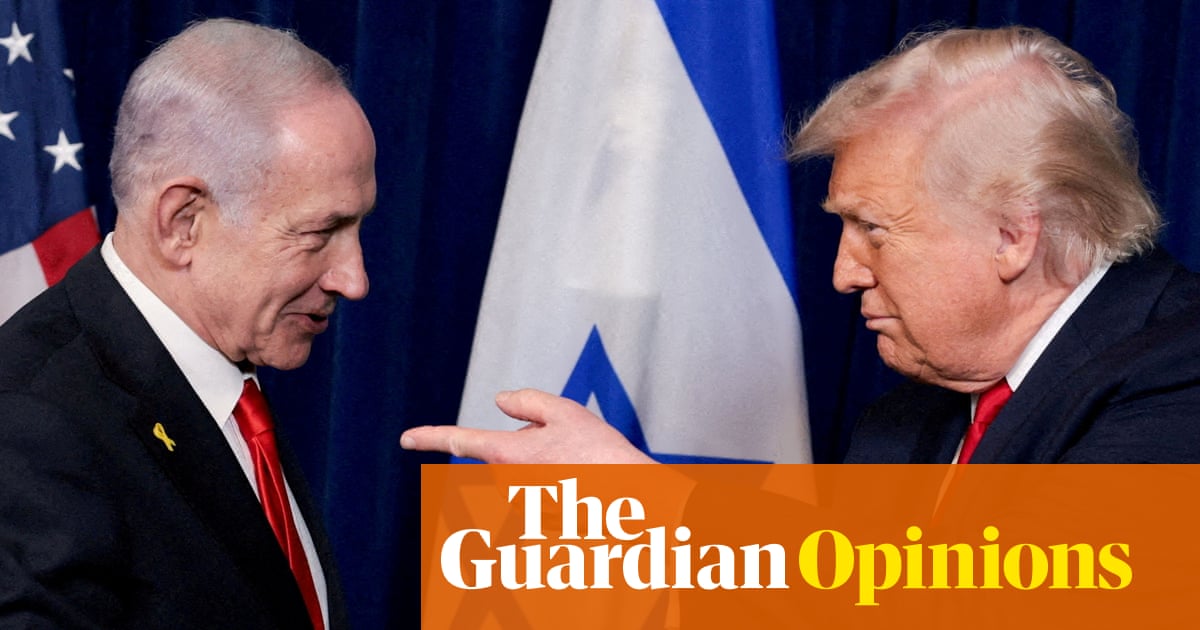
Netanyahu, between airstrikes, eagerly refreshing his phone to see if Trump has finally liked his request for a meeting.

Donald Trump, bravely accelerating the clean energy transition the only way he knows how: by turning a vital oil chokepoint into a live-action traffic accident.
The planet is currently running a double feature: a real-time climate horror film where Europe cooks under a lethal heatwave and infrastructure melts like a Republican’s spine when asked to stand up to Trump, and a deeply cursed feelgood side plot where Donald J. Trump accidentally nudges the world off fossil fuels by screwing up yet another military adventure.
Trump’s bungled attack on Iran with Israel has helped choke off the Strait of Hormuz, blocking roughly 20% of the world’s oil and gas supply. The genius result: governments are suddenly rediscovering that maybe depending on volatile petro-dictators and a maritime chokepoint for basic civilization fuel is not a brilliant long-term strategy. So while some scramble back to dirtier fuels in the short term, a lot of serious people are now talking about speeding up renewables and electrification in the name of energy security and lower costs — the kind of conversation they should have had years ago, but apparently it took Trump playing geopolitics like a drunk guy speedrunning Risk to get there.
Meanwhile, renewables are doing the thing the fossil lobby swore was impossible without grid collapse and communism. Solar, wind, and hydro have already overtaken coal as the leading source of global electricity, non-fossil power is at 42%, solar is exploding, battery storage is rocketing up, and countries like Pakistan are cancelling LNG imports because solar is just cheaper and less of a hostage situation. So yes, the climate horror story is very real — thousands dead from heat, nuclear plants shutting down because rivers are too hot, and a future that looks like a sweaty dystopia. But the accidental hero subplot is pure Trump era: the man tried to project strength, almost triggered an energy crisis, and may end up remembered as the guy who finally made oil look so dangerous and stupid that the world sprinted for the exits.

Iran’s foreign minister explains, with a straight face, how exchanging missiles with U.S. allies is totally compatible with Trump’s ‘historic’ peace memorandum.
The much-hyped Trump–Iran "memorandum of understanding" is aging about as well as a Trump casino. Hours after fresh U.S. strikes on Iranian targets, Iran’s Revolutionary Guard returned the favor with drones and ballistic missiles aimed at Bahrain and Kuwait, because nothing says "durable ceasefire" like everyone immediately bombing each other again.
The deal Trump bragged about earlier this month was supposed to freeze tensions for 60 days while they sorted out tiny details like the U.S. blockade of Iranian ports, shipping in the Strait of Hormuz, sanctions relief, and Iran’s stockpile of highly enriched uranium. Instead, Kuwait is shooting down Iranian missiles, Bahrain has an eight-story residential building blown open near its international airport, and diplomats are standing in front of microphones insisting this is all fine and normal.
Bahrain’s Foreign Ministry called the Iranian attack a “dangerous escalation” and a “systematic pattern of repeated aggression,” which is diplomatic-speak for "this ceasefire is a joke and we all know who handed Iran the match and the gasoline." Meanwhile, Trump’s team gets to keep pretending that lurching between blockade, airstrikes, and photo-op agreements is some kind of genius strategy, rather than the world’s most expensive temper tantrum in the world’s most sensitive shipping lane.

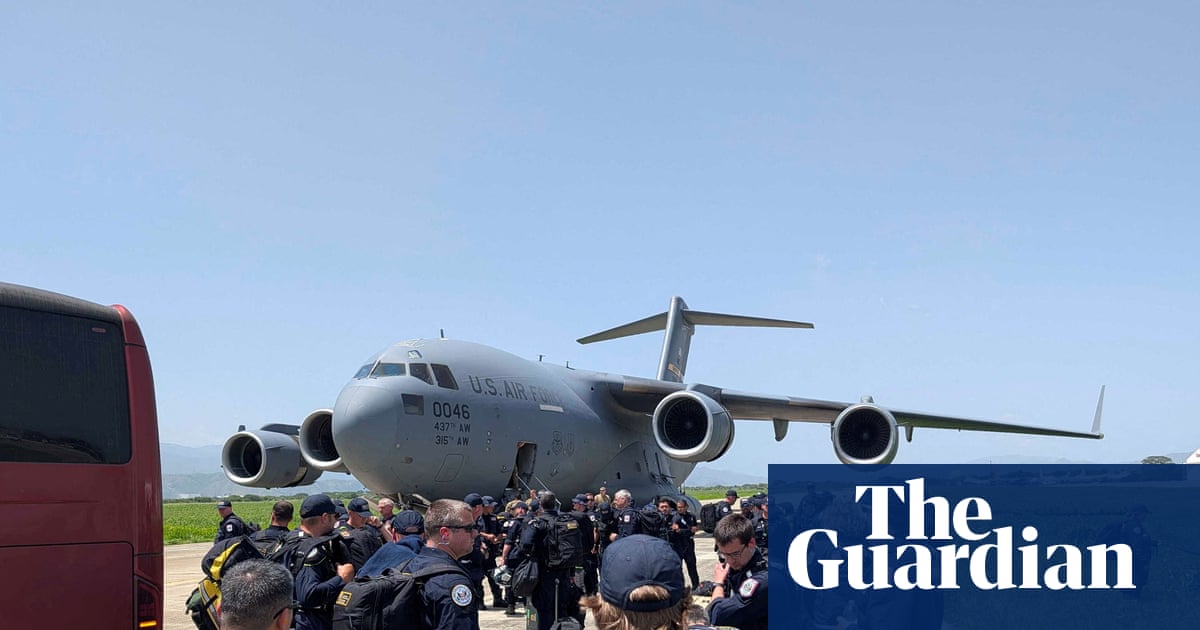
Marco Rubio announces a ‘big, fast, effective’ response to Venezuela’s earthquakes, bravely attempting to reinvent USAID from the smoking crater where the administration left it.
The Trump administration just got its first big test of the "who needs professionals when you have vibes" doctrine. After literally kidnapping Nicolás Maduro in a January special forces raid and installing a more compliant Delcy Rodríguez, Trump and Secretary of State Marco Rubio are now trying to run a massive disaster response in Venezuela without the US Agency for International Development, which they helpfully gutted and folded into the State Department. Thousands of experienced aid workers? Laid off. Regional networks and NGO relationships? Shredded. But don’t worry, Marco says it’ll be "big, fast, effective" – like a used car ad, but for earthquake relief.
Trump is busy congratulating himself for this "happy country" where people are supposedly "dancing in the streets" between aftershocks and mass casualties, proudly noting that the US has "taken out millions of barrels of oil" and "paid for the war many times over." So yes, the official line is: we toppled your government, siphoned your oil, and now that 920+ people are dead in earthquakes, we’re generously sending $150m in disaster aid and some search-and-rescue teams so the interim regime we like doesn’t collapse on live TV. This isn’t humanitarian assistance; it’s a loyalty rewards program for compliant governments, with the State Department cosplaying USAID because Trump decided multilateral health cooperation and professional disaster infrastructure were for losers.
Experts politely point out that the US has already blown previous crises by torching international partnerships – like the Ebola outbreak the US learned about late after ditching the WHO – and that the old USAID mission in Colombia went from 144 staff to 14, taking decades of local ties down with it. Now the same hollowed-out apparatus is trying to manage a Haiti-level disaster while the White House frantically overcompensates to avoid another paper-towel-throwing moment. The administration calls it a "whole-of-government" response; everyone else recognizes it as a live-fire demonstration of how you turn a humanitarian tool into an extension of regime-change policy and oil accounting.

Trump, fresh off calling Netanyahu “fucking crazy,” continues to ship him all the bombs needed to prove the point.
JD Vance shuffled into the White House briefing room and did a rare thing for a Republican: he mildly scolded Israel. The vice-president reminded everyone that two-thirds of the missiles keeping Israel afloat in the US–Israeli war on Iran were bought with American tax dollars, then gently suggested that maybe – just maybe – Benjamin Netanyahu shouldn’t spend his days knifing the only sugar daddy he has left. This is what passes for a rupture in the Trump era: the guy running a regional war machine complains his subcontractor is being rude about it.
Trump, for his part, has been leaking to every reporter with a pulse that Bibi is “fucking crazy” and has “no fucking judgment” – bold words from the man who let Netanyahu talk him into a catastrophic war on Iran that tanked the global economy, shut the Strait of Hormuz, and set half the Middle East on fire. After years of shoveling tens of billions in unconditional aid and weapons to Israel as it leveled Gaza, bombed Lebanon, Syria, Yemen, Qatar and Iran, Trump now claims he “calls all the shots” while still refusing to do the one thing that would prove it: turn off the weapons spigot.
The result is pure Trump-era foreign policy: US intelligence is warning that Netanyahu will likely sabotage the new Iran peace talks, Iran is threatening to walk and re-close Hormuz unless Israel stops its rampage in Lebanon, and Israel is busy testing how much ethnic cleansing it can get away with under the label “security zone.” After a joint US–Israeli attack killed Iran’s supreme leader, Hezbollah fired rockets, Israel invaded southern Lebanon, displaced over a million people, and then commemorated an April ceasefire by launching “Operation Eternal Darkness” – a ten-minute bombing spree across Lebanon that killed at least 350 people and injured 1,200.
Western leaders, including Trump, responded to Israel’s open promise to apply the “Gaza model” to Lebanon – mass displacement, flattening homes, schools, hospitals, and then occupying the rubble – with their usual steely resolve: a few sternly worded shrugs. Now Trump needs a deal with Tehran so he can declare victory and pretend the Iran adventure was 57-dimensional chess instead of a geopolitical faceplant. But he’s still too addicted to being Israel’s arms dealer-in-chief to actually restrain Netanyahu. The peace talks aren’t a test of statesmanship; they’re a test of whether Trump cares more about avoiding a global recession or upsetting the guy he just called “fucking crazy.” Place your bets.

Fishermen cast lines from the shore while a few thousand yards away the world economy sits at anchor, waiting for Donald Trump’s foreign policy to finish playing Minesweeper on expert mode.

Trump explains that the Strait of Hormuz will reopen right after he personally moves all the ships with his mind.

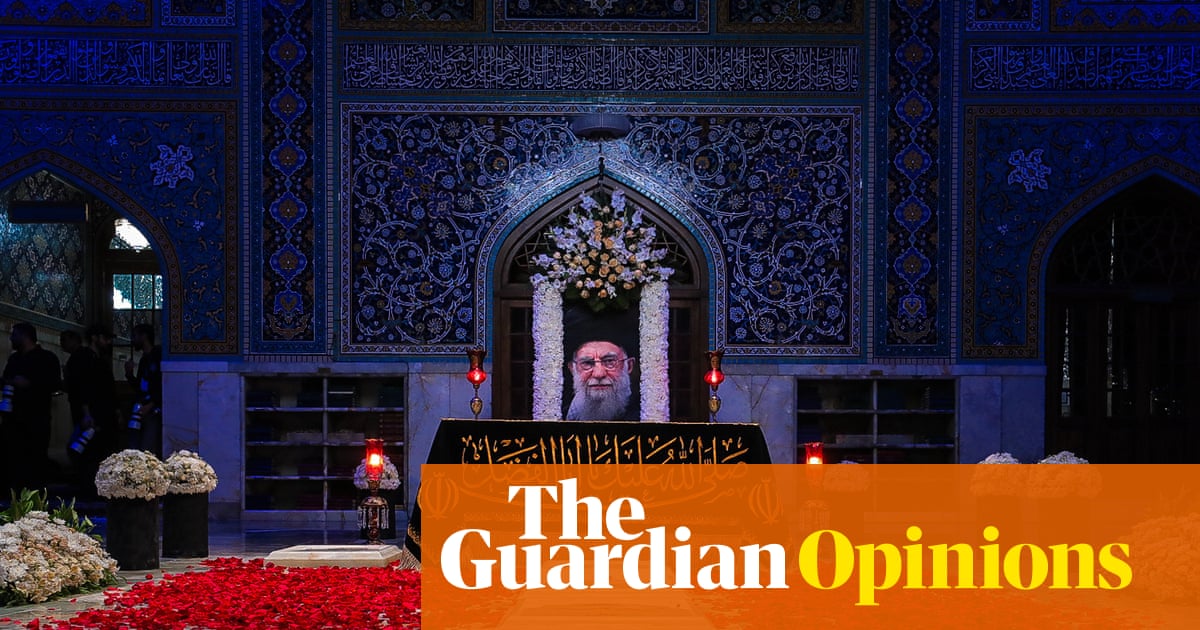
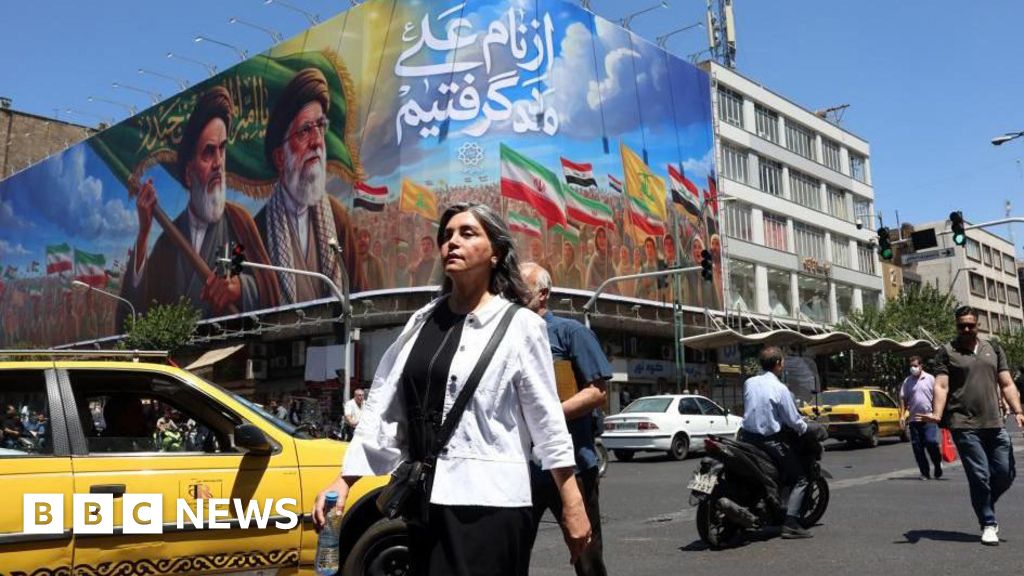
Billboard of dead Iranian leaders oversees the living reminder that Trump’s "short, sharp" war mainly assassinated restraint and common sense.
Donald Trump has finally "ended" his catastrophic Iran adventure, a war he and Benjamin Netanyahu kicked off while US and Iranian negotiators were literally at the table in Geneva. Because nothing says "good faith diplomacy" like secretly programming missile targets while your envoys talk about nuclear safeguards. The opening salvo: Israel assassinates Ayatollah Ali Khamenei, the US flattens a school in Minab, killing more than 150 civilians — at least 120 of them girls under 12 — and Trump calls it strength. Multiple investigations later, it turns out the only thing they decisively destroyed was whatever was left of America's moral standing.
Instead of the quick, triumphant regime change fantasy Trump and Netanyahu bragged about in their video speeches, Iran's government did that inconvenient thing where it survives. Khamenei is replaced by his son Mojtaba and a new generation of IRGC hardliners who are just as ideological and less cautious — so, stellar work all around. Tehran shuts the Strait of Hormuz, hits US bases and Arab neighbours, and suddenly the "short, sharp" war becomes a long, humiliating tutorial on the limits of US power. Defence Secretary Pete Hegseth blusters that American might has crippled Iran, while Iran methodically chokes 20% of the world’s oil and gas, fertilizer supply chains, and with them food security for millions, especially in sub-Saharan Africa. Totally normal foreign policy: launch a war, spike global hunger.
Now, after burning through "hard-to-replace" weapons stocks and torching US credibility with Gulf monarchies who are quietly shopping for new patrons, Trump is selling a two-page, 14-point memorandum of understanding as some grand statesmanlike achievement. The deal reopens Hormuz, lifts the US naval blockade of Iranian ports, and extends the ceasefire — i.e., it returns the world to exactly where it was 24 hours before Trump and Netanyahu decided to play regime-change roulette. All the real issues — Iran’s nuclear programme, sanctions relief, long-term security — are punted to future talks that could have just… continued on 27 February without the dead children, wrecked homes, and shattered alliances.
Israel, full partner in the war, is now sidelined from the deal and furious, while Iran’s regime is more entrenched than before. The US looks weaker, more reckless, and less reliable to its allies, and China has spent months watching Washington bleed credibility and munitions in real time. Trump’s big strategic masterstroke managed to kill a lot of civilians, empower hardliners in Tehran, destabilize the global economy, and end in a humiliating climbdown back to the status quo ante. But sure, tell us again how "peace through strength" is going.

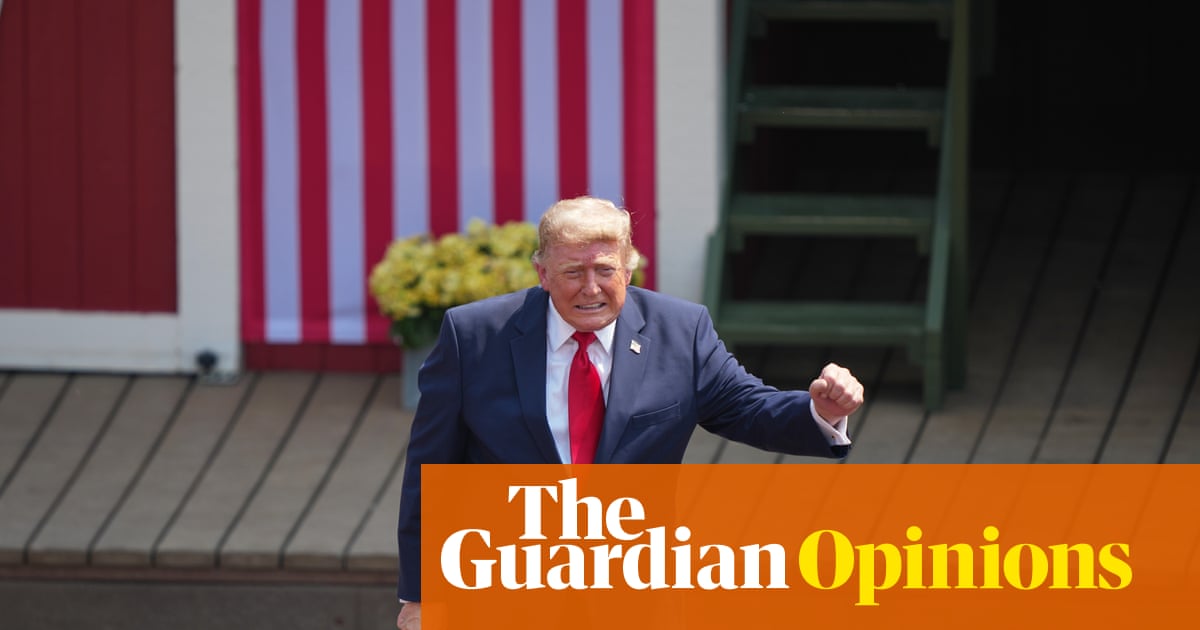
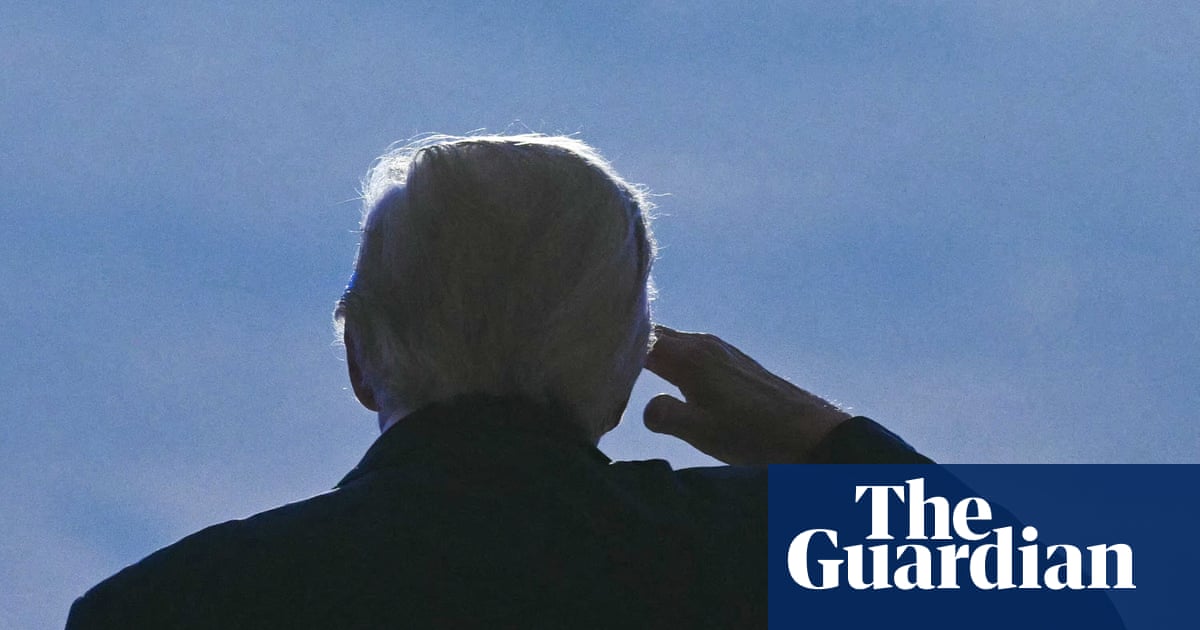
JD Vance, auditioning for 2028 while standing in the warm glow of a war his boss just sort-of-un-started.

Artist’s impression of European digital sovereignty: a EU flag sticker carefully placed over an Amazon Web Services logo.
European judge Beti Hohler woke up one day to discover that the Trump administration had basically Thanos-snapped her digital life out of existence: Apple, Amazon, Visa, Mastercard, PayPal – all gone, not because she committed a crime, but because she had the audacity to serve as a judge at the International Criminal Court. Turns out in Trump’s America, your access to basic digital infrastructure is contingent on whether Washington likes your job description. Rule of law, but make it Terms of Service.
This is the same administration that cheers Elon Musk using X and Starlink as his personal foreign policy cosplay, leans on Anthropic to wall off advanced AI from foreigners, and openly talks about "cultivating resistance" inside Europe while sitting on the continent’s cloud, chips, and platforms. Europe’s big response? A "sovereignty package" that bravely declares it will sometimes, in very specific circumstances, consider the possibility of maybe not handing the most sensitive public data directly to Amazon and Microsoft – unless, of course, individual member states decide they’d rather not upset the White House or spook the investment fairy.
Brussels then completes the magic trick by adopting Washington’s own AI gospel: more, faster, bigger, screw the consequences. The Commission is racing to triple data centre capacity, bulldozing environmental and planning safeguards to create "datacentre acceleration zones" that just happen to be perfectly designed for the same US hyperscalers they claim to be weaning themselves off. Digital "sovereignty" apparently means asking Silicon Valley to colonise your grid and water supply slightly more quickly, but with European branding.
The result is a continent that talks about independence while still reading off the Silicon Valley cue cards that Trump’s people are happily weaponising. The administration gets to treat tech infrastructure like a sanctions joystick and a surveillance playground, while Europe debates what colour its handcuffs should be. Geopolitical vassalage, now available in cloud-native format.

A small motorboat in the Strait of Hormuz, bravely attempting to navigate around Trump's ego, a U.S. naval blockade, and tonight's on-again-off-again airstrikes.
Trump spent Thursday doing his favorite presidential cosplay: God of War, Prince of Peace, and Twitter Addict all at once. In the morning, he promised the U.S. would hit Iran "VERY HARD TONIGHT" and mused on Fox News about seizing Kharg Island, a key Iranian oil hub that also happens to come with a high risk of U.S. casualties. In the afternoon, he jumped on Truth Social to announce he had personally canceled the evening's strikes because a peace "Transaction" with Iran is apparently almost done and awaiting a glamorous signing, "maybe in Europe." So yes, the war is on, off, and a branding opportunity, all before dinner.
The naval blockade of Iran? That stays, of course — Trump says it will "remain in full force and effect" until his mystery deal is finalized, because nothing says "good-faith diplomacy" like strangling a country's economy while threatening to steal its oil. Asked if they actually have a nuclear agreement, he offered the extremely reassuring "yes, conceptually," which is what you say when you’ve got vibes, not terms. As a Syracuse professor politely translated, he's trying to "manufacture reality" he can’t control, which is a nice academic way of saying the president is live‑tweeting foreign policy fan fiction while inflation spikes and his poll numbers crater.
So the "strategy" is: threaten a dangerous attack, float a plan to occupy a strategic oil island because "America" might not have the "stomach" for it, then abruptly cancel everything and declare peace is basically here already, folks, just wait for the big reveal. It’s less diplomacy and more late‑night infomercial: act now and you, too, can get war, blockade, and a totally real peace deal conceptually included at no extra charge.

Donald Trump beaming with the World Cup trophy, presumably moments before asking if it can be used as a sanctions tool.