trump tries regime change with a spreadsheet
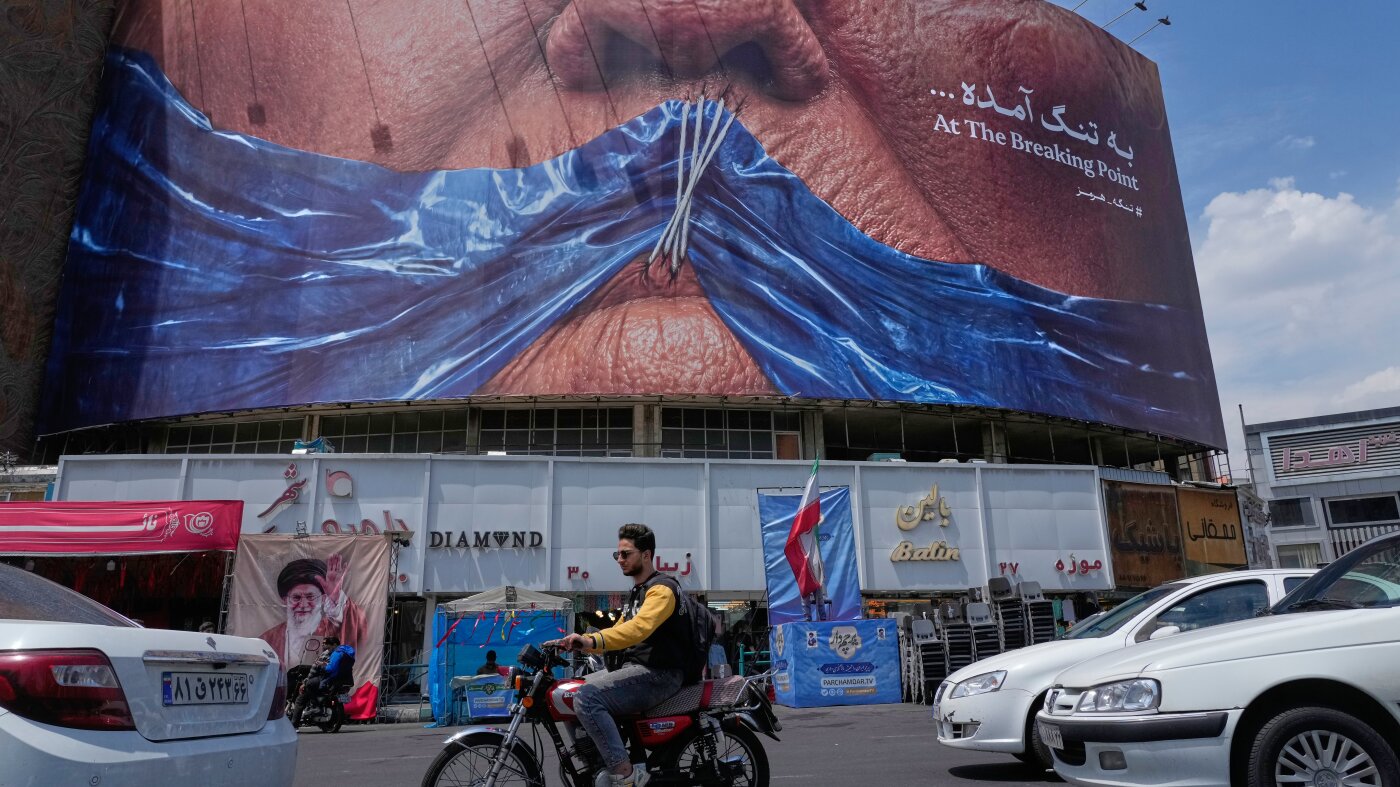
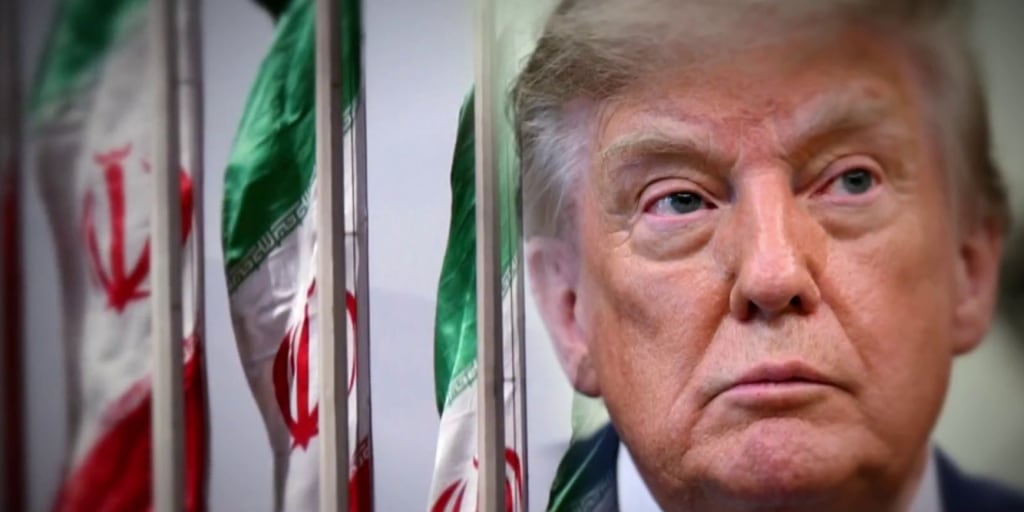
Tehran drivers pass a billboard showing Trump with his mouth sewn shut, a bold artistic choice that U.S. foreign policy planners should really consider adopting as an actual strategy.
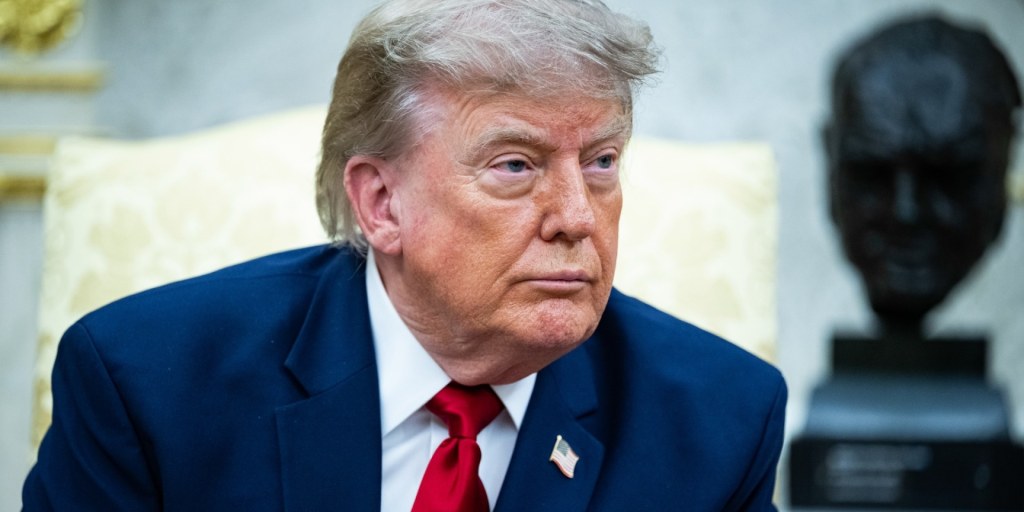
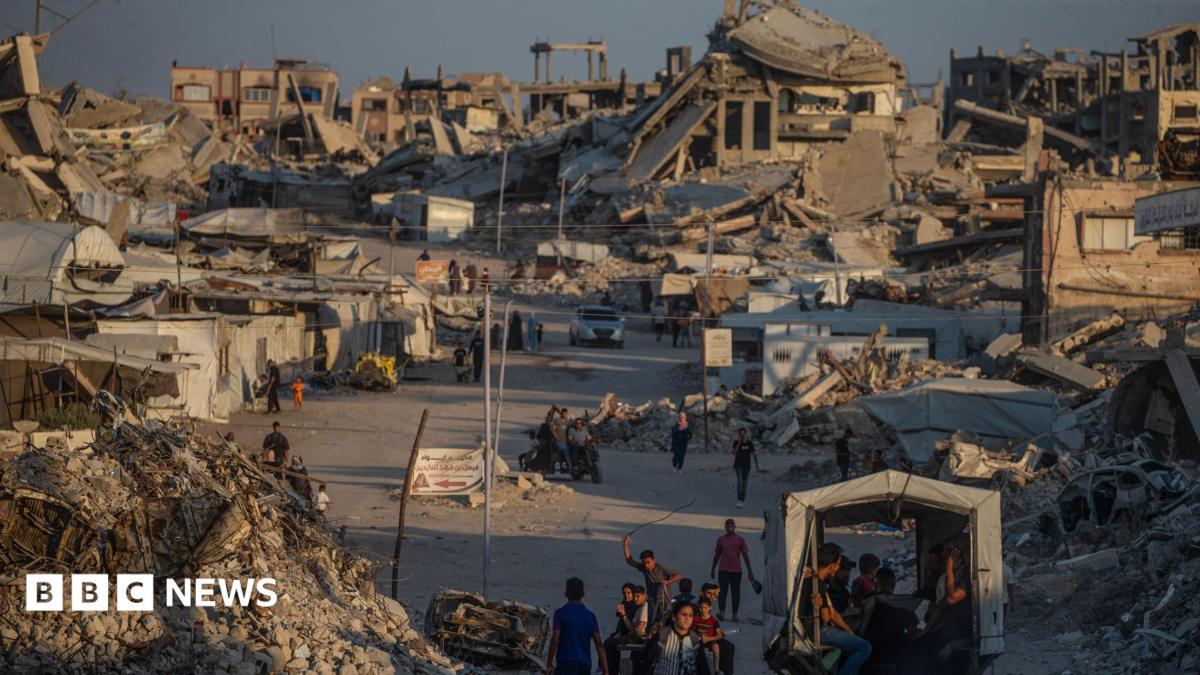
When the U.S. and Israel kicked off their war on Iran in February, Trump promised a quick, decisive win, because nothing says "strategic genius" like assuming a regional power will fold faster than a Trump casino. Six months, a failed 60-day ceasefire, and a wrecked global economy later, the "swift victory" has matured into the usual Republican classic: a grinding, open-ended conflict that drains U.S. weapons stockpiles and credibility at the same time.
Having failed to bomb Iran into submission or negotiate his way out of the mess he created, Trump has now pivoted to his favorite foreign-policy tool: mass economic punishment dressed up as "freedom." Treasury Secretary Scott Bessent rolled out a new sanctions crusade to "sever every economic lifeline" to Iran until the regime collapses or, more realistically, until ordinary Iranians can't afford bread. Countries that keep trading with Tehran are being threatened with their own isolation, because nothing projects confidence like trying to bully the entire global economy while your own arsenal is running on fumes.
Analysts note that years of "maximum pressure" have mostly produced "maximum resistance" from Iran, which continues to improvise smuggling networks and regional reprisals whenever Washington tightens the screws. So of course Trump's team is doubling down on the exact strategy that’s never worked, while quietly shifting the war’s goalposts from nukes, to regime change, to seizing control of the Strait of Hormuz like it’s just another distressed asset to be flipped. The White House gets to cosplay as Churchill; everyone else gets higher energy prices and a more dangerous Middle East. Truly, the art of the deal.