greenland: trump finally gets a piece of the island he tried to buy
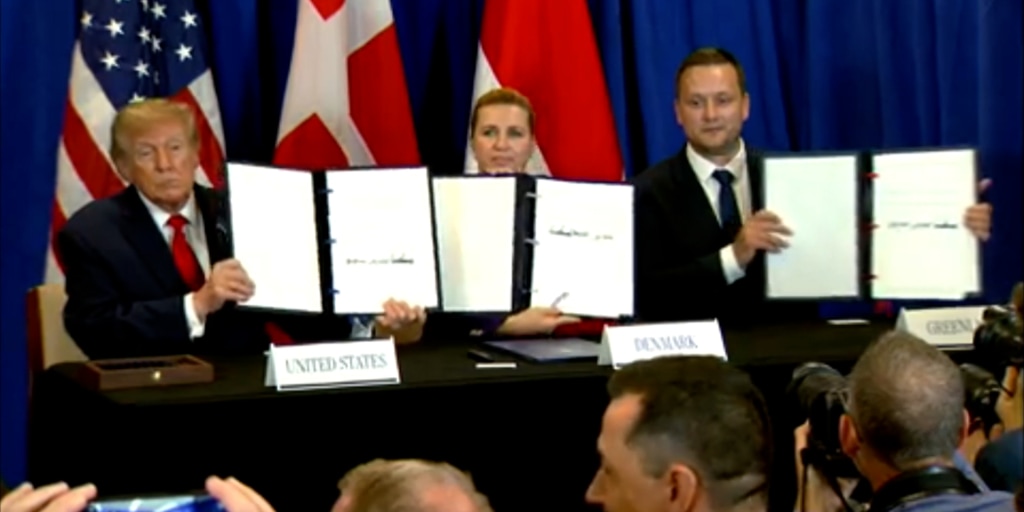
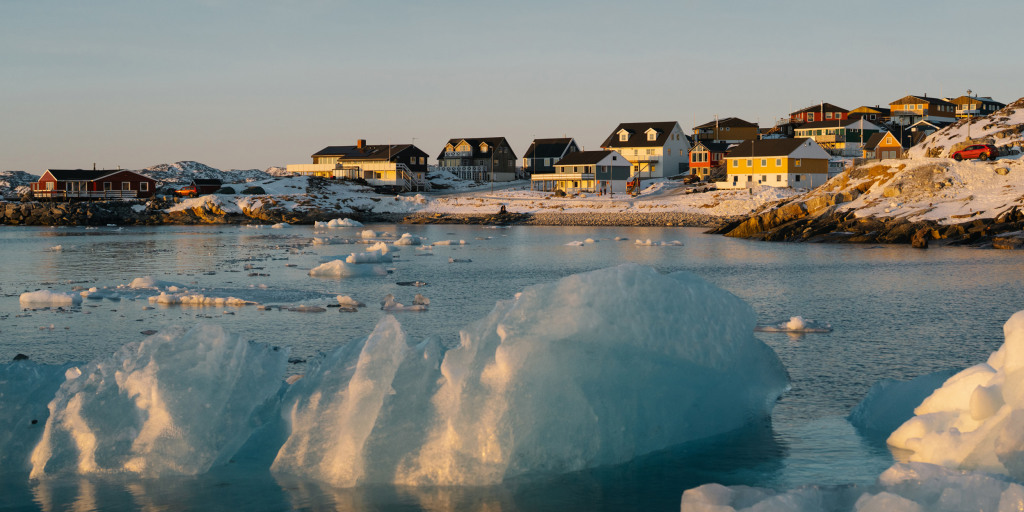
Greenland, bravely withstanding rising temperatures, shrinking ice, and now an expanded U.S. military presence—all because Trump once looked at a map and saw beachfront property.
Documenting the chaos since day one — one awful day at a time.

Greenland, bravely withstanding rising temperatures, shrinking ice, and now an expanded U.S. military presence—all because Trump once looked at a map and saw beachfront property.

Trump checking a map to find Canada, getting distracted by Belarus, and deciding dictators come with better bulk discounts.

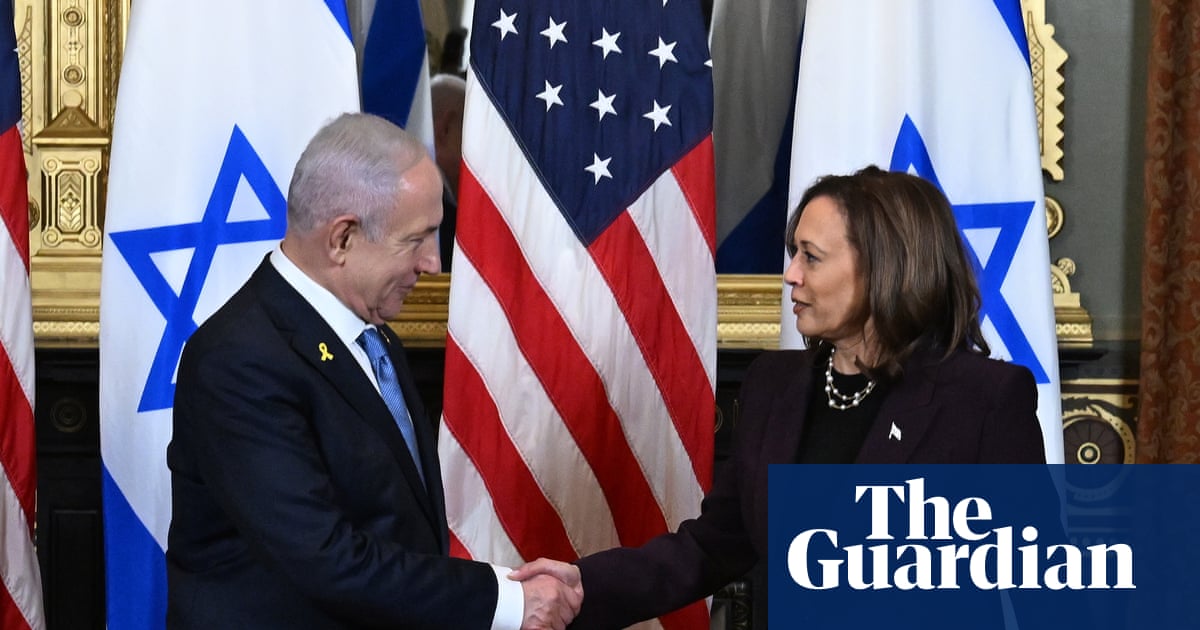
Biden and Netanyahu share a warm, totally-not-enabling-anything chat while US weapons shipments do the talking off camera.

Trump stares at a map of the Middle East like it’s a golf scorecard, then wonders why half the region is on fire and the other half is blocking the world’s oil.
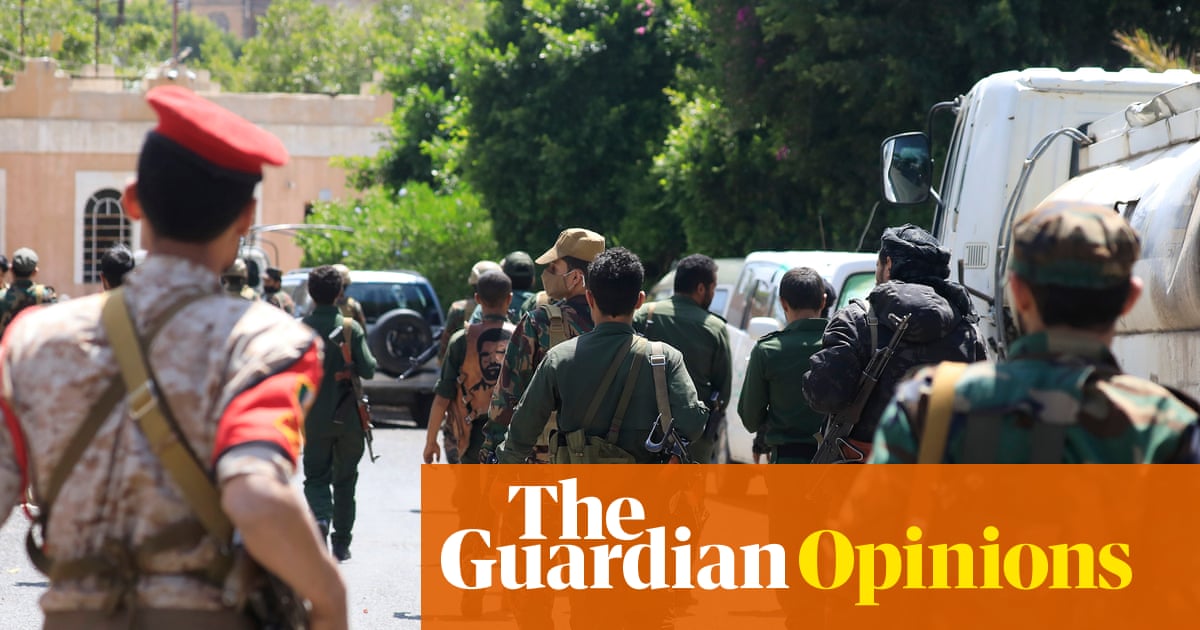
Trump’s little vanity war with Iran is paying off beautifully: Hezbollah is firing rockets, Iraqi militias are hitting U.S. bases, and now the Houthis have decided to go from "reluctant spectators" to "regional choke-point landlords." By seizing a Red Sea port, nearby islands, and effectively controlling the Bab al-Mandab strait while Iran shuts down Hormuz, Trump has managed to hand Tehran and its allies dominance over the Middle East’s two main energy arteries. Truly a masterclass in owning the libs by breaking the global oil supply.
As a bonus prize, Yemen’s civil war is roaring back to life, displacing over 100,000 people in a country that was already one of the world’s worst humanitarian disasters. The Houthis are pushing toward Marib and Yemen’s biggest oil and gas fields, Saudi Arabia is back to bombing airports, and the Houthis are returning the favor by attacking Saudi oil infrastructure and declaring a blockade on Saudi ships in the Red Sea. Meanwhile an Iraqi militia drone strike shuts down Saudi’s east–west pipeline, threatening to yank 120 million barrels out of global supply and spike crude prices to $120 a barrel. MAGA energy policy: burn it all down, then complain about gas prices.
Mohammed bin Salman, ever the loyal checkbook, has reportedly called Trump twice begging for U.S. airstrikes on the Houthis. Trump — whose family business is now basically a Saudi sovereign wealth fund side project — has, for once, declined to bomb somebody. That tiny sliver of restraint is immediately obliterated by the context: the only reason the Houthis, Iran, and every armed group with a Telegram channel are reshaping the map is because Trump decided to start an aggressive war, assassinate Iran’s supreme leader, and see what happens. What happened is: Yemen’s back in flames, millions more people are at risk, and the world’s oil routes are being run like a hostage negotiation.

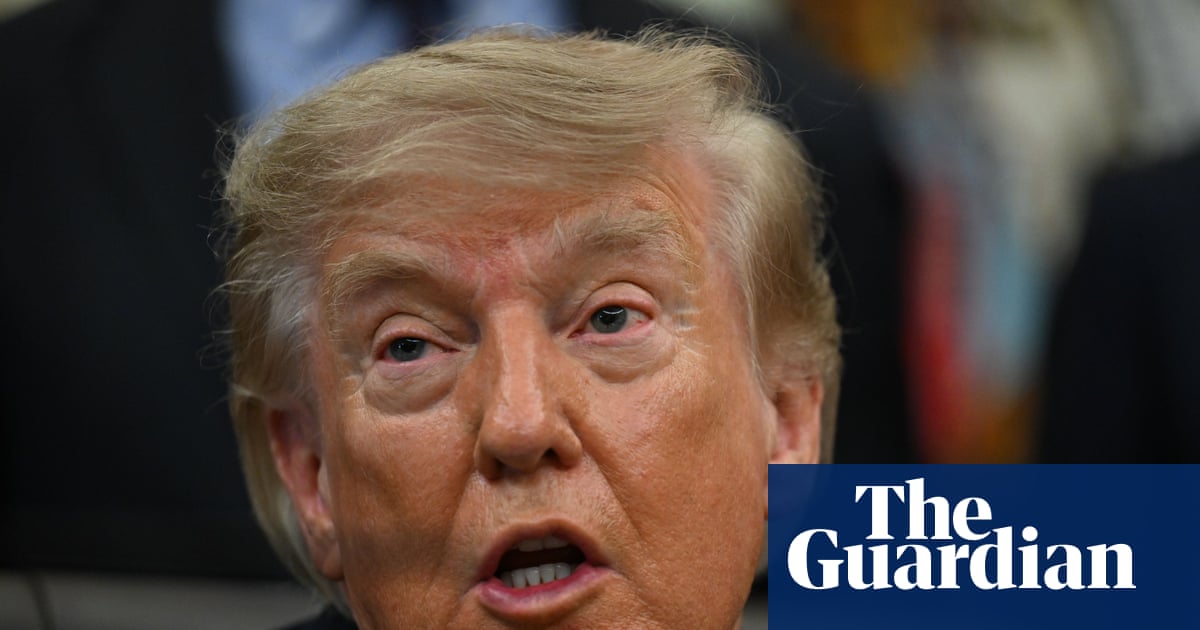
Trump at the White House lectern, explaining to a horrified world that alliances are for losers and impulse control is for other people.
Global "middle powers" have apparently decided that if the United States is going to be run by a rage-posting game show host, they should probably stop tying their national security to his mood swings. With Trump poised to spend a lame-duck term rage-tweeting foreign policy while Congress deadlocks his domestic fantasies, countries are quietly building a parallel world order designed around one core principle: keep the crazy man with nukes at arm's length.
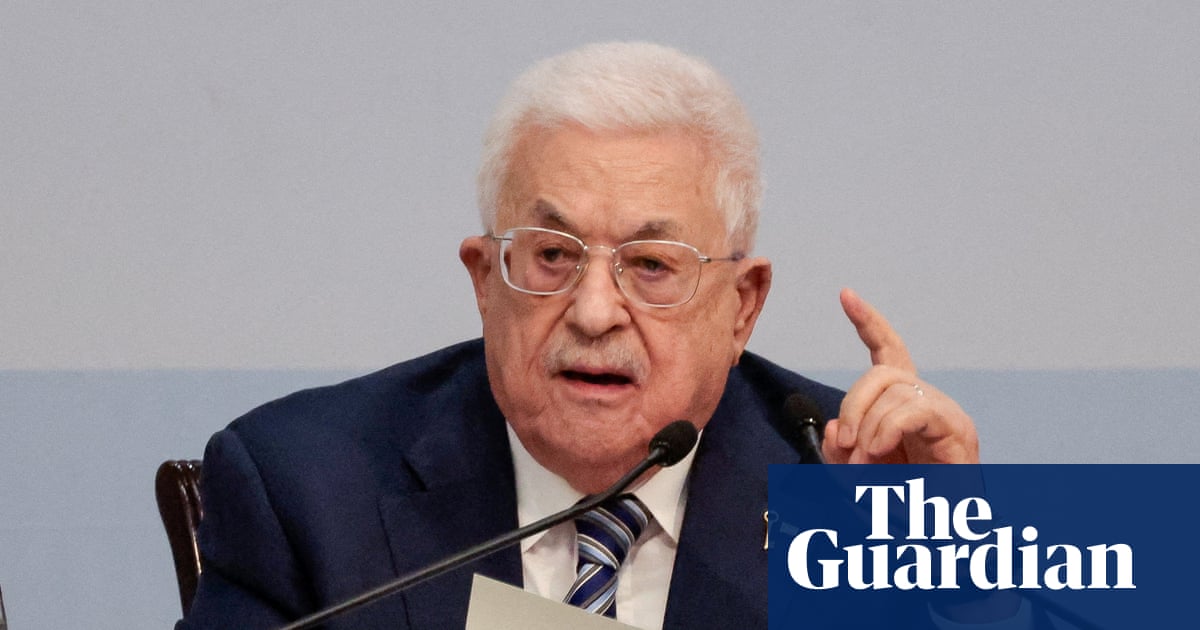
So while Trump shouts at the UN and signs Truth Social posts like a deranged HOA president, everyone else is busy stitching together new alliances where the U.S. is conspicuously absent. Brics is writing 140-paragraph manifestos on how to escape weaponised U.S. finance, the Shanghai Cooperation Organisation is expanding from border disputes to full-on economic integration, and Mark Carney is out here telling "middle powers" to reorganise before Washington burns down the rest of the neighborhood. The result? A growing, sub-threshold international order whose main organizing principle is: prepare for the day America finally throws the steering wheel out the window.
The polite diplomatic version is that countries are "hedging" against abandonment by the U.S. The less polite version is that decades of American preaching about the rules-based international order are being replaced by a new question: how do we survive when the guy who controls SWIFT also thinks NATO is a subscription service he can cancel mid-billing cycle? While Xi Jinping gives speeches about cooperation and equality, Trump is busy proving that if you behave like a vindictive landlord on the world stage, the tenants will eventually find a new building.

Trump, freshly convinced he’s invented colonialism, explains that the U.S. now has ‘Infinite Life’ powers over Greenland like he just unlocked a DLC in a war game.

UN headquarters, where the host country now reserves the right to decide which peoples are allowed to exist in the room.

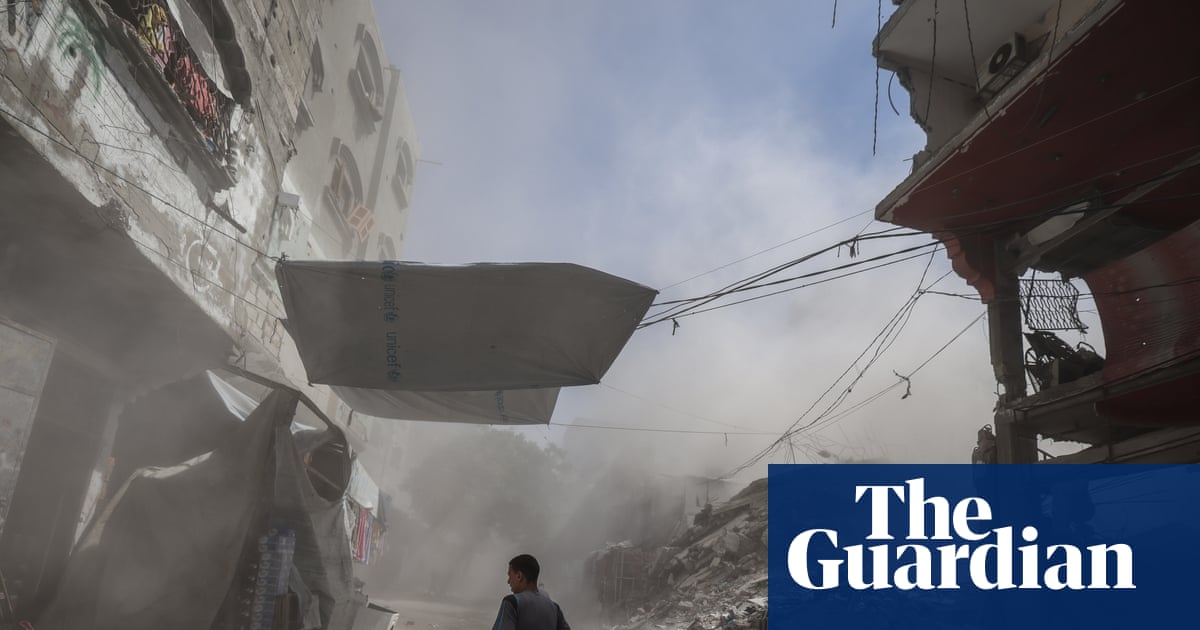
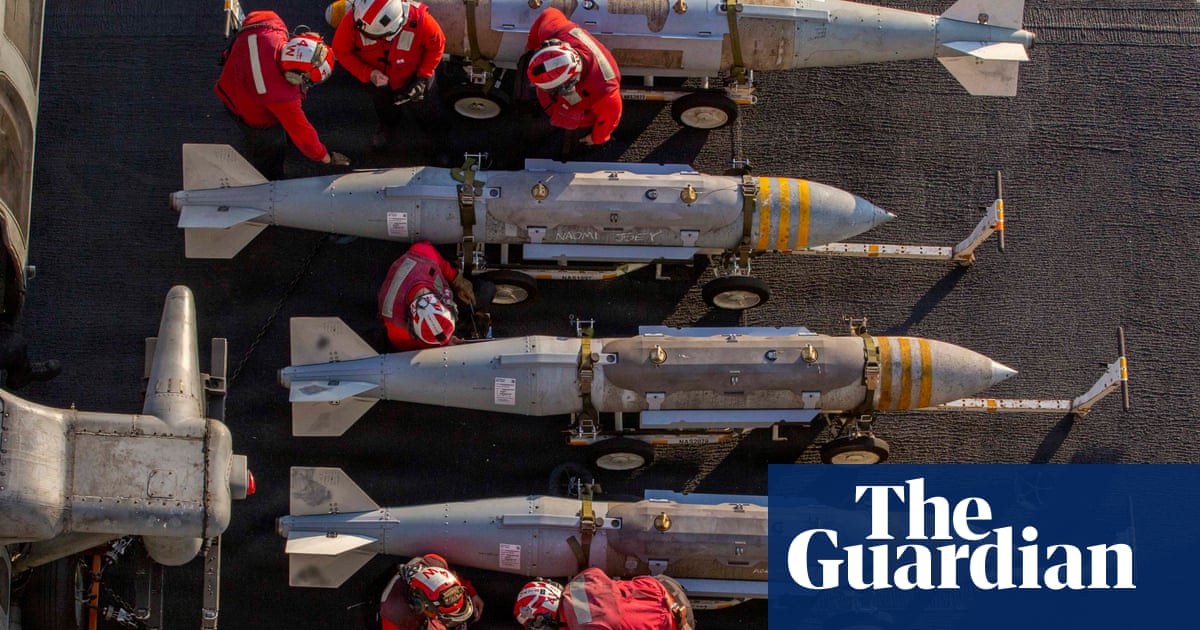
Artist’s rendering of US foreign policy: a giant pallet of 2,000lb bombs labeled "human rights" and "stability" being forklifted onto a departing plane.

Artist’s impression of US foreign policy: a conveyor belt of 2,000lb solutions to every political problem.

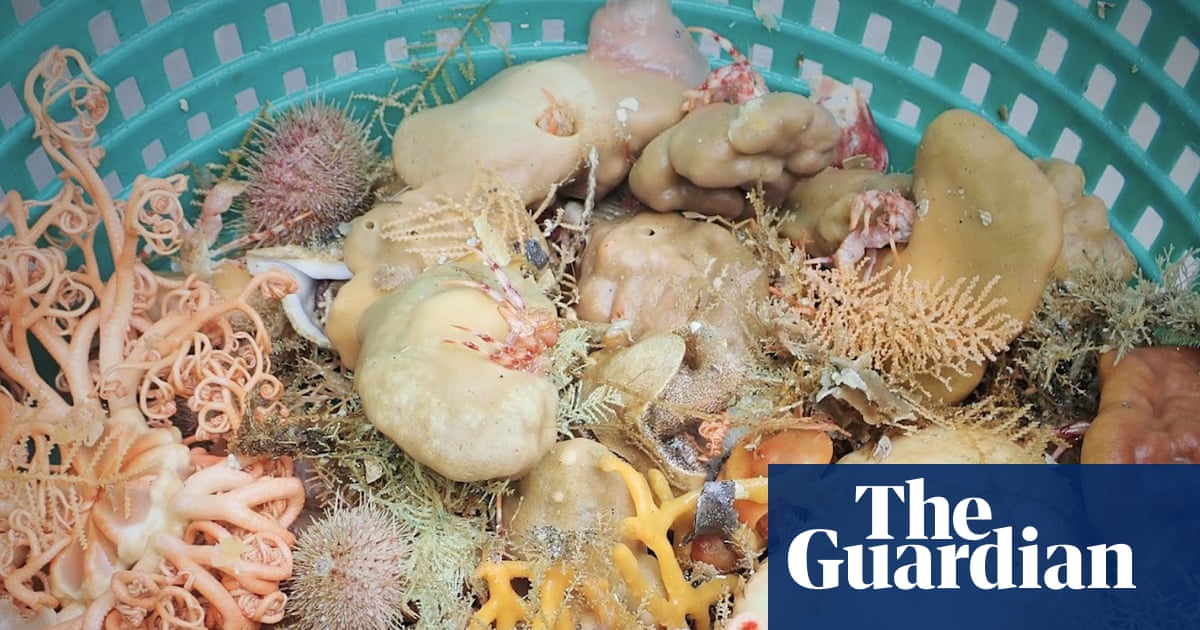
NOAA scientists gently examine sponges that the Trump administration would prefer to meet a large metal rake attached to a profit motive.

Marco Rubio strolls with Ecuador’s Daniel Noboa, looking every bit like a junior assistant empire manager inspecting one of the franchise locations.

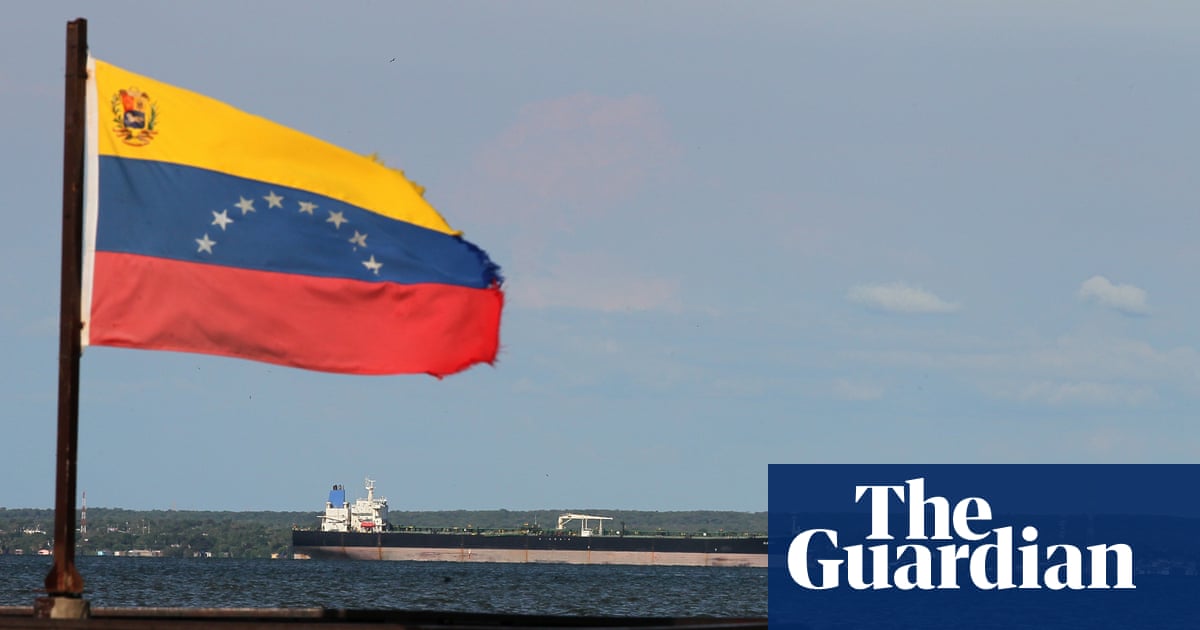
Donald Trump, freshly returned from explaining that Venezuela’s oil is actually his emotional support resource.
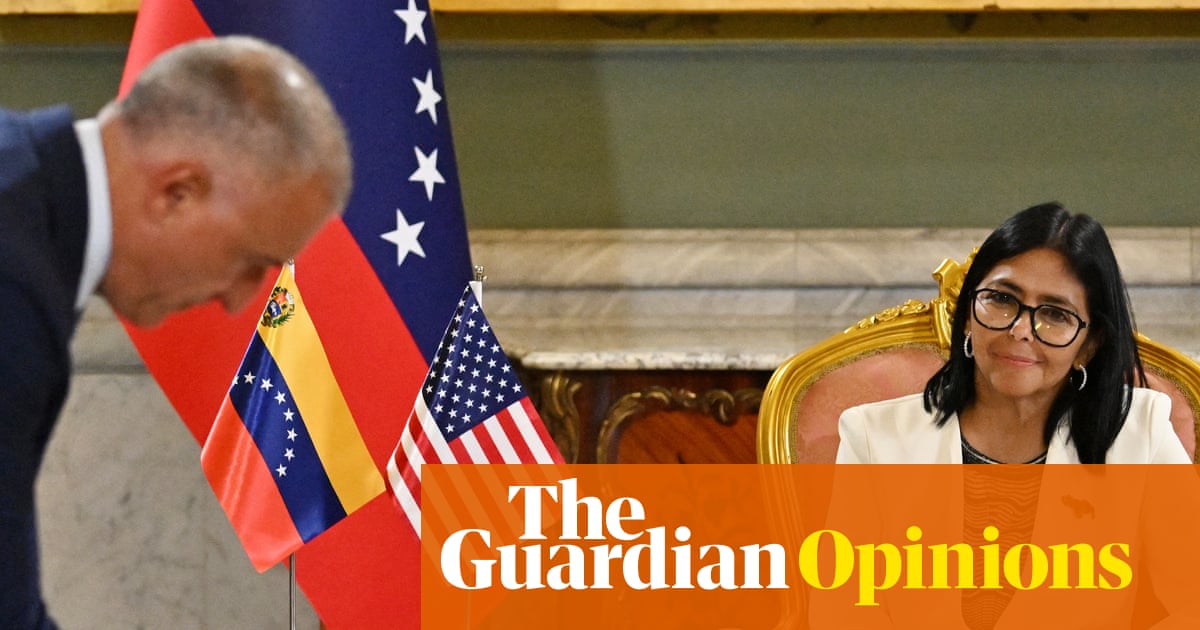
Donald Trump has apparently decided that if he can’t be a competent president, he’ll settle for cartoon supervillain. He has Nicolás Maduro snatched, swaps him out for Delcy Rodríguez, and then watches proudly as she signs away roughly a fifth of Venezuela’s proven oil reserves to the US. Washington doesn’t even bother with the old "spreading democracy" cosplay this time; it’s just straight-up 19th‑century gunboat diplomacy with better graphics.
The payoff? Not cheaper gas for Americans struggling to pay their energy bills, but a made‑for‑Fox News spectacle of “energy dominance” that won’t lower prices before the midterms. A handful of lucky firms like North American Blue Energy Partners — run by controversial Venezuelan billionaire Alejandro Betancourt — get decades-long concessions, while the Pentagon casually walks off with a free 35% equity stake. Neocolonialism, but make it vertical integration.
Trump had already decided Venezuela’s oil “belonged” to the US, offering Maduro exile if he signed it over and parking a US armada offshore when he hesitated. When regime change time came, he didn’t pick the democratic opposition; he picked the authoritarian who could keep the generals in line and the oilfields pumping without the hassle of an occupation. Rodríguez now insists she’s nobody’s puppet while promising $200bn in revenues — the classic strongman sales pitch: some locals get rich, sovereignty dies in a ditch.
All of this is wrapped in Trump’s personal mythology, where he calls himself a bigger historical figure than Caesar, Genghis Khan, Napoleon, Stalin and Mao. The difference is those guys at least waited for historians to do the hagiography. Trump is just a playground bully with nukes, swapping out governments for TV hits and Pentagon stock options while someone else will eventually have to rebuild whatever is left of America’s credibility.

Artist’s impression of Trump pointing at 3 million acres of sacred landscape and asking, "But have we tried drilling all of it?"
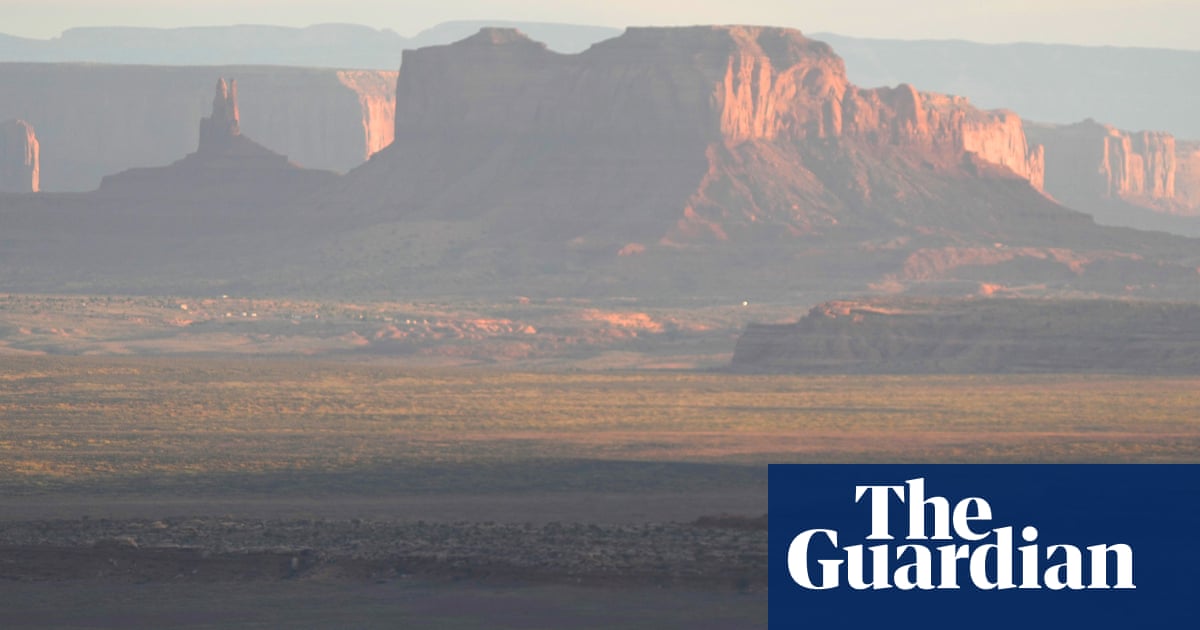
Trump has once again looked at land sacred to Indigenous tribes, rich with dinosaur fossils and ancient cliff dwellings, and concluded the highest and best use is: letting oil and gas companies chew it up like a strip-mined chew toy. After slashing Bears Ears and Grand Staircase-Escalante national monuments by a casual 90%, he declared the areas would be put to a "higher-priority use"—which is Republican for "someone in the extractive industries has my phone number".
Patagonia, apparently tired of just selling fleece to people who hike on weekends, is suing Trump (again) for what it calls illegal orders that "betray Tribal sovereignty" and try to do an end-run around the Antiquities Act, which allows presidents to create national monuments, not vaporize them for fun and drilling rights. The Natural Resources Defense Council calls this one of the largest rollbacks of public land protections in US history; Trump calls it "resource independence" and "national security", because nothing says security like turning 3 million acres of sacred and scientifically priceless land into a speculative mining portfolio.
Mining claims are already being filed in the newly unprotected areas, because of course they are. Once the drilling starts, the sacred sites, unique fossils, and million-year-old landscapes are gone for good—replaced with some patriotic slurry pit and a few campaign donations. Obama and Clinton created these monuments after years of tribal advocacy; Trump is trying to erase them with a pen and a press release. Protecting Bears Ears and Grand Staircase-Escalante is worth more than any amount of money, Patagonia’s CEO says. Unfortunately, this is an administration that hears that sentence and immediately checks if the minerals under it are already spoken for.

Trump studies a map of Venezuela’s oil fields, thoughtfully labeled "My Democracy Zones" in Sharpie.
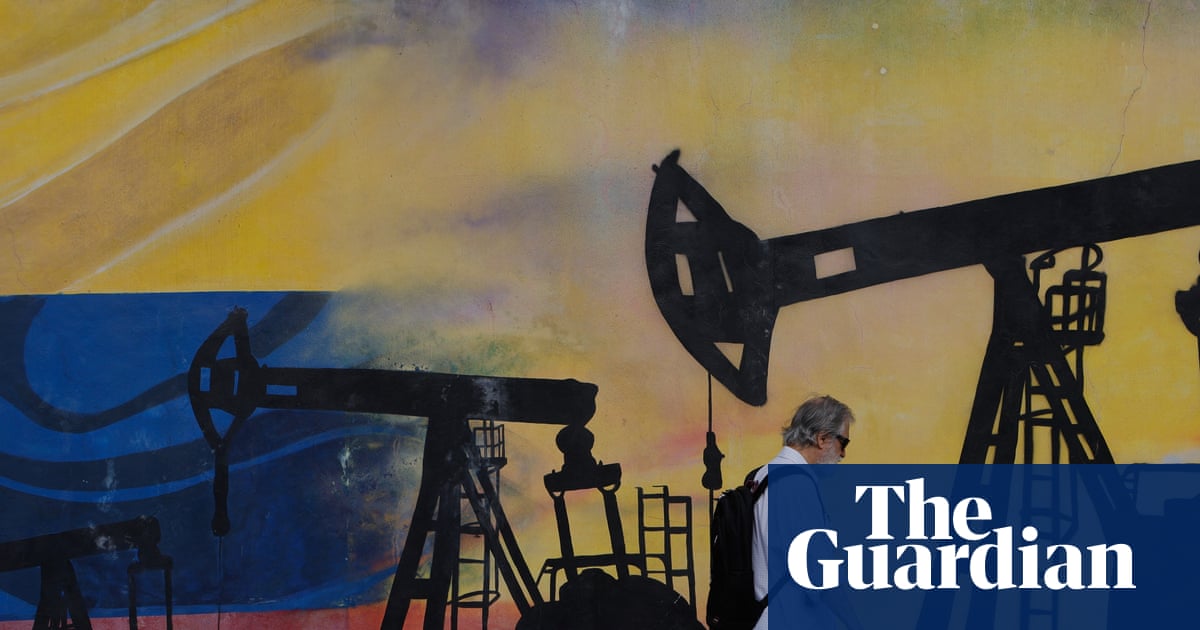
The Trump administration is proudly defending its new Venezuela arrangement, where "rebuilding democracy" apparently means sending US special forces to remove Nicolás Maduro, installing his former vice-president Delcy Rodríguez, and then handing the country’s oil lifeline to a US-backed company for the next 100 years. One-fifth of Venezuela’s reserves – 65bn barrels – now fall under "majority" US control, lovingly managed by North American Blue Energy Partners, owned by Alejandro Betancourt, a "controversial" businessman, which is Washington-speak for "we’ll explain the shell companies later".
Officials insist this is all about helping Venezuela recover from "20 years of kleptocracy" by, naturally, cutting a secret, century-long oil deal after a military raid, and then working with a regime figure who helped crack down on the opposition. Democracy, we are told, will arrive eventually – just as soon as the crude starts flowing, the royalties stabilize, and Trump’s polling numbers recover from that little war with Iran he launched, which helped spike gas prices past $4 a gallon. The US is "inheriting a government that is generating revenue", they say, which is a poetic way of describing a resource grab dressed up as nation-building.
Chinese and Russian firms were booted from 17 oil fields so Trump could announce "the biggest oil deal in world history" while meeting with refinery executives to figure out how to turn Venezuela’s democracy into cheaper gasoline. Venezuela’s national assembly, still dominated by the United Socialist party, dutifully approved the deal after Rodríguez declared the benefits "endless" – which is true if you’re counting how long Nabep’s rights last. Elections? Political transition? Minor details. As one US official helpfully explained, "We can hand over a more stable Venezuela" someday. For now, Washington will settle for a more stable supply of discount crude.
Trump announces Venezuela’s ‘gift’ oil while the Pentagon quietly becomes a partial owner of a regime‑changed country’s energy jackpot. Strategic Petroleum Reserve, meet Strategic Colonial Reserve.

Trump studies a map of the South Atlantic, asks which islands come with naming rights and a branding deal.

Trump, gesturing at a map of South America like it’s a Black Friday ad, explaining which oil fields he thinks come in the "U.S. president" starter pack.

Trump, Rubio, and Hegseth proudly announcing that Venezuela has generously agreed to let the U.S. control its oil—right after the U.S. controlled who runs Venezuela.
Donald Trump has announced that the United States now has “majority” control of 65 billion barrels of Venezuelan oil reserves, supposedly secured “at no cost to the American taxpayer” through a mysterious partnership with “private business.” So, to recap: the U.S. topples Nicolás Maduro, installs an “interim president” Delcy Rodríguez, then magically ends up with controlling stakes in her country’s oil. Truly a touching story about democracy, brought to you by Secretary of State Marco Rubio and Defense Secretary Pete Hegseth, who apparently now moonlight as energy investment bankers.
Details such as how the U.S. is exercising “majority control,” which oilfields are involved, what companies own what, or whether Venezuela’s population gets anything beyond a flag and a bill are, naturally, classified under the Official Trump Doctrine of ¯\(ツ)/¯. What we do know: Wall Street Journal and Axios say the administration is taking direct stakes in over a dozen Venezuelan oilfields holding nearly a third of the country’s reserves, while Chevron and friends line up to pour billions into the newly liberated piñata. One Venezuelan opposition figure calls it a “rapacious, mafioso United States,” which is unfair—mafias at least pretend there’s a cut for the locals.
All this just happens to arrive right before the midterms, with Trump under fire over high gas prices and a depleted strategic petroleum reserve. So the White House solution is: overthrow a government, carve up its oil, hand control to U.S. interests, and then brag it’s free because the taxpayers didn’t pay—just the Venezuelans. The Marshall Plan rebuilt Europe; this is the Marshall-Your-Oil-Into-Our-Stockpiles Plan, where “freedom” is measured in barrels and democracy is whatever gets the cheapest crude to U.S. refineries.

US sailors in life vests, bravely standing watch while their paychecks are repurposed to keep Trump’s vanity war on layaway.

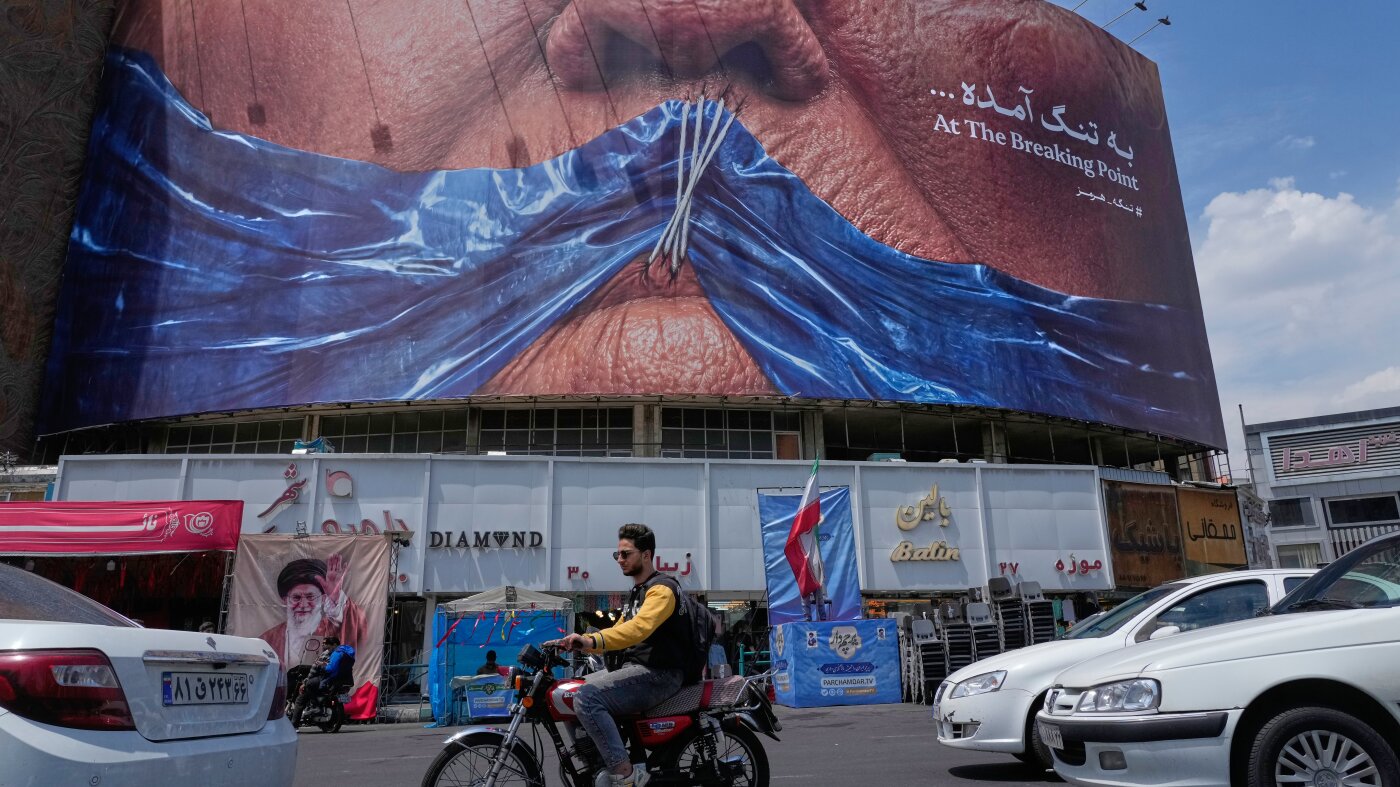
Tehran drivers pass a billboard showing Trump with his mouth sewn shut, a bold artistic choice that U.S. foreign policy planners should really consider adopting as an actual strategy.
When the U.S. and Israel kicked off their war on Iran in February, Trump promised a quick, decisive win, because nothing says "strategic genius" like assuming a regional power will fold faster than a Trump casino. Six months, a failed 60-day ceasefire, and a wrecked global economy later, the "swift victory" has matured into the usual Republican classic: a grinding, open-ended conflict that drains U.S. weapons stockpiles and credibility at the same time.
Having failed to bomb Iran into submission or negotiate his way out of the mess he created, Trump has now pivoted to his favorite foreign-policy tool: mass economic punishment dressed up as "freedom." Treasury Secretary Scott Bessent rolled out a new sanctions crusade to "sever every economic lifeline" to Iran until the regime collapses or, more realistically, until ordinary Iranians can't afford bread. Countries that keep trading with Tehran are being threatened with their own isolation, because nothing projects confidence like trying to bully the entire global economy while your own arsenal is running on fumes.
Analysts note that years of "maximum pressure" have mostly produced "maximum resistance" from Iran, which continues to improvise smuggling networks and regional reprisals whenever Washington tightens the screws. So of course Trump's team is doubling down on the exact strategy that’s never worked, while quietly shifting the war’s goalposts from nukes, to regime change, to seizing control of the Strait of Hormuz like it’s just another distressed asset to be flipped. The White House gets to cosplay as Churchill; everyone else gets higher energy prices and a more dangerous Middle East. Truly, the art of the deal.