forever grifting
trump mobile invents the quantum phone: always shipping, never arrives
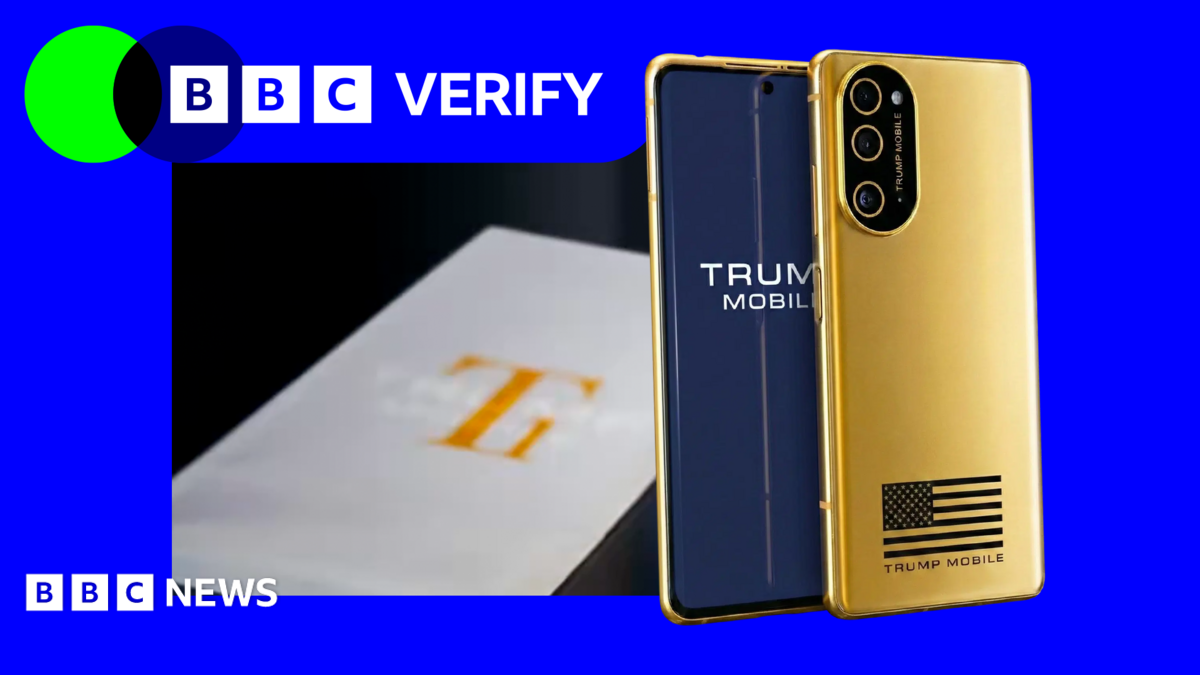
Artist’s impression of the Trump Mobile T1: a flag-wrapped IOU rendered in 4K disappointment.
Trump Mobile, the patriotic brainchild of Donald Trump Jr. and Eric "Is This The Power Button?" Trump, launched in 2025 with a big promise: the shiny new "T1" smartphone would be built in the US and in customers’ hands within months. You were not just buying a phone, you were apparently buying freedom, the flag, and a small piece of the Trump family’s legal defense fund.
As the year went on, though, the T1 started behaving less like a product and more like a crypto white paper. The manufacturing location? Mysteriously flexible. The design? Evolving. The delivery date? A conceptual art project. Key details kept changing, but one thing stayed rock solid: they kept the money, while some customers are still waiting for the device like it’s Half-Life 3.
So we’ve basically arrived at the logical endpoint of Trump-era capitalism: a "made in America" phone that may or may not be made in America, may or may not exist in its advertised form, and may or may not ever ship, promoted by a family that treats reality like a terms-of-service agreement. No refunds, but thank you for supporting the brand.