forever grifting
epa rebranded as the environmental polluters agency
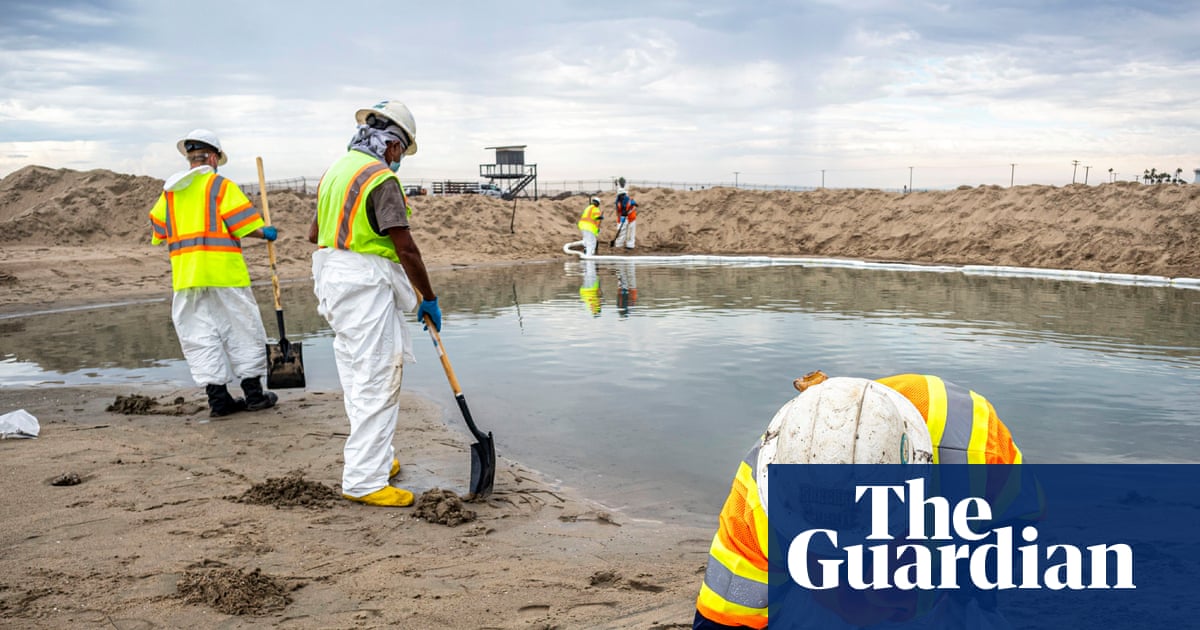
EPA headquarters, currently doubling as the nation’s largest corporate customer service center for oil and chemical companies.
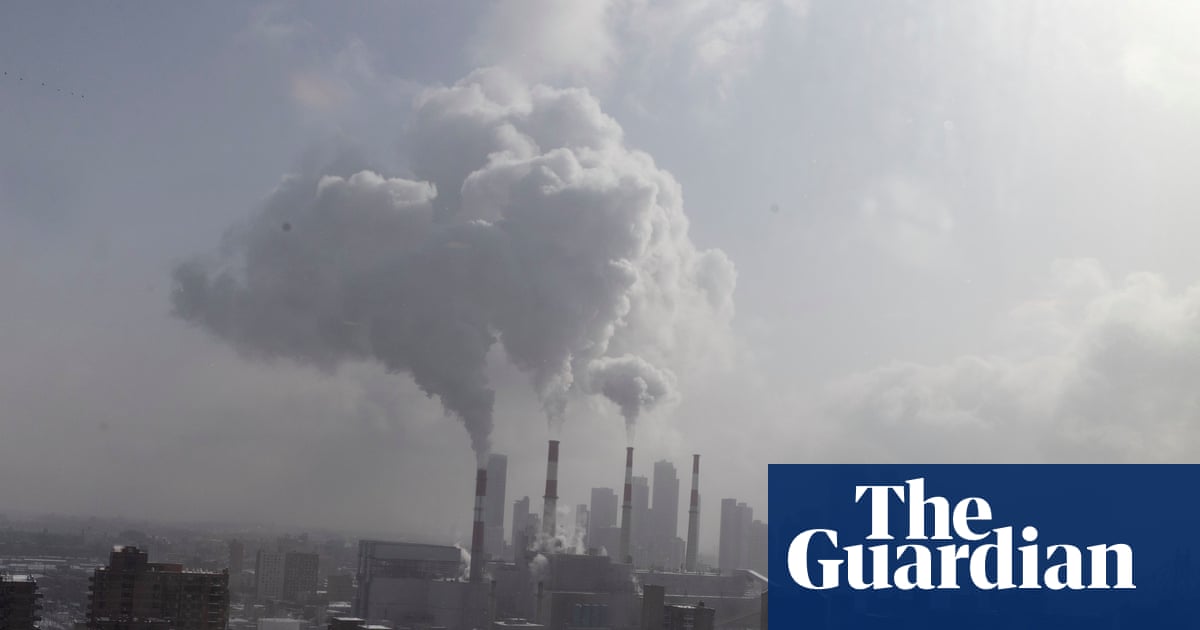
The second Trump administration has finally solved the pesky problem of corporate crime: just stop enforcing the law. A new analysis of EPA records from January 2025 to January 2026 shows that enforcement against major polluters has basically flatlined. The agency filed one Clean Air Act consent decree in a year — down from 26 during Trump’s first term and 22 under Biden — and Superfund enforcement has been similarly tossed in the toxic waste bin, with seven consent decrees instead of 31. Clean Water Act actions? Also circling the drain, dropping from 18 in Biden’s first year to four now. America’s biggest oil, gas, coal, and chemical companies didn’t suddenly become law-abiding; the cops just stopped showing up.
An EPA spokesperson insists this is all about “swift compliance” instead of “overzealous enforcement” driven by “climate zealotry” — a bold way to describe checks notes making laws optional for BP, Norfolk Southern, and friends. Current EPA enforcement staff, speaking anonymously because they enjoy having a job, say the quiet part out loud: political appointees are micromanaging cases, forcing investigators to run anything industry doesn’t like far up the chain, and creating a review backlog that buries serious violations. A March 12 memo helpfully clarifies that enforcement can no longer “shut down any stage of energy production”, which is a long way of saying: if it drills, spills, or kills, it’s safe.
Meanwhile, enforcement staffing is down up to 30% at EPA and about 50% at DOJ’s environmental division, leaving a “broad chilling effect” where investigators avoid big cases because they know the politicals are there to protect industry, not the public. The administration brags it has concluded more total cases than Biden — which turns out to mean lots of tiny administrative wrist-slaps for mechanic shops while the real polluters get a wink, a nod, and a tax write-off. As Public Employees for Environmental Responsibility politely notes, that kind of small-ball enforcement is useless for the giant, complex cases that actually deter corporate crime.
Tim Whitehouse of PEER says the Zeldin-led EPA is operating as a subsidiary of the oil and chemical industries, which is generous; subsidiaries usually have more independent oversight. Enforcement is being gutted, science is under attack, and regulations are being sanded down to whatever thickness Exxon and Dow prefer. The message from Trump and Zeldin is crystal clear: communities can choke on polluted air and drink contaminated water so long as shareholders can breathe easy. The Environmental Protection Agency has become very committed to protection — just not of the environment, or the people who live in it.