white house antitrust now streaming on ‘friends of trump+’
Ted Sarandos leaves Washington after a ‘routine’ DOJ visit, coincidentally having discovered that bidding against a Trump donor is no longer a sound business decision.
Documenting the chaos since day one — one awful day at a time.

Ted Sarandos leaves Washington after a ‘routine’ DOJ visit, coincidentally having discovered that bidding against a Trump donor is no longer a sound business decision.

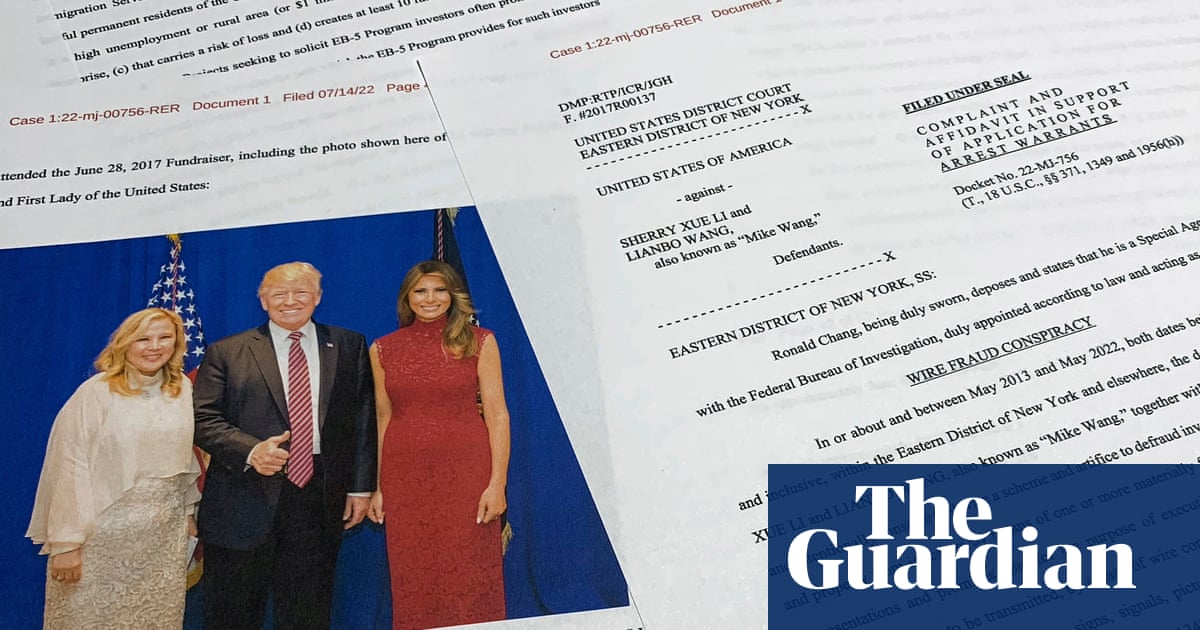
When you drop $93,000 to stand next to Trump and it turns out the only thing you really bought was evidence for a federal indictment.

Kash Patel, hard at work safeguarding America by testing the structural integrity of a locker-room table with a beer in hand and a government jet on the tarmac.

Trump staring at a tariff chart like it’s a wine list, trying to remember which donors paid for the good exemptions.

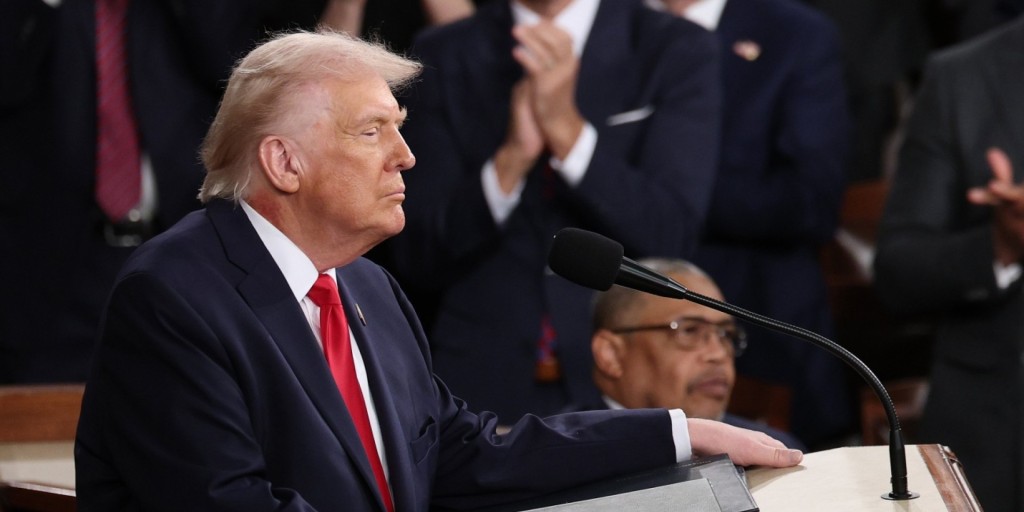
President Trump smiles, presumably imagining the East Wing replaced with a 1,000-seat shrine to his own reflection.
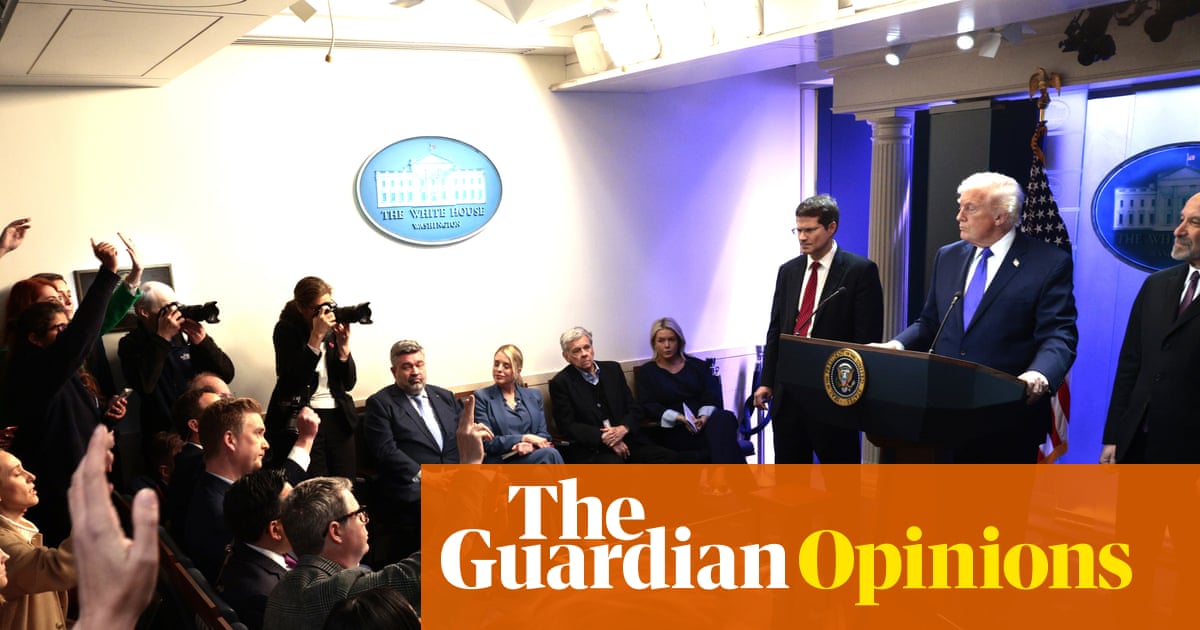
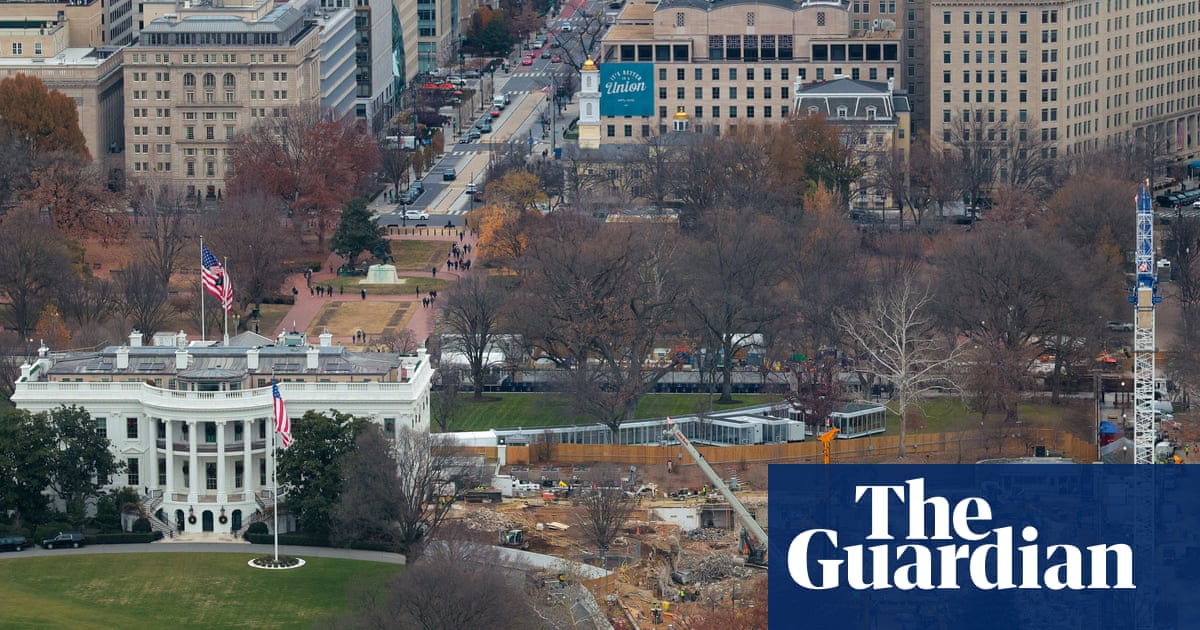
The federal judiciary has graciously informed America that Donald Trump’s plan to partially gut the East Wing of the White House for a $300 million, donor-funded mega-ballroom can keep rolling for now. Trump immediately took to Truth Social to announce that the judge had "completely erased" the pesky effort to stop him, which is a bold interpretation of an opinion that explicitly invited the plaintiffs to come back and argue that the president is acting beyond his legal authority. Reading comprehension remains, as ever, an optional feature in this administration.
The National Trust for Historic Preservation is suing because Trump decided to tear into a national landmark and pass the hat to private donors like it’s a Mar-a-Lago expansion, not the actual White House. Judge Richard Leon didn’t say the scheme is legal; he said the lawsuit needs a procedural tune-up and practically begged them to refile with a sharper claim that Trump is exceeding his statutory authority. The Trust, noting the judge agreed they have standing, says they’ll do exactly that. So the bulldozers get a head start while the lawyers reword the obvious: the president is not supposed to treat the People’s House like a GoFundMe for his event-planning fantasies.
Meanwhile, Trump’s dream ballroom — 1,000 seats of pure, taxpayer-adjacent opulence — glides through “oversight” bodies now stuffed with his loyal appointees. The Commission of Fine Arts signed off despite not having seen the final design, and despite public comments running roughly 99% against the project. When nearly the entire public says "absolutely not" and the handpicked commission says "rubber-stamped," that’s not governance, it’s a zoning board cosplay of authoritarianism. Next up is the National Capital Planning Commission, also dominated by Trump allies, because if you’re going to reconfigure a historic democratic symbol to host bigger inauguration parties, you may as well have your own people holding the clipboards.
Trump promises the ballroom will host future inaugurations and large state visits, be ahead of schedule and under budget, and "stand long into the future as a symbol to the Greatness of America!" Which is one way to describe a privately financed, legally dubious expansion of the White House pushed through by captured boards over the near-unanimous objections of the public. The rest of us might call it a monument to the era when a president tried to turn the seat of government into a branded events venue, and the system’s checks and balances responded: "Please resubmit your complaint in the correct format."

Jamie Raskin, pictured here wondering how many lobbyists it takes to run the Justice Department, prepares to find out the hard way.

Trump, captured at the precise moment he discovered that pretending to hate insider trading polls better than admitting you text your buddies before you tank the market on live TV.

Ryan Zinke, alleged public-lands defender, carefully inspecting which part of Montana should be converted into his next investment vehicle.

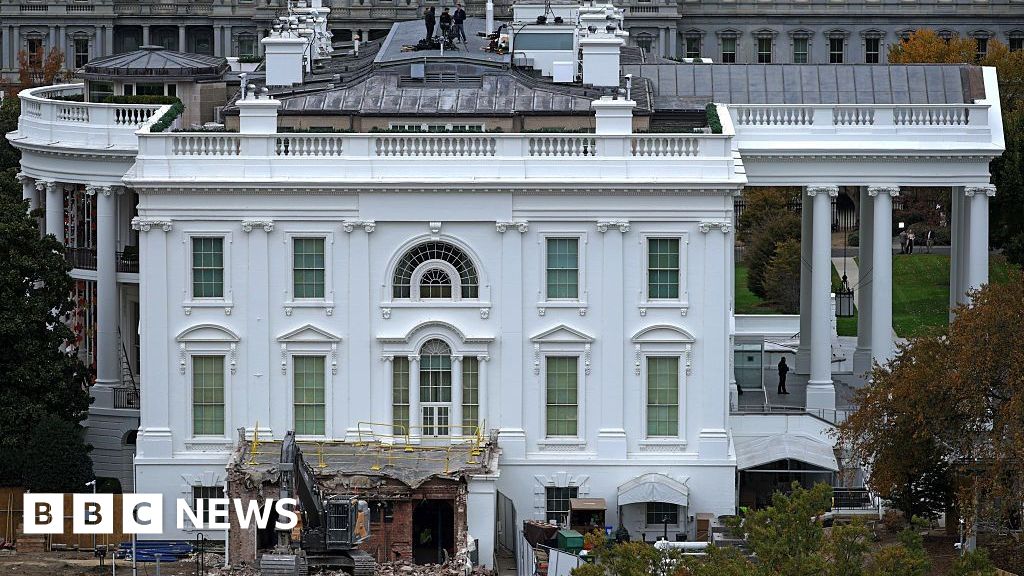
An excavator tenderly removes 20th-century history to make room for a 21st-century autocracy ballroom.

Pardoned narco-president departing federal custody the hard way: escorted past the rabble straight to the Waldorf Astoria, courtesy of America’s ‘tough on crime’ administration.

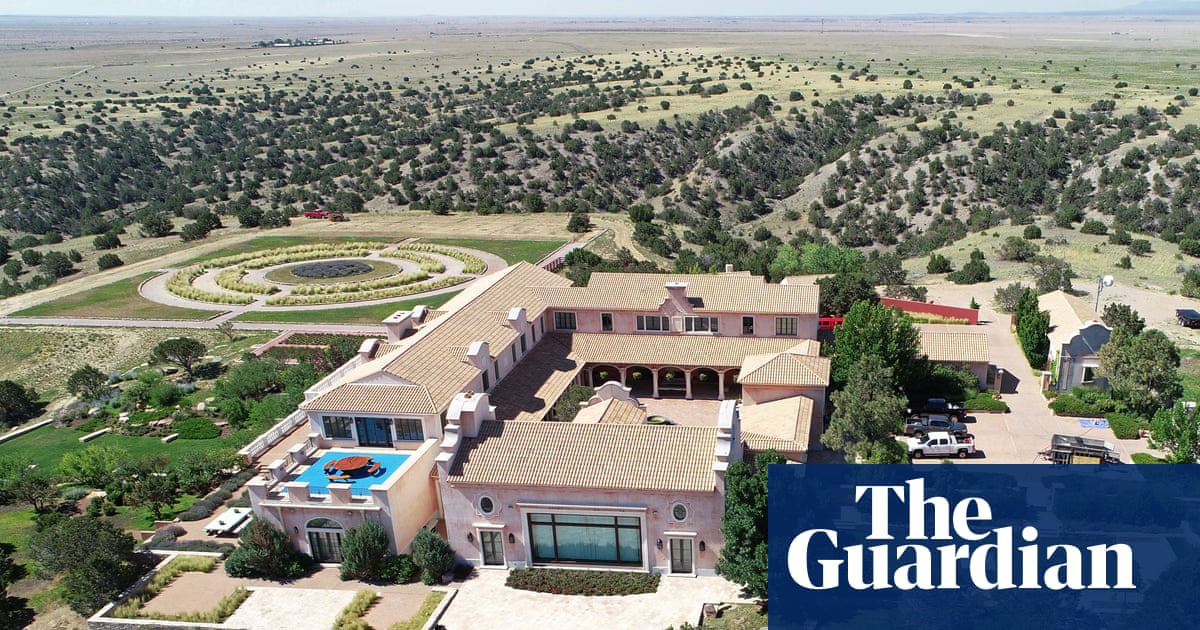
Zorro Ranch, seen here trying very hard to look like a normal luxury property and not a 10,000-acre monument to everyone in power pretending they saw nothing.

Artist’s rendering of the people’s house being upgraded to the donors’ palace, complete with complimentary executive overreach and a side of historic demolition.

Goldman Sachs headquarters, where the code of conduct is strictly enforced unless you’re buddies with a convicted sex trafficker bearing luxury gifts.
Goldman Sachs’ chief legal officer Kathy Ruemmler has announced she’s stepping down after emails revealed she had a cozy relationship with Jeffrey Epstein, lovingly calling him “Uncle Jeffrey” and gushing that she “adored him” — years after his 2008 sex-crimes conviction and sex-offender registration. Nothing says “top legal judgment” like luxury handbags and a fur coat from a convicted predator you’re later going to publicly label a “monster.”
Goldman, whose code of conduct supposedly frowns on high-end gifts and conflicts of interest, now insists she “regrets ever knowing him,” which is a fascinating way to spell “regrets you all saw the emails.” Epstein was still calling her cell the night of his 2019 arrest, while she was busy advising him on how to handle media questions about his sweetheart legal treatment. CEO David Solomon, who as recently as December was praising her as an “excellent lawyer” with his “full faith and backing,” now very respectfully accepts her resignation and would like everyone to move along before anyone asks how normal it is for the top lawyer at a megabank to be on speed dial for a serial sex offender.
So to recap: the American financial and political elite spent years laundering Epstein’s reputation while he trafficked girls, then, once it became inconvenient, discovered retroactive moral outrage and deep, performative regret. Rule of law for the poor, fur coats for the friends.

Pam Bondi and Gail Slater reenact corporate antitrust policy: one pushes, the other falls, and the merger walks away untouched.

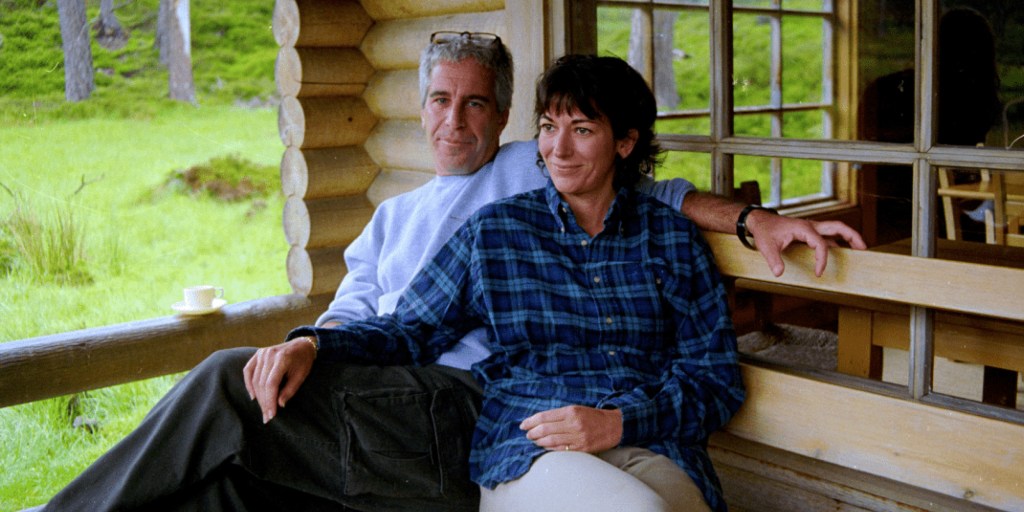
America’s worst LinkedIn profile photo: two people who knew everybody and remember nothing.
Ghislaine Maxwell beamed into the House Oversight Committee, said absolutely nothing, and then had her lawyer announce she’s ready to “speak fully and honestly” — just as soon as Donald Trump hands her a get-out-of-prison-(more)-free card. The message couldn’t be clearer: presidential clemency is now being treated like a premium subscription tier for access to the truth about Jeffrey Epstein.
Her attorney helpfully pre-cleared both Trump and Bill Clinton as innocent of any wrongdoing, promising that only Maxwell can explain why, once she’s been liberated by the very guy who “hasn’t thought about” pardoning her, except for when he publicly refuses to rule it out. Meanwhile, she keeps her mouth shut under the Fifth, sits in a cushier Texas prison camp, and dangles potential testimony over Congress like a paywalled confession.
Republicans like James Comer are suddenly against clemency, Democrats like Ro Khanna are flirting with retaliatory harsher confinement, and Maxwell’s lawyer is accusing Congress of authoritarianism for wanting consequences. So the authoritarian card is now being played by the legal team of a convicted sex trafficker trying to bargain for a Trump pardon. American justice has entered the DLC phase, and the price of the expansion pack is presidential corruption.

Trump explaining how, if you really think about it, suing yourself for $10 billion actually proves how much you care about taxpayers.

Artist’s rendering of Trump International Airport & Train Station & Constitutional Crisis, sponsored by your federal tax dollars.

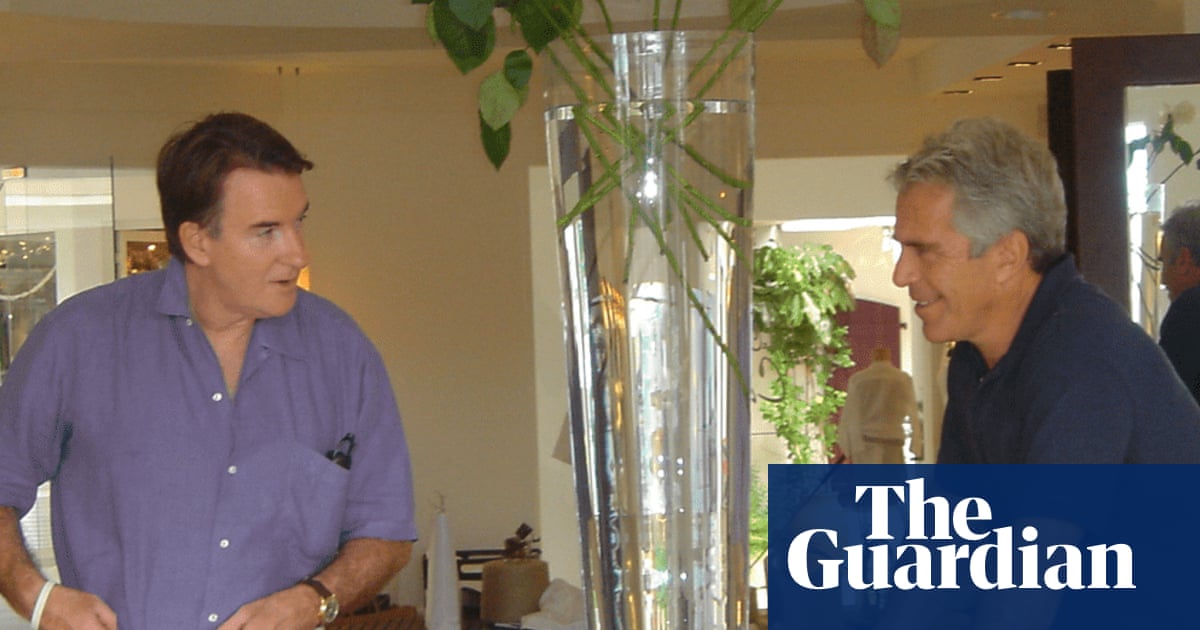
Lord Mandelson in 2008, moments before being granted lifetime access to the ‘no consequences for peers’ programme.

Marc Andreessen, pausing briefly from reinventing feudalism with venture capital to fund an AI super PAC that primary-hunts anyone who suggests maybe the machines shouldn’t run everything yet.
America’s brightest minds in unregulated money and unaccountable algorithms are teaming up with Donald Trump to make sure voters have as little say as possible in the 2026 midterms. Pro-crypto outfits like Fairshake waddled into 2026 with nearly $194 million to spend, because nothing says “innovation” like a gigantic dark-money firehose aimed at anyone who dares regulate their casino. Their AI cousins at Leading the Future — bankrolled by Greg Brockman, Marc Andreessen, Ben Horowitz and friends — are sitting on another $39 million, already targeting a New York candidate whose crime was sponsoring AI safety legislation. In other words: write laws to keep the robots from wrecking everything, and the billionaires’ super PAC will try to wreck your career instead.
Hovering above it all like a bloated orange Death Star is MAGA Inc., Trump’s main super PAC, which finished 2025 with a casual $304 million in the bank. A big chunk of that came from people with business in front of the administration or family members staring down legal jeopardy — so at least the bribery-to-pardon pipeline is being handled with admirable efficiency. Trump can’t legally run for a third term (despite his constant fan fiction), but with that kind of cash, he doesn’t need to be on the ballot to own the GOP; he just has to keep writing checks and menacing primaries.
Meanwhile, Elon Musk — the man who threatened a third party and then wandered back like a sitcom character who never really left — is cutting $5 million checks to the Senate Leadership Fund and Congressional Leadership Fund, and quietly topping up his own America PAC after spending a quarter-billion last cycle to reinstall Trump. Democrats, for their part, are dutifully playing the same game: House Majority PAC, Senate-aligned groups, and AIPAC’s United Democracy Project are all stockpiling tens of millions to decide which candidates are acceptable to donors before voters ever see a ballot. But sure, tell yourself we still have representative democracy, not a full-time auction where policy is written by whoever can light the biggest pile of crypto and AI money on fire.

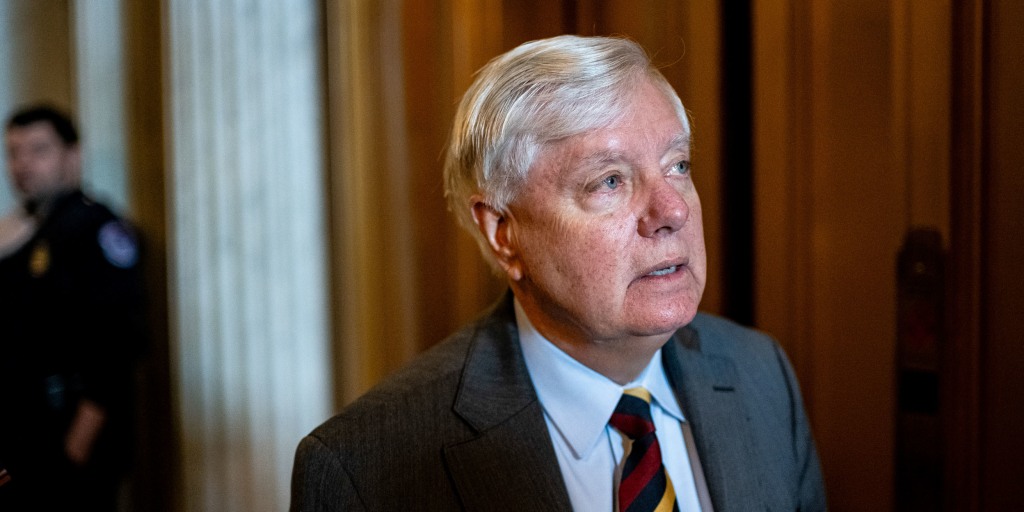
Lindsey Graham, bravely defending the sacred constitutional right of senators to cash in if the DOJ looks at their phone records.